GM Will Pay $220 Million to 36 States Over OnStar Driver Data Sold to Insurers
A 36-attorney-general coalition says GM sold hard-braking and speeding data to brokers that fed insurers. Add California's deal, and penalties now dwarf the $20 million GM reportedly earned.
General Motors will pay $220 million to settle claims from a coalition of 36 attorneys general that it quietly sold OnStar Smart Driver data — hard braking, speeding, late-night trips — to data brokers who passed it on to car insurers. Add a separate deal with California in May, and GM's bill for the program now tops $230 million.
The agreement, announced Oct. 29, covers 35 states plus Washington, D.C., in a coalition co-led by Washington and Oregon. If you drive a connected GM and want to see what it still shares, our brand-by-brand guide to opting out of car data sharing walks through the settings.
What the states say GM did
According to the attorneys general, GM enrolled millions of drivers in Smart Driver between 2016 and 2024. The feature was sold as coaching for safer driving, and it logged hard acceleration and braking, speeds above 80 mph and driving late at night, as laid out in North Carolina's announcement of the settlement.
Drivers were told the data wouldn't reach insurers without their express consent. The states allege it went to data brokers anyway, and that insurers then used it to set premiums. The coalition also says some dealers, motivated by GM incentives, signed customers up without asking.
The sharpest allegation involves GM's own app. It told more than 370,000 drivers they weren't enrolled in Smart Driver when they were. GM later unenrolled them, the states say, without mentioning the error — and without clawing back data already in the hands of brokers and insurers.
What changes now
Under the settlement, GM must get express consent before collecting or disclosing driving and location data, collect less of it in the first place, and run a comprehensive privacy program. Dealers face new oversight and training rules. TechCrunch reports the deal also adds something the earlier agreements didn't: an outside assessor checking GM's compliance with that program.
The money goes to the states. North Carolina gets $7,657,771, New York more than $12 million, Connecticut more than $6 million and Massachusetts $5.7 million. The full state-by-state split hasn't been published, and none of the announcements we reviewed describe payments to individual drivers.
The states frame their claims as allegations. In a statement, GM said the deal covers "a product we ended in 2024" and reinforces privacy steps it has already taken.
Third strike for Smart Driver
This is the third enforcement action over the same program. In January 2026, the FTC finalized an order barring GM and OnStar from sharing geolocation and driving-behavior data with consumer reporting agencies for five years. In May, GM agreed to pay California $12.75 million; officials there said GM made about $20 million nationwide selling the data to LexisNexis Risk Solutions and Verisk Analytics.
Against that figure, the combined state penalties of $232.75 million come to more than 11 times what GM reportedly earned from the sales. GM shut Smart Driver down in April 2024, weeks after a New York Times investigation reported that some enrolled drivers saw their insurance rates climb.
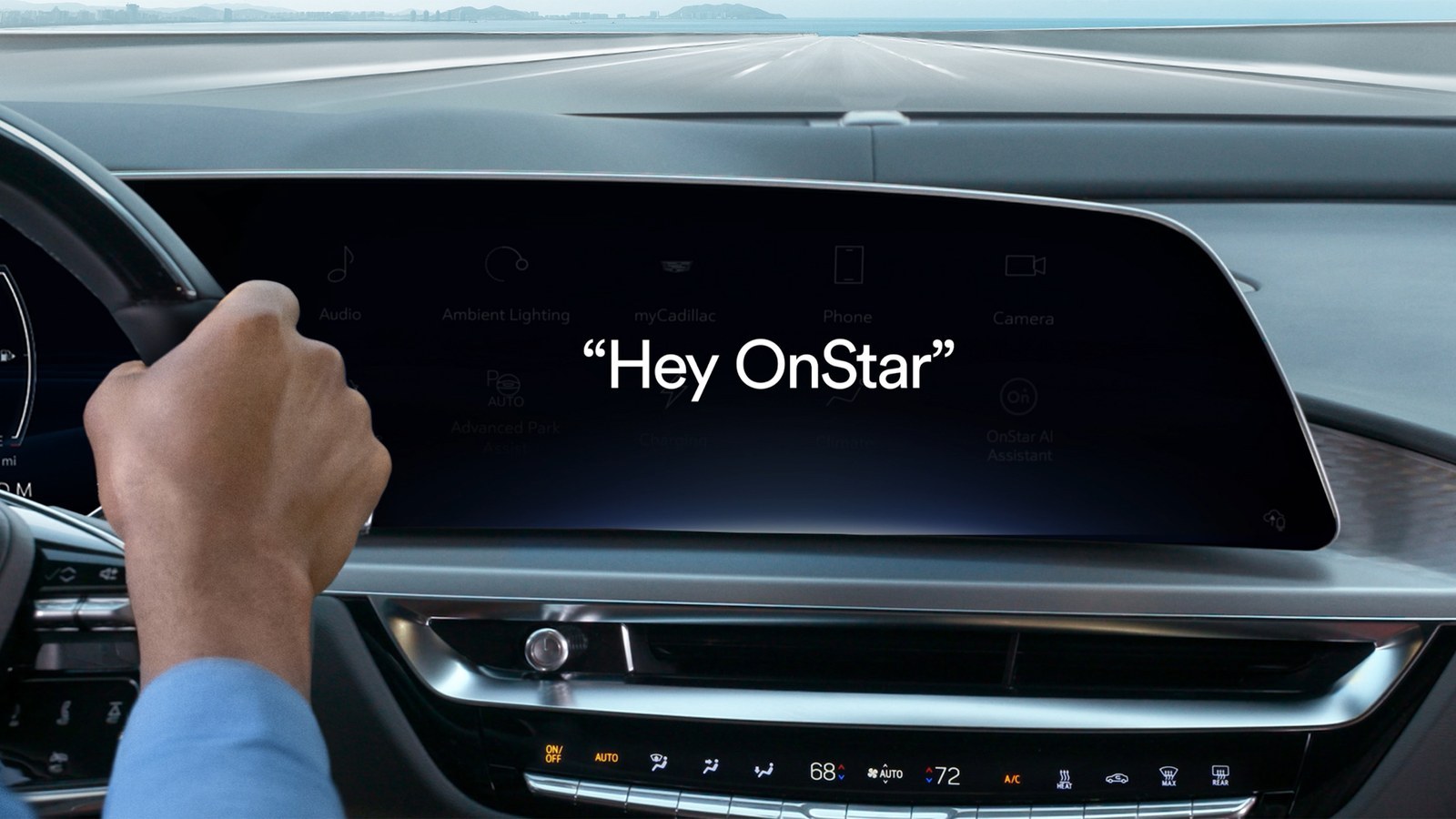
The timing is awkward. Earlier this month GM unveiled an AI assistant for OnStar and plans to fold its brand apps into a single OnStar app, both built on connected-vehicle data. GM says owners will control what they share, though those who opt out may lose some features.
States that sued GM on their own, including Texas, Indiana, Nebraska and Arkansas, aren't part of this coalition. For owners everywhere, the practical step is unchanged: check what your car's app is sharing and how to switch it off.