Honda Recalls 810,592 Cars for a Takata Inflator Type It Hadn't Recalled Before
The 2012–2013 Civic and CR-V, 2013 Accord, and 2013 Acura ILX and RDX are covered, but only cars sold or registered in 14 hot, humid states and territories.
Honda is recalling 810,592 Honda and Acura vehicles in the U.S. to replace Takata airbag inflators, and this time the parts are a type that earlier Takata recalls left alone. These inflators contain a desiccant, the moisture-absorbing drying agent that was meant to keep the propellant from breaking down.
It is the second large Takata action this month, after Toyota's recall of 314,000 Toyota and Lexus vehicles. Honda calls its move preventative and says it has no reports of ruptures, injuries, or deaths involving the newly recalled inflators.
Which Honda and Acura models are affected
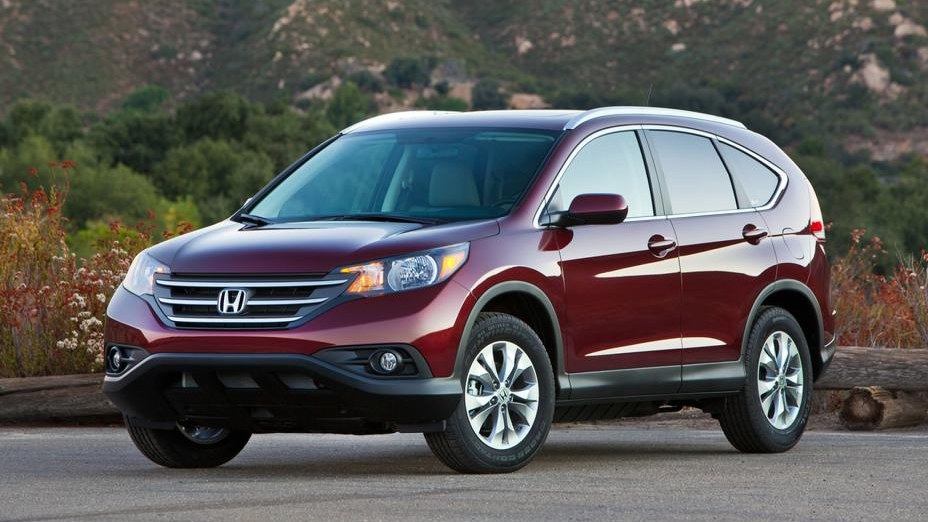
Honda's November 20 statement and NHTSA campaign 26V765 list five model lines:
- 2012–2013 Honda Civic
- 2012–2013 Honda CR-V
- 2013 Honda Accord
- 2013 Acura ILX
- 2013 Acura RDX
Not every one of those cars is included. Honda limits the recall to vehicles originally sold or ever registered in 14 hot, humid states and territories: Alabama, California, Florida, Georgia, Hawaii, Louisiana, Mississippi, South Carolina, Texas, Puerto Rico, the U.S. Virgin Islands, Guam, American Samoa, and the Northern Mariana Islands. A car that spent a few years in Florida before moving north still counts.
Depending on the vehicle, dealers will replace the driver's front inflator, the passenger's, or both. The NHTSA filing says the propellant can degrade after long exposure to high humidity and wide temperature swings. If that happens, the inflator can rupture when the airbag deploys and throw metal fragments into the cabin.
What owners should do
Honda says owners can check a VIN now at recalls.honda.com or recalls.acura.com, or call 888-234-2138. NHTSA says the VINs become searchable on its own site starting November 22. The repair is free.
The timing is less simple than "book an appointment." According to the NHTSA filing, interim letters explaining the risk go out around December 18, and a second letter will follow once the final remedy is available. In other words, parts may not be ready when the first letter arrives. Honda hasn't given a date for that second step.
NHTSA has not attached a park-outside or do-not-drive warning to this campaign. Cars this old have often changed hands several times, which is where recall letters tend to get lost. That gap is the target of NHTSA's new push on unrepaired recalls.
Why this Takata recall is different
Ruptured Takata inflators have killed at least 28 people in the U.S. and injured more than 400, and about 67 million inflators have been recalled here. Reuters reports that every one of those deaths involved an inflator without a drying agent, and that at least 20 happened in Honda vehicles.
Desiccated inflators were treated as the safer design. In 2020, NHTSA decided not to order a recall of roughly 56 million of them and said it would keep watching how they aged. The one exception was Volkswagen, which agreed to recall certain Beetle and Passat models.
Honda says its own long-term monitoring of inflators in cars already on the road is what prompted this recall. The analysis found possible propellant degradation in certain inflators in specific regions, which explains the 14-location limit.
Honda was Takata's largest customer. In 2019, the company said its required Takata recalls would total 22.6 million inflators in about 12.9 million U.S. vehicles, according to the Associated Press. The new campaign comes on top of that, and it lands in the same month as Honda's 635,000-vehicle power steering recall.
Honda hasn't said how many desiccated Takata inflators remain in its other models, or in the same models outside those 14 states and territories, or whether it expects the recall to grow.