Honda Recalls 16,387 S2000 Roadsters to Hunt Down 67 Bad Fuel Joints
A manufacturing fault in up to 67 replacement fuel flange joints means every 2004–2005 S2000 in the U.S. gets inspected; letters go out January 4.
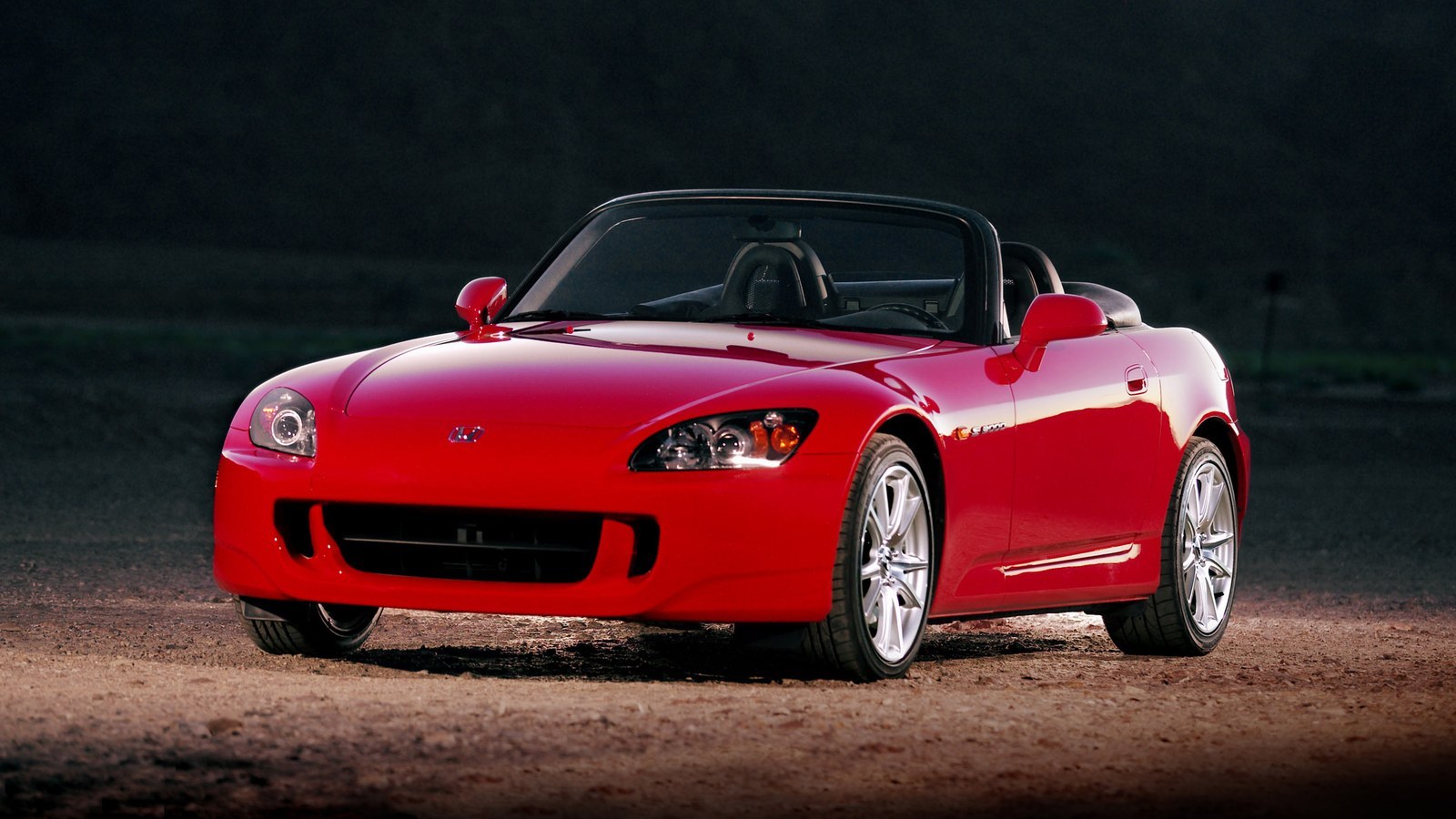
Honda is recalling 16,387 S2000 roadsters from the 2004 and 2005 model years in the U.S. because a replacement fuel flange joint fitted to some of them may have left the factory without brazing material. If the press-fit connection works loose, fuel can leak, pressure can drop, and the engine can stall or refuse to restart.
The scale is lopsided on purpose. Honda says no more than 67 of the suspect joints were ever produced, but it has no way to tell which cars received one, so every 2004–2005 S2000 still on the road gets a letter. It is a familiar pattern this month: Toyota is pulling back some 314,000 vehicles over Takata inflators, as we covered in our Toyota and Lexus recall report, and Honda itself filed a separate 810,592-vehicle Takata campaign on November 19.
According to the filing with the National Highway Traffic Safety Administration, campaign 26V749, the defect is a manufacturing fault in the joint-to-flange connection. Honda's own notice adds that, as of November 12, it had logged no warranty claims and no reports of injuries or deaths tied to the issue in the U.S.
What owners need to do
Dealers will inspect the fuel flange joint and replace it only where necessary, at no charge. Honda expects owner letters to go out on January 4, 2027; VIN lookups on NHTSA.gov went live on November 20. Honda's internal code for the campaign is LQD, and owners can check recalls.honda.com or call (888) 234-2138 in the meantime.
For a two-decade-old sports car, the recall is a rarity. NHTSA's database lists no previous campaigns for the 2004 and 2005 S2000, and the earlier recalls on 2000 model-year cars dealt with seat-belt hardware and taillights rather than the drivetrain. The 2004 model year is also the one that brought the 2.2-liter engine and an 8,000-rpm redline to the U.S. car, so these are the early AP2-generation roadsters that collectors tend to favor.
That matters for how the fix plays out. Many of these cars are second- or third-owner enthusiast vehicles that are driven sparingly and not always registered at the address Honda has on file, which is why the company is pushing the VIN tool rather than waiting for the January mailing. If the inspection finds a properly brazed joint, the visit should be short; if not, the part is swapped and the fuel system rechecked.
Honda's recall load this fall is heavy for other reasons, too. The company recently addressed a 635,000-vehicle steering-software recall and is now fielding a federal investigation into auto start/stop failures on about a million newer models, detailed in our report on the NHTSA probe. Against that backdrop, 67 fuel joints is a footnote, but one that S2000 owners will want to close out before spring driving season.
Honda has not said where the faulty joints were produced or during what period the replacement parts were supplied.