Hyundai Spins Up a 'Data Flywheel' to Catch Tesla and GM in Self-Driving
Hyundai Motor Group says its autonomous driving "data flywheel" is now fully operational, with NVIDIA-based Level 2+ cars due in 2028 and its in-house Atria AI following in 2029.
Hyundai Motor Group says the "data flywheel" behind its autonomous driving program is now running at full capacity — and it has attached firm dates to the rollout. Production cars using NVIDIA-based Level 2+ systems are due in the first half of 2028, with vehicles running the group's in-house Atria AI following in late 2029.
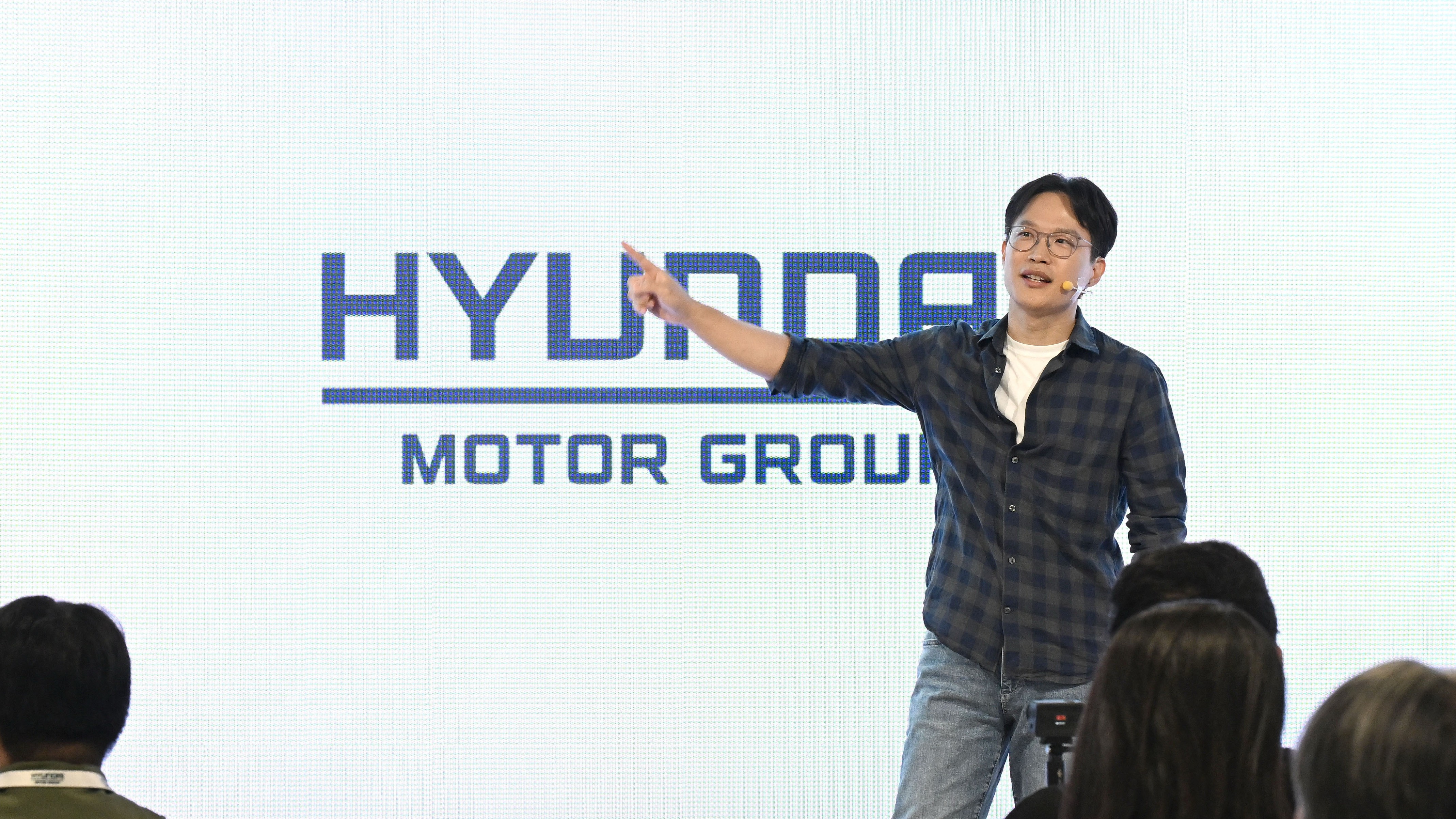
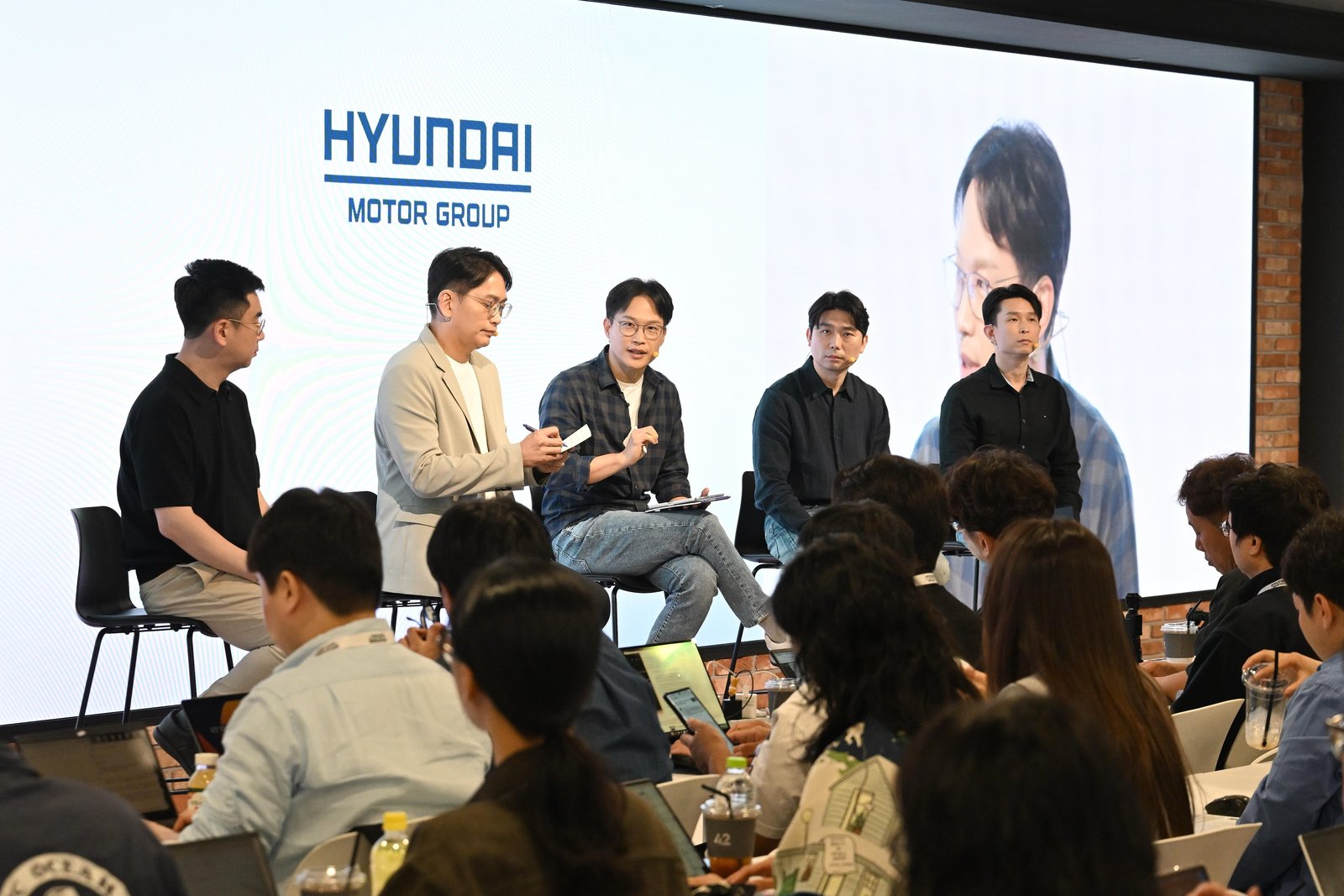
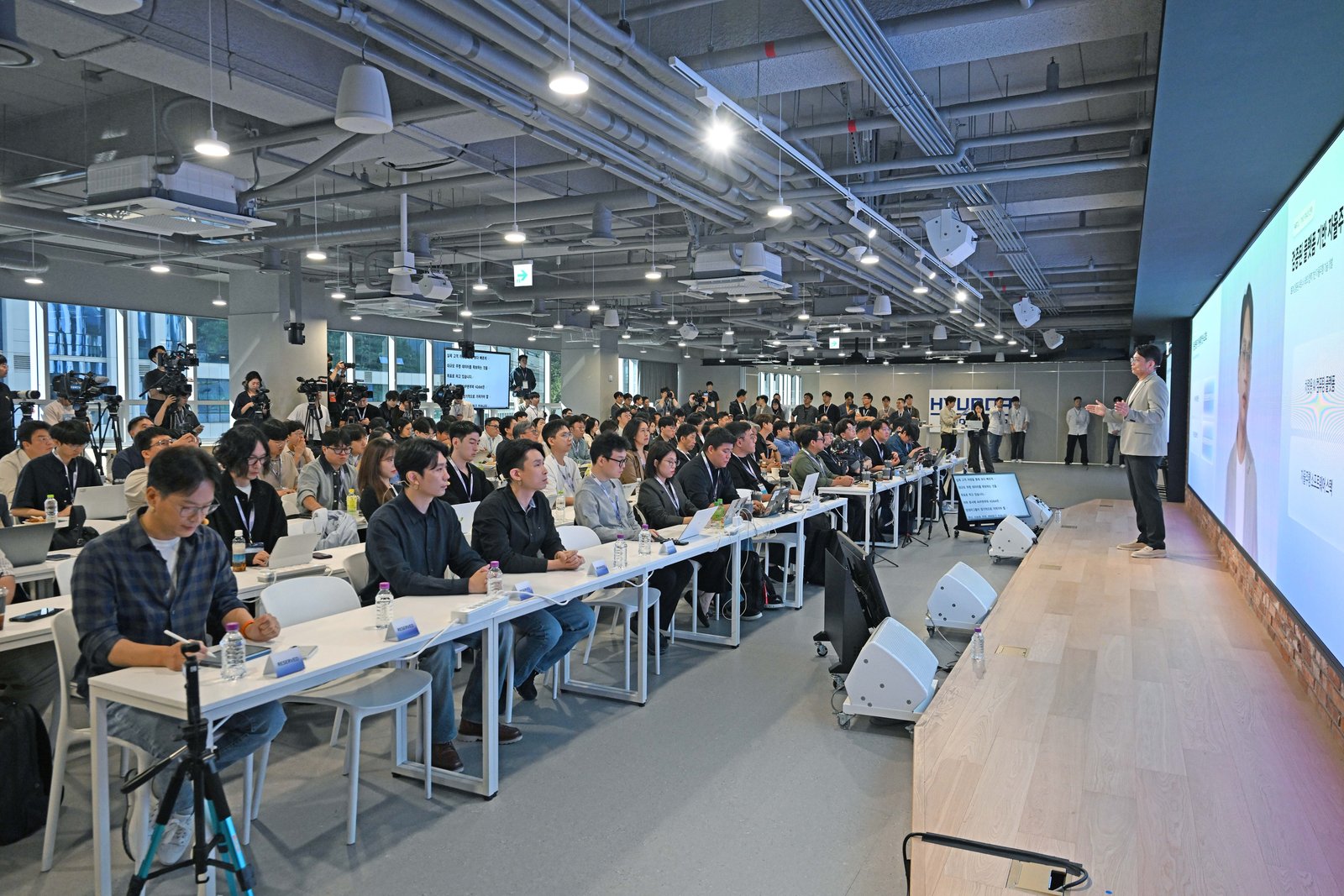
The announcement came at the group's Autonomous Driving Media Day, held at the Gyeonggi Province headquarters of its software subsidiary 42dot, where executives walked through the roadmap and showed what the company calls Level 2++ technology for the first time.
Two Tracks, Three Dates
The plan builds on the expanded NVIDIA partnership Hyundai and Kia announced at GTC in March. On the first track, the group integrates NVIDIA's vehicle AI computing platform and driving software into its software-defined vehicle architecture: Level 2+ production cars in the first half of 2028, followed by a Level 2++ model in the second half of that year. Sensor hardware across Hyundai, Kia, 42dot, and robotaxi joint venture Motional will progressively standardize around NVIDIA's DRIVE Hyperion 10 platform.
The second track is Atria AI, an end-to-end autonomous driving system developed jointly by 42dot and the group's Advanced Vehicle Platform division. Atria-powered Level 2++ production vehicles are targeted for the second half of 2029.
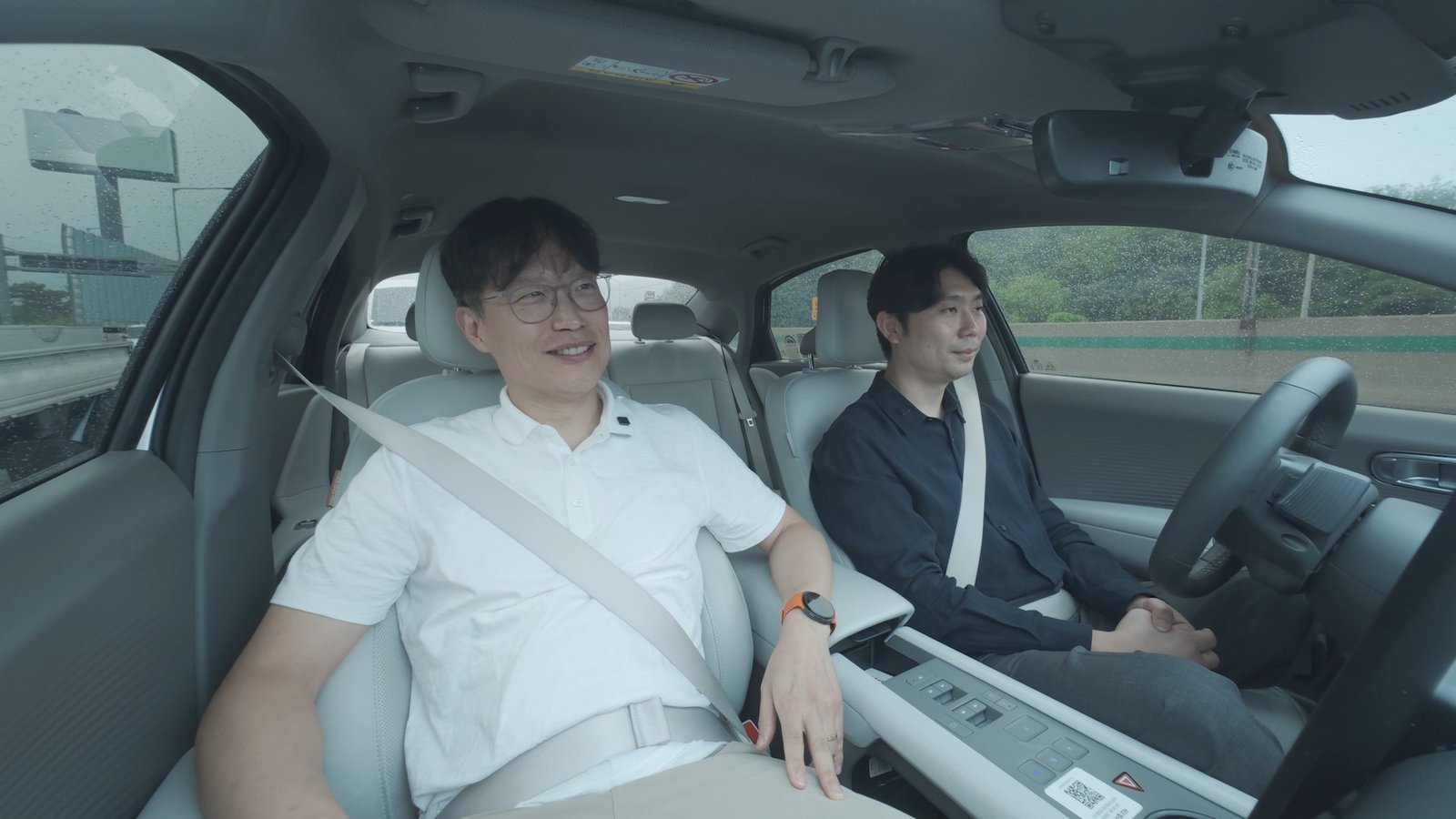
Worth flagging: Level 2++ is Hyundai's own label, not an SAE category — the industry's J3016 scale jumps straight from Level 2 to Level 3. The company uses it for supervised systems capable of complex urban driving. Newly released footage shows an Atria-equipped test car navigating Seoul traffic without driver intervention, though the driver remains responsible throughout.
What the Flywheel Actually Does
The flywheel itself is a closed loop: data collected from vehicles trains and validates AI models, and improved models go back into cars to generate new data. Hyundai's argument is scale — the group sells more than 7 million vehicles a year across roughly 190 countries and currently runs about 40 dedicated data-collection cars around the clock.
On top of that sit the techniques the group has been folding in since earlier this year: hard example mining to prioritize edge cases for training, a continuous training pipeline, and virtual validation that rebuilds real driving data into 3D environments using techniques such as Gaussian splatting to rerun scenarios too risky to stage on real roads. Development runs on a follow-the-sun model between teams in South Korea and the U.S., and a Data Union framework puts data from Hyundai, Kia, 42dot, and Motional under common standards.
Feeding the loop from the top end, an Atria-equipped Level 4 pilot fleet is set to deploy in Gwangju by the end of the year in partnership with South Korea's transport ministry. Separately, 42dot is developing Vision-Language-Action models — systems that add language-based reasoning to driving decisions — with real-vehicle testing planned from late 2026 into early 2027.
A Measured Timeline in a Loud Field
Against its rivals, Hyundai's schedule reads as deliberately conservative. GM has promised eyes-off highway driving on the 2028 Cadillac Escalade IQ — a step beyond anything Hyundai is committing to for the same year. Tesla, meanwhile, runs a small unsupervised robotaxi fleet in Texas, and Elon Musk has repeatedly claimed unsupervised consumer FSD is imminent. Hyundai's counterargument is that the race is about learning speed, not feature claims.
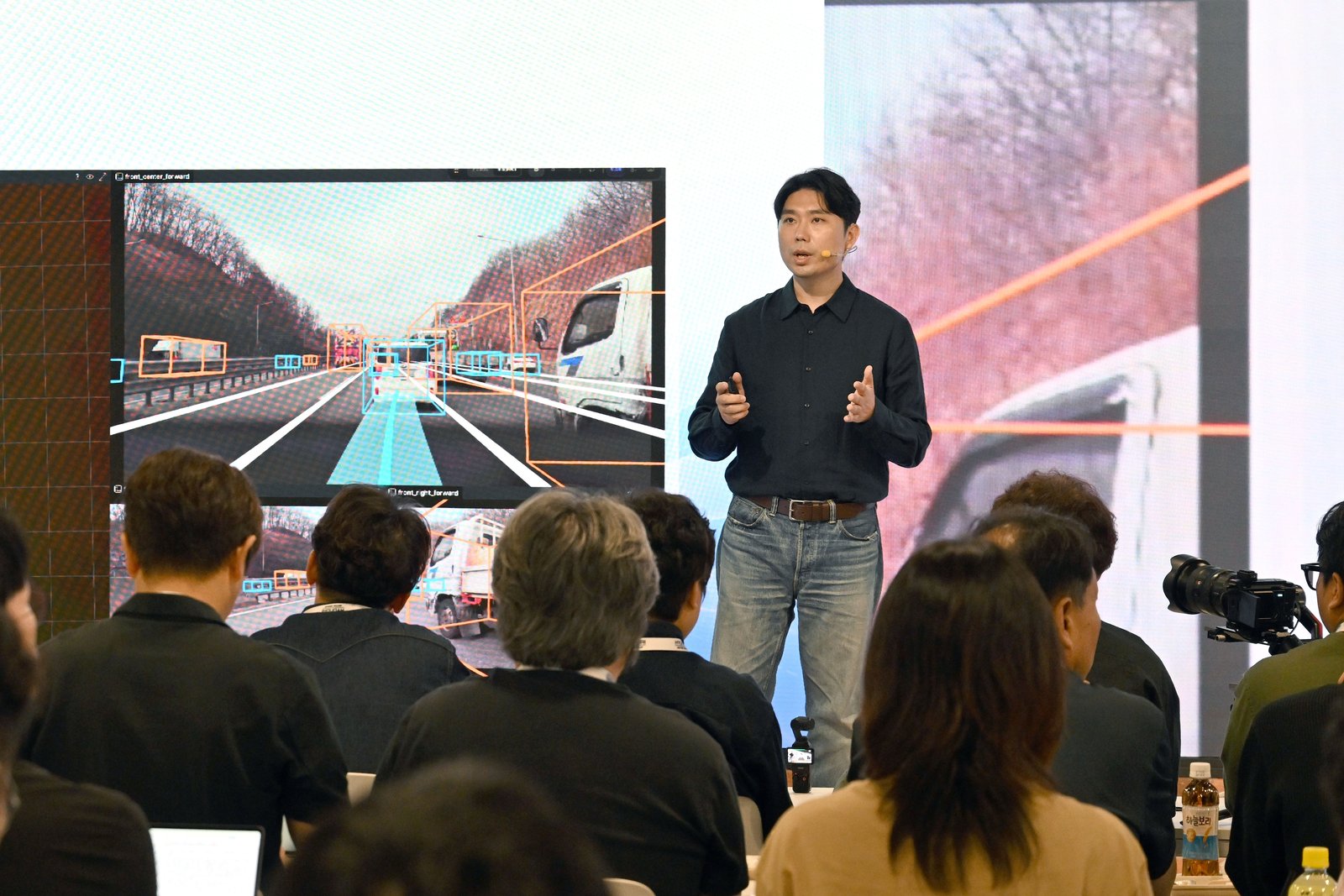
"Development speed and safety are not conflicting values. The more exceptional situations we discover and learn from, the safer autonomous driving becomes," said Minwoo Park, president of Hyundai Motor Group's AVP division and CEO of 42dot.
The group hasn't said which models or markets will get the 2028 systems first. In the meantime, the new Atria AI footage — an executive ride-along through Seoul, three unedited urban drives, and an edge-case reel — is live on Hyundai Motor Group's YouTube channel.