Hyundai Recalls 37,901 Kona Electric and Veloster N Over Airbags That May Not Deploy
A software error in the ZF-built airbag control unit can shut down airbags and belt pretensioners. The fix is a free dealer update; owner letters go out January 1.
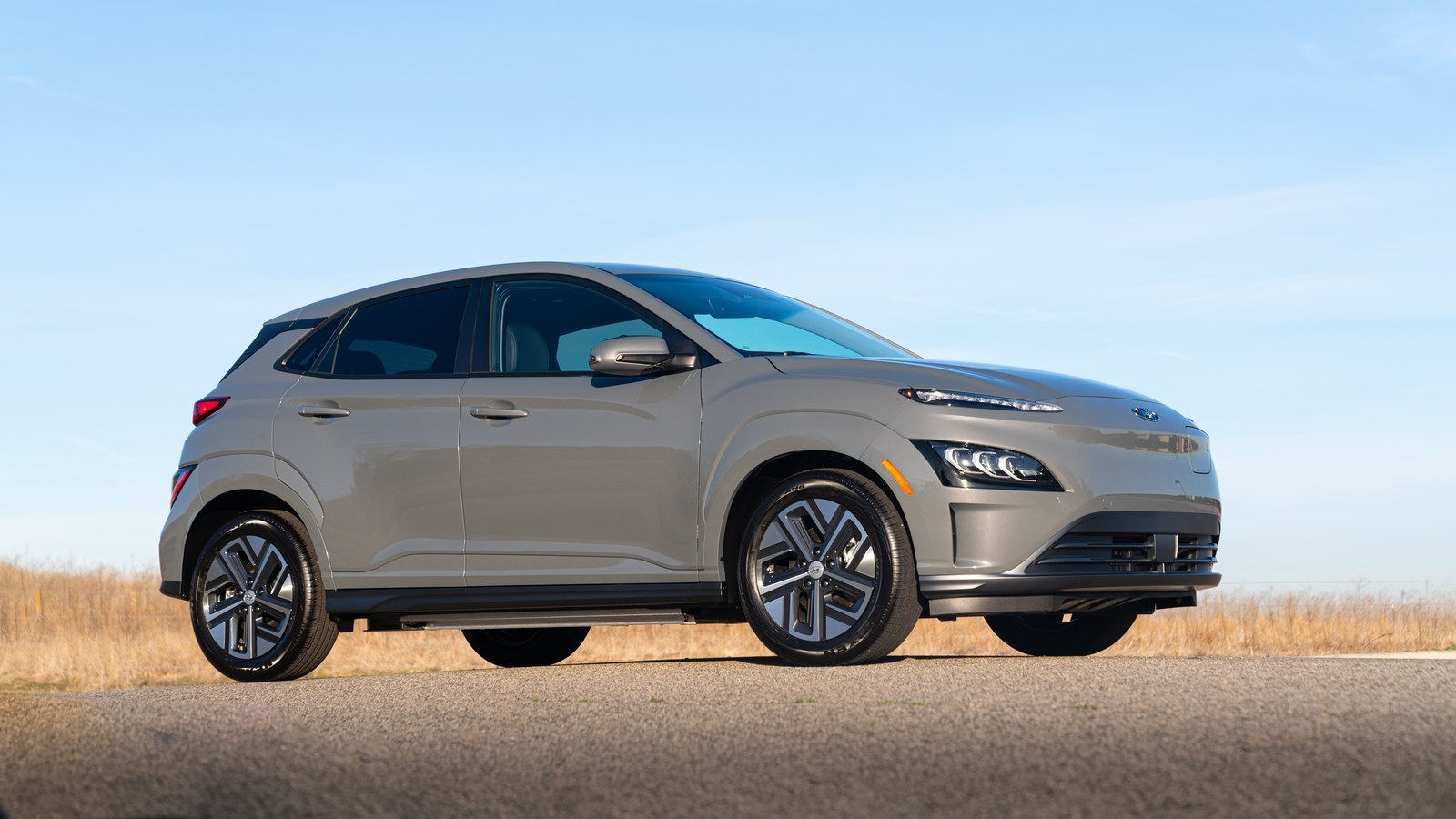
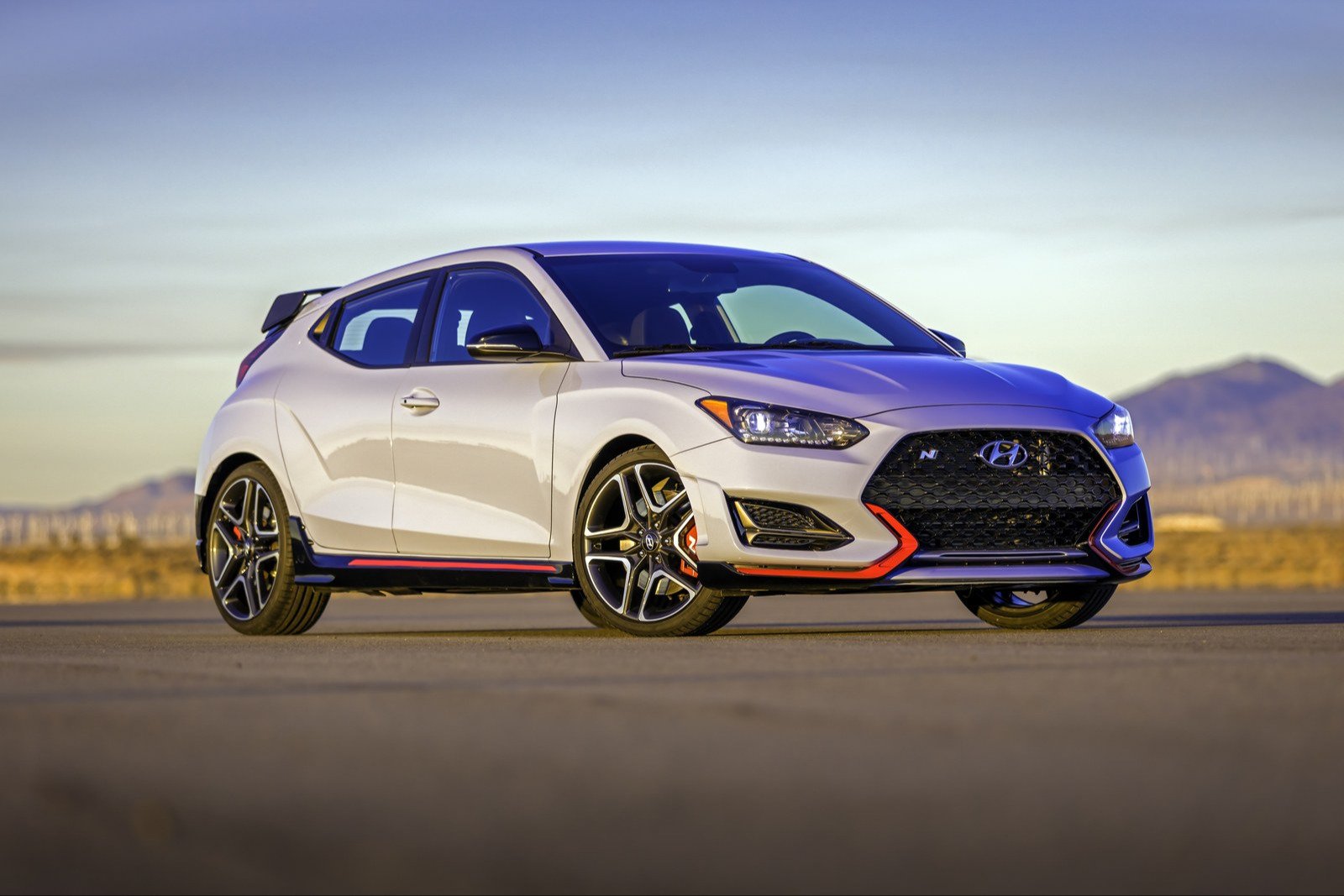
Hyundai is recalling 37,901 cars in the U.S. because a software bug in the airbag control unit can quietly switch the airbags off. The campaign covers the 2019–2023 Kona Electric and the 2019–2022 Veloster N, two models Hyundai no longer builds, and the fix is a dealer software update that owners won't be formally invited to book until January.
The filing with the National Highway Traffic Safety Administration, campaign 26V728, splits the population into 29,058 Kona Electrics built between August 2018 and July 2023 and 8,843 Veloster Ns built between September 2018 and August 2022. Hyundai estimates about 1 percent of them actually carry the fault. That sounds small until you read why a recall's headline number tells you so little; what matters here is what the fault does.
A reboot at the wrong moment
The airbag control unit, supplied by ZF, reads the crash sensors and decides when to fire the airbags and the seat belt pretensioners. According to Hyundai's report, if the unit reboots or loses power while it is writing to its own memory, the stored data can be corrupted. The unit then lights the airbag warning lamp and shuts the whole system down. In a crash, neither the airbags nor the pretensioners would fire.
That makes the warning lamp the only signal an owner gets. Hyundai counts 331 unique U.S. reports of the condition between October 2019 and September 2026, with no crashes, fires, or injuries tied to it. The issue has nothing to do with the Kona Electric's battery or high-voltage system; it is a line of code in a restraint module that both cars happen to share.
Two years to pin it down
Hyundai's North America Safety Office opened the investigation on August 19, 2024, after warranty claims for the airbag lamp started climbing. Five control units were pulled from customer cars and sent to ZF that fall. Electrical stress tests ran through the summer of 2025, and vehicle-level replication took from September 2025 to August 2026. ZF never managed to reproduce the fault in a car, only on the bench, which is why the chronology stretches across more than two years before the recall decision on October 22, 2026.
One line in the filing is worth watching. On September 18, Hyundai told its safety office that other vehicles may run the same ACU driver software, and the review was widened. The current recall names only the two models, but the company hasn't said which other applications were examined or cleared.
What owners should do now
The remedy is a free ACU software update at a Hyundai dealer, delivered through the diagnostic port rather than over the air, and it applies whether or not the car is still under warranty. Owners who already paid to have the unit repaired or replaced can claim reimbursement under a plan Hyundai filed with NHTSA in March. Dealers and owners are both scheduled to be notified on January 1, 2027; Hyundai's internal number for the campaign is 311, and its customer line is 1-855-371-9460.
Affected VINs became searchable on NHTSA's site on November 6, so there is no reason to wait for the letter to find out whether your car is included. Hyundai hasn't said whether dealers will have the software before the January mailing, and the filing covers the U.S. only; the company hasn't addressed Canadian or Korean cars.
It is Hyundai's third notable recall on our pages this fall, after the Ioniq 9's power rear seats and the Genesis G80 seat-switch fire risk, though this one differs in kind: no hardware is replaced, and the risk only shows up in the one event the system exists for. For a reminder of how a hardware airbag recall plays out, see what Ford asked Bronco owners to do in September.