Does a Touchscreen Joystick Count as a Steering Wheel? Regulators Are Now Asking
A rider's video put a touchscreen joystick on the record, and Tesla's own responder plan confirms the mode exists. The open question is whether it counts as a manual control under federal rules.
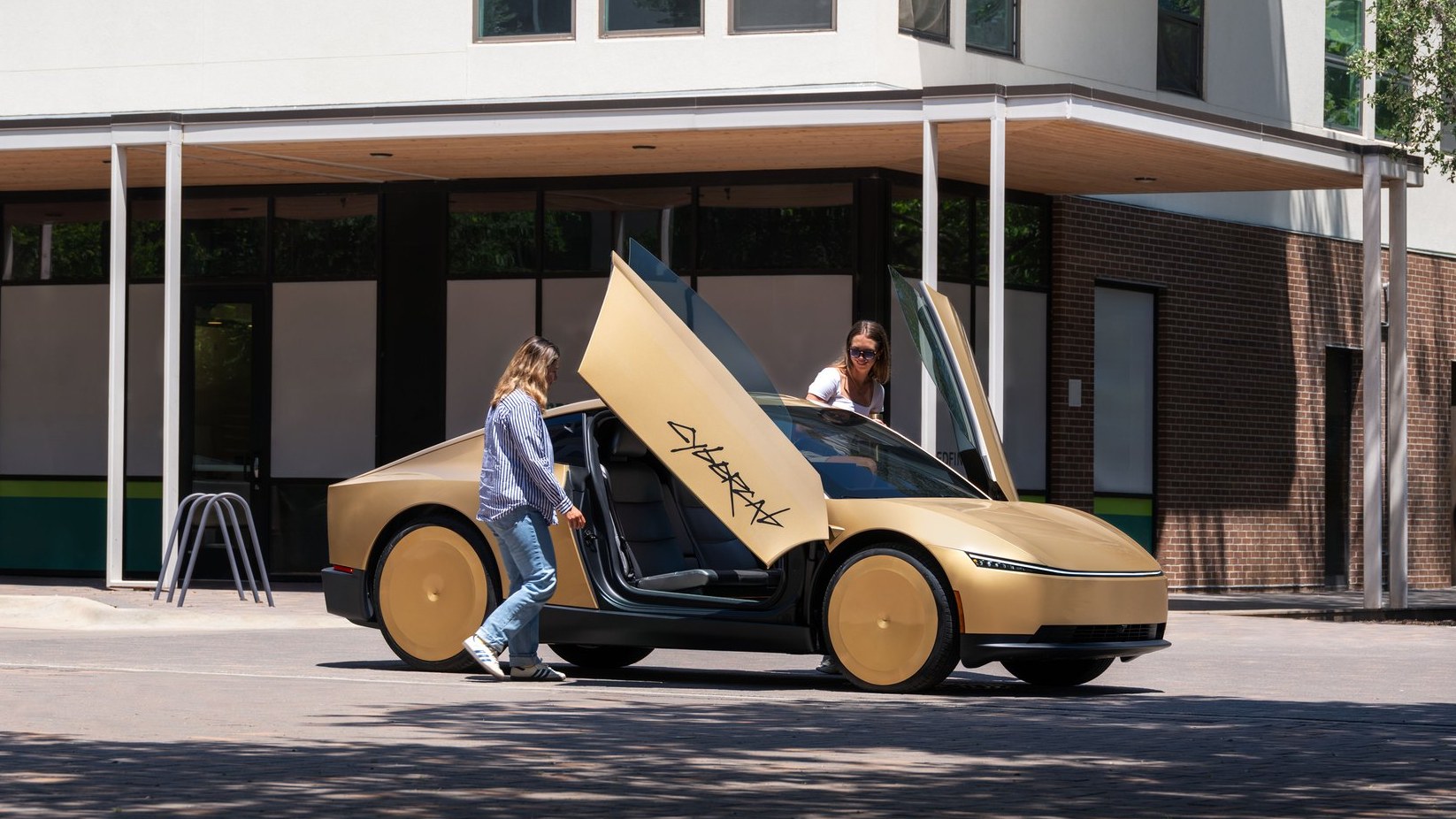
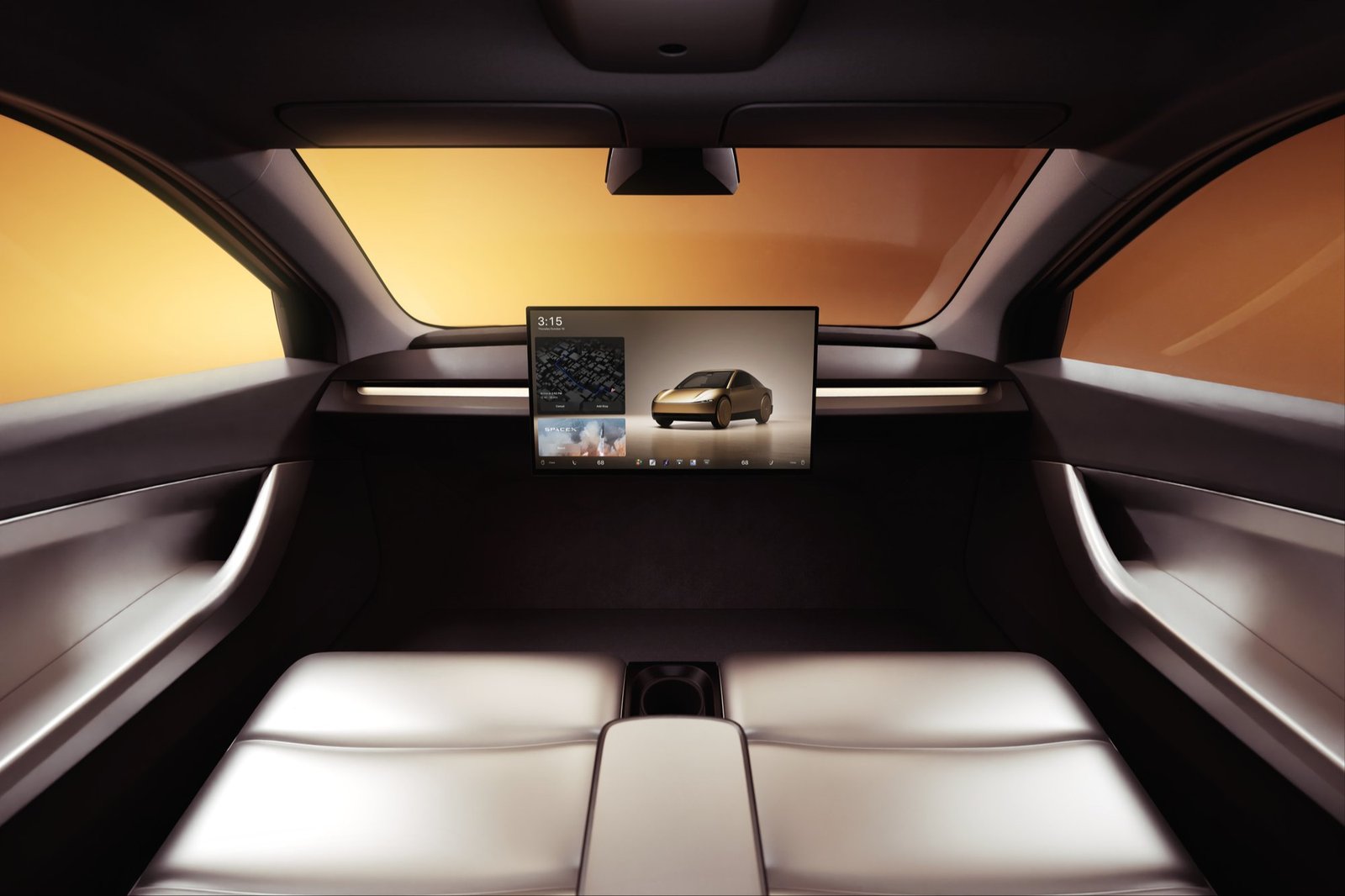
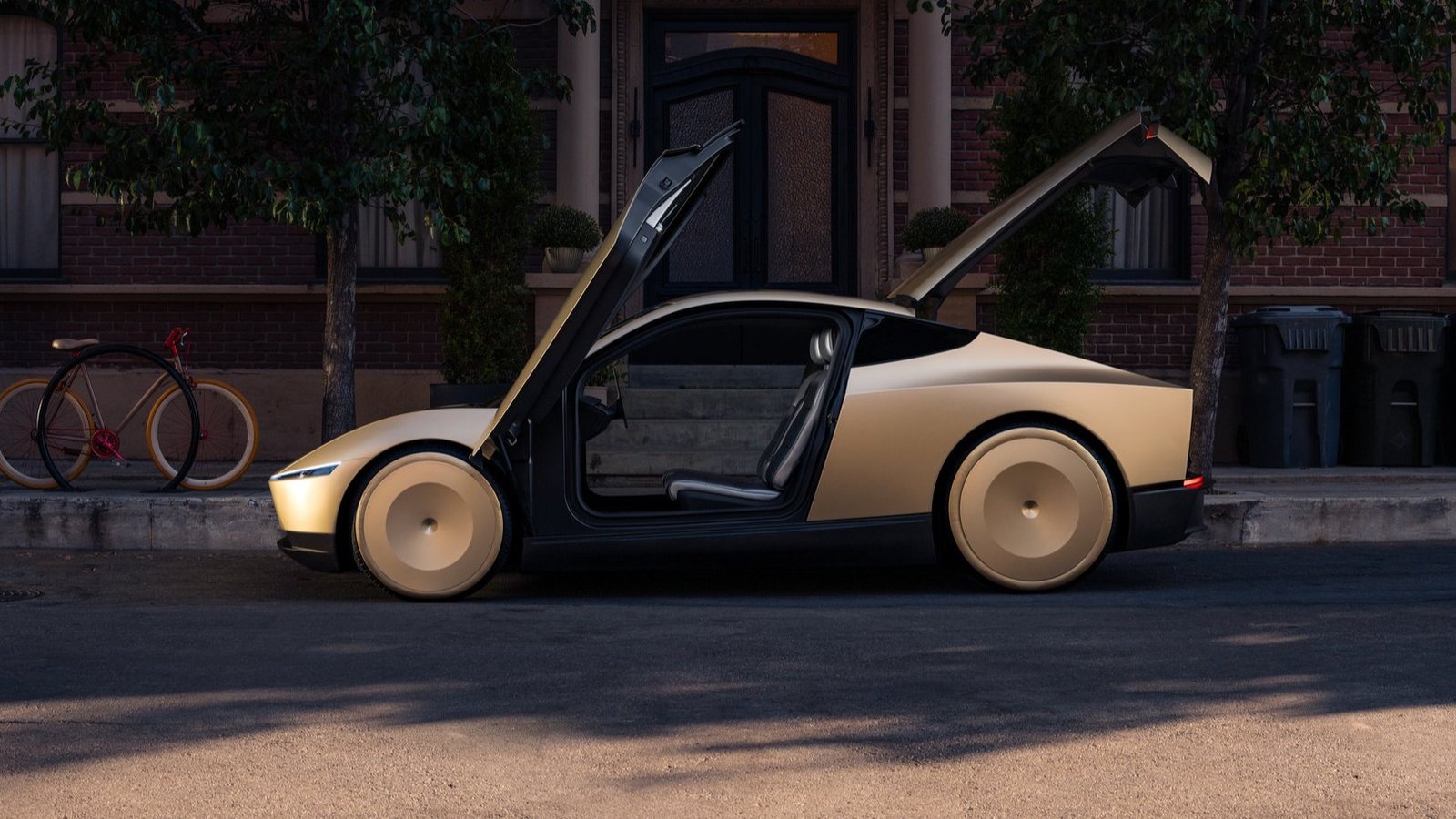
On September 7, a rider in Austin climbed into a Tesla Cybercab and found the touchscreen showing something no passenger is meant to use: a virtual joystick, a brake button, a horn, door controls, and a live camera feed. He tried to drive. The car didn't move. Four days earlier, federal regulators had opened an audit into how Tesla certified a vehicle that, in NHTSA's words, lacks "permanently attached, conventional manual controls."
The joystick is not a secret. But it sharpens the question NHTSA is already asking, and the answer matters to riders in Austin, would-be buyers, and every fire crew that may have to move one.
What the rider saw
Matthew Skrzypczak posted the clip to X on September 7, writing that he had "a feeling I wasn't supposed to see this," as Electrek reported. The screen was split: driving controls on the left, a surround-camera view on the right, with the side cameras apparently frozen on a frame from a Supercharger stall. A second rider posted a similar screen the same day, according to InsideEVs. Neither could make the car move. The likeliest explanation, and it is only that, is a depot service mode that wasn't switched off before the car went back out for hire. Tesla has not explained what the mode is, who can use it, or why it reached a paying passenger.
What Tesla's own documents say
Reports have disagreed on whether Tesla ever disclosed manual controls; both sides are half right. Tesla's Cybercab First Responder Interaction Plan, version 1.2, dated September 3 and on file with the Texas Department of Public Safety, states that an operable Cybercab "can be manually moved with onboard vehicle controls." Access is gated: responders must be in uniform, contact Tesla support, and show a badge to the B-pillar camera before a representative unlocks the controls.
What the plan does not do is describe the interface. The word "joystick" appears nowhere, there is no speed figure, and the mode is limited to moving the car a very short distance to clear a roadway. So the manual mode is documented and gated for emergency crews; the joystick screen, its limits, and how it reached a passenger are not.
The plan also notes that some test vehicles carry a steer-by-wire wheel and pedals, which is the fallback chair Robyn Denholm described last October: if regulators require it, "it can have a steering wheel and pedals."
Why NHTSA cares
NHTSA's Office of Defects Investigation opened Audit Query AQ26002 on September 3, the day paid rides began. It covers an estimated 1,000 vehicles, was prompted by public information, and asks a narrow question: what process and data Tesla relied on to certify the Cybercab as meeting all applicable Federal Motor Vehicle Safety Standards, and how far that depended on deciding certain standards don't apply to a car without a wheel. It is not a defect probe, not a recall, and not a finding that the Cybercab is unsafe; the service keeps running. Administrator Jonathan Morrison put it this way in the agency's announcement: "we need to ensure that all of our laws are followed."
The standards assume a human driver with a wheel, pedals, and mirrors within reach. Tesla self-certified under them rather than applying for a Part 555 exemption, the route Zoox took: NHTSA granted Zoox's on July 31, capped at 2,500 vehicles a year for two years. Self-certification avoids the cap. It also invites the agency to check the work afterward, which is what happened to Zoox when it tried the same thing in 2022.
A software joystick cuts both ways. If the car has a manual control, do the standards that assume one now apply, and can a touchscreen meet them? If it doesn't count, the audit proceeds on Tesla's original premise. NHTSA has said nothing about virtual controls, and nothing in the public filing hints at which way it leans.
What it means if you ride one
- The audit does not pause rides; Tesla told NHTSA it plans to add vehicles and locations.
- If you see the joystick screen, it is a service mode, not a hidden feature. Both riders who found it couldn't move the car. Don't try; touch Support, which the plan confirms opens a two-way call with Tesla, and report it.
- If a Cybercab stalls, the people who can move it are Tesla's remote staff or badge-verified responders. Austin Fire Department Capt. Matthew McElearney told NBC News his crews were trained on the touchscreen but he doesn't know how well it will work in the field, since it needs power, is speed-limited, and takes finesse. His conclusion: "We need the feds to step up to the plate on this."
Our guide to riding a Cybercab in Austin covers the zone, fares, and age rules. Our Cybercab vs. Waymo comparison covers how the two services differ.
What it means if you want to buy one
Retail sales are not open, and the roughly $30,000 figure is something Musk has said, not a price. Watch AQ26002: if the certification doesn't hold, the outcomes run from a paperwork fix to a recall, a Part 555 exemption with its volume cap, or the wheel and pedals Denholm has floated. Each changes what a privately owned Cybercab would be.
What we don't know
- Tesla has not commented on the joystick, the badge procedure, who can enable the mode, or how a passenger's car ended up in it.
- Whether NHTSA treats a virtual control as a manual control for FMVSS purposes.
- How long AQ26002 will run. Audit queries carry no deadline, and Zoox's scrutiny stretched over years.
What's next
Three things would move this story: a comment from Tesla, any information request or closing resume from ODI on AQ26002, and the rulemakings NHTSA announced on July 30 to rewrite the standards on controls, lighting, and mirrors so purpose-built robotaxis stop needing exemptions. Until one lands, the Cybercab is a car with no wheel, a documented emergency joystick, and an open federal file on whether those two facts fit together.