Tesla Cybercab vs. Waymo: Which Robotaxi Should You Actually Hail?
Tesla's two-seat Cybercab is live in exactly one city; Waymo runs in 14. We line up fares, wait times, age rules, and sensors so you know which app to open.
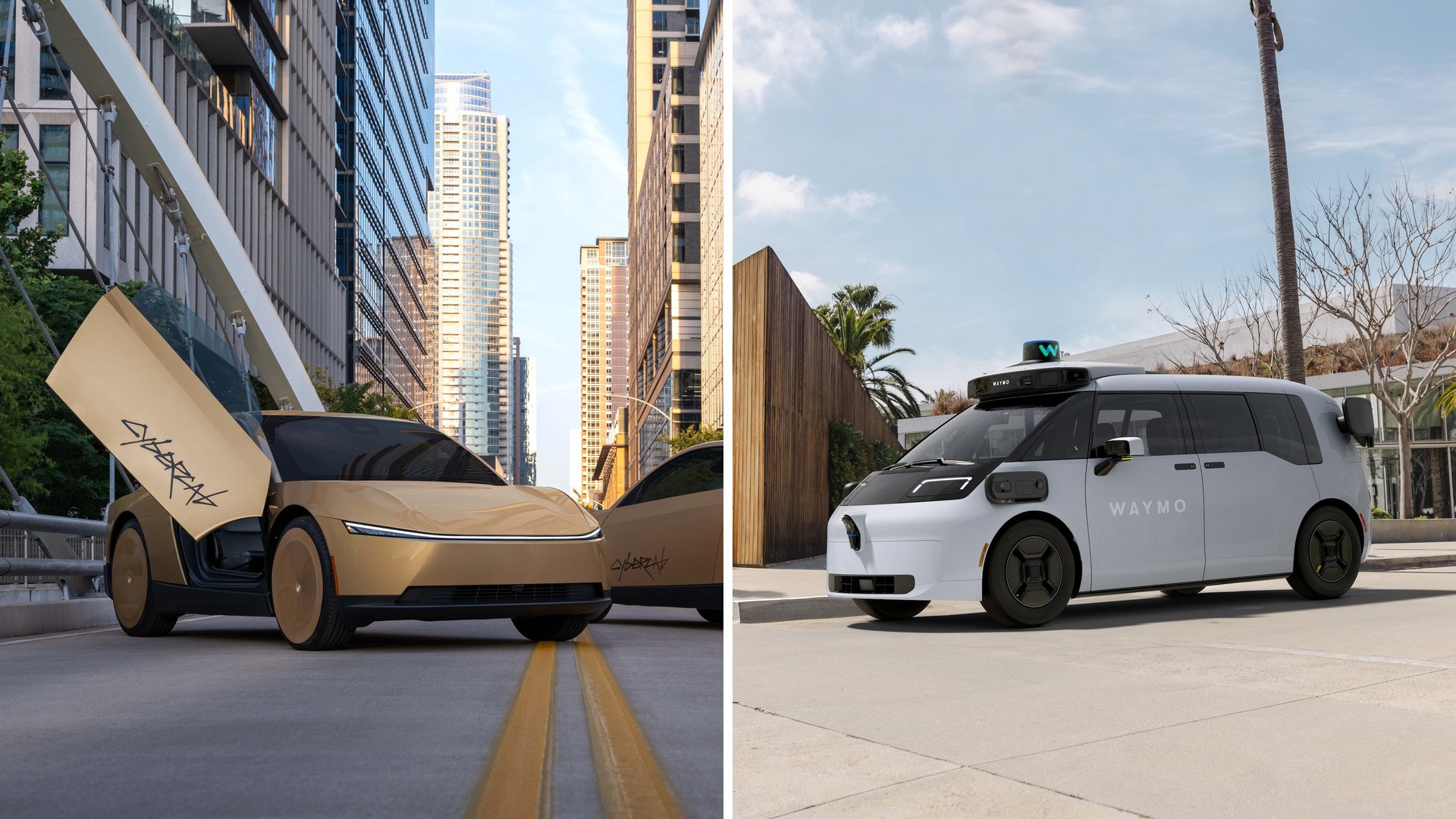
Open the Tesla Robotaxi app in Austin this weekend and you can summon a gold two-seater with no steering wheel. Open Uber in the same city and a Waymo may pull up instead. For the first time, riders in one U.S. city can pick between the two companies' driverless cars, and the choice has less to do with technology than with where you are, how long you can wait, and who is riding with you.
The short version: in 13 of Waymo's 14 cities, Waymo is the only robotaxi you can hail, because the Cybercab exists in Austin and nowhere else. Inside Austin, the Cybercab is the novelty with the longer wait, and Waymo is the established option you book through Uber. The table lines up what matters before you tap "request."
| Criterion | Tesla Cybercab | Waymo |
|---|---|---|
| Where you can hail it | Austin only, in what Tesla calls "limited areas." Tesla's Model Y Robotaxi also runs in Dallas, Houston, Miami, Orlando, and Tampa. | 14 cities: Phoenix, the San Francisco Bay Area, Los Angeles, Austin, Atlanta, Dallas, Houston, Miami, Nashville, Orlando, San Antonio, Denver, San Diego, and Tampa. |
| Vehicle | Purpose-built two-seater; no steering wheel, no pedals, no mirrors. | Zeekr-built Ojai minivan and Jaguar I-Pace; conventional controls stay in the car. |
| Manual override | A virtual joystick in a service screen, with brake, horn, and door controls; a rider who stumbled into it on Sept. 7 could not make the car move. Tesla has not described the mode publicly or said who is authorized to use it. | Steering wheel and pedals remain in the car, so a crew member can drive it out of the way like any other vehicle. |
| Passenger seats | 2 | Up to 4 |
| Cargo | 20.2 cubic feet; two checked bags plus two carry-ons, per Tesla. | Hatchback trunk (I-Pace) or minivan cargo area (Ojai). |
| Sensors | Cameras only. | 13 cameras, 4 lidar units, 6 radars on the Ojai. |
| Sample fare | $12.15 for a 2.5-mile ride on South Congress on Sept. 4 (Austin American-Statesman snapshot). Rider receipts collected by Not a Tesla App show a Cybercab trip at $7.77 versus $12.10 in a Model Y. | No public rate card; fares are set dynamically in the app. In Austin the quote comes from Uber, which priced a human-driven EV on the same route at $7.96. |
| Sample wait | 40 to 50 minutes at 2 p.m. on Sept. 4, more than an hour by 4 p.m. (Statesman). | Waymo does not publish wait data; Uber's human-driven quote on that route was under 10 minutes. |
| Age rules | Adults only for solo rides; riders 13 to 17 may ride with an adult; under 13 not allowed at all, per Tesla's FAQ. | 18 to ride alone; teens 14 to 17 solo only with a parent-linked account, and only in metro Phoenix. Children of any age may ride with an adult. |
| App | Tesla Robotaxi app; Tesla says the car is assigned by availability and party size, though riders report a Cybercab-or-Model Y choice in the app. | Waymo app in most cities; Uber in Austin and Atlanta; either Lyft or the Waymo app in Nashville. |
| Fleet | 49 Cybercabs registered for driverless operation in Texas as of Sept. 8, up from about 45 at launch (Texas DMV records), out of 420 Tesla vehicles registered statewide. Nationally, roughly 200 Teslas across six cities carry an "unsupervised" designation (Robotaxi Tracker, via CNBC). Registration is a legal prerequisite, not proof a car is taking rides. | More than 4,000 vehicles, about 300 of them Ojais (Waymo and TechCrunch, Sept. 1). |
| Driverless miles claimed | 1 million unsupervised miles, announced by Tesla on Sept. 3; the figure was 380,000 in July. | More than 200 million autonomous miles, per Waymo's August engineering post. |
| Safety claim | "Zero notable incidents," a Tesla statement without a published methodology. | 94% fewer serious-injury-or-worse crashes than human drivers, per Waymo's own analysis. |
| Federal status | NHTSA audit query AQ26002, opened Sept. 3 and disclosed the next day, into Tesla's self-certification of a car without "permanently attached, conventional manual controls." | No equivalent probe; the vehicles keep a wheel and pedals. |
| Official fare and service map | TBA | Published per city; fares shown in-app before you book. |
Where you can actually hail one
Every city where Tesla runs a driverless service is also a Waymo city, so the practical question is never "Tesla or Waymo" outside Austin. In Dallas, Houston, Miami, Orlando, and Tampa, Tesla's option is a Model Y with nobody driving, not the Cybercab. Waymo, meanwhile, added Denver, San Diego, and Tampa on Sept. 1, and in the first two of those the Ojai is the only vehicle it offers, according to the company. Nashville went a step further on Sept. 9: one Waymo fleet there now answers requests from both the Waymo app and Lyft, the first two-app robotaxi market in the country, with Lyft's Flexdrive subsidiary running the depot. Our report on Waymo inside the Lyft app has the details.
In Austin itself, the Cybercab runs in an area Tesla describes only as limited. Riders tracked by Not a Tesla App report the car covering the same Austin geofence as the Model Y, which community trackers put at roughly 288 square miles after a 9% expansion on Aug. 31, but Tesla has not published a map. Our guide on how to ride a Cybercab in Austin walks through the app and what to expect at pickup.
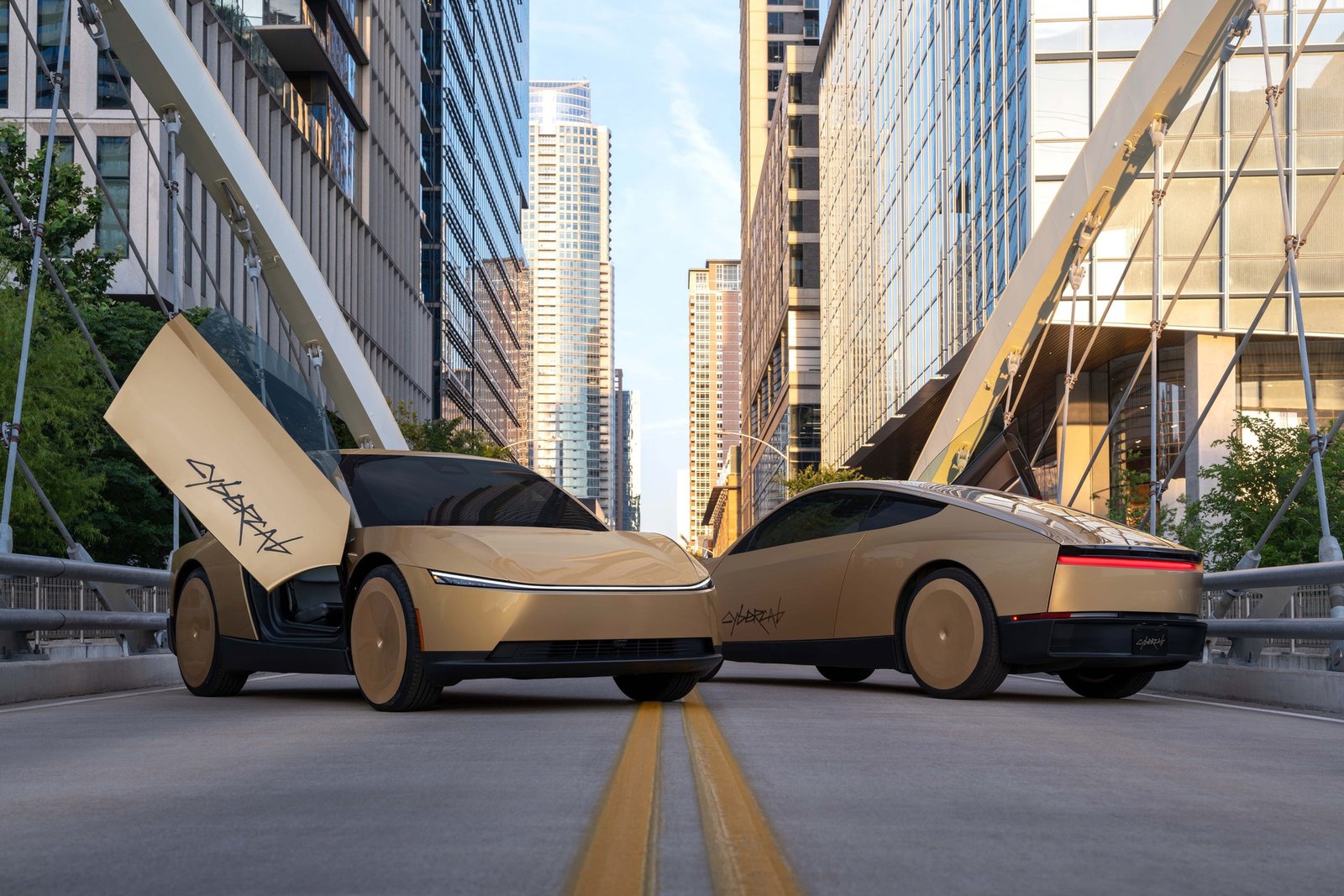
The next city where both will meet is Las Vegas. Nevada regulators approved Waymo for up to 1,000 vehicles in Clark County and, on Aug. 20, gave Tesla a permit for up to 5,000 that requires service to begin within 120 days. Tesla has not said when, or with which vehicle.
What a ride costs, and how long you'll wait
Neither company publishes a rate card, so the honest comparison is a set of snapshots. On Sept. 4 the Statesman priced a 2.5-mile Cybercab trip at $12.15 with a 40-to-50-minute wait that stretched past an hour by late afternoon; Uber quoted $7.96 and under 10 minutes for a human driver on the same street. Rider receipts gathered by Not a Tesla App tell a different story on price, with the Cybercab running about a third cheaper than the Model Y for the same trip.
Both are consistent: Tesla is pricing the Cybercab below its own Model Y, but demand on launch weekend outran a fleet of a few dozen cars. Waymo's fares move with demand too, and in Austin the quote you see is Uber's. If you need to be somewhere at a fixed time, the wait matters more than the fare, and right now the wait favors Waymo.
Who can ride, and how many of you
Neither service lets a minor ride alone outside one exception. Tesla's FAQ allows 13-to-17-year-olds in a Cybercab only with an adult and bars anyone younger outright. Waymo requires 18 to ride solo everywhere except metro Phoenix, where 14-to-17-year-olds can use a parent-linked account, but a child of any age can ride with an adult. For a parent with a toddler, that makes Waymo the only driverless option.
Capacity cuts the same way. The Cybercab seats two; Tesla says its 20.2-cubic-foot trunk takes two checked bags and two carry-ons. A Waymo carries up to four passengers and, in the Ojai, a stroller or luggage without planning. For an airport run with family, the choice makes itself.
Cameras versus lidar: does it matter to a rider?
The Cybercab drives on cameras alone. Waymo's Ojai carries 13 cameras plus four lidar units and six radars, and the company's software chief wrote in late August that cameras "aren't enough" for full autonomy at scale. Tesla's answer is a bigger neural network rather than more sensors, and it now claims 1 million unsupervised miles across six cities with, in its words, zero notable incidents.
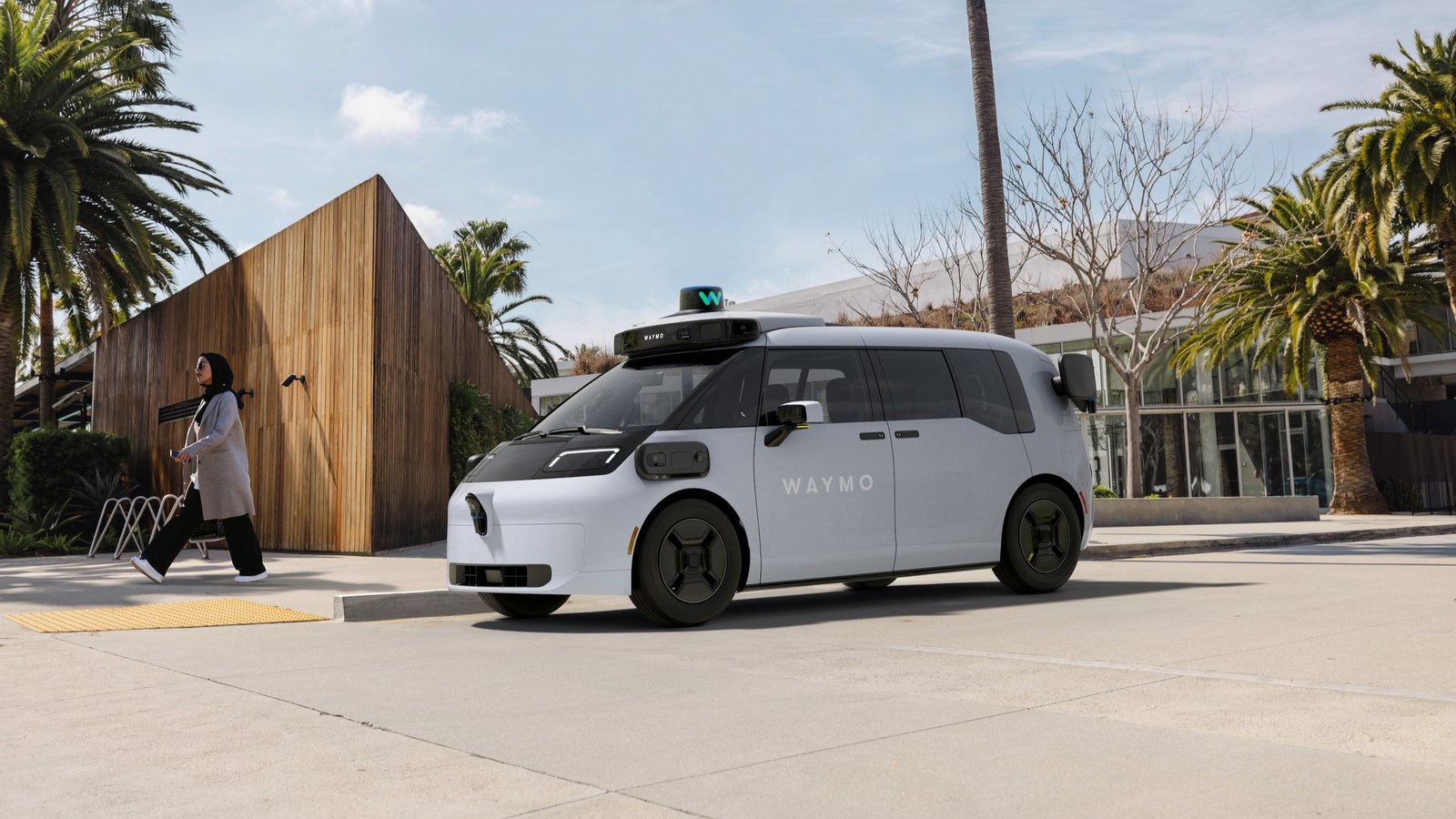
Neither claim lets you compare risk. Waymo's 94% figure is the company's own analysis of its 200-million-mile record; Tesla has published no methodology behind its incident statement, and its fleet has logged roughly half a percent of Waymo's mileage. The regulatory picture is also lopsided. NHTSA opened audit query AQ26002 on Sept. 3, within hours of the first paid Cybercab rides, to examine how Tesla certified a car with no wheel or pedals against federal standards that still assume both. Waymo's vehicles keep their controls and face no such question.
One wrinkle turned up four days later. On Sept. 7 a rider posted video of a Cybercab screen showing a virtual joystick and manual brake, horn, and door controls — a service mode he was clearly not meant to see, and one the car would not act on. It does not make the Cybercab a car you can drive. But the agency's notice turns on the absence of "permanently attached, conventional manual controls," and nobody has yet said whether a control that exists only on a touchscreen bears on that question. Tesla has not commented.
What we don't know yet
- An official Cybercab fare structure and a service map. Tesla says "limited areas" and nothing more.
- When, or whether, you can buy one. Musk's target has been under $30,000 since the 2024 unveiling, restated on X in February 2026; a looser $25,000 came from a 2024 earnings call, and neither is an MSRP. The only thing Tesla has published is an interest form for fleet or individual purchases "for commercial purposes," not a price or a date. The same applies to what software those buyers would get.
- Tesla's Las Vegas start date.
- Who is authorized to use the Cybercab's manual mode, how that authorization works, and whether it figures into the certification NHTSA is auditing. Tesla has not described the mode at all.
- Any safety data from Tesla that can be set beside Waymo's.
Which one should you hail?
If you are anywhere but Austin, the question answers itself: Waymo is the driverless ride, and in five Florida and Texas cities the Tesla alternative is a Model Y, not the gold pod. That will change when Tesla reaches Las Vegas, but the company has given no date.
In Austin, take the Cybercab if the ride is the point. It is cheaper than Tesla's own Model Y, and it is the only way to sit in a car with no steering wheel. Give yourself an hour of slack, because that is what the launch-weekend waits looked like.
If the destination is the point, hail a Waymo through Uber, or accept a human driver. Four seats, a published service area, a company that has been doing this in Austin since March 2025, and no open federal inquiry into whether the car should be on the road at all. The Cybercab is the more interesting car. Waymo is the better taxi, for now. Public rides opened on Sept. 4; we will update this comparison as Tesla publishes fares and expands the map.