Cybercab Rides Are Live in Austin. Here's How It Works — and What Tesla Still Won't Say
Cybercab rides are now open to the public across Tesla's Austin Robotaxi zone. Tesla's own rider guide explains how a trip works — but the official fare and what comes next are still open questions.
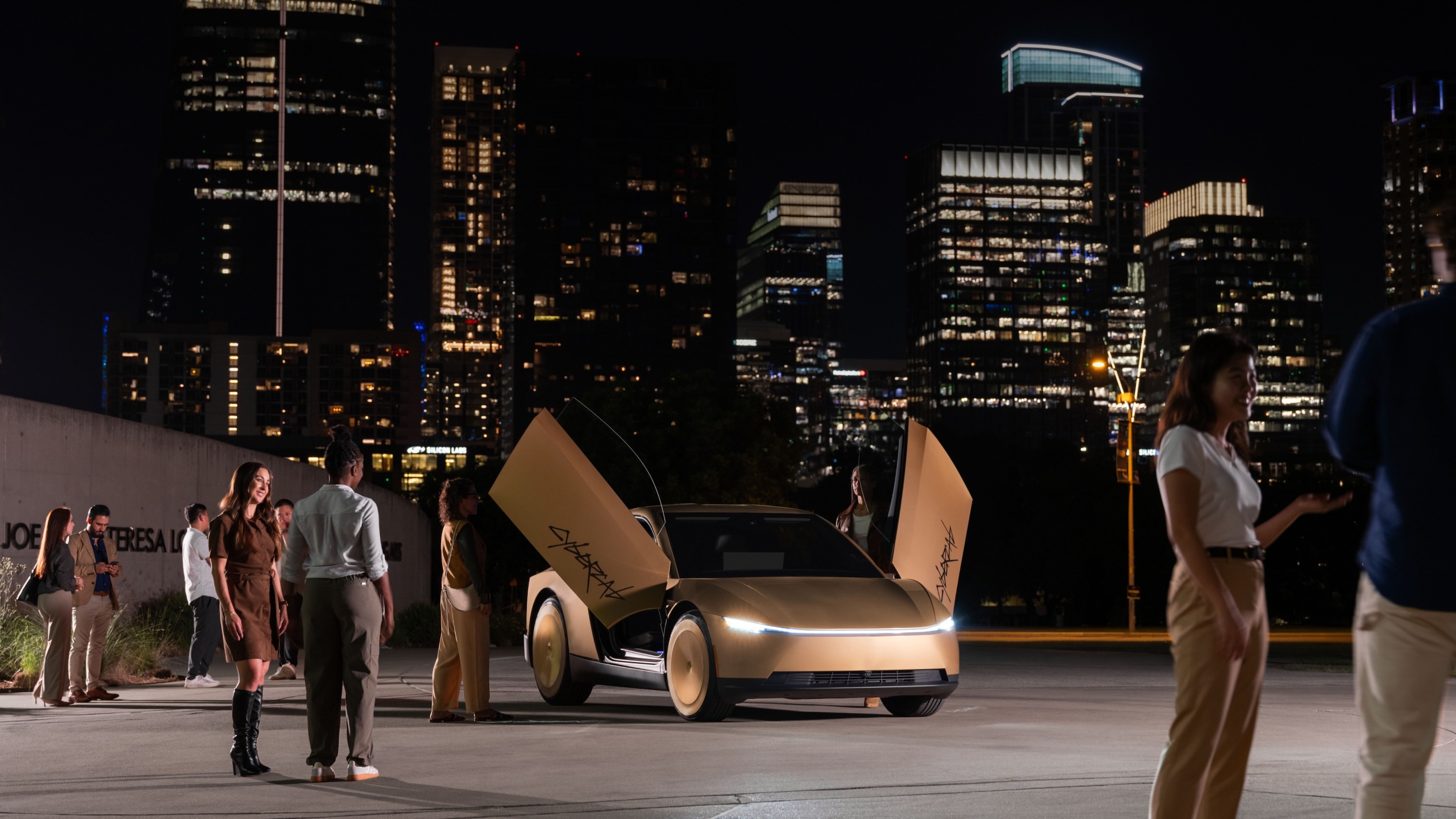
Tesla's Cybercab is no longer a concept on a stage. Since September 4 at 5 p.m. CT, the two-seat robotaxi has been open to the public in Austin — Tesla's Robotaxi account announced the opening on X a day after the invite-only launch — hailed through the same Robotaxi app that already dispatches the company's driverless Model Ys. That one line on Tesla's robotaxi website is, so far, the most concrete thing the company has said about the launch: the invite-only event itself was not streamed, and Tesla published no ride price, no service map, and no rollout schedule.
What Tesla did publish is a detailed Cybercab rider guide and a support page that together explain how a ride actually works. Here is what riders in Austin can expect — and the list of questions Tesla has left open.
How to get a Cybercab ride
Everything runs through the Robotaxi app, the same one used for Tesla's existing service. Tesla's official line is that the vehicle assigned to a ride depends on what is available and how many people are in your group — but rider screenshots documented by Not a Tesla App and the Austin American-Statesman show the app now lets riders choose between a Cybercab and a Model Y when both are available. The Cybercab seats two, so a party of three or more will be matched with a Model Y regardless.
Access is settled, too: on September 4, Tesla's Robotaxi account announced that Cybercab rides were opening to the public at 5 p.m. CT, so any app user in Austin can be matched with the two-seater.
Two rules are stricter than in the Model Y service: rides can be booked only for yourself, and the updated terms bar riders under 13 from the Cybercab, compared with a minimum age of eight in Tesla's Model Y robotaxis. In neither service can a minor ride alone — 13- to 17-year-olds may take a Cybercab only with an accompanying adult, per Tesla's rider terms as reported by TechCrunch — so between that and the booking rule, 18 is the practical floor for riding solo.
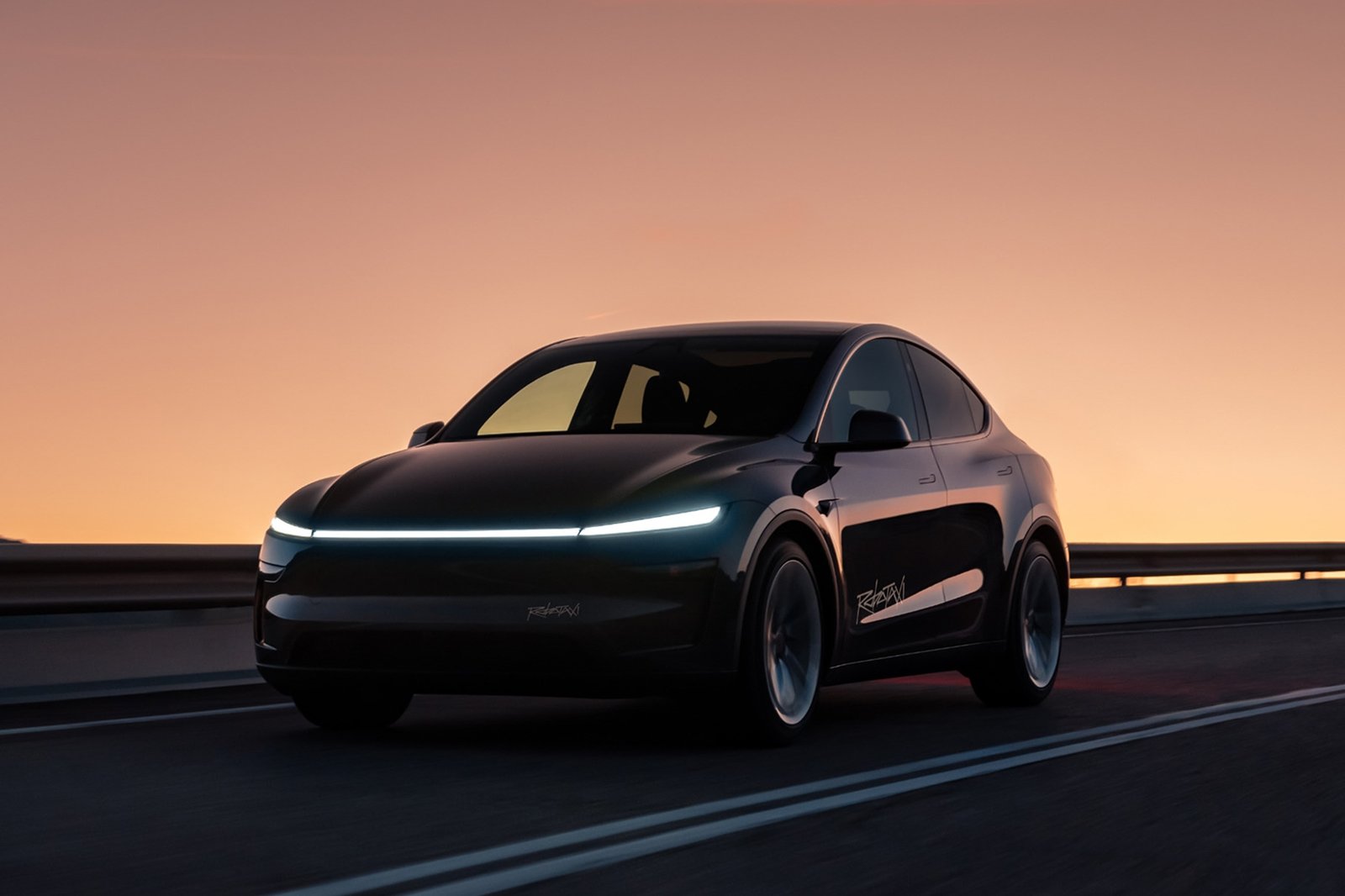
At pickup, the car identifies its rider rather than the other way around. The doors can open automatically when they recognize the requester's phone, and the front lightbar changes color during pickup, with the app telling you which color marks your car. Tesla's guide asks riders to confirm the license plate against the app, buckle up, and tap Start Ride.
What the ride is like
The cabin has two seats and nothing that resembles a driver's station: no steering wheel, no pedals, no mirrors to adjust. Everything riders can control — doors, trunk, climate, media — lives on the central touchscreen or in the Robotaxi app. Each passenger gets an adjustable air vent and USB-C charging, the seatbacks recline independently, and a green indicator shows whenever the cabin camera is active. The guide also describes an emergency stop function and a way to contact Tesla support from the screen mid-ride.
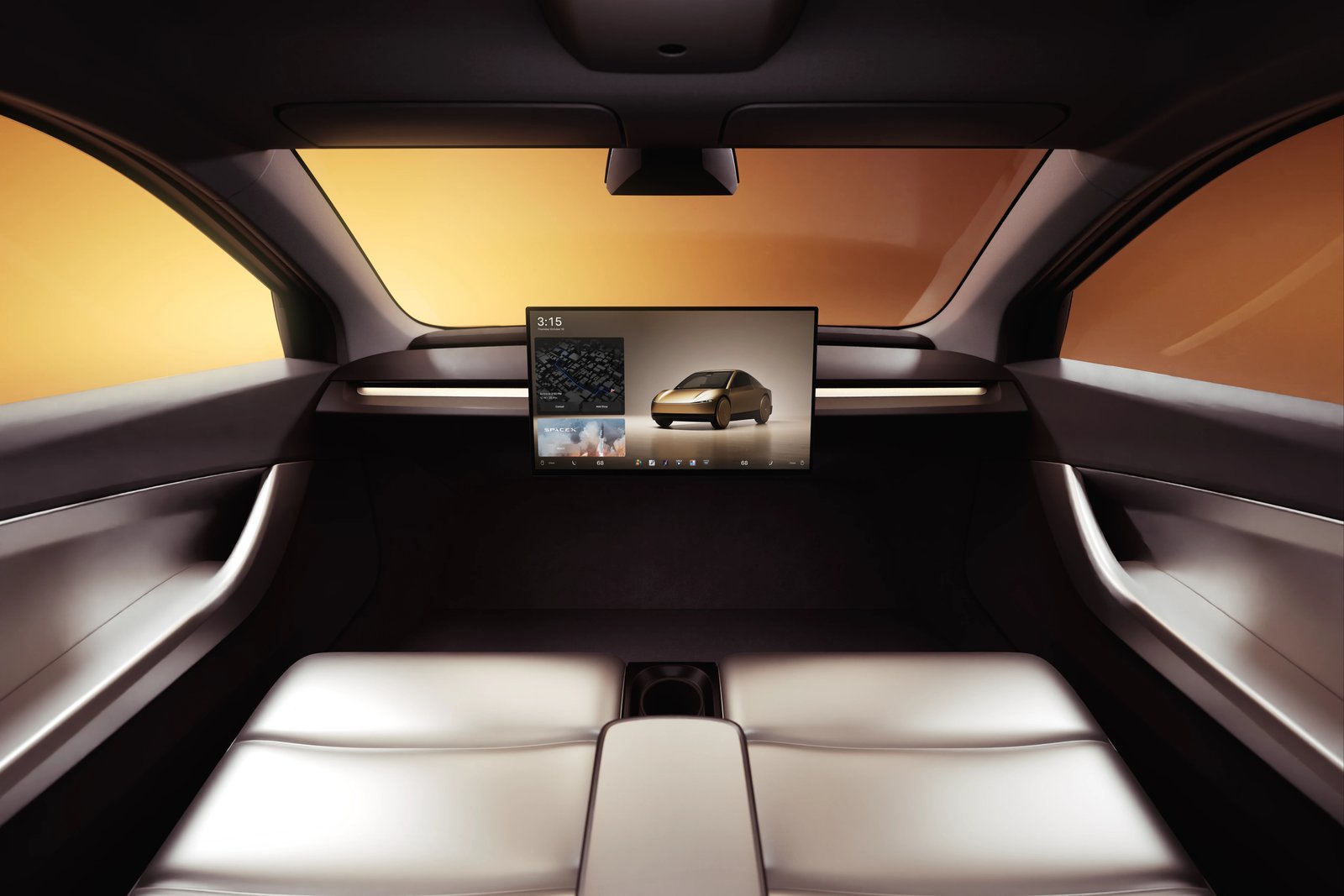
Luggage goes in a rear trunk rated at 20.2 cubic feet (572 liters) and up to 220 pounds (100 kg) — enough, per Tesla, for two checked bags and two carry-ons. Step-in height is a low 16.5 inches, which should make boarding easier for less mobile riders. One caveat for parents: the Cybercab has no LATCH anchors, so compatible child seats must be installed with the seat belts.
Yes, it can be driven by hand — just not by you
A car with no controls still has to be moved sometimes: repositioned in a depot, nudged out of a tight spot, cleared off the road when it can drive but cannot navigate. On September 7, a rider named Matthew Skrzypczak posted video on X showing how that is done. Instead of the usual passenger screen, his Cybercab came up in a different layout: a split view of camera feeds alongside a circular virtual joystick, plus buttons for braking, the horn, the doors, and a call to support. The controls tracked his touches, but the car did not move — whatever authorizes that mode clearly was not granted to him.
Tesla has not commented on the screen, explained who is meant to have access, or said why it appeared during a passenger ride. The rider guide linked above does not describe it; accounts differ over whether Tesla's separate guidance for first responders documents the mode and a credentialing step, and we have not verified that document ourselves. For riders, the practical takeaway is narrow: there is a manual mode, it is not yours, and the emergency stop and support call on your screen remain the only controls you are given.
What a ride costs
Tesla still has not published an official Cybercab fare schedule. Early rider receipts suggest the two-seater is the cheaper way to go: Not a Tesla App recorded a $7.77 Cybercab fare on a trip that costs $12.10 in a Model Y robotaxi — roughly 35% less — though the exact formula behind the discount remains unconfirmed.
The closest reference point is Tesla's Model Y robotaxi pricing in Austin: a $3.00 base fare plus $1.40 per mile, the structure fare trackers recorded when Tesla last adjusted it in March 2026. The company has already changed that formula three times since dynamic pricing arrived, so treat any number outside the app as a snapshot rather than a promise. One constant so far: there is no tipping in the Robotaxi service.
Where it works
The picture has firmed up since launch day: according to Not a Tesla App, Cybercabs can now be hailed across Tesla's full Robotaxi geofence in Austin, which grew about 9% on August 31 to roughly 288 square miles, per community trackers reading the boundary in the app. Tesla itself still has not published a Cybercab-specific map, and it has not said when the two-seater will reach the rest of its Model Y territory — parts of Dallas and Houston in Texas, plus Miami, Orlando, and Tampa in Florida.
Expansion is visibly being prepared but not announced: a cluster of Cybercabs was spotted near Miami International Airport in the days before the launch. Tesla says availability will grow, without naming cities or dates.
Why the launch looked so quiet
Thursday's event broke Tesla's own playbook. Guests — many of them influencers — were asked to sign non-disclosure agreements and hold their posts, there was no livestream, and neither Elon Musk nor other executives spoke publicly. The actual news arrived as an update to Tesla's robotaxi website. Tesla has not explained the format.
The regulatory backdrop is one confirmed piece of context. The National Highway Traffic Safety Administration has moved past monitoring: the agency opened an audit query, AQ26002, on September 3 — disclosed the day after — examining the process and technical data Tesla relied on when it self-certified an estimated 1,000 Cybercabs to federal motor vehicle safety standards. The question the audit makes official is the same one that has hung over the two-seater from the start: how a vehicle without a steering wheel, pedals, or mirrors squares with rules written on the assumption that every car has them. The agency's opening notice turns on the phrase "permanently attached, conventional manual controls" — which is why the joystick screen a rider stumbled into four days later is more than a curiosity, and why nobody has yet said whether a control that appears on a touchscreen counts as one. (The software story matters for private buyers too: Autopilot is gone from Tesla's showroom cars, as our guide to what new and used buyers actually get in 2026 explains.)
The fleet itself is still small. Texas records showed 420 Tesla vehicles registered in the state for driverless operation on the eve of the launch, 45 of them Cybercabs; the Cybercab count reached 49 by September 8. Registration is a legal prerequisite, not proof a car is carrying passengers. Waymo, the current U.S. leader in driverless taxis, had 988 vehicles registered in Texas as of early September.
What Tesla still won't say
- Ride pricing. Rides are paid — early rider receipts show real charges — but Tesla has not published an official Cybercab fare schedule or explained the formula behind the cheaper-than-Model-Y trips.
- The service area. Tesla still calls it "limited areas of Austin" and has published no map, boundaries, or hours — even as rider reports point to the full Austin geofence.
- Retail price and timing. Musk's target has been under $30,000 since the October 2024 unveiling, and he restated it on X in February 2026 after the first car came off the Giga Texas line; a looser "roughly $25,000" came from a 2024 earnings call. Neither is an MSRP — there is no confirmed price, no order book, and no date, and Tesla is only collecting purchase inquiries from commercial buyers through a form on its robotaxi site.
- Other cities. The Miami sightings suggest preparation, but no expansion has been announced.
- The manual mode. Tesla has not acknowledged the on-screen joystick, said who is authorized to use it, explained how that authorization works, or addressed how it bears on the certification question NHTSA is auditing.
- Remote supervision. Tesla has not said whether Cybercab rides are monitored remotely by safety staff, as some rival services are.
What's next
The "exciting 48 hours" Tesla executives teased around the launch has delivered its first follow-up: the public opening on September 4. An official fare schedule, a Cybercab service map, a second city, or a retail order page would be the natural next candidates. Until then, the practical summary for Austin riders is short: open the Robotaxi app, request a ride for one or two people — the two-seater is now in the mix across the city's Robotaxi zone.