New Tesla Model 3 and Model Y Can Now Power Your Home — If You Own a Powerwall 3
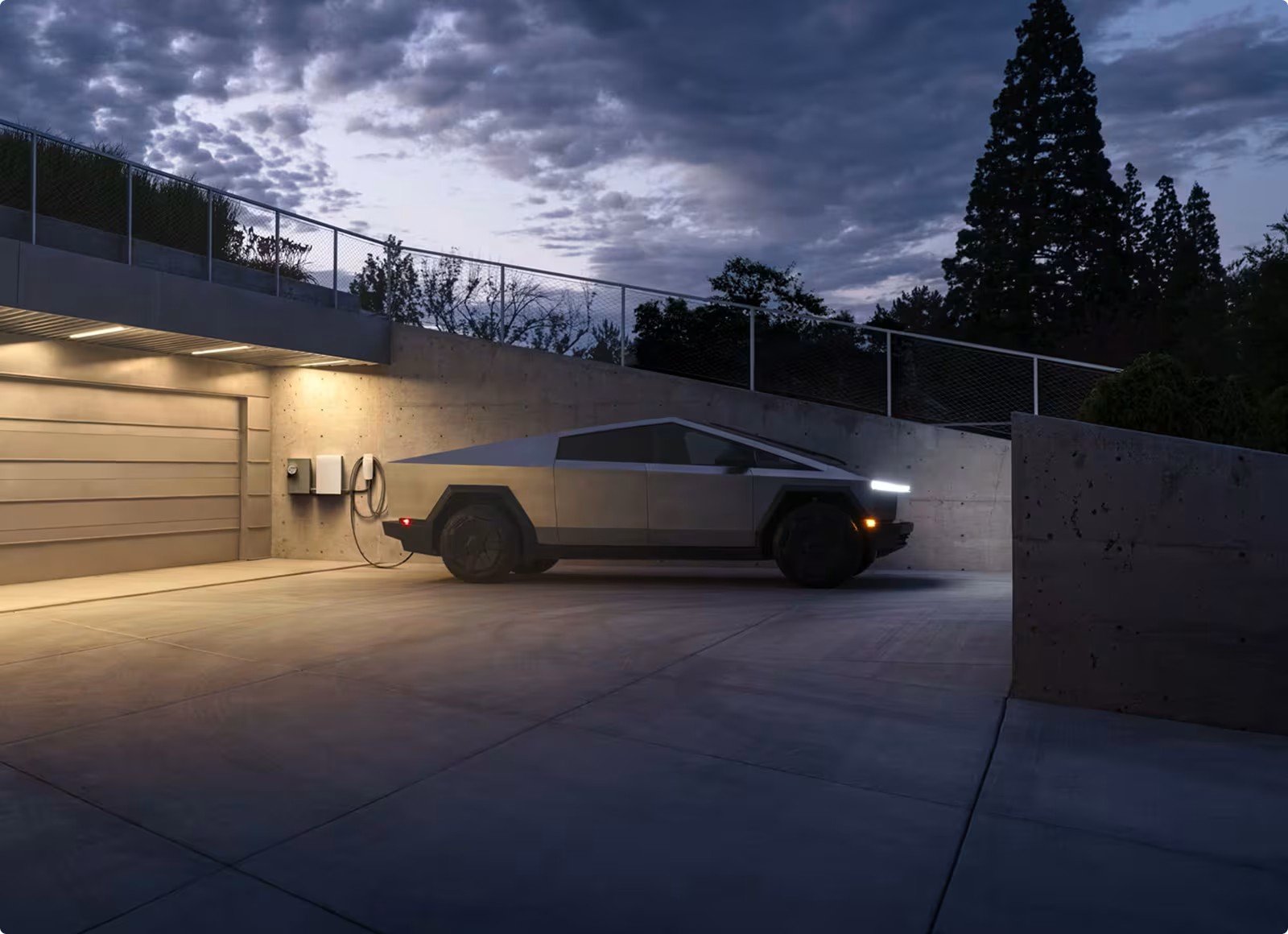
Powershare Home Backup now covers Tesla’s best-sellers, but only cars ordered since October 1 are guaranteed to have it, and a Powerwall 3 is mandatory.
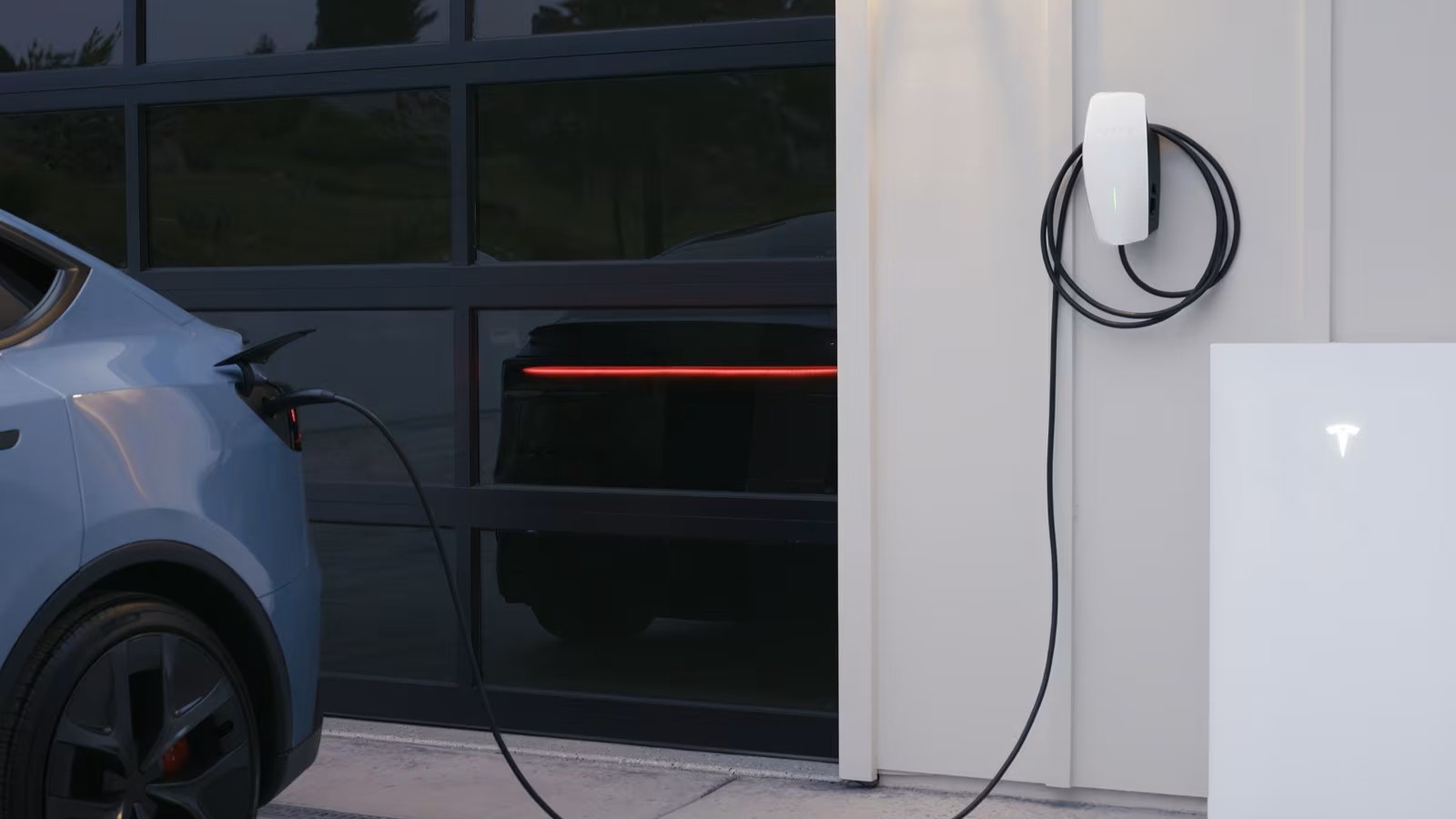
Tesla's two best-selling cars can now keep the lights on during a blackout. Tesla Energy said on October 6 that Powershare Home Backup, until now a Cybertruck feature, is available on new Model 3 and Model Y vehicles paired with a Powerwall 3 home battery.
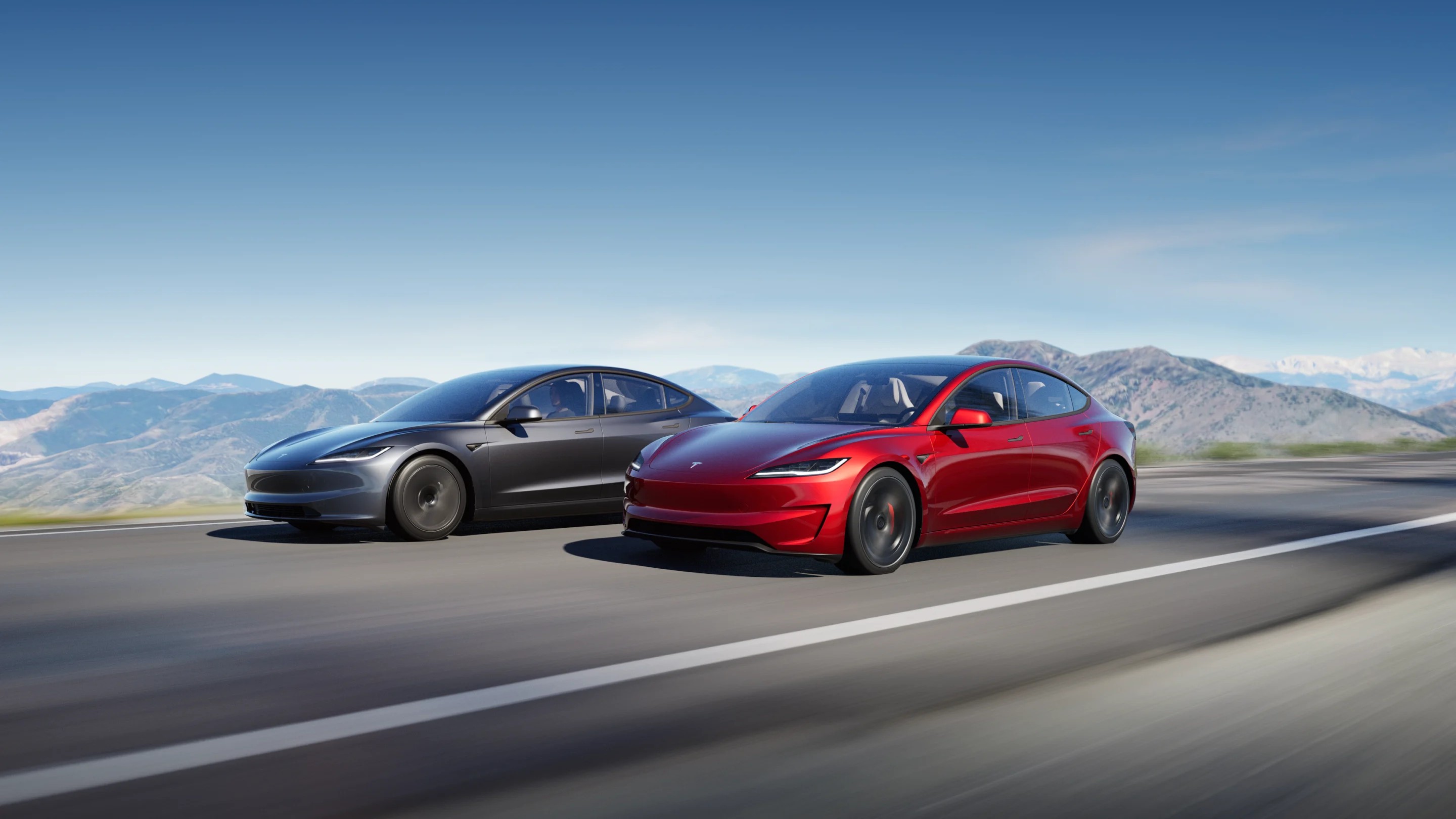
The catch is in the word "new." Tesla's Powershare page guarantees the capability only for cars ordered in the U.S. and Puerto Rico on or after October 1, 2026 — the same week the Model 3 gained a 16-inch screen and a stronger Performance version.
What you need to buy
Three things: an eligible car, a Powerwall 3, and a Tesla Wall Connector or Universal Wall Connector for the car to plug into. Tesla says homes that already have a Powerwall and a Wall Connector need no additional equipment.
There is no way around the home battery. The standalone Powershare Gateway that lets the Cybertruck back up a house by itself is not offered for the Model 3 or Model Y, Electrek reports.
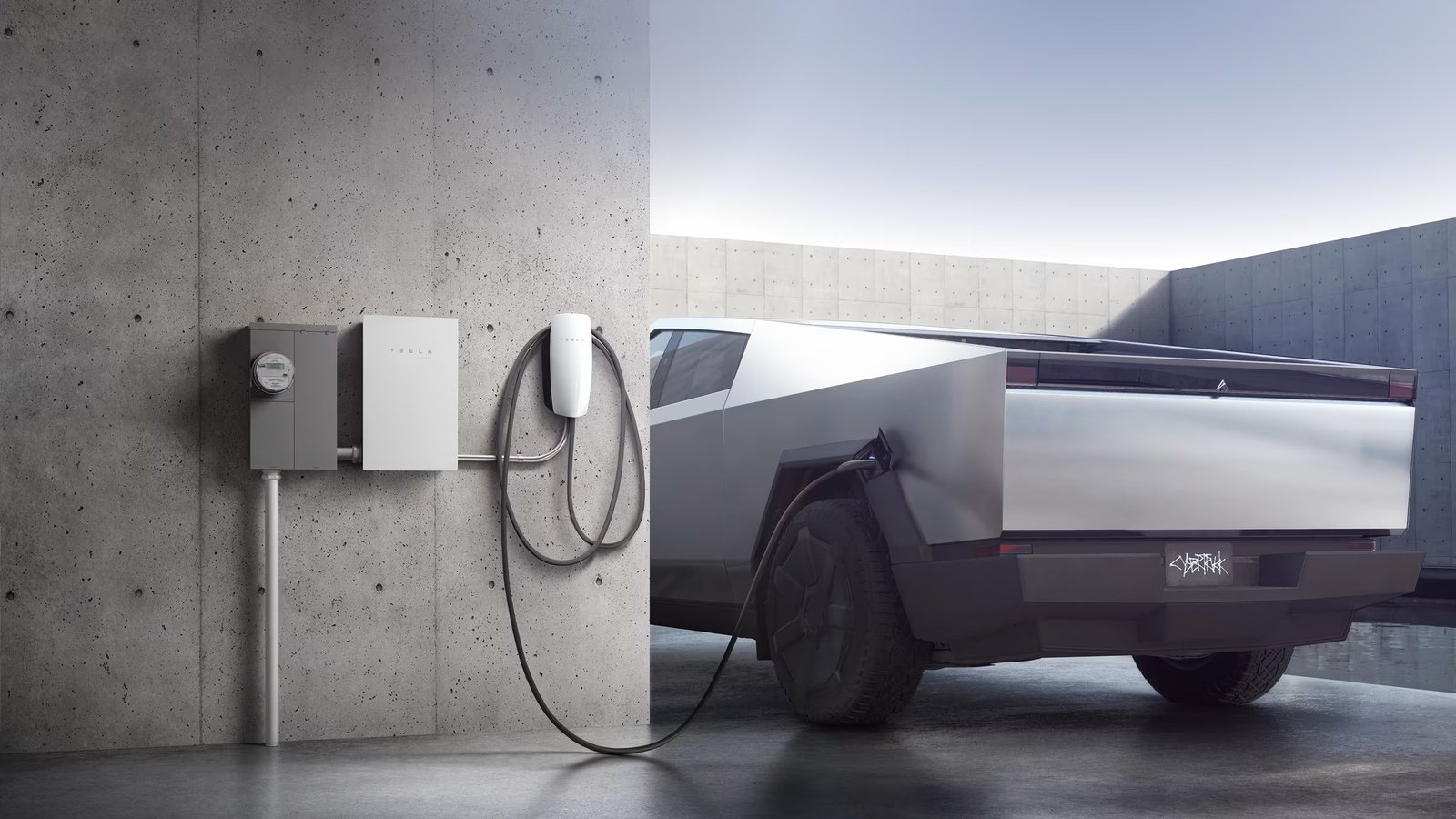
That makes the Powerwall the real cost of entry. EnergySage puts the average installed price of a Powerwall 3 at $13,473 before incentives. Its 13.5 kWh of storage covers about 11 hours at the 30 kWh per day Tesla uses as its average-home benchmark.
The car is what turns hours into days. Tesla says a Model 3 or Model Y extends backup by "over two days," against more than three for a Cybertruck. Those estimates assume a full vehicle battery, and Tesla notes results vary by model and state of charge.
Who is left out
Most current owners, at least for now. Tesla says "some, but not all" Model 3 and Model Y vehicles built before October 1 are also capable, but it hasn't said which ones. The feature depends on a bidirectional inverter Tesla calls PCS2 Lite, so a software update alone won't add it.
Owners can check on the touchscreen: Software > Additional Vehicle Info should show "Powershare Support: Enabled."
Powerwall 2 and Powerwall+ households are waiting too. Tesla lists support for both as "coming soon," with no date. The Model S and Model X aren't mentioned at all, and the company hasn't announced the feature for any market outside the U.S. and Puerto Rico.
Late, and tied to Tesla's battery
Rivals got here first. Ford has offered home backup on the F-150 Lightning since 2022, with up to 9.6 kW through a Home Integration System that launched at $3,895 before installation. GM Energy now lists 12 vehicle-to-home-capable models, from the Chevrolet Equinox EV to the 2027 Bolt.
Tesla's version follows a line Elon Musk drew at the company's 2023 Investor Day:
"I don't think very many people are going to want to use bidirectional charging, unless you have a Powerwall."
Scale is what makes the move matter. The Model 3 and Model Y account for nearly all of Tesla's quarterly deliveries, so every new one sold in the U.S. is now a potential backup battery.
What Tesla hasn't said
Tesla lists a maximum of 11.5 kW for the Cybertruck but gives no output figure for the Model 3 or Model Y on its Powershare page; Electrek and pv magazine USA report 11.52 kW.
Pricing is also unclear. The page's cost guidance — typically $1,950 for hardware, plus $2,000 to $4,000 for installation without a Powerwall — describes the gateway route that only the Cybertruck can use. Tesla hasn't published an activation fee for Powerwall 3 homes.
Powershare Grid Support, which pays owners for sending power to the grid, remains limited to the Cybertruck in select markets.