U.S. EV Sales Hit a One-Year High in Q3 — and Are Still Down 39% From Last Year
Kelley Blue Book counts 266,630 EVs sold in the third quarter. Tesla still takes more than half, Toyota and Lexus nearly quintupled, and Ford and Volkswagen all but vanished.
Americans bought an estimated 266,630 electric vehicles in the third quarter, according to Cox Automotive's Kelley Blue Book. That is 7.7% more than in the second quarter and the best three months in a year. It is also 38.6% fewer than in the same quarter of 2025.
Both numbers are accurate, and the distance between them has one cause. The third quarter of 2025 was the last chance to claim the $7,500 federal tax credit, which expired on September 30, 2025. Buyers pulled purchases forward, 434,279 EVs were sold, and EVs passed 10% of the new-car market for the first time. We tracked what followed in our look at the year since the EV tax credit ended.
EVs now hold about 6.5% of the market, up from 5.8% in the second quarter. Add hybrids and plug-in hybrids and Cox puts the electrified share at nearly 25%.
Tesla Is Still More Than Half the Market
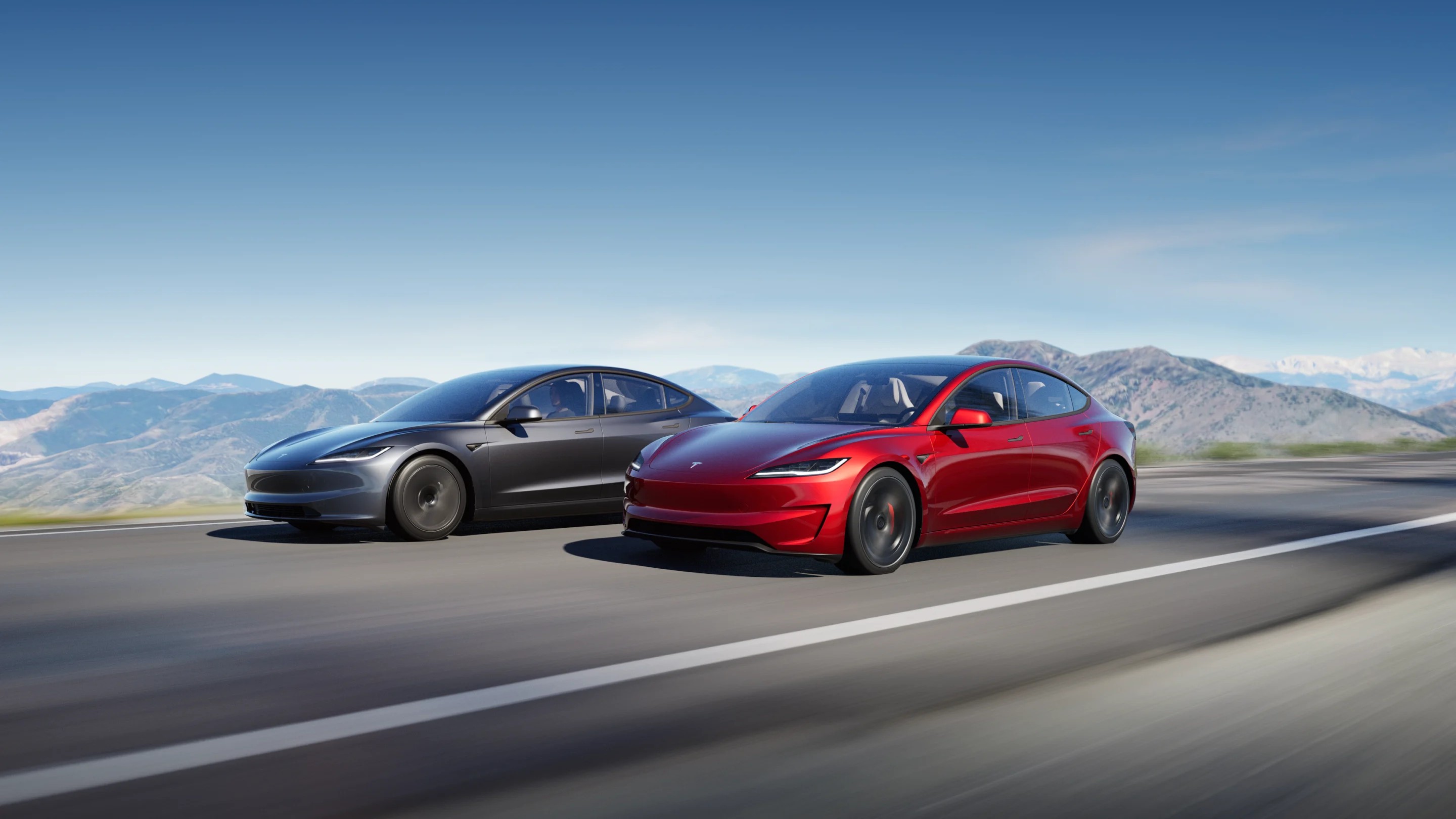
Tesla sold an estimated 144,094 vehicles, down 19.7%, for a 54% share. The Model Y accounted for 99,037 of them and the Model 3 for 40,346. Those two cars alone made up 52% of every EV sold in the country.
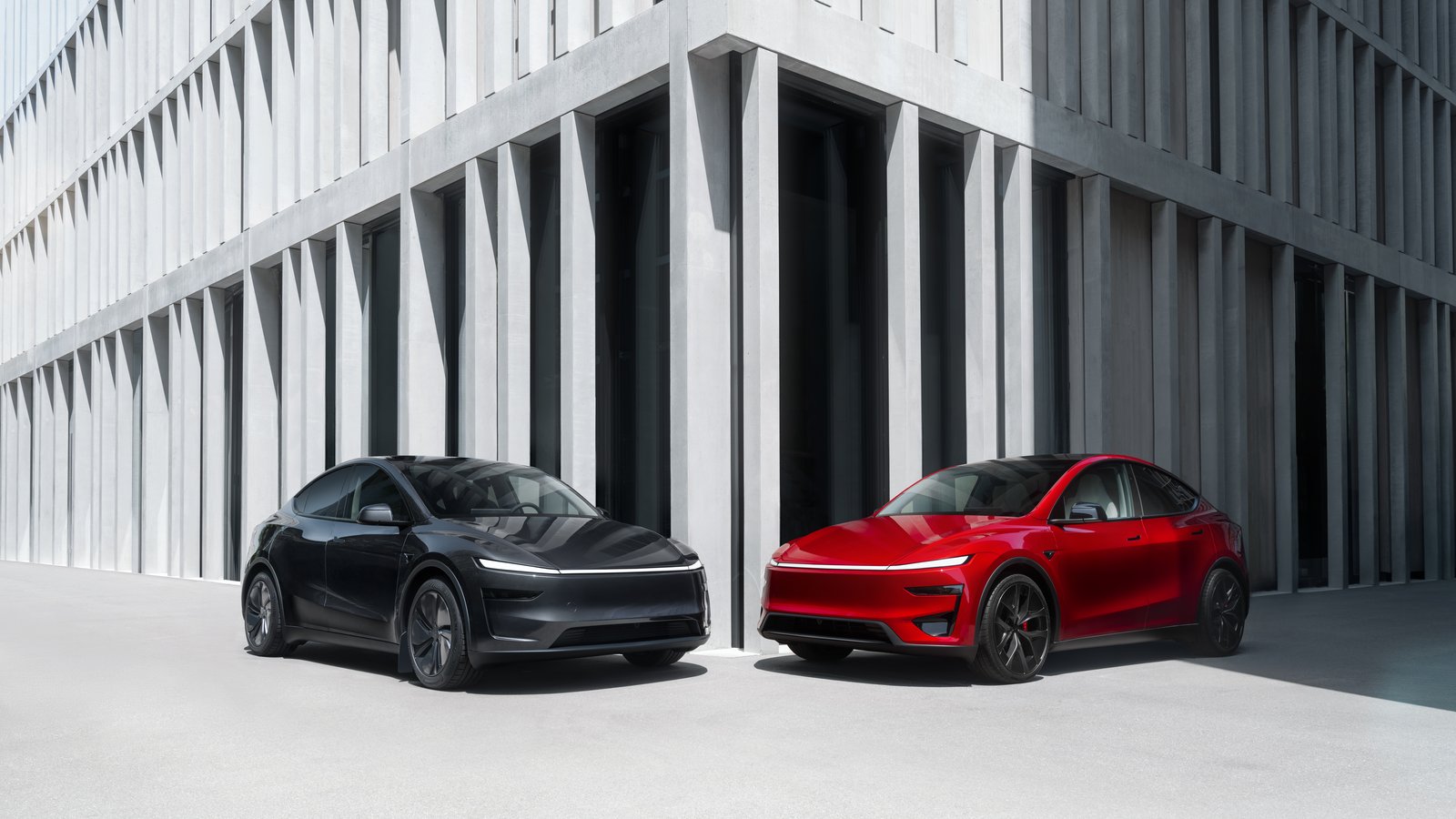
Tesla does not break out U.S. sales, and it reported 486,532 global deliveries for the quarter, a 2% decline. If Kelley Blue Book's estimate is right, its home market is falling much faster than the rest of its business.
Everyone else had it worse. Take Tesla out of the brand-by-brand table and the remaining brands sold 122,536 EVs, down 51.9% from 254,754. The third-best-selling model, the Hyundai Ioniq 5, managed 10,382, about a tenth of the Model Y's total. Here is how the Model Y and Ioniq 5 compare on price and range.
Six Brands Grew. The Rest Did Not
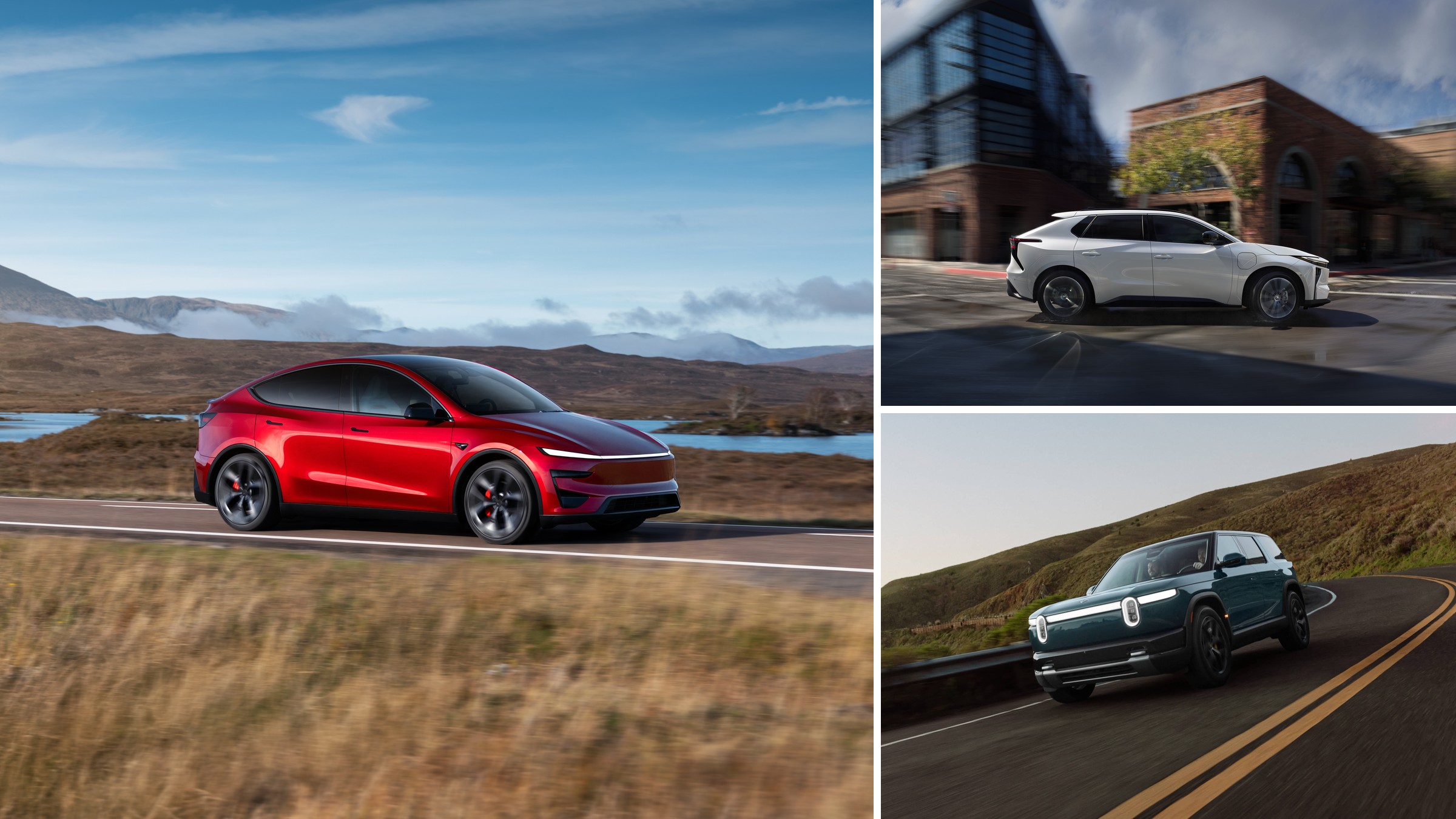
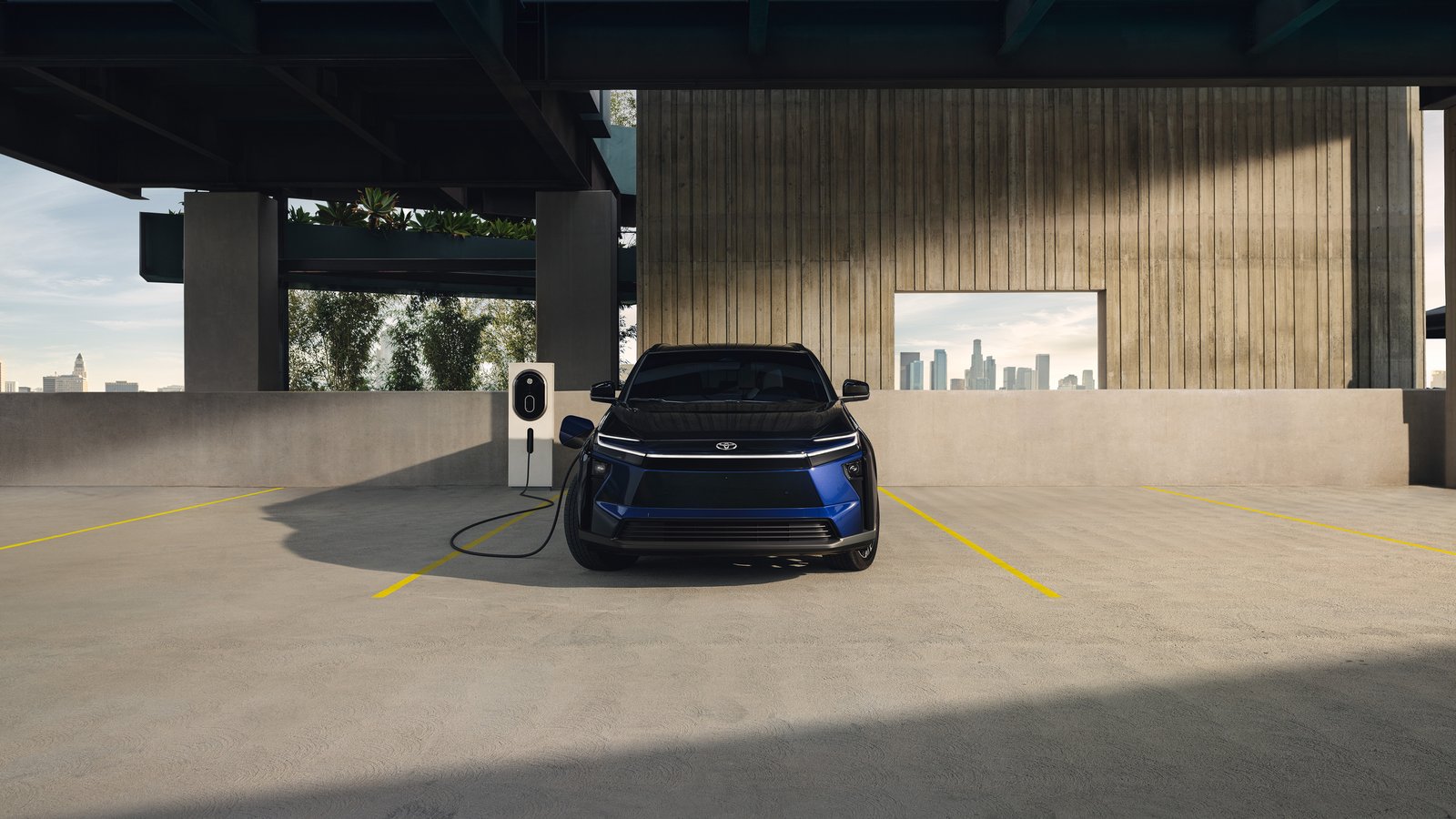
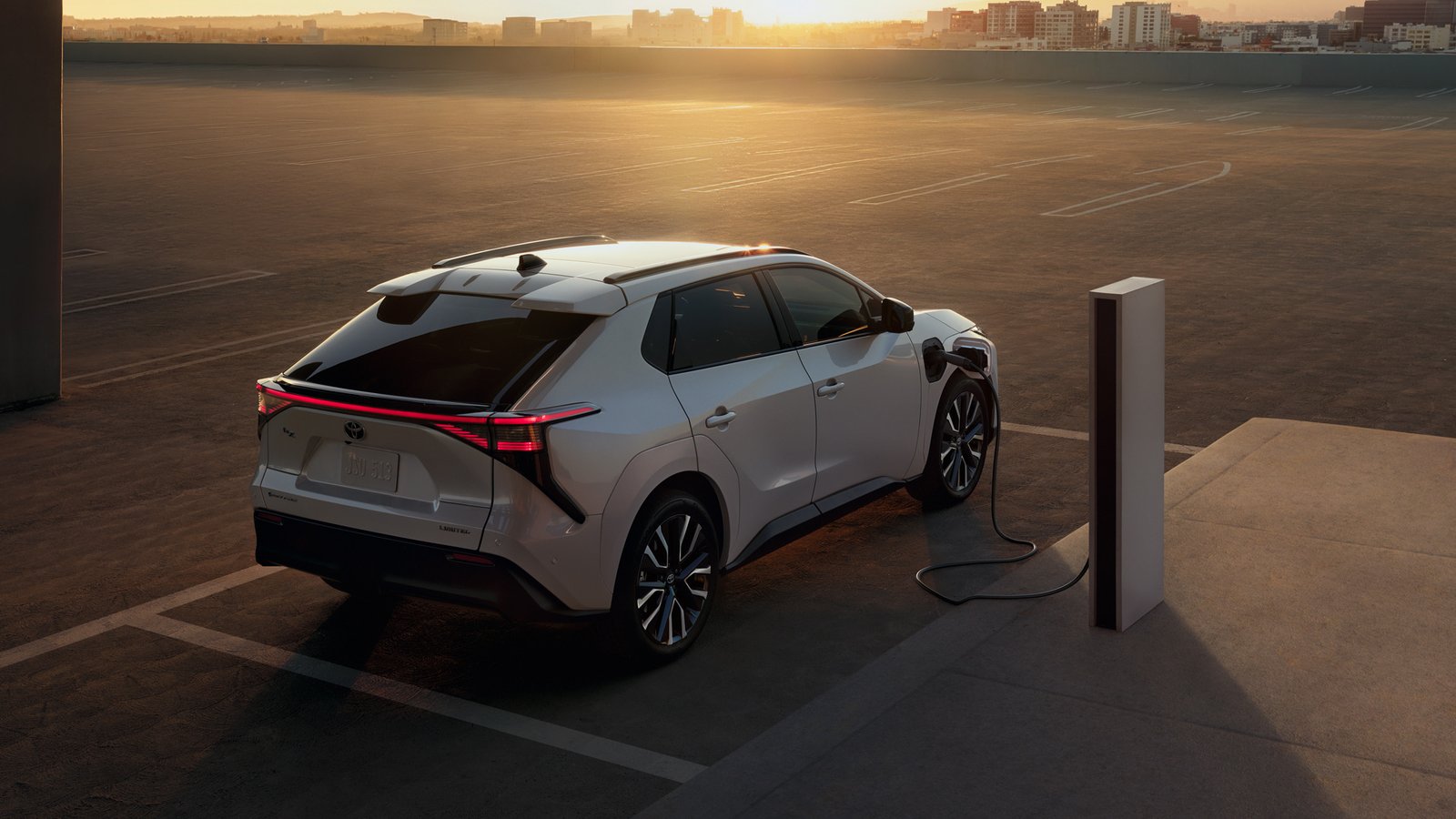
Only six of the 25 brands in the report sold more EVs than a year ago, and new models explain most of it. Toyota rose 328% to 12,904 with the C-HR and bZ Woodland joining the bZ. Lexus rose 442% to 8,464, most of that from the electric ES. Together the two sold 4.7 times what they did a year earlier. Subaru gained 31.5% to 4,566 on the new Trailseeker and Uncharted.
Rivian climbed 45.7% to 19,239, close to the 19,248 in Rivian's own delivery report. The new R2 added 3,456. The bigger lift came from commercial vans, which more than tripled to 8,469, while the R1S and R1T both fell by more than a quarter.
The declines were far steeper:
- Volkswagen: 1,421, down 90.5%. The ID.4 fell to 989.
- Ford: 6,047, down 80.2%. The F-150 Lightning fell to 289.
- Honda: 4,882, down 75.9%, all of it the Prologue.
- Chevrolet: 10,031, down 74.6%. The Equinox EV dropped from 25,085 to 1,905.
- Hyundai: 12,185, down 57.7%.
"What we're seeing now is a market finding its footing again," said Stephanie Valdez Streaty, director of industry insights at Cox Automotive.
She also pointed to gasoline "well above $4 a gallon" as a reason EVs are getting a second look.
What the Numbers Don't Show
These are Kelley Blue Book estimates, not automaker-reported figures, and the Tesla numbers in particular are modeled. The data we reviewed also includes no average transaction prices or incentive levels, so it cannot show how much of the rebound was bought with discounts.
For the first nine months of 2026, the total stands at 729,869, down 29.9% from 1,041,647 a year earlier. The fourth quarter will be the first to be measured against a period without the tax credit. Cox is expected to report it in January.