Ford Earned $2 Billion and Raised Its Outlook. Here's What It Means for Truck Shoppers
Ford's profit rose, EV losses narrowed from a year ago, and the automaker now assumes U.S. prices will climb twice as fast as it expected in July.
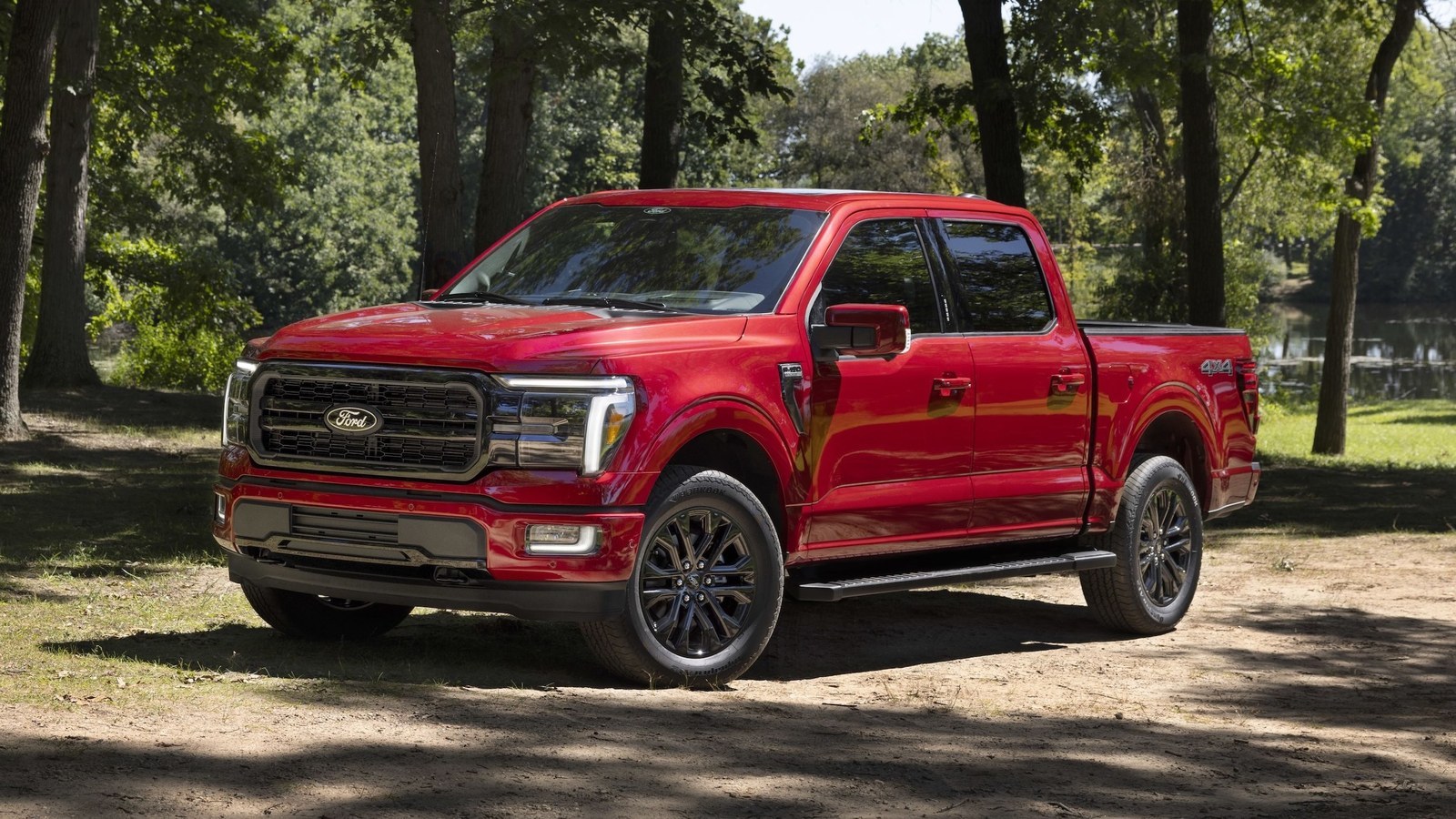
Ford earned $2 billion in the third quarter and raised the bottom of its full-year profit forecast, according to its third-quarter earnings release filed with the SEC. For anyone shopping for an F-150, a Mustang Mach-E, or a Super Duty this winter, the more useful number sits in the assumptions: Ford now expects U.S. industry pricing to end 2026 about 1% higher than last year, double the roughly 0.5% it assumed in July.
That is one of the questions we said Ford's report would answer in our Q3 earnings scorecard of GM, Tesla, Volvo, and Ford. Here is what the release settles, and what it leaves open.
The quarter in brief
Revenue slipped 2% to $49.5 billion as Ford shipped 1,049,000 vehicles to dealers and fleets worldwide, 9% fewer than a year earlier. Adjusted EBIT, the profit measure Ford manages to, rose to $2.7 billion, a 5.4% margin. Ford ended September with $46.4 billion in liquidity.
Ford now expects full-year adjusted EBIT of $10.5 billion to $11 billion, up from $10 billion to $11 billion. With $8.6 billion booked in the first nine months, that leaves about $1.9 billion to $2.4 billion for the fourth quarter, by our math.
Trucks: less profit, firmer prices
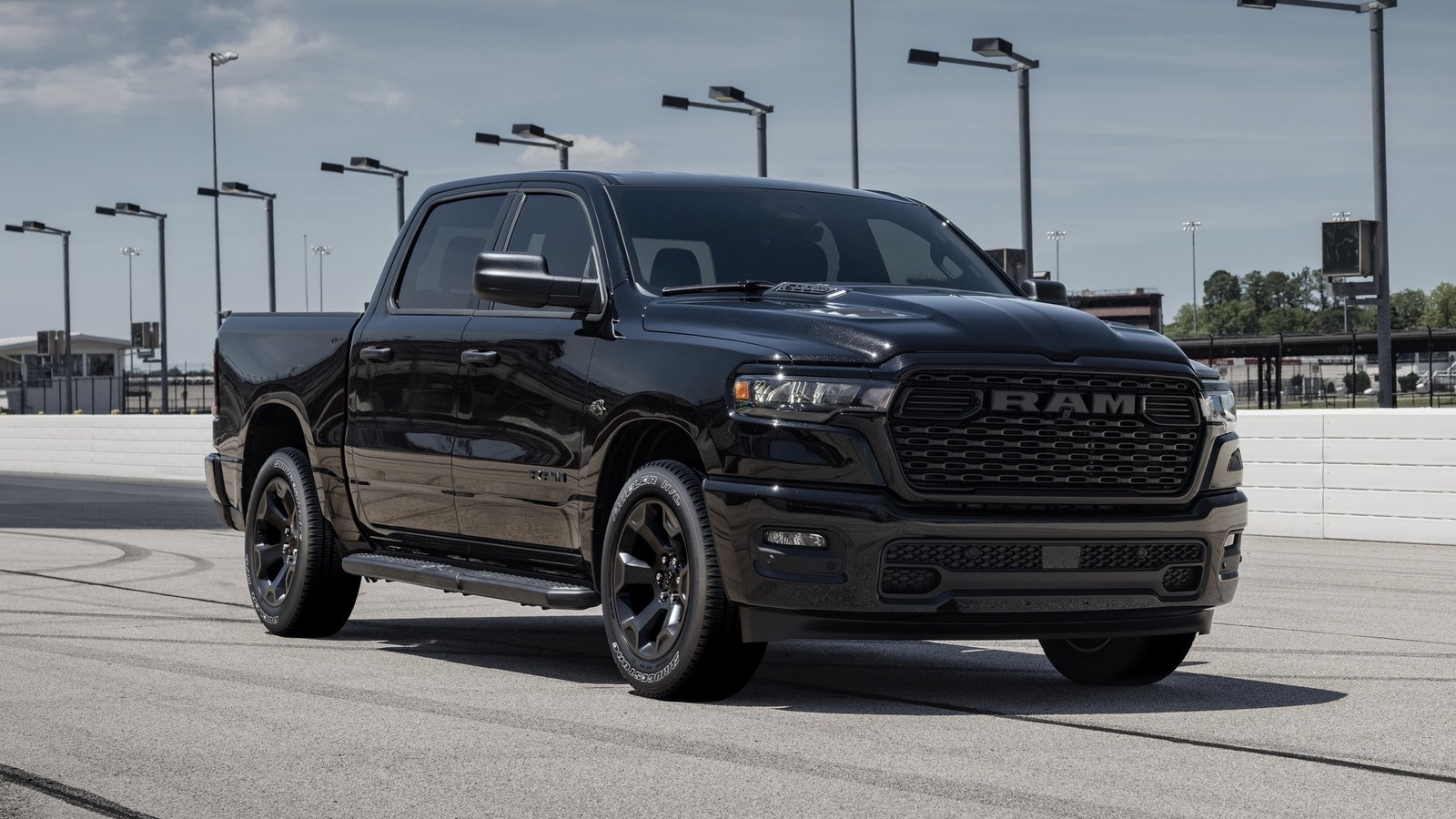
Ford Blue, the gas and hybrid business that includes retail F-150 sales, earned $1.4 billion, down 10% from a year ago, at a 5.1% margin. Ford blamed lower volume from discontinued models, the conflict in the Middle East, and higher commodity costs. Nearly all of Ford's U.S. sales decline last quarter came from two models it no longer builds, as our Ford Q3 sales report showed.
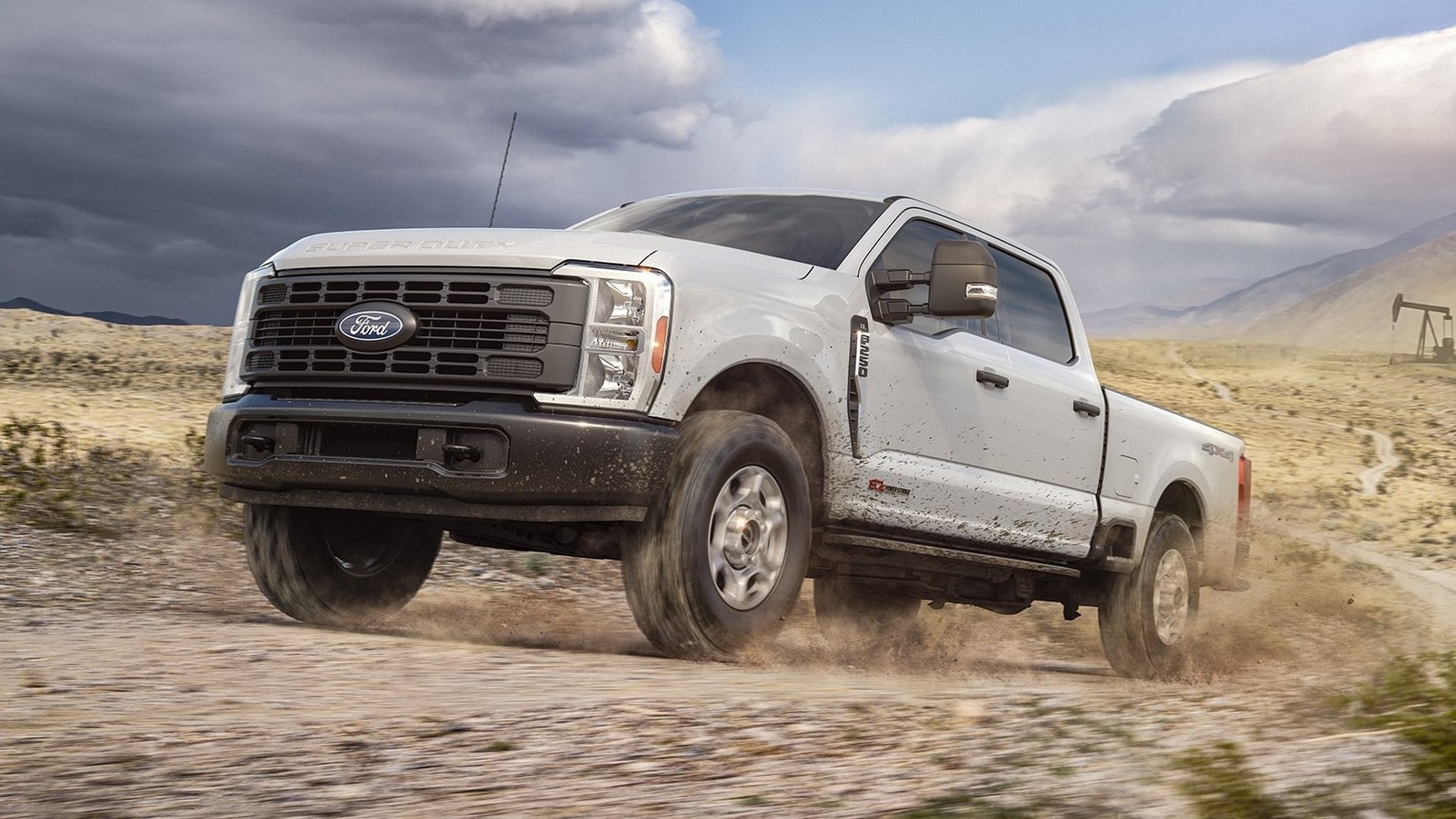
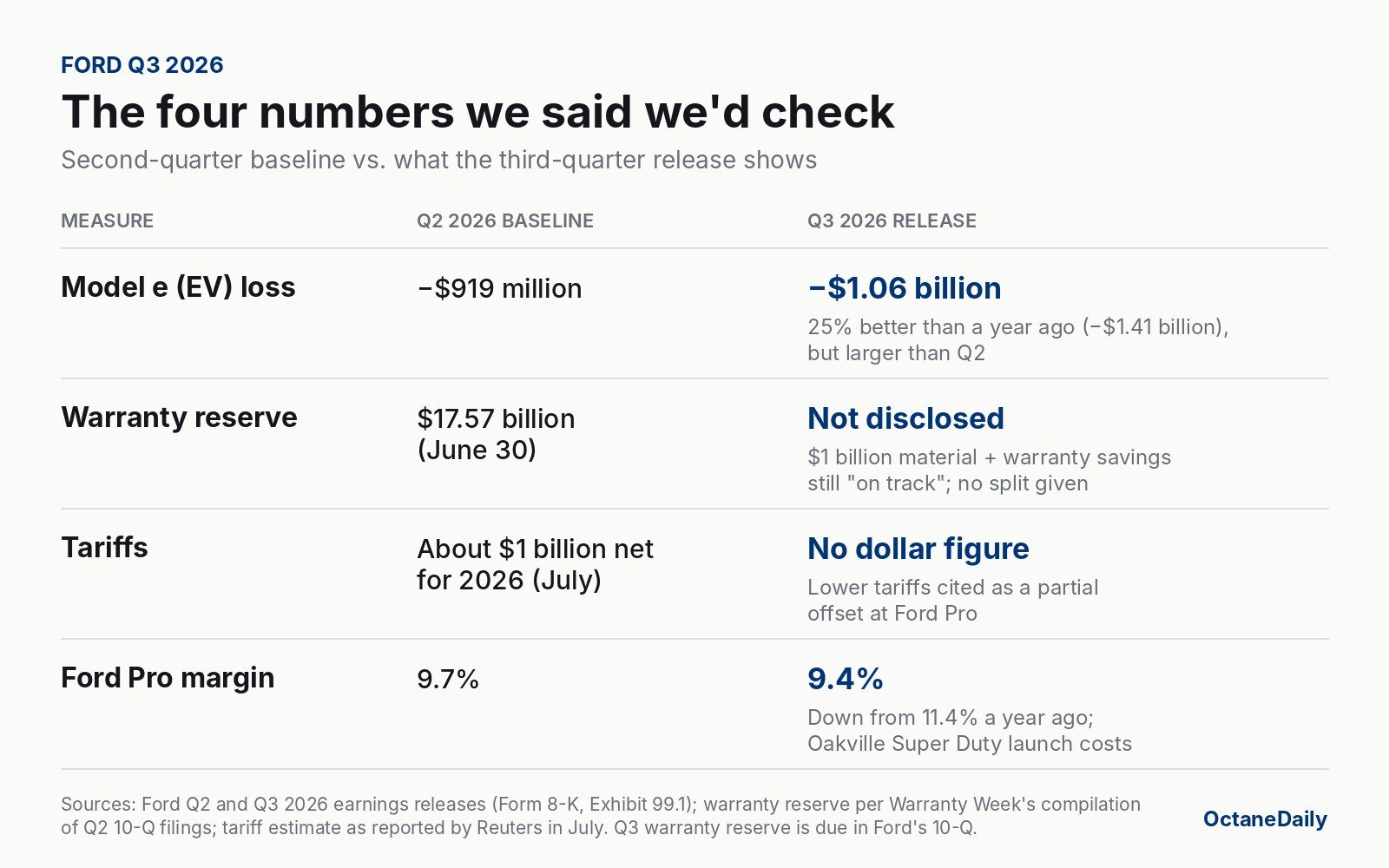
Ford Pro, the commercial arm behind the Transit, the Super Duty, and fleet pickups, earned $1.7 billion, down 16%. Its margin slipped to 9.4%, from 9.7% in the second quarter and 11.4% a year ago. Ford pointed to commodity costs and temporary launch costs as Super Duty production began at its Oakville plant in Ontario; lower tariffs and a richer mix partly offset them.
The company also expects commodity costs to run close to $2.5 billion higher than last year. Combined with the doubled pricing assumption, that suggests Ford is planning for firm prices through year-end, not a price war. It doesn't rule out deals: Ford-brand inventory stood at 101 days of supply at the end of September, against Chevrolet's 88, according to the Cox Automotive data in our scorecard. Ford's release doesn't update that figure, and it doesn't break out results for individual models such as the F-150 or the Maverick.
EVs: smaller loss than last year, bigger than last quarter
Model e lost $1.1 billion, 25% less than the $1.4 billion it lost a year earlier. That was still a bigger loss than the $919 million Ford reported for the second quarter. In July, Ford had warned that about $1 billion of extra spending on its new Universal EV platform and its Ford Energy business would fall mostly in the second half of the year.
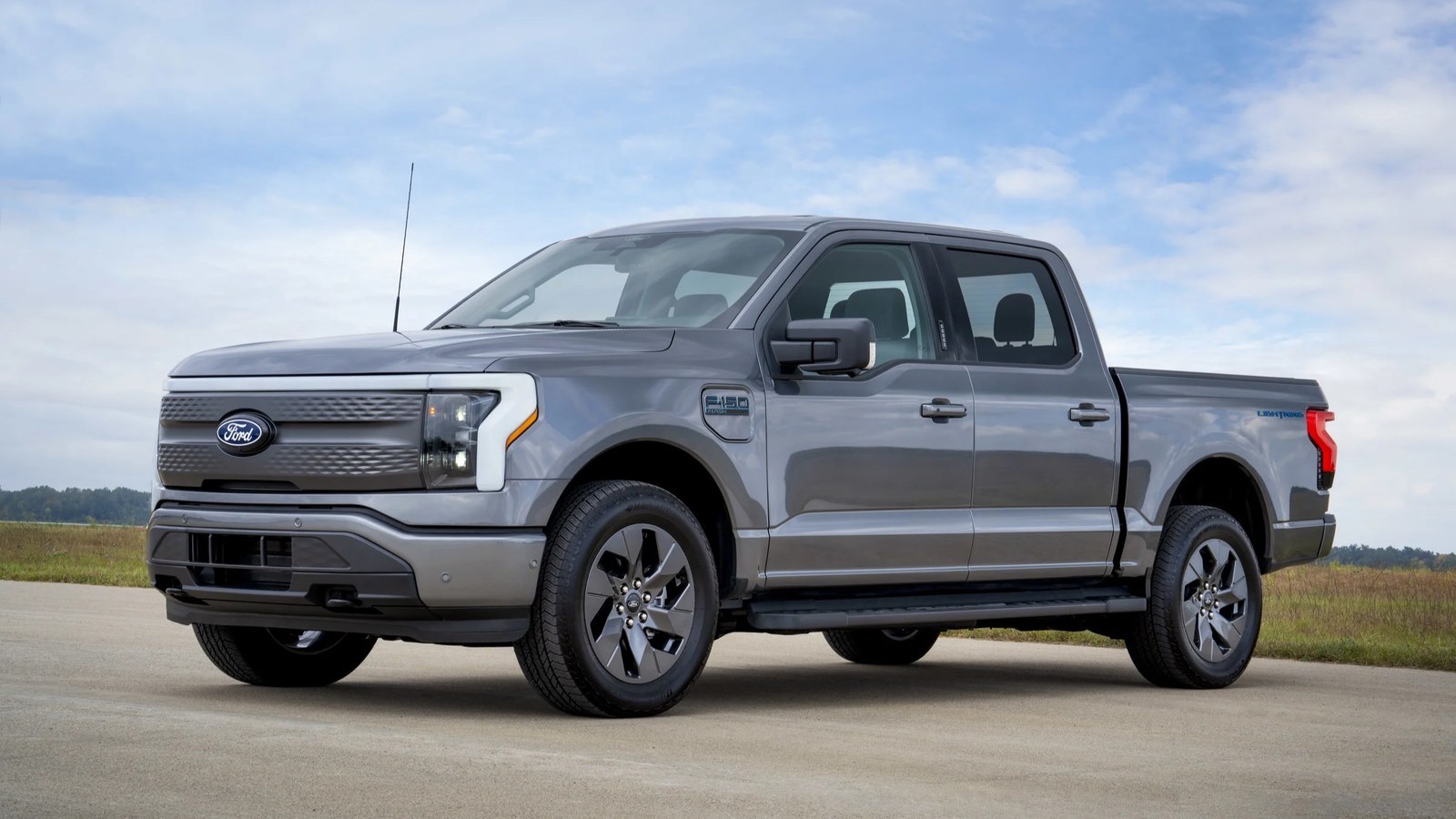
Volume is the other problem. Model e wholesales fell 31% to 34,000 vehicles, and revenue fell to $1.2 billion. The F-150 Lightning ended production in December 2025, and the 2027 Mach-E now starts at $39,995 with a bigger battery. If you're weighing a secondhand truck, our used F-150 Lightning buying guide covers what to check. Ford still expects a Model e loss of about $4 billion this year, which implies roughly $1.2 billion more in the fourth quarter.
Warranty and tariffs: the gaps
Chief Financial Officer Sherry House said Ford remains on track to hit its warranty and material cost targets. The guidance still assumes $1 billion of such savings this year, excluding tariffs and the Novelis aluminum disruption, but the release doesn't say how much comes from warranty and how much from materials. It also doesn't give a third-quarter warranty reserve. Ford held $17.57 billion at June 30, and the quarter brought recalls including a speedometer fix for 102,159 Super Duty and F-150 trucks. Ford's quarterly 10-Q filing should show the updated reserve.
Tariffs are a similar blank. Ford credited lower tariffs with helping Ford Pro, but the release gives no dollar figure for the quarter. In July, Ford put its net 2026 tariff cost at about $1 billion, Reuters reported.
Financing is having a good year
Ford Credit earned $803 million before taxes, up 27%. Ford cited healthy financing margins and a supportive used-vehicle pricing environment, which generally helps trade-in values. Operating lease revenue rose 11% to $1.39 billion. Ford now expects about $2.8 billion from Ford Credit this year, up from a July forecast of more than $2.5 billion.
What's next
CEO Jim Farley said cost cuts and record growth in software and parts are moving Ford toward an 8% adjusted EBIT margin by 2029, with the all-new F-150 and the first Universal EV models central to that plan. The release gives no launch dates or prices for either. Ford reports October U.S. sales on November 3.