The C-HR Is Toyota's Cheapest AWD EV — and It Matches the bZ's Range
Toyota's three electric SUVs carry over for 2027 with an $80 price bump. Line up the prices against the range ratings, and two trims stand out.
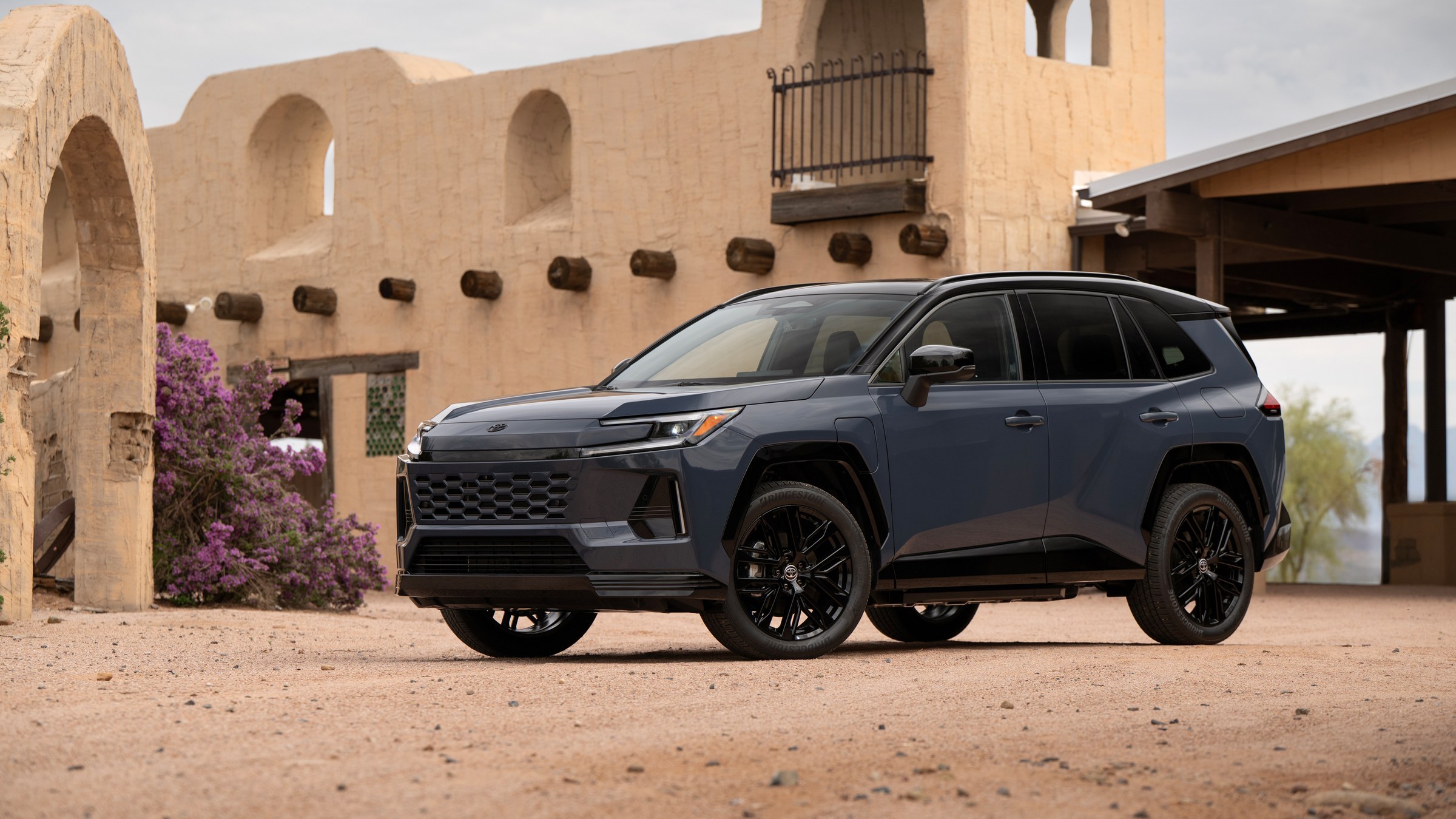
Toyota's three electric SUVs enter the 2027 model year without hardware changes and with prices up just $80, and the company is now marketing the bZ, bZ Woodland, and C-HR as a family built for different buyers. Set the official prices against the range ratings, though, and the smartest buys aren't the ones Toyota leads with.
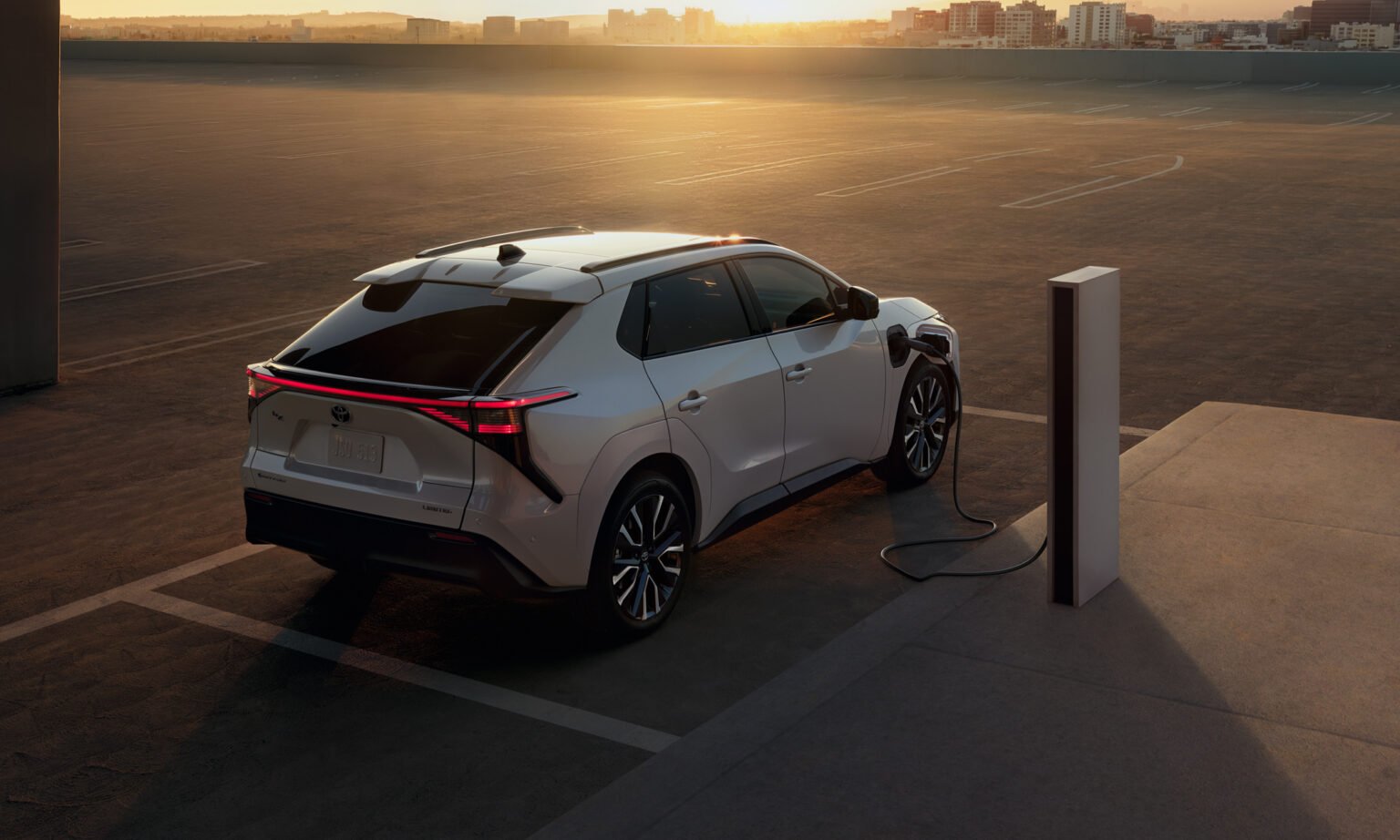
All three ride on the same e-TNGA underpinnings, get a native NACS port for Tesla Superchargers, and are quoted at roughly 30 minutes for a 10–80% DC fast charge. What separates them is price, power, and how many miles each dollar buys. If you're still deciding between an EV and a hybrid, our five-year ownership-cost comparison of the RAV4 Hybrid, RAV4 Plug-in Hybrid, and bZ runs that math.
2027 prices and range
- bZ XLE FWD (57.7 kWh): $34,980, 236 miles
- bZ XLE FWD Plus: $37,980, 314 miles
- bZ XLE AWD: $39,980, 288 miles
- bZ Limited FWD: $43,380, 299 miles
- bZ Limited AWD: $45,380, 278 miles
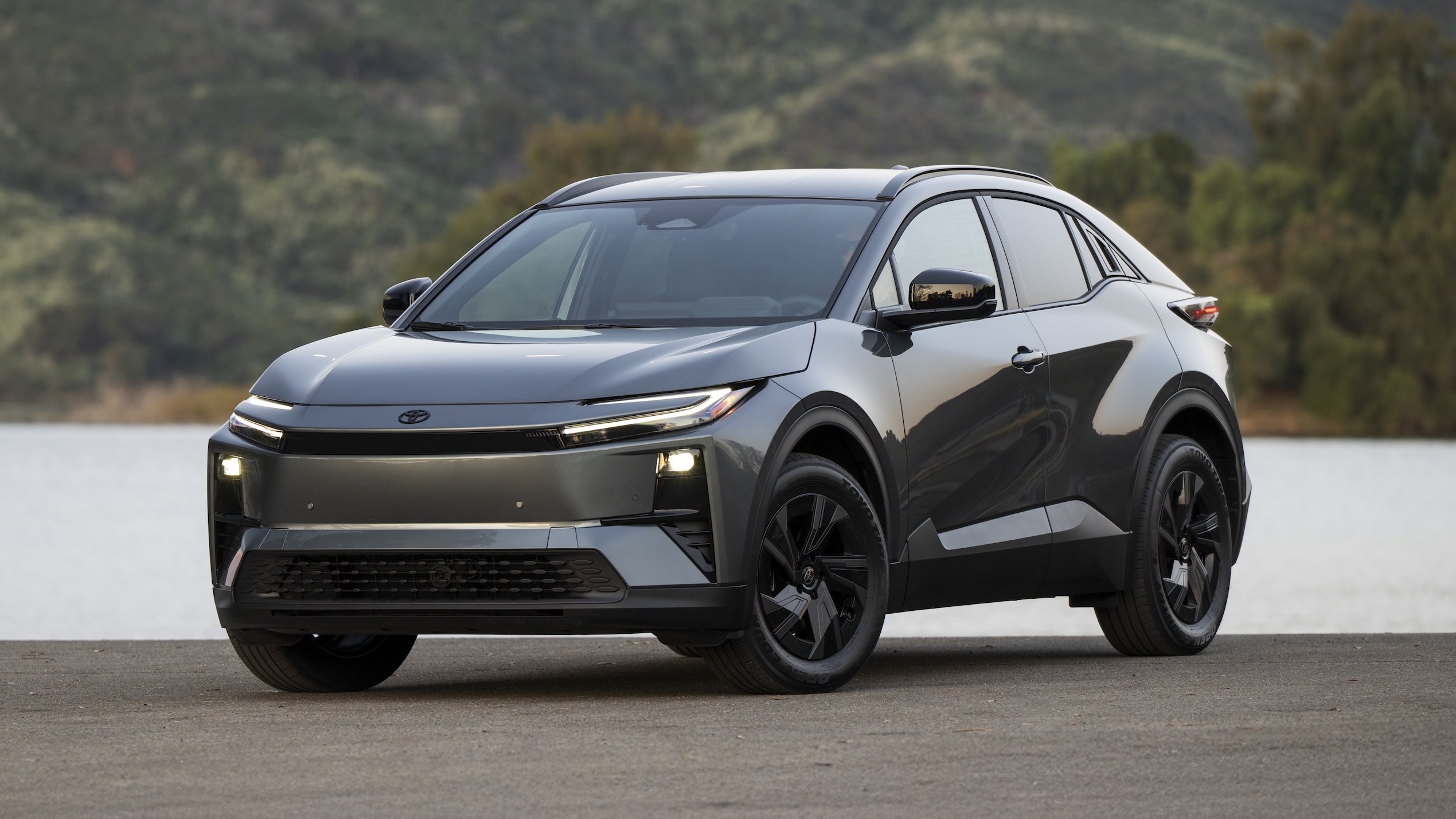
- C-HR SE AWD: $37,080, 287 miles
- C-HR XSE AWD: $39,080, 273 miles
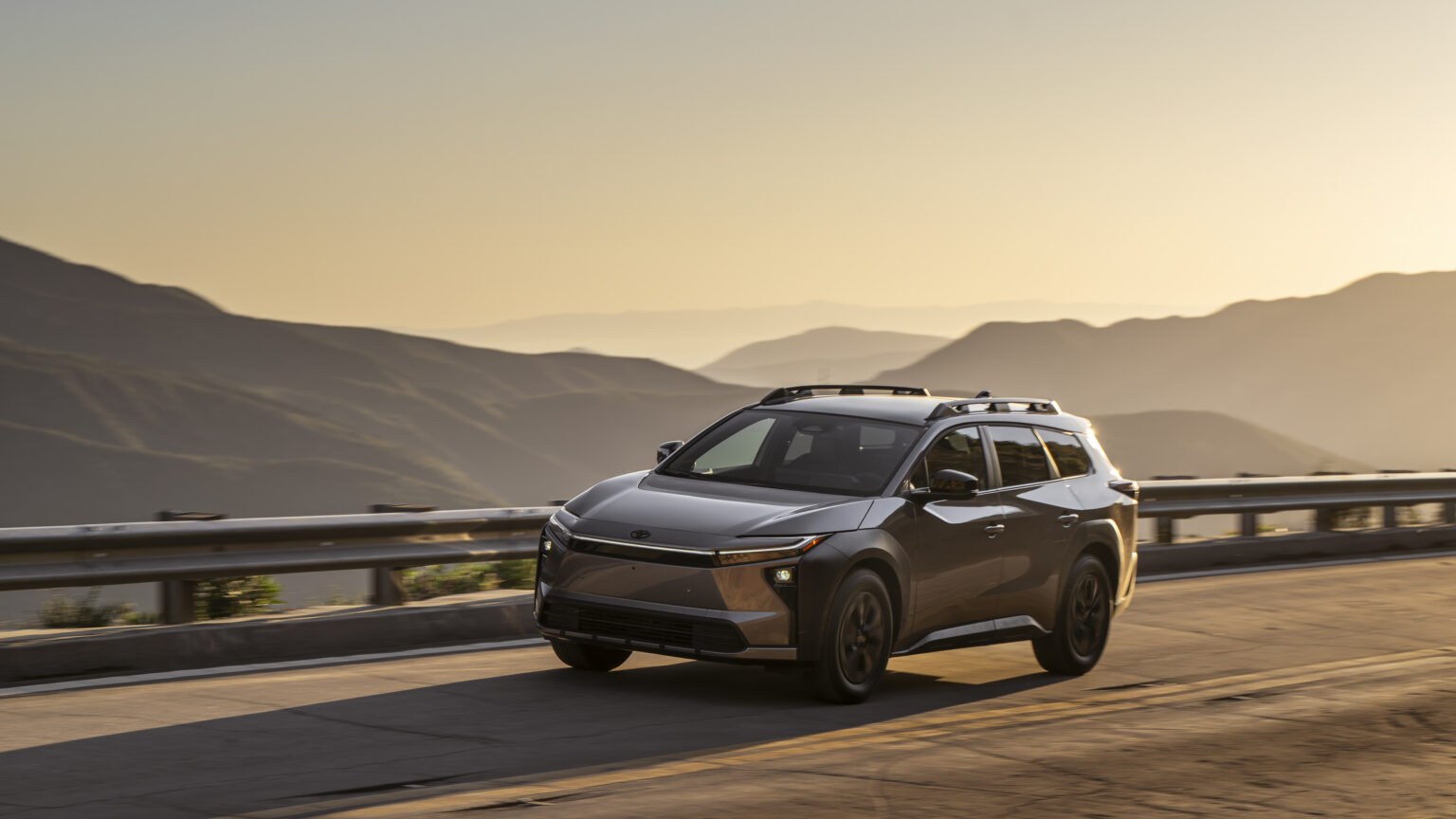
- bZ Woodland AWD / Premium AWD: $45,380 / $47,480, 281 miles (260 on all-terrain tires)
Prices exclude Toyota's $1,595 destination fee. Every version except the base bZ uses a 74.7-kWh battery, and ranges are EPA estimates.
Where the value is
Measured in dollars per mile of range, the bZ XLE FWD Plus wins easily at about $121. The base bZ saves $3,000 but gives up 78 miles, which works out to roughly $148 per mile, the worst ratio of any front-drive bZ.
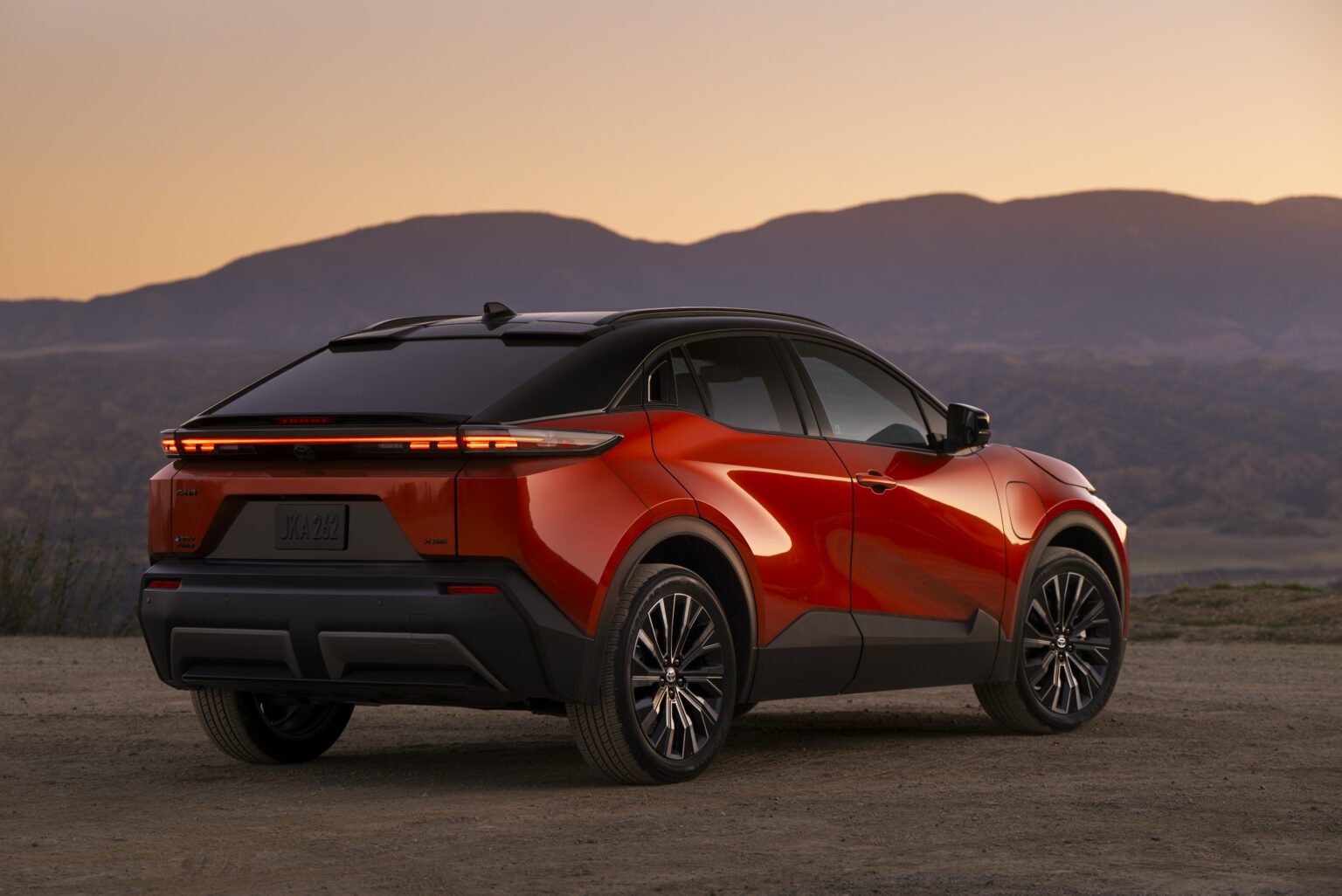
The more telling matchup is in the all-wheel-drive ranks. The C-HR SE and the bZ XLE AWD both make 338 hp and are rated within a mile of each other, at 287 and 288 miles. The C-HR costs $2,900 less. The trade-off is size, since the bZ is about 6 inches longer. Buyers who can live with a smaller cabin get Toyota's cheapest AWD EV, one Toyota says hits 60 mph in 4.9 seconds.
At the top of the range, the bZ Woodland and the bZ Limited AWD carry an identical $45,380 sticker. On paper the Woodland comes out ahead, with 375 hp instead of 338, three more miles of range, and a 3,500-pound tow rating. Anyone shopping a Limited AWD should drive a Woodland first.
The Woodland's optional all-terrain tires cost 21 miles, dropping its rating from 281 to 260. That's a similar penalty to the one Rivian quotes for the R2, which is rated at 330 versus 307 miles depending on tire package.
What comes next
The 2027 C-HR sits outside the software recall that can cut power on 2026 C-HRs. NHTSA's filing lists only the 2026 model year.
Toyota calls this the first installment of a four-part series, with performance and home and public charging still to come. Full specs are on Toyota's C-HR press page and in its 2027 bZ Woodland announcement. The company hasn't signaled any pricing moves beyond the $80 increase. Its third-quarter U.S. sales report, due in early October, will show how the trio is actually selling.