Hyundai's Best Q3 Ever Leaned on the Outgoing Tucson as Ioniq Sales Halved
Hyundai sold 246,896 vehicles in the US from July through September. The Tucson jumped 23% as its replacement debuted, while Ioniq EV sales fell by more than half.
Hyundai's best third quarter in the US came from hybrids and a Tucson on its way out, not from its EVs. The brand sold 246,896 vehicles from July through September, up 3% from a year earlier, and the Tucson alone accounted for about a quarter of that.
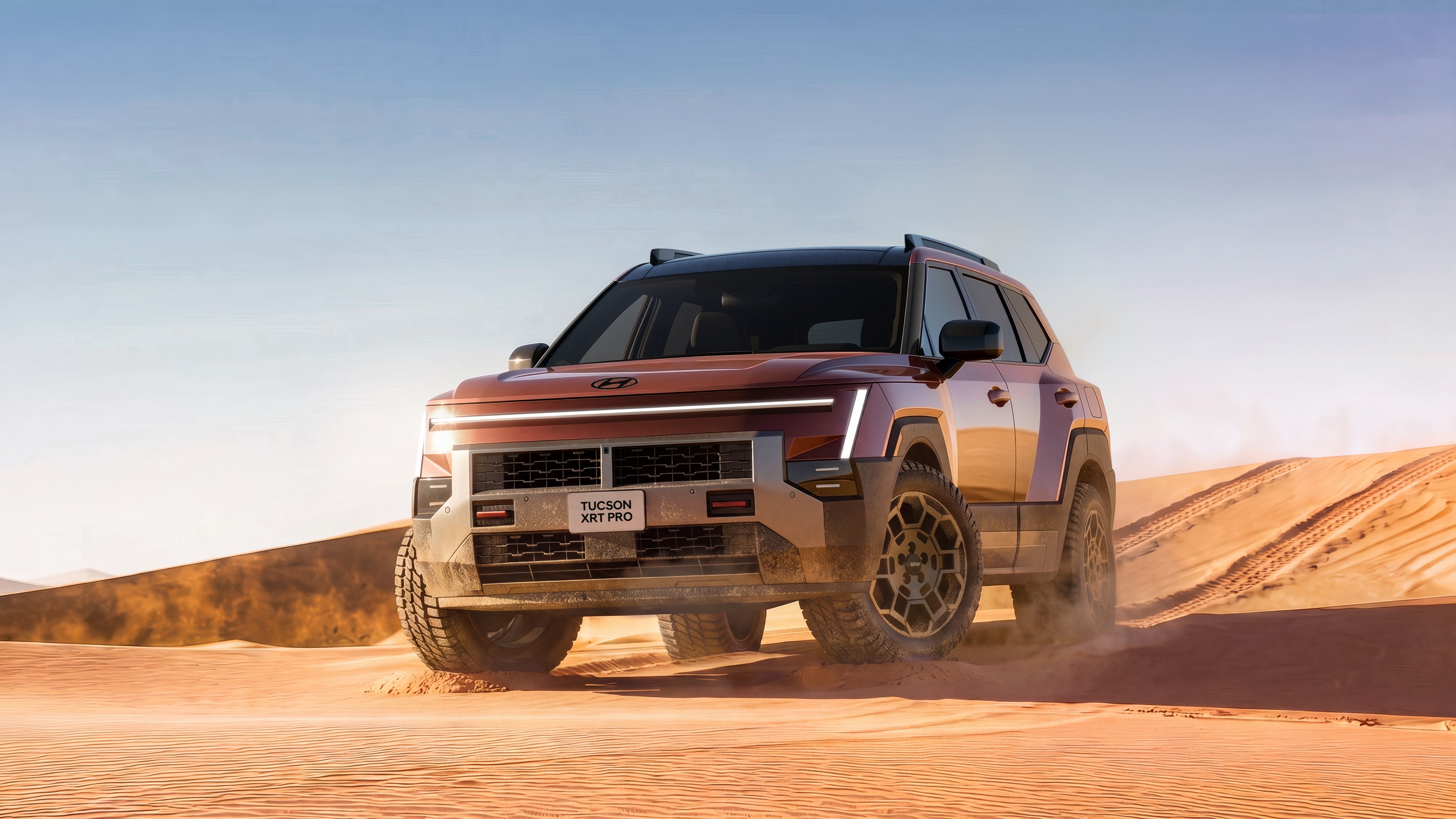
Tucson sales rose 23% to 64,075, a third-quarter record for the nameplate, according to Hyundai's sales report. The numbers landed on the same day Hyundai revealed the fifth-generation model in New York. Our 2027 Hyundai Tucson guide covers what we know about the replacement.
September brought another record. Hyundai sold 77,439 vehicles, 9% more than a year ago and its best September yet. The Palisade led the gains at 52%, to 10,327 units, followed by the Sonata (up 39%), Tucson (up 32%), and Santa Fe (up 21%). The Tucson's 23,164 September sales made up nearly 30% of the brand's total.
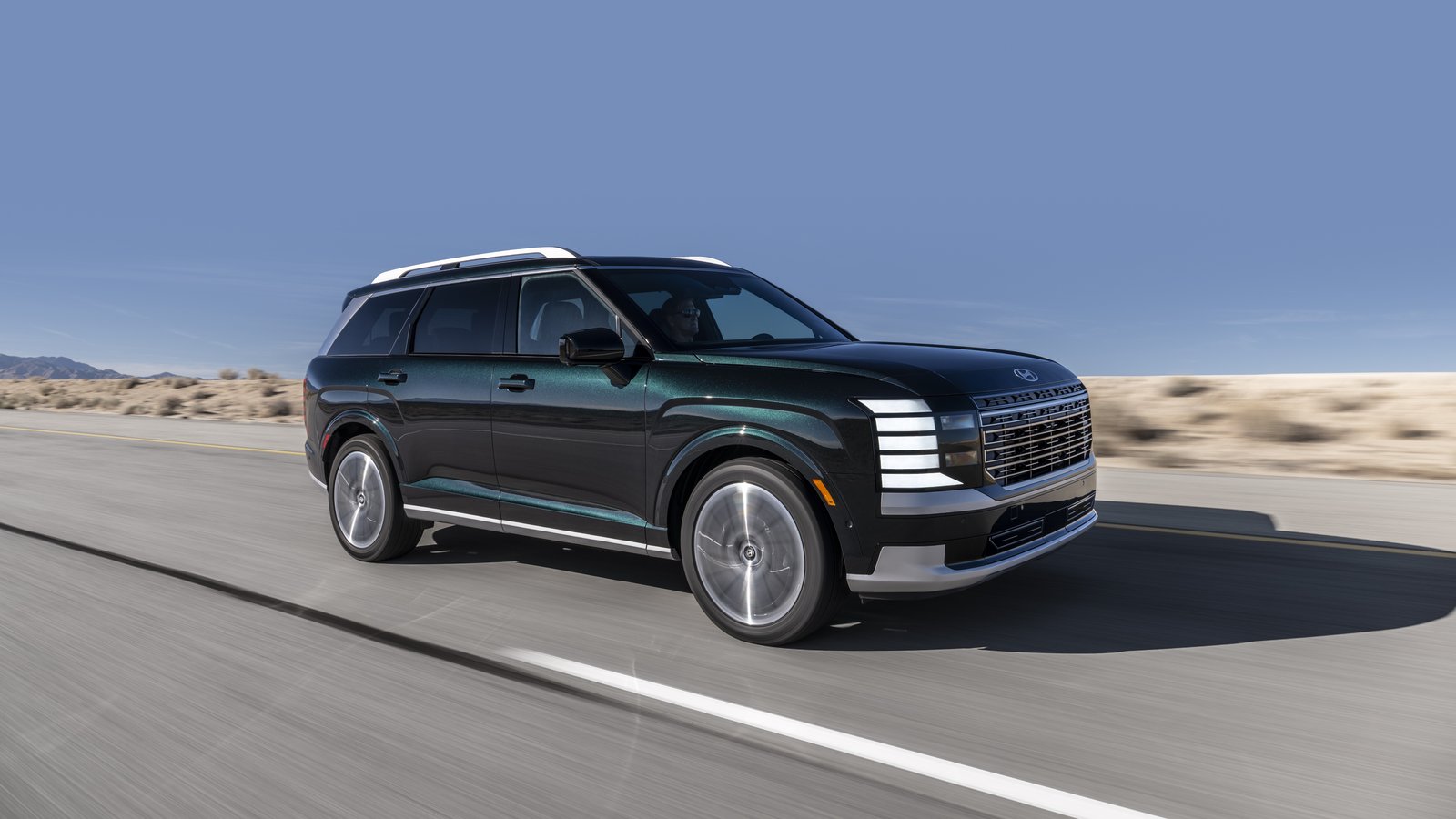
Hybrids did the heavy lifting
Hyundai's hybrid sales climbed 35% in the quarter, a Q3 record. In September they rose 39% and made up 28% of volume, or more than one in four Hyundais sold. North America CEO Randy Parker pointed to growth across SUVs, sedans, and hybrids.
The company doesn't publish hybrid sales by model. It does say Sonata Hybrid sales more than doubled in the quarter and the Santa Fe Hybrid had its best quarter ever. The Sonata as a whole gained 34% and the Elantra 18%.
The Tucson still trails the Honda CR-V on both volume and hybrid mix. Hybrids made up 31% of US Tucson sales in 2025, Hyundai said in the reveal release for the new model. Honda sold 110,730 CR-Vs in the third quarter, a Q3 record and up 16.6%, and hybrids accounted for 53% of them, according to Honda. We break down how the Tucson compares with the Toyota RAV4 on size, specs, and price.
Hyundai's total also topped the 236,659 vehicles sister brand Kia sold, though Kia grew faster, at 8%, in its own record quarter. Genesis reports separately and isn't included in Hyundai's figures.
The EV gap
The Ioniq lineup went the other way. The Ioniq 5 fell 53% in the quarter to 10,382 units, and 65% in September. The three-row Ioniq 9 dropped 47% to 1,663. The Ioniq 6 sold just three cars in September and 107 in the quarter, and the sales report doesn't explain why.
Together, the three Ioniq models sold 12,152 units, down 57% from 27,973. That's about 5% of Hyundai's quarterly volume, down from about 12%. Without them, Hyundai's third-quarter sales would have grown roughly 11% instead of 3%, by our math from the company's table. Any Kona Electric sales are counted under the Kona line and aren't broken out.
The year-ago comparison is unusually tough. Under IRS guidance, the $7,500 federal clean vehicle credit doesn't apply to EVs acquired after September 30, 2025, so last year's third quarter was the final window to claim it.
The next question is how long the current Tucson can keep this up. Hyundai says the new model reaches North America in 2027, with a hybrid targeting up to 42 mpg before EPA testing and a 3,000-pound tow rating for the hybrid, 1,000 pounds more than before. It hasn't announced US pricing or an on-sale date. For the wider market picture, see what Q3 sales mean for car buyers.