What VW's $18.6 Billion Restructuring Means for American Car Buyers
The board signed off on 50,000 job cuts and a halved lineup the same day VW pointed at U.S. pickups. The showroom impact is smaller than the headlines suggest.
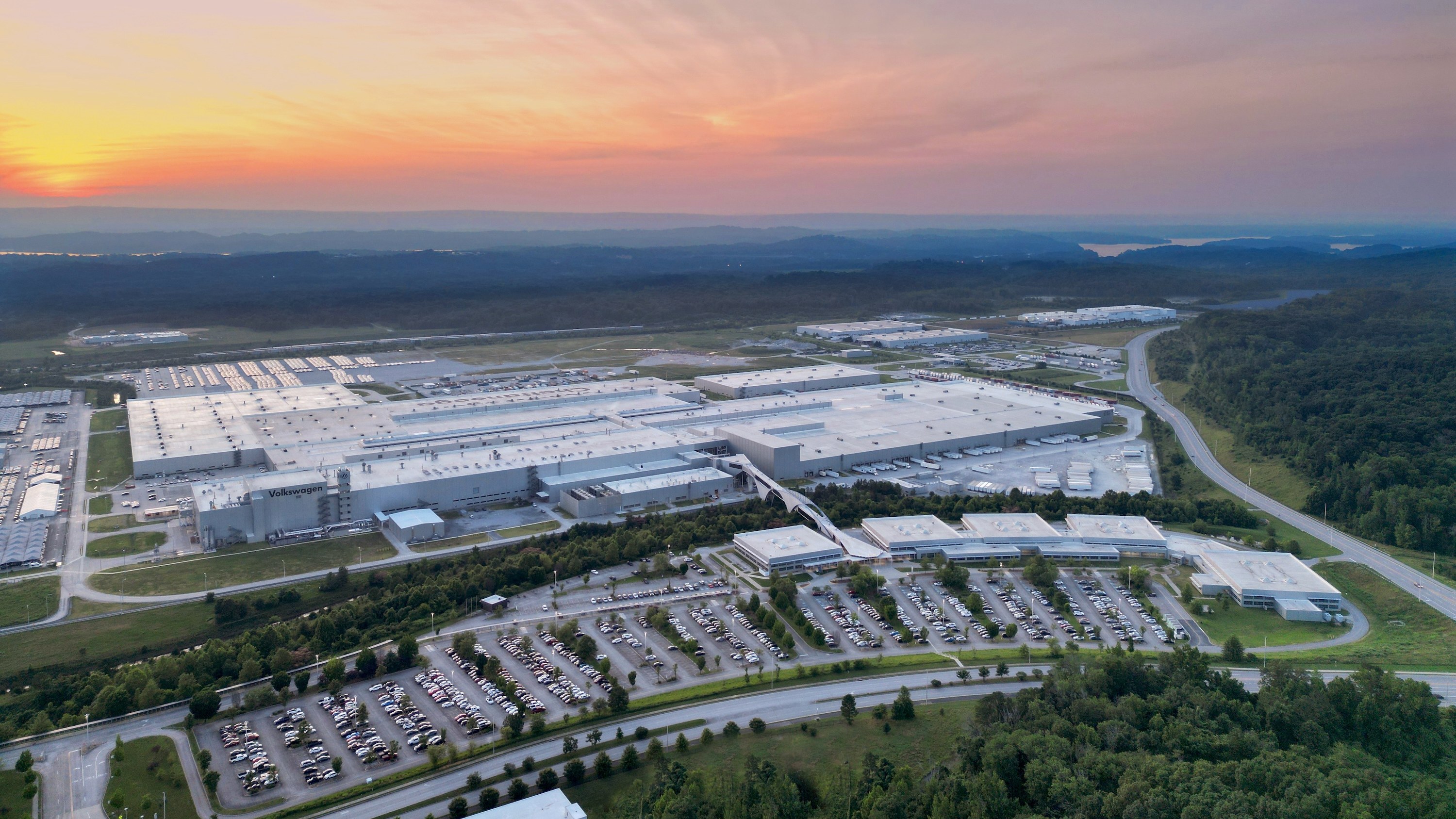
Volkswagen made two announcements on September 3 that most coverage has treated separately. In Wolfsburg, the supervisory board approved a restructuring that cuts around 50,000 more jobs and halves the group's model lineup. The same day, the VW brand said it would build a dedicated North America strategy around hybrids and, potentially, body-on-frame SUVs and pickups. A week later, Reuters put a price on the German half of that equation: about €16 billion ($18.6 billion), citing a single source. Volkswagen declined to comment.
Read together, they describe one decision: shrink at home to afford the trucks Americans actually buy. Here is what has been decided, what hasn't, and what it means if you're shopping for a VW this fall.
What Volkswagen has actually committed to
The official parameters come from the Future Plan 2030 release. Around 50,000 positions go, roughly half in Germany and half abroad, on top of programs agreed in 2024 and 2025. The portfolio shrinks by about half by 2035, to roughly 75 models across all brands, and equipment options drop by around 75 percent. The target is a 9 percent operating margin by 2030 on about 9 million vehicles a year, backed by €135 billion in capital spending and R&D from 2027 through 2031.
Four German plants, Emden, Zwickau, Hanover, and Audi's Neckarsulm, have no confirmed follow-on products once their current programs end between 2031 and 2034. Volkswagen has not decided to close any of them. It has until the end of June 2027 to produce a concept for its European production network and is assessing alternative uses in parallel.
The €16 billion is different in kind. It comes from a Reuters report on September 10 citing one person familiar with the matter, after Der Spiegel reported it first: roughly €1 billion each to wind down Emden and Zwickau, about €2 billion each for Neckarsulm and Hanover, and the balance for severance. That is an estimate of what the plan could cost if the plants stop building cars, not a decision that they will.
The job numbers also need untangling. The 50,000 is Volkswagen's figure for new cuts. The 60,000 is Spiegel's headcount for a reported €10 billion severance provision. The 100,000 cited by Bloomberg and Electrek adds roughly 50,000 reductions already agreed at VW, Audi, Porsche, and Cariad before this plan.
Why this is really a U.S. story
The first-half numbers explain the urgency. Group deliveries in North America fell 3.1 percent to 447,500, and U.S. sales dropped 7.4 percent, which the company attributed to tariffs and regulatory changes. China was worse, down 25.9 percent. The operating margin came in at 3.8 percent, less than half the 8 to 10 percent range Volkswagen calls its ambition. The company has said U.S. tariffs cost it on the order of €5 billion ($5.8 billion) a year.
On the investor call after the board vote, CFO Arno Antlitz said the Jetta and Taos carry significant U.S. volume but earn poor margins when shipped from Mexico under the current tariff regime. CEO Oliver Blume called rugged SUVs and pickups profit pools Volkswagen has not yet played, and said both the VW and Audi brands could add ladder-frame vehicles, per a transcript reviewed by Bloomberg. The group's Future Plan overview now describes the U.S. portfolio as mid-size and larger SUVs and pickups, with more local production.
None of that is a product announcement; Antlitz said it was too early to announce anything for the VW brand. We track what is confirmed in our Volkswagen pickup hub.
If you're shopping for a VW this fall
Nothing in the restructuring changes the car on the lot today. The changes that touch American buyers were already in motion before September 3.
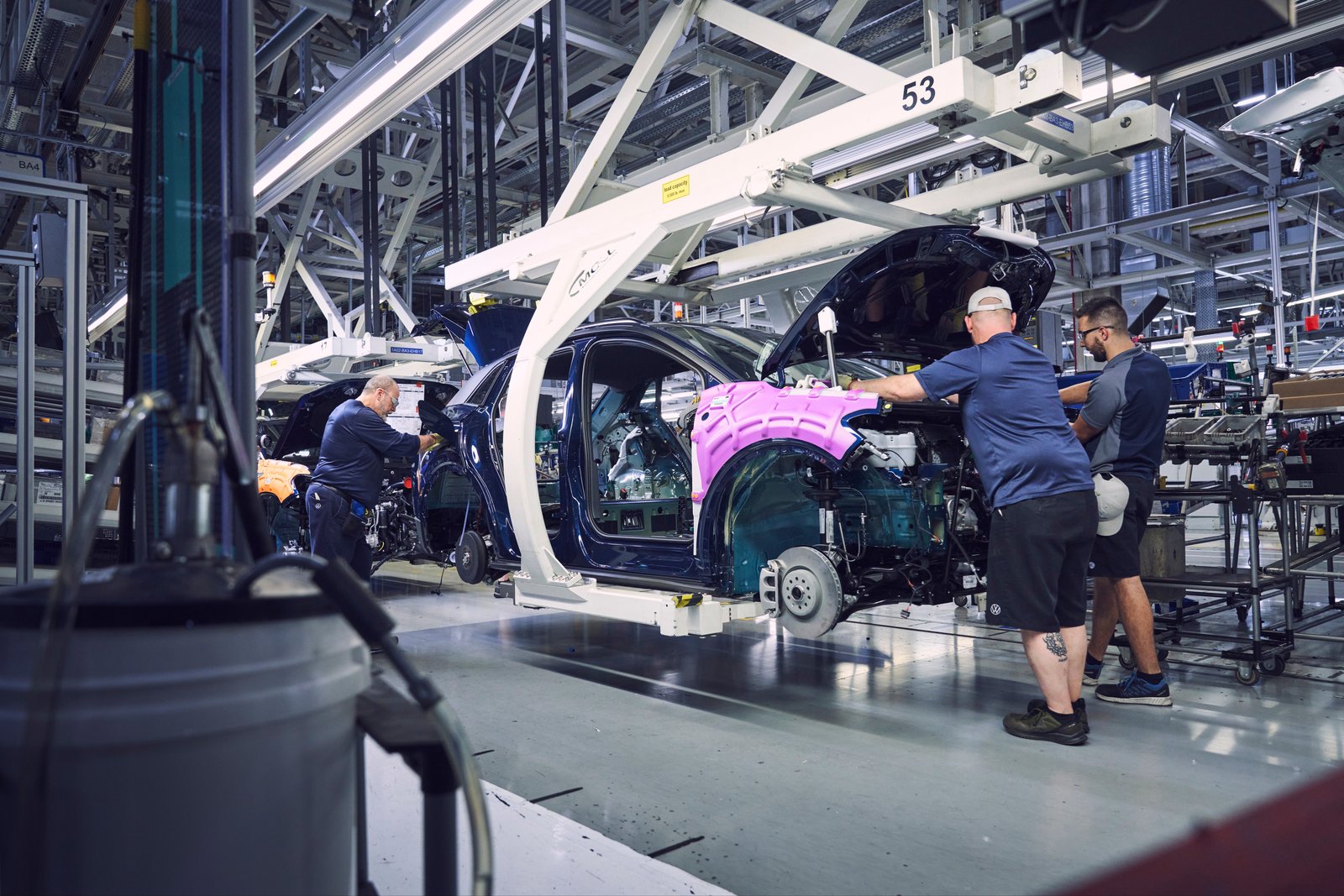
The ID.4 is the clearest case. Volkswagen stopped assembling it in Chattanooga in mid-April to make room for the second-generation Atlas, and says model-year 2026 inventory will carry U.S. demand into 2027. A future ID.4 is "currently planned" for North America, with no timeline. You are buying from finite stock, which usually favors the buyer on price.
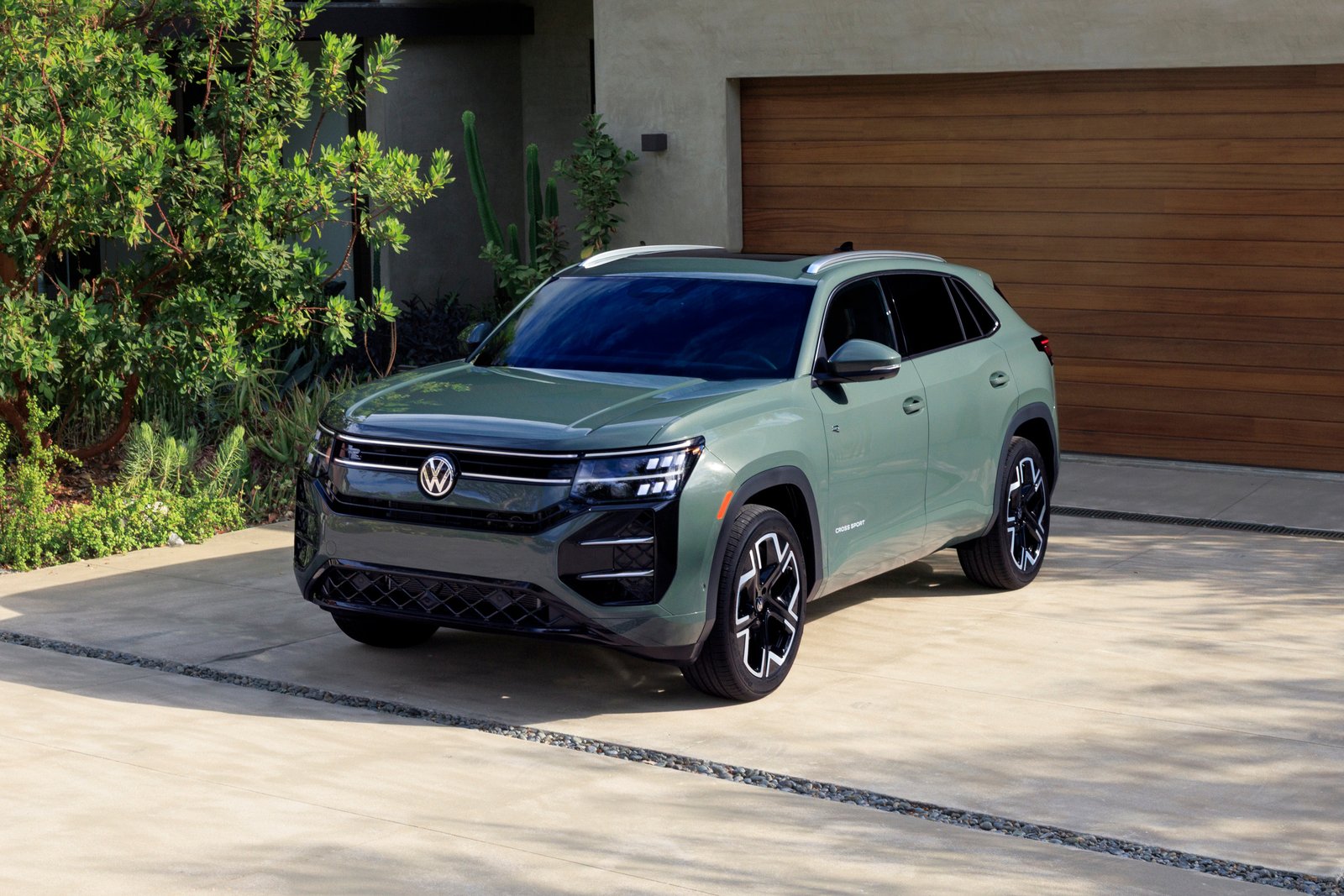
The 2027 Atlas, the vehicle Chattanooga is being reorganized around, arrives this fall from $41,610 for front-wheel drive and $43,610 with 4Motion, plus $1,525 destination. Atlas and Atlas Cross Sport made up 30 percent of VW's U.S. sales in 2025 and are the models least exposed to tariffs.
The ID. Buzz returns for model year 2027 with a new Tourer trim. It is built in Hanover, one of the four plants under review, but that review concerns what Hanover builds after 2032, not the van you can order now. Our electric camper van hub covers the Tourer.
The Jetta and Taos are where the uncertainty sits. In July, Bild reported that neither would get a next generation; Volkswagen told Motor1 it does not comment on speculation about future models. Antlitz's tariff comment doesn't confirm the report, but it explains why it is plausible. Both are Puebla-built, and both took tariff-era price increases for 2026, to $25,270 and $27,975 including destination per Kelley Blue Book. Volkswagen has dropped a U.S. sedan before, with the Passat, and current cars stay sold and supported regardless.
- ID.4 shoppers: 2026 stock is the last U.S.-built run for now. Negotiate accordingly.
- Atlas shoppers: the 2027 is the one Volkswagen is betting on. Wait for it unless a 2026 deal is exceptional.
- Jetta and Taos shoppers: nothing is discontinued yet. Ask about incentives; the tariff is already in the sticker.
- ID. Buzz shoppers: order the 2027 and ignore the Hanover headlines for now.
Will the restructuring raise U.S. prices?
There is no evidence it will, and the logic runs the other way. The €16 billion, if the estimate holds, is largely German severance and wind-down cost, and the North America strategy is built around local production because that removes tariff exposure. The price driver for U.S. buyers in 2026 is the tariff itself, already in the sticker. Whether a U.S.-built VW truck changes the brand's price ladder is a question for 2028 and beyond.
What we don't know yet
- Whether the €16 billion estimate is accurate. Volkswagen has not confirmed it.
- Which models leave the U.S. lineup. Jetta and Taos are reported, not confirmed.
- Whether any of the four German plants stops building vehicles. The concept is due by the end of June 2027.
- What the body-on-frame SUV or pickup is, where it is built, and whether it shares anything with Scout, which starts sales in 2028.
- When the next ID.4 arrives, and under what name.
What's next
Marco Schubert takes over the North America region on October 1. Third-quarter deliveries, due in October, will show whether the second-quarter recovery in North America held. The European production concept is due by the end of June 2027. We will update this page when Volkswagen confirms the restructuring cost, names a U.S. model that is leaving, or announces a body-on-frame product.