Volvo Is Losing Money in America. Its Fix Starts With a US-Built XC60
Tariffs, lost EV incentives, and a $111 million CAFE write-down hit Volvo's third quarter. Its US answer: XC60 production in South Carolina from early 2027.
Volvo Cars lost money in the third quarter, and its own report puts the US right next to China among the reasons. The Swedish automaker posted an operating loss of SEK 5.6 billion (about $563 million) for July through September, or SEK 3.7 billion (about $372 million) once joint ventures and one-off items are stripped out, on revenue that fell 23% to SEK 66.9 billion, according to its third-quarter release.
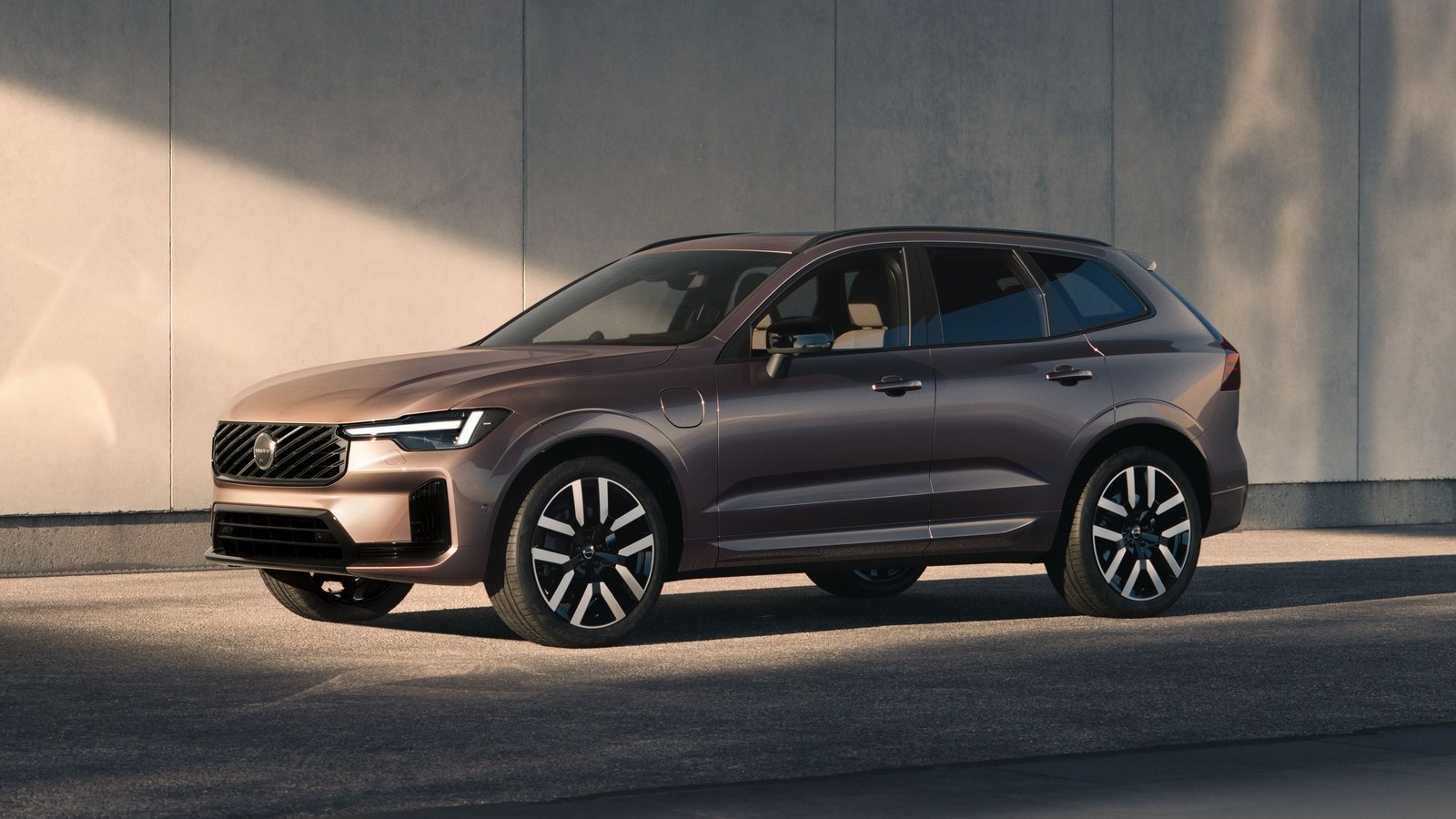
Most of the coverage has led with the 2,500 jobs Volvo is cutting. The American part of the story is more specific: starting in the first quarter of 2027, Volvo will build the XC60, its best-selling model, at its plant near Charleston, South Carolina. It is the first concrete production step in Volvo's plan for 13 new models by 2030.
Dollar figures here use Xe's mid-market rate on October 23, 2026, of 1 SEK = $0.1006.
Where America hurt
Volvo says tariffs and the end of federal consumer incentives for electrified cars kept squeezing its US margins. The revenue line shows how much: US sales brought in SEK 9.7 billion (about $976 million), down 33% from a year earlier, while retail deliveries slipped only 9%, to 23,800 cars, according to the company's interim report.
The US was still Volvo's largest single market by retail sales in the quarter, ahead of the UK and China. But buyers are moving away from the cars Volvo has bet on. Across the Americas, electrified models made up 37% of its sales, down from 43%, and fully electric cars just 12%, down from 19%. By Volvo's count, US sales of EVs and plug-in hybrids across the whole market fell 40% and 38%, respectively.
A $111 million CAFE write-down
One charge is entirely American. Volvo cut the value of its stockpile of US fuel-economy compliance credits by SEK 1.1 billion (about $111 million) and booked the hit against revenue. The report says changes to the Corporate Average Fuel Economy rules were enacted during the quarter with retroactive effect.
Volvo doesn't name the provision. The timing matches the Transportation Department's final CAFE rule for model years 2022 through 2031, released in late September, which ends credit trading starting with the 2028 model year. Congress had already set the fine for missing CAFE targets to zero in 2025, as our explainer on the new CAFE rules details. For brands with large electrified lineups, those credits used to be something to sell to rivals. With no penalty to avoid, fewer buyers need them.
The fix: build more in South Carolina
Volvo has split the US market into four regions to speed up decisions. The bigger move is local production. When Volvo first announced XC60 assembly in South Carolina in July 2025, it said output would start "from late 2026," Reuters reported. The new target is the first quarter of 2027.
The plant already builds the electric EX90. When the XC60 move was announced, it had capacity for 150,000 vehicles a year, but industry estimates put its use at about 13%, the SC Daily Gazette reported. A high-volume nameplate is the quickest way to change that.
Volvo is also fast-tracking the long-range plug-in hybrid versions of the XC60 and XC90. European deliveries start this year, and US deliveries follow "shortly after," the company says. The XC60 version is rated at up to 78 miles of electric range on preliminary EPA estimates. By the end of the decade, Volvo plans to build a second, all-new model in the US with several powertrain options.
What Volvo hasn't said
The company hasn't named the second US-built model, released US pricing for the long-range plug-in hybrids, or said when the EX60 will reach American buyers. That electric SUV has more than 50,000 European orders, but its cell-to-body battery construction is making production slower to ramp up than planned.
The job cuts are part of a further SEK 5 billion (about $503 million) in savings, with 2,000 of the 2,500 positions in Sweden and the full effect due by the end of 2027. Chief executive Håkan Samuelsson, who will hand over to incoming CEO Klaus Zellmer by October 2027, said the company needs "additional decisive actions" to lower its break-even point.