VW's U.S. Steering Recall Just Went Global — and Got 14 Times Bigger
The KBA puts the VW and Audi campaign at 2.86 million cars; Handelsblatt says 4 million with Skoda and Seat. The U.S. list is still three SUVs, and the Part 573 filing now explains part of why.
Two weeks after Volkswagen Group of America recalled 208,724 SUVs over a steering rack bolt that can corrode and snap, the same defect has grown into what Handelsblatt calls the group's largest recall since Dieselgate. Germany's motor transport authority, the KBA, has confirmed campaigns covering about 2.16 million Volkswagens and 696,000 Audis worldwide, and Handelsblatt reports the total reaches roughly 4 million with Skoda and Seat counted.
For an American owner, the headline number matters less than the two lists behind it. The European campaign reaches back to Golfs built in 2013 and forward to cars built in the summer of 2024. The U.S. campaign, NHTSA 26V590000, still names three vehicles: the 2018 Tiguan, the 2018–2019 Atlas, and the 2019–2021 Audi Q3. Volkswagen's own filing now explains at least part of why.
What Europe added this week
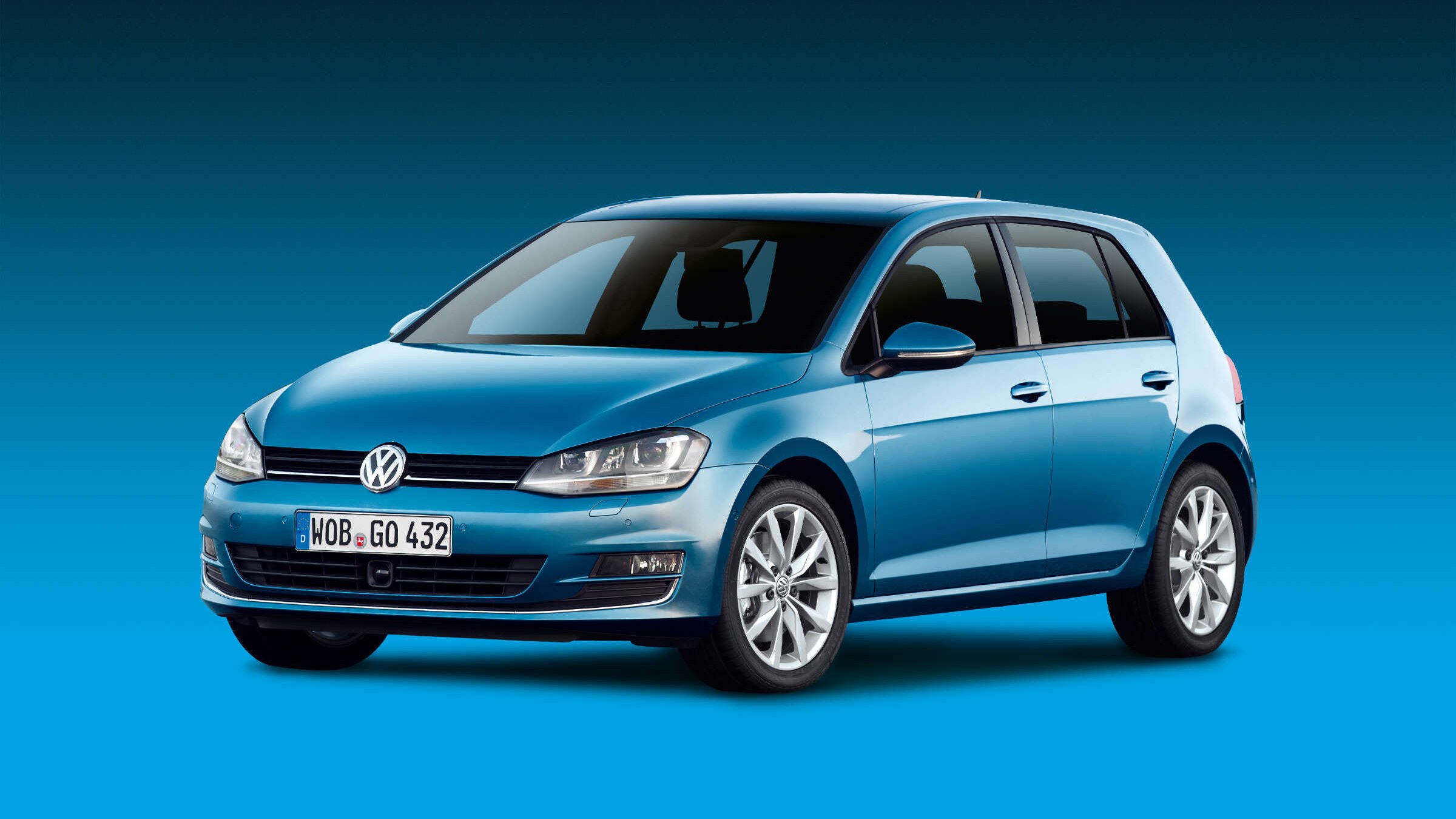
The German recall entries surfaced on September 24 through ADAC, the country's motoring club: KBA reference 17016R for Volkswagen, with action code 48VS, and 17014R for Audi, with action code 48LG. The Volkswagen entry covers the Golf, Golf Variant, Tiguan, Touran, and Caddy built between September 24, 2013, and July 1, 2024. The Audi entry covers the Q3 built between October 31, 2017, and May 23, 2024. The defect and the fix match the U.S. filing: a corroded bolt at the steering gear mount can break, and dealers replace it with a corrosion-resistant one at no charge.
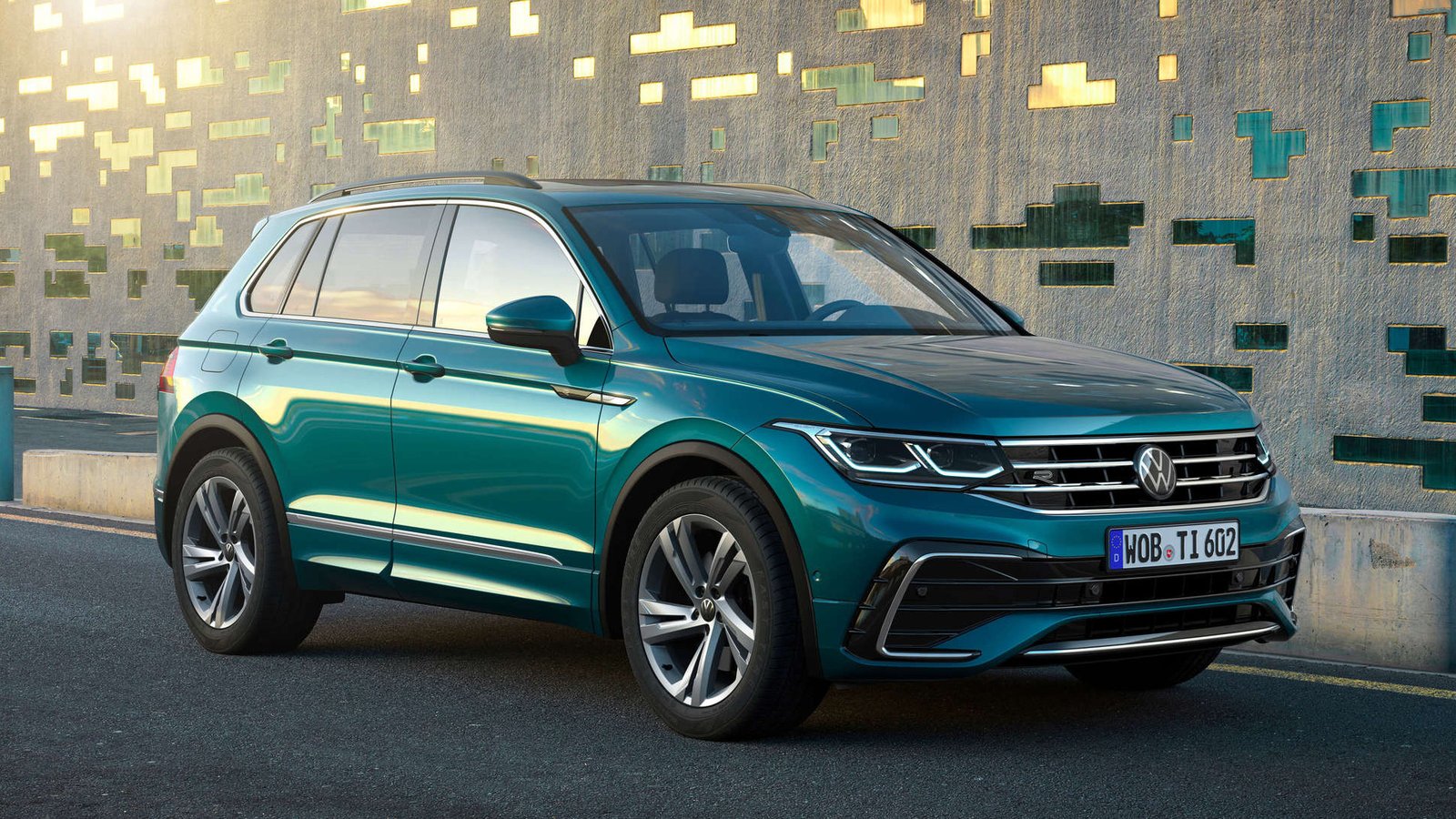
Per KBA figures reported by Euronews, roughly 900,000 of the Volkswagens and 58,555 of the Audis are in Germany, and the KBA is not aware of any incidents involving damage or injury. Audi said road salt and other environmental conditions could corrode the bolt over several years, and that the repair takes up to an hour.
The 4-million figure is Handelsblatt's, which reported on September 25 that Skoda has more than 1 million vehicles in the action and Seat about 200,000. Per Reuters, the KBA confirmed the Volkswagen and Audi numbers, Seat confirmed its own, and Skoda had no immediate comment; a Seat spokesperson told AFP the brand's share is 224,000 Ateca and Tarraco SUVs built from 2016 to 2026. Volkswagen said the problem surfaced in its own quality checks, called the campaign precautionary, and declined to estimate the cost. The "biggest since Dieselgate" label is Handelsblatt's, not Volkswagen's, and the group has issued no press release.
One defect, two very different lists
Audi's action code, 48LG, is identical in the German entry and the U.S. filing, and Volkswagen's U.S. code, 48VT, is one letter off the German 48VS. This is one defect handled market by market, not two separate problems.
Yet the U.S. list is a fraction of the European one. Against the KBA-confirmed 2.86 million Volkswagens and Audis, the U.S. campaign is about 14 times smaller, and roughly 19 times smaller against Handelsblatt's four-brand total. The Golf and Golf Variant, which anchor the European campaign, are absent from the U.S. filing, as are the Touran and Caddy, neither of which is sold here. The Tiguan is on both lists, but the U.S. entry covers only the 2018 model year, built between March 22, 2017, and June 18, 2018, while the German entry runs to July 2024. The Q3 window in Europe closes in May 2024; in the U.S., it closes in July 2021.
What the Part 573 filing explains, and what it doesn't
When we first covered the U.S. recall, NHTSA had not yet posted Volkswagen's full Part 573 defect report. It is up now, and it answers one question directly: the U.S. population was drawn by steering rack, not by geography or climate. Volkswagen writes that the recalled vehicles were built with a specific steering rack, that vehicles built with a different rack are not affected, and that the condition was phased out through production changes between June 2018 and July 2021 for all affected U.S. models.
The report also fills in the failure chain. Moisture can reach the right-hand mounting bolt on the left-hand-drive steering rack and corrode the bolt head until it fractures. The rack then hangs from a single mounting point, and continued steering loads can crack the housing, most likely during parking or low-speed maneuvering, when those loads peak. In August 2026, Volkswagen concluded that a cracked housing may not be immediately apparent to the driver; the Volkswagen and Audi product safety committees ordered the recall on September 4. Three field reports, in October 2024, August 2025, and December 2025, all from outside North America, started the investigation. The filing lists no crashes, injuries, or warranty claims in the region and estimates that about 1 percent of the recalled vehicles actually have the defect.
What the filing does not explain is why the European campaign covers cars built as late as 2024 when, by Volkswagen's account, the affected rack left U.S. production by mid-2021. Volkswagen has not said whether the European entries define the affected part more broadly or whether the same rack stayed in European production longer. Nor does it say whether the road-salt explanation Audi offered in Germany applies to the U.S. fleet; the U.S. campaign has no geographic limit.
Will the U.S. campaign grow?
That is the question for owners of U.S.-market Golfs, GTIs, Golf Rs, Jettas, and post-2018 Tiguans, and there is no answer yet. As of September 26, NHTSA's database shows no steering recall for any of those vehicles. Volkswagen of America has not said whether U.S. Golfs share the affected rack, and NHTSA has not opened an investigation. Recalls do expand when a population proves larger than first defined, but nothing in the public record points that way today, and the rack-specific language in the Part 573 filing cuts the other way.
If you own one of the three
- Run your VIN on NHTSA's recall lookup. The affected VINs have been searchable since September 16, nearly two months before owner letters go out on November 10.
- Dealers were notified on September 16. If your VIN is in the campaign, call the dealer with the campaign number, 48LG for Audi or 48VT for Volkswagen, and ask whether the replacement bolt is available ahead of the letters.
- Listen for unusual metallic rattling or knocking from the front axle area. Volkswagen names that as the one warning sign the condition can produce.
- The campaign carries no do-not-drive or park-outside advisory. The failure Volkswagen describes is most likely at parking speeds rather than on the highway, but a cracked housing may not be obvious from the driver's seat.
- If you already paid for a related repair, Volkswagen's general reimbursement plan on file with NHTSA applies.
What we don't know
- Whether the U.S. campaign will expand beyond the 2018 Tiguan, 2018–2019 Atlas, and 2019–2021 Q3. Neither Volkswagen of America nor NHTSA has addressed it.
- Why the European build windows run to 2024 while the affected rack left U.S. production by July 2021.
- Skoda's number. Handelsblatt's "more than 1 million" is the only figure, and Skoda has not confirmed it, so the 4-million total remains a newspaper calculation rather than a company statement.
- The cost of the recall and the number of bolt failures worldwide. Volkswagen has declined to estimate the former and has disclosed only the three field reports in the U.S. filing.
We will update this story when Volkswagen or NHTSA amends 26V590000, when the group publishes a consolidated figure, or when Skoda confirms its share.