VW and Audi Recall 208,724 SUVs Over a Steering Rack Bolt That Can Corrode and Snap
The 2018 Tiguan, 2018–2019 Atlas, and 2019–2021 Q3 are affected. VINs are already searchable on NHTSA's site, but owner letters won't go out until November 10.

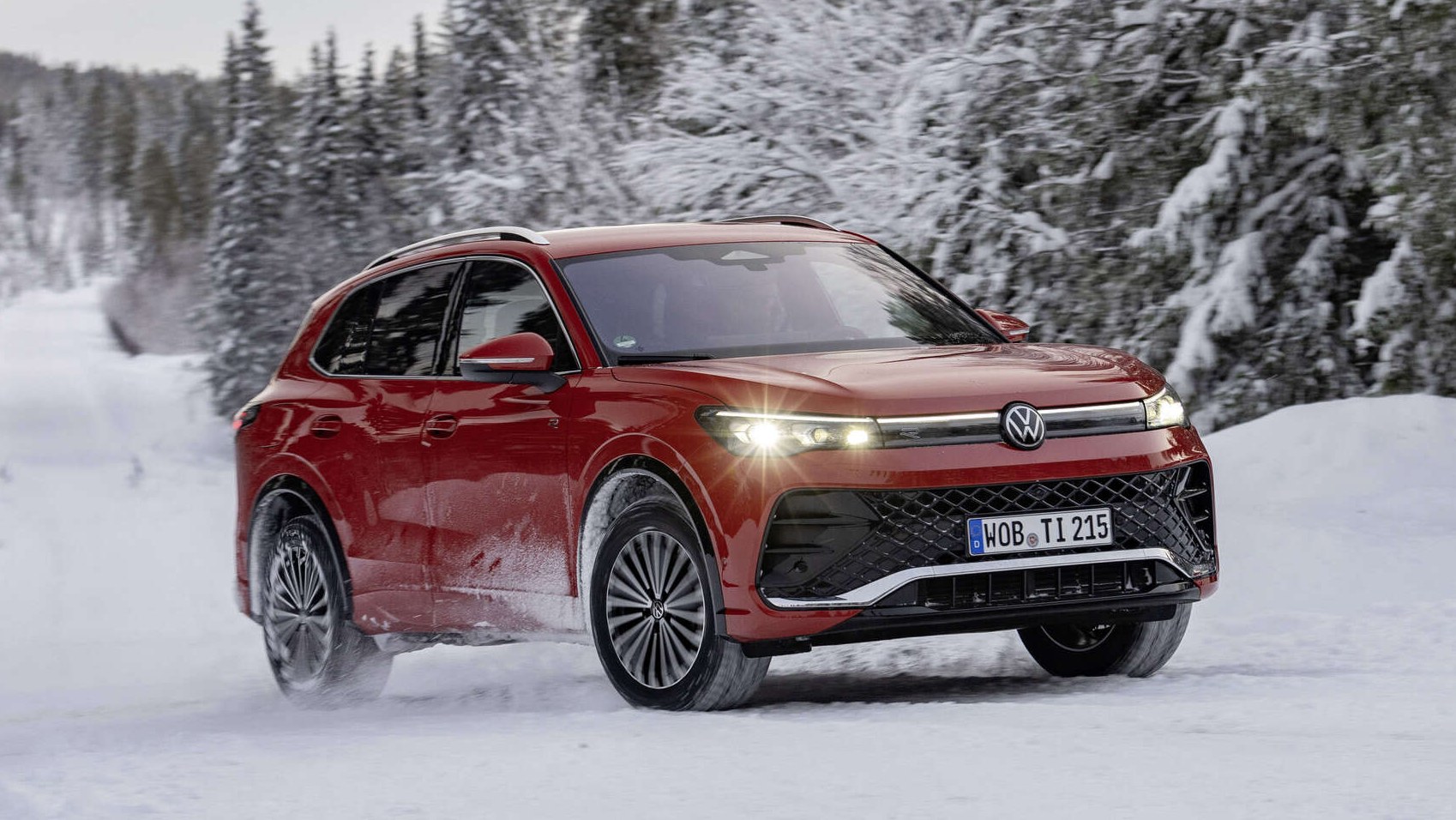
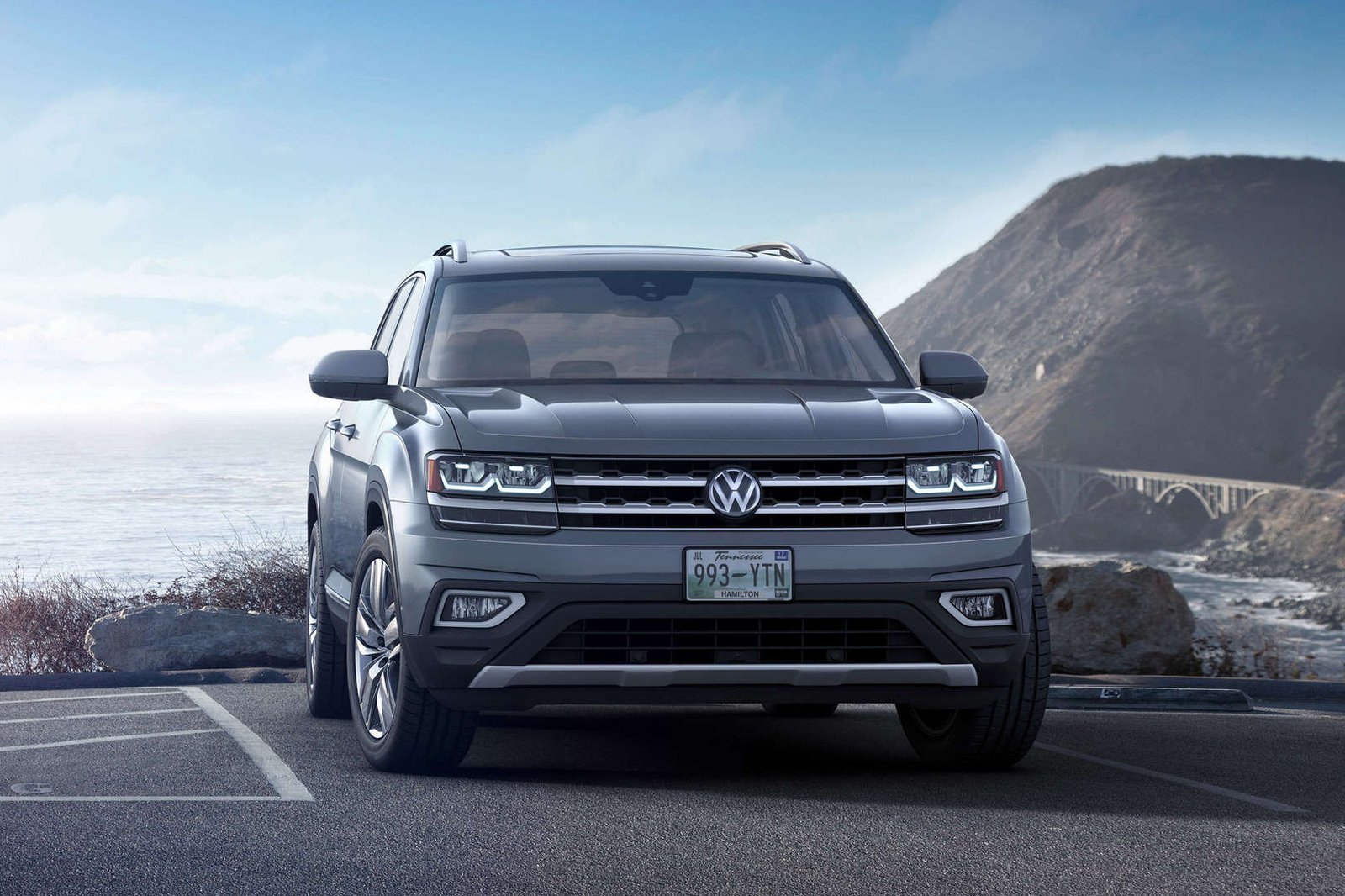
Volkswagen Group of America is recalling 208,724 SUVs because one of the bolts that holds the steering rack to the front subframe can corrode and snap. If it does, the steering rack housing can break apart, and the driver can lose steering control. The campaign covers the 2018 Volkswagen Tiguan, the 2018–2019 Volkswagen Atlas, and the 2019–2021 Audi Q3.
The filing with the National Highway Traffic Safety Administration, campaign 26V590000, lays out the failure chain in that order: the right-side mounting bolt corrodes, the bolt breaks, and the rack housing can follow. NHTSA's stated consequence is a loss of steering control and a higher risk of a crash. The campaign carries no park-it or park-outside advisory, and the fix can't be delivered over the air.
Dealers will replace the right-side steering rack mounting bolt at no charge. Owner letters aren't due until November 10, but the affected VINs have been searchable on NHTSA's recall lookup since September 16, so owners can check a car today rather than wait for the mail. Volkswagen's internal campaign numbers are 48LG and 48VT, and its customer service line is 1-800-893-5298.
Three reports, all outside North America
This is mostly a Volkswagen recall, not an Audi one. According to the automaker's Part 573 defect report, as cited by Autoblog, the total breaks down to 85,713 Tiguans, 82,601 Atlases, and 40,410 Q3s. Volkswagen estimates that about 1 percent of them actually have the defect. The company traced the problem to three field reports, from October 2024, August 2025, and December 2025, all from markets outside North America. The report cites no U.S. incidents and mentions no crashes or injuries.
The replacement bolt gets a corrosion-resistant polymer coating, per the same report, and the affected build windows run from November 2016 to September 2018 for the Atlas, March 2017 to June 2018 for the Tiguan, and May 2019 to July 2021 for the Q3. Volkswagen hasn't said whether the corrosion is tied to road salt or any particular region, and the campaign has no geographic limit.
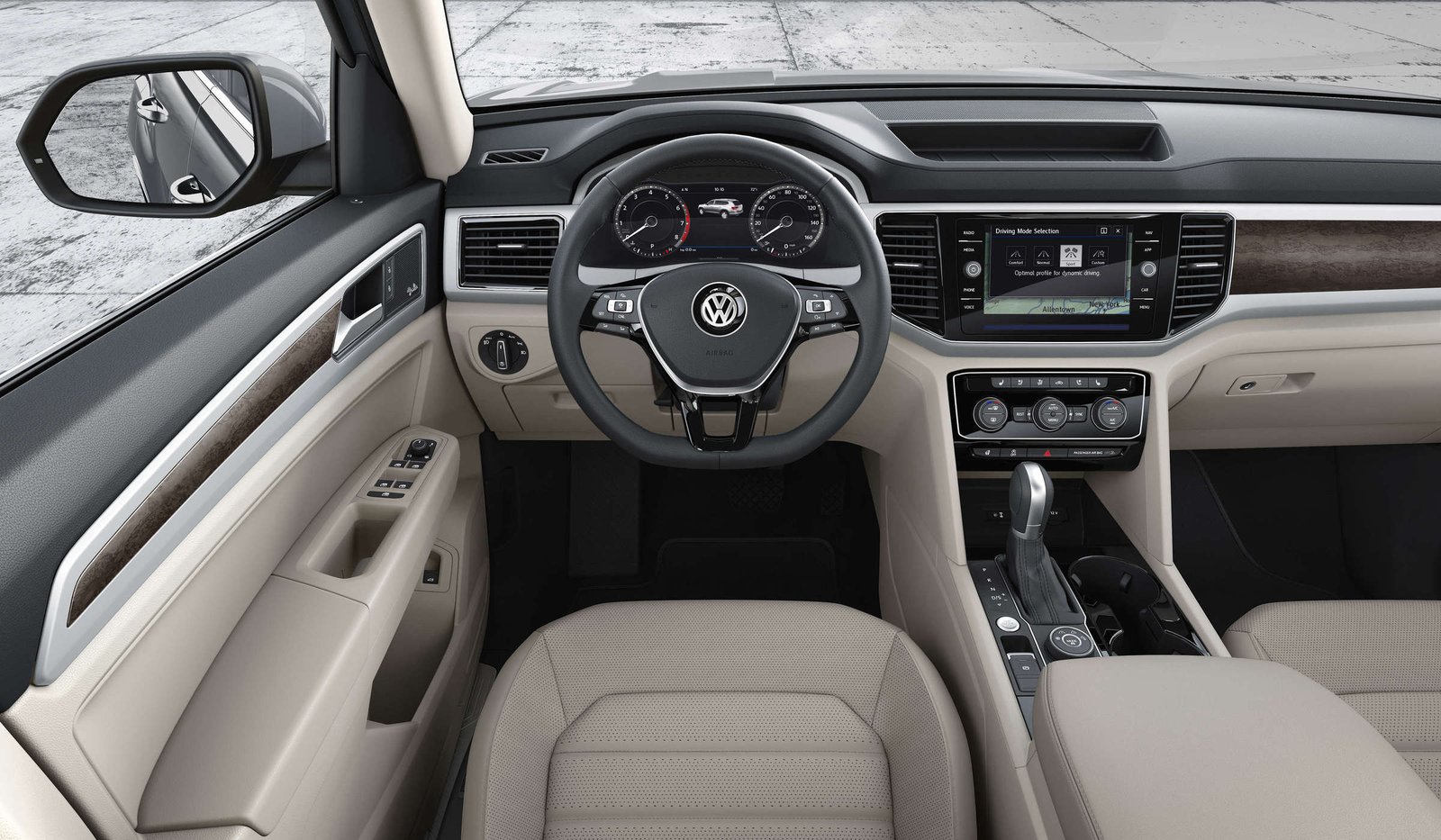
An old problem in a new form
Fastener trouble isn't new for these vehicles, but the earlier cases were assembly-line torque issues rather than corrosion. In 2018, Volkswagen recalled 2,473 Tiguans for a loose lower ball joint nut and 8,416 Atlases and Passats for under-tightened brake caliper bracket bolts, both caught within months of production. The failure in this campaign builds up over years of service instead of showing up in the first season on the road, which is why it took until 2026 to reach the 2018 model year.
NHTSA's database now lists 17 recall campaigns for the 2018 Atlas, by far the most of any vehicle in this action; the 2020 Q3, by comparison, has three.
What Volkswagen hasn't explained is why only these model years are affected, or what changed on the line between June 2018 and July 2021 to phase the problem out. Those details should appear in the full Part 573 report once NHTSA posts it. Until then, the practical advice is simple: run the VIN now, and don't wait for a letter that won't arrive until November.