Waymo Pulls Robotaxis Off Freeways in Every Market After California DMV Order
The DMV says repeated construction-zone incursions make Waymo's driverless freeway driving an imminent hazard. The company has paused freeway rides in every market that had them.
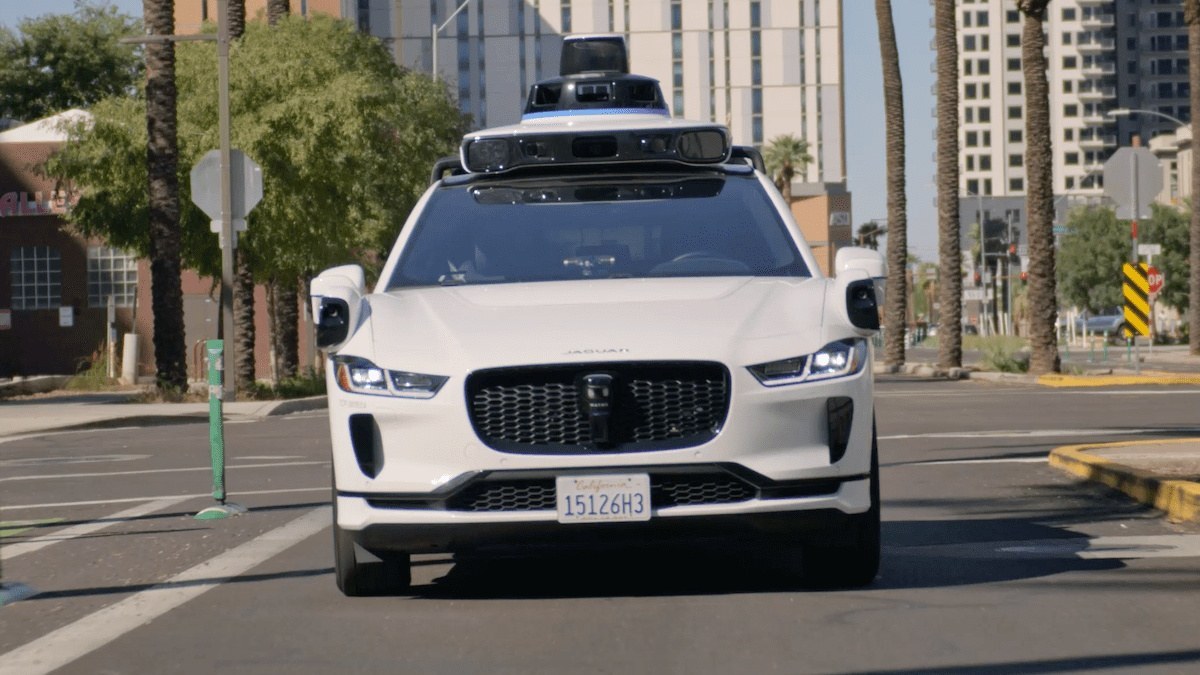
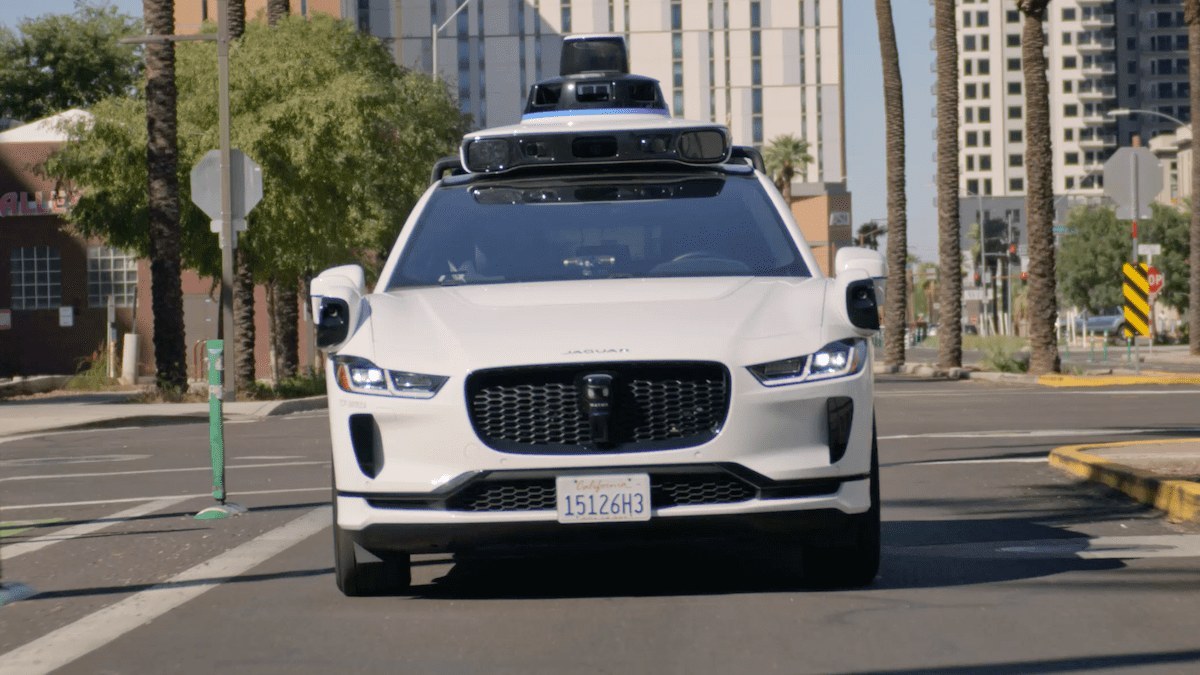
Waymo has stopped carrying riders on freeways in every U.S. market after California's Department of Motor Vehicles barred its driverless cars from the state's freeways. The order took effect November 11 and became public on November 17.
The DMV restricted both of Waymo's California permits, for commercial deployment and for driverless testing. No Waymo may use a freeway in the state without a person in the driver's seat. The agency said the company's driverless freeway operations pose "an imminent hazard to public safety." Narrowing where a permitted robotaxi can drive is one of the DMV's enforcement tools, which we laid out in our guide to the rules for robotaxis at police scenes and school buses.
What the DMV cited
The finding centers on construction zones. In its statement, the DMV pointed to repeated entries by Waymo vehicles into active work zones where crews and equipment were present. It said they kept happening despite an earlier restriction and the fixes that followed similar incidents on May 18.
The agency named two recent Bay Area cases. In one, three Waymos entered an active construction closure on U.S. 101 near Burlingame. In the other, on November 6, a Waymo on northbound Interstate 280 in San Francisco tried to get past California Highway Patrol cars running a traffic break. CHP told NBC Bay Area that officers used their cruisers to block the car and that it ultimately complied. Video of the encounter passed 3.3 million views.
There is no end date. The restriction stays until Waymo shows the DMV that its corrective actions work. According to CBS News Bay Area, the agency will look for evidence that the cars can detect and respond to construction zones, emergency vehicles, and other roadway situations.
What Waymo is doing
Waymo went further than the order required. The company says it has temporarily restricted commercial freeway rides in all markets that had them "to evaluate our performance." Freeway rides began in the San Francisco Bay Area, Los Angeles, and Phoenix in November 2025, then reached Miami in May and Austin in September, CBS reports.
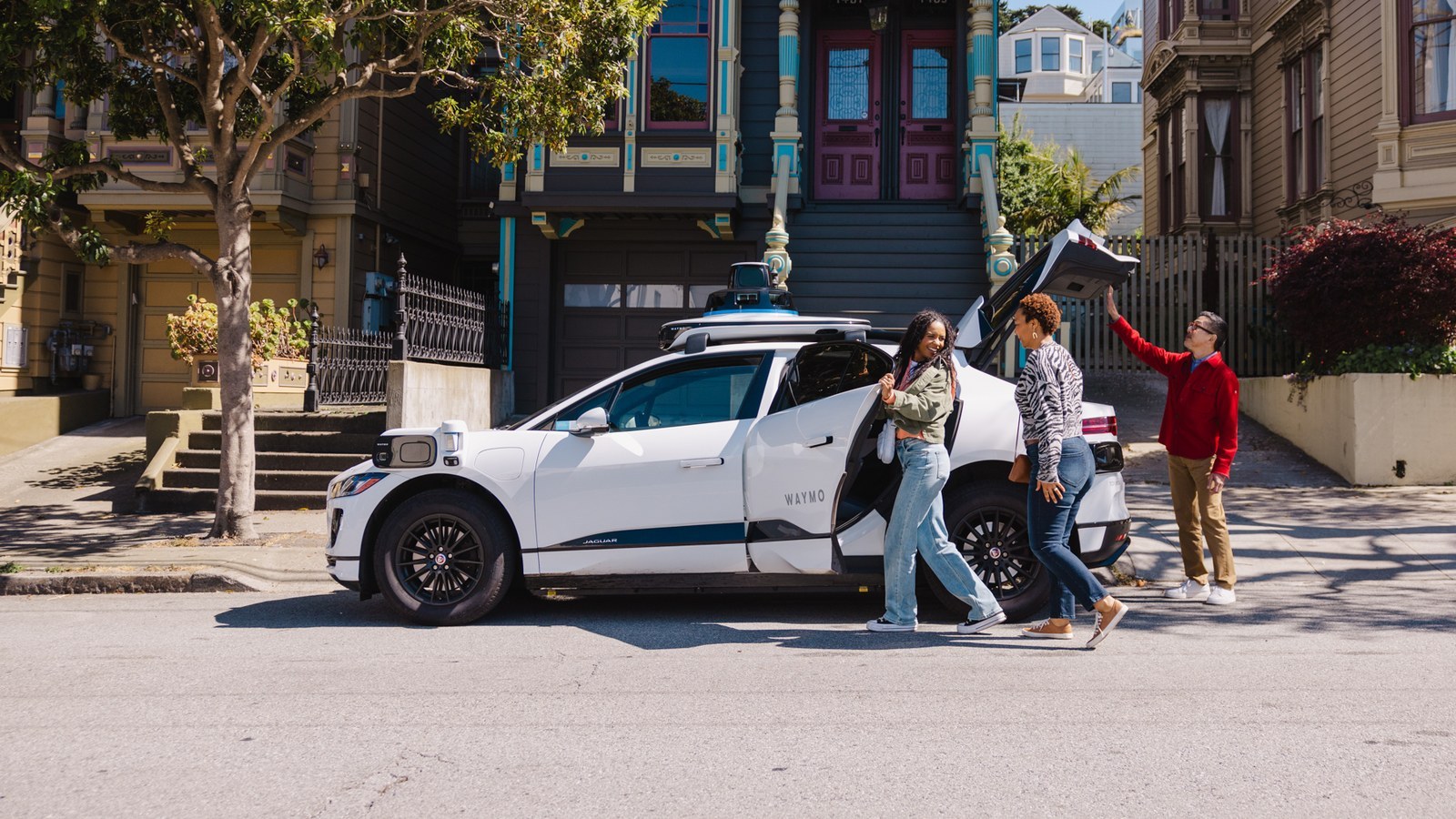
Rides on surface streets continue everywhere, and Waymo says it serves more than half a million trips a week. Freeway testing also continues with trained specialists behind the wheel. The company said the U.S. 101 encounters involved no injuries or collisions and that it is working with the DMV and other state officials to resume service. The statements we reviewed do not address the I-280 maneuver.
The second freeway pause in six months
This is familiar ground. Waymo pulled its cars off freeways in May, then filed recall 26E035 in June, covering 3,871 fifth-generation driving systems. NHTSA's summary says the software could let a car enter a closed freeway construction zone and keep driving at speed. The filing describes seven Waymos entering freeway lanes with active construction in the Bay Area on May 18, after earlier ramp-closure incidents in April.
The recall record says updated software began rolling out June 16 and that freeway operations resumed June 25. Rider service came back in July, according to TechCrunch. Less than four months later, California's regulator has concluded the problem is recurring.
It is the second time this month that a Waymo fix has been questioned. On November 6, NHTSA opened a recall query asking whether the company's December 2025 software recall actually stopped its cars from passing stopped school buses.
None of these incidents involved a crash, which is why they do not show up in the figures behind Waymo's claim of 82% fewer injury crashes. That data counts collisions. A car inside a work zone or nosing past a patrol car is a different kind of failure.
What happens next
Waymo has given no timeline for returning to freeways, and the DMV has set a condition instead of a date. CHP has not said whether it issued a notice of noncompliance over the I-280 incident. For riders, the app still works in every city Waymo serves. Trips that used a freeway will now stay on surface streets.