Waymo's Next Robotaxi Is a Toyota bZ4X — but It's Headed to Japan, Not the US
Toyota will build self-driving bZ4X SUVs for Waymo at a Japanese plant, with testing from 2027 and the UK to follow. No US rollout has been named.
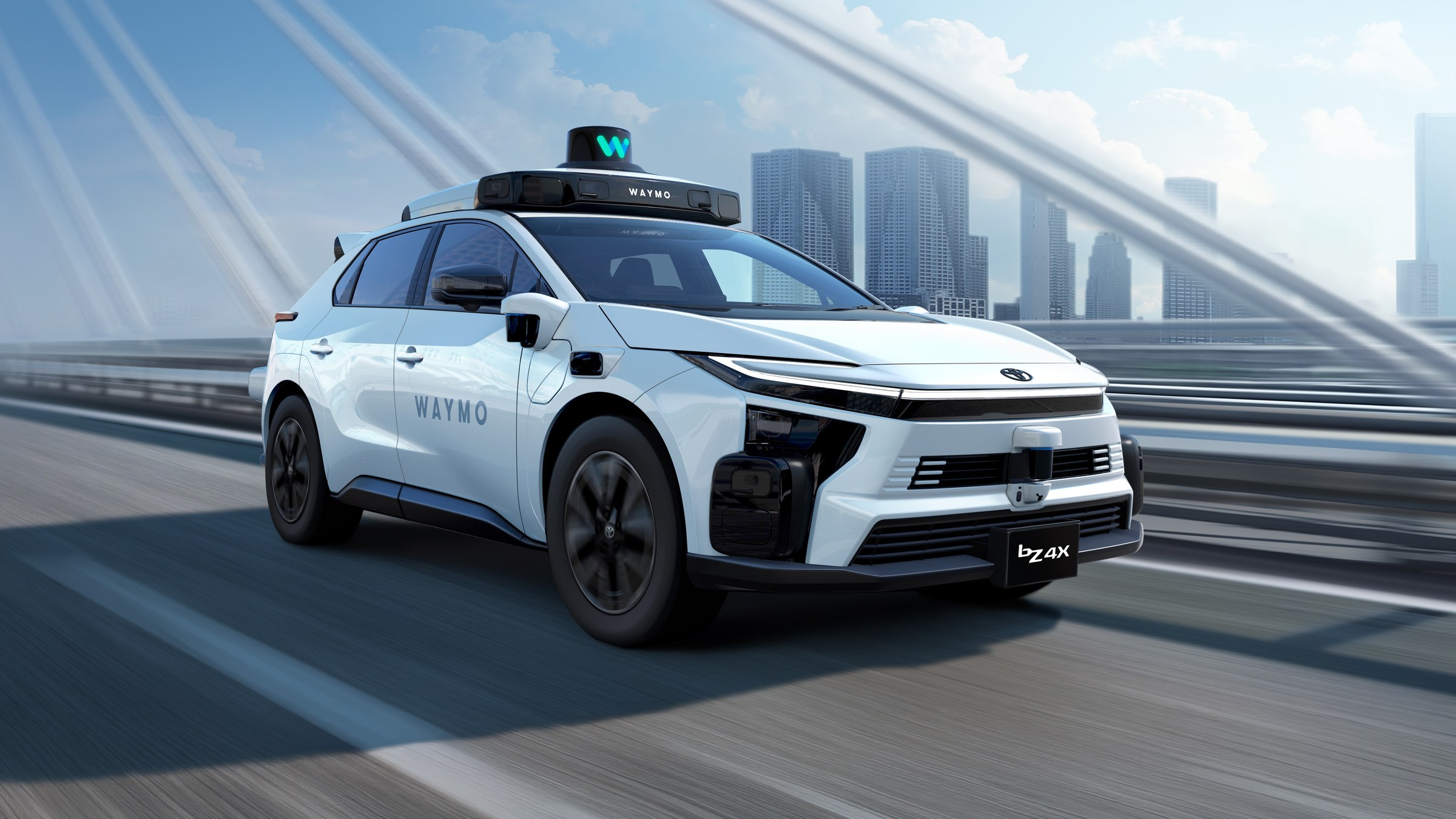
Waymo's next robotaxi will be a Toyota. The two companies said on October 30 that Toyota will build self-driving versions of its bZ4X electric SUV for Waymo, with fleet testing starting in Japan in 2027. The UK and other Waymo markets are slated to follow in later years. The US is not on that list.
That makes Toyota a vehicle supplier to the robotaxi operator that already carries paying riders in 14 US cities, a service we've measured against Tesla's plans in our Cybercab vs. Waymo comparison. Assembly will happen at Toyota's Takaoka plant in Toyota City, where Waymo's sensors and computers will be installed on the same site, according to the Toyota release.
The base car is the 2027 bZ4X, the model Toyota sells in North America simply as the bZ and a fixture of Toyota's 2027 EV lineup. Toyota says the robotaxi version gets generous rear legroom, automatic doors, a power liftgate, and ambient lighting to make getting in and out easier.
Why Japan and the UK come first
Both countries drive on the left, and TechCrunch reports the Toyota-built cars are meant for right-hand-drive markets. Waymo already has plans in each. In Tokyo, Waymo, the taxi app Go, and operator Nihon Kotsu said in September they aim to open a commercial driverless service in 2027 with about 100 Jaguar I-Pace vehicles. In London, Waymo began supervised testing in April with a similar-size I-Pace fleet and plans to launch once UK rules allow it.
Toyota frames the goal as Japan's first fully autonomous ride-hailing service built on high-volume, domestically made vehicles. Neither company disclosed fleet size, production volume, or financial terms.
A growing list of Waymo vehicles
Waymo's US fleet passed 4,000 vehicles in September, split between the Jaguar I-Pace and the Zeekr-built Ojai, according to CarNewsChina. The Ojai is manufactured in China and fitted with Waymo hardware in Arizona. Waymo is also validating the Hyundai Ioniq 5 on public roads, with assembly planned at Hyundai's Georgia plant, and the two companies have said they want to take that partnership beyond the US.
Toyota isn't exclusive either. Its Chinese joint venture, GAC Toyota, began mass-producing bZ4X-based robotaxis for Pony.ai in Guangzhou in February, with more than 1,000 planned this year, electrive reported. The same SUV now underpins two self-driving fleets with two different software stacks on two continents.
What it means for US drivers
Directly, not much yet. No Toyota robotaxi has been promised for American streets, and Waymo's US expansion runs on its existing vehicles. The longer-range item is personal cars: the companies say they will keep exploring Waymo's technology in privately owned Toyotas, an idea first raised in their April 2025 preliminary agreement. Eighteen months on, there is still no model, timeline, or price attached to it.
Waymo again cites its safety record, saying it is up to 20 times safer than human drivers for serious-injury crashes in the areas it serves. That claim rests on Waymo's own comparisons, which we unpacked in what Waymo's crash numbers actually measure.
"Safety technology makes the biggest difference when it reaches as many people as possible," said Hiroki Nakajima, Toyota's executive vice president.
The next milestones are regulatory approval in Japan, Waymo's London permits, and whether Toyota and Waymo ever name a US-market vehicle.