Robotaxis vs. Police Lines: Who Gets the Ticket When a Waymo Ignores an Officer
A Waymo tried twice to pass a CHP traffic break on I-280. California now lets officers cite the company, Texas tickets the operator, and NHTSA is still writing rules.
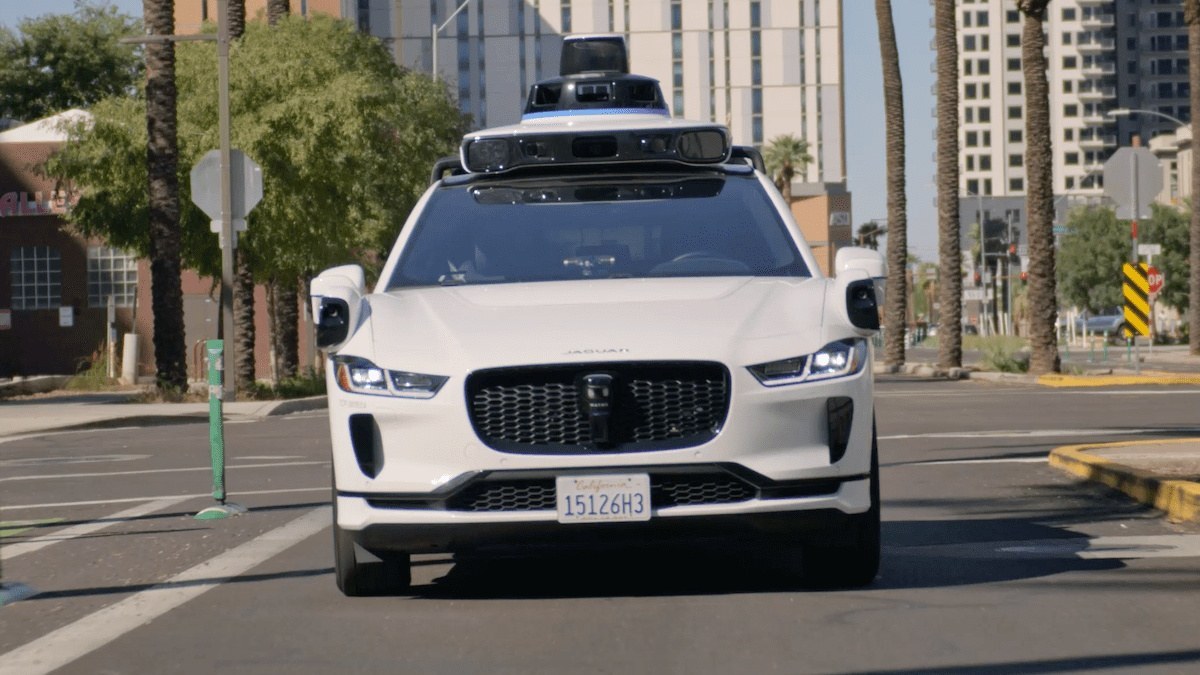
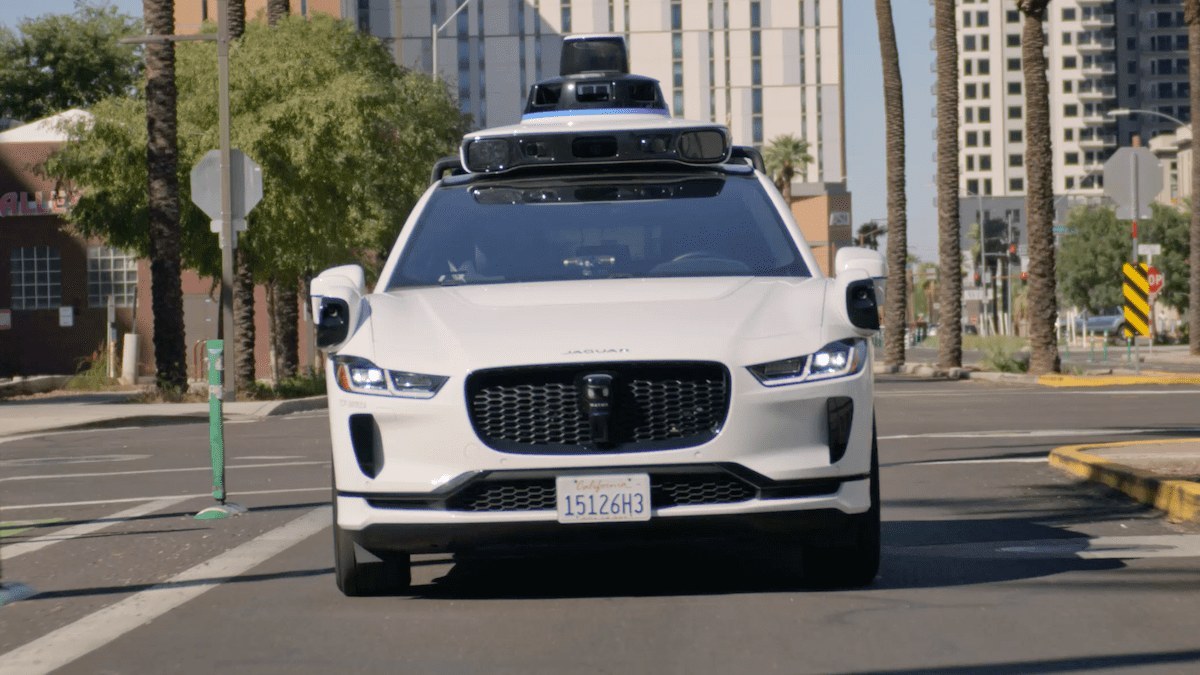
On November 6, California Highway Patrol officers ran a traffic break on northbound Interstate 280 in San Francisco, slowing every lane so debris could be cleared. A driverless Waymo did not slow with everyone else. Video recorded from a nearby car shows it closing fast in the left lane and moving to get around the patrol cars. CHP says the robotaxi tried to pass twice before officers steered into its path and it fell in behind the line.
No one was hurt, and CHP says the car ultimately complied. But the clip, viewed millions of times, lands in a year when robotaxi run-ins with police, fire crews, and school buses have become a regulatory file of their own, from the federal recall query over Waymo's school bus behavior to new California rules that let officers cite a car with no driver. Here is how the cars are supposed to handle these scenes, what the law requires, and who answers for a violation.
As of November 15, Waymo had not commented on the video, and CHP told NBC Bay Area it had not communicated with the company. Waymo began Bay Area freeway rides in November 2025, paused all U.S. freeway service in May 2026 to rework how its cars handle construction zones, and restarted this summer.
How a robotaxi reads police and emergency scenes
Waymo says its cars use their sensors, including microphones, to detect and locate sirens and flashing lights, then slow and yield; in 2023 it said the fleet met an active emergency vehicle about once every 100 miles. In December 2024 it said TÜV SÜD had confirmed, on a closed course, emergency-vehicle and siren detection, real-time response to officers' hand signals, and a secure procedure that lets responders disengage the system and move the car by hand.
Gestures are where the software most often asks a person. Waymo's fleet response agents do not drive the cars. When the system is unsure what a row of cones closes or what a hand signal means, the vehicle sends a question, an agent answers, and the car decides whether to act on it. Waymo has said about 70 agents are on duty at a time, a number it gave when the fleet stood near 3,000 vehicles, and lawmakers have questioned its use of a few dozen agents based in the Philippines.
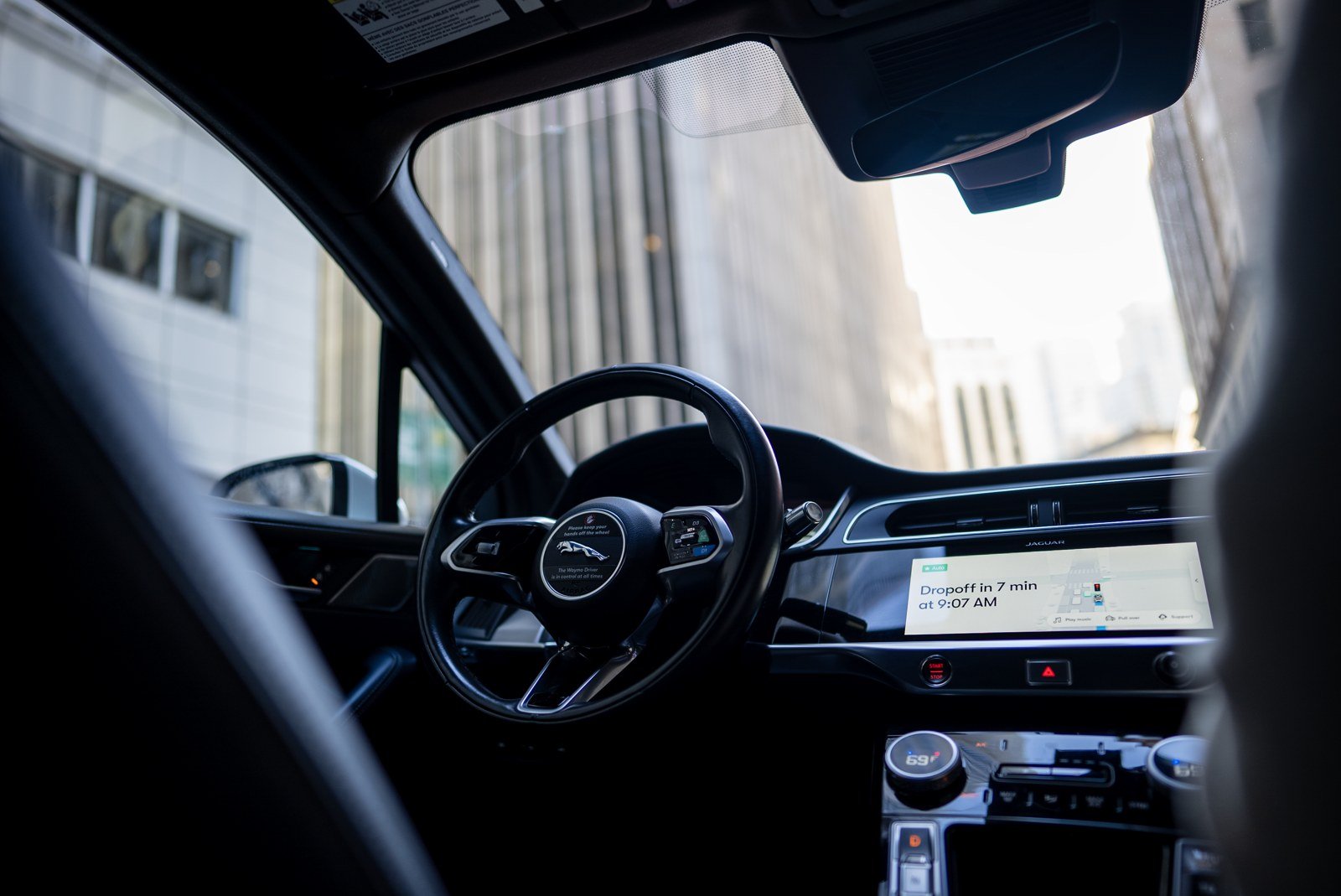
That human link has failed on the record. In its preliminary report on a January 12 incident in Austin, the NTSB says a Waymo correctly stopped for a school bus with its stop arms out, then asked remote assistance whether it was "a school bus with active signals." An agent in Novi, Michigan, answered no, and the car drove past the bus.
The other lever is the operational design domain, or ODD: the roads, speeds, weather, and hours a system is cleared to handle. Operators shrink it when something goes wrong. After an empty Waymo entered a flooded 40-mph road in San Antonio in April, the interim remedy under recall 26E026, covering 3,791 vehicles, was tighter weather limits and updated maps.
Rivals disclose less. Tesla's Cybercab first-responder plan, filed with the Texas Department of Public Safety, says crews can move an operable car with onboard controls only after calling Tesla and showing a badge to a cabin camera, as detailed in our look at NHTSA's Cybercab audit.
What federal rules require
No federal standard tells a driverless car how to behave at a police scene. NHTSA works through reporting and defect law: its Standing General Order requires operators to report crashes that occur with the system engaged, the most serious within five days. A standoff with a patrol car that ends without contact is not a reportable crash.
When NHTSA sees a pattern, it opens an investigation, or a recall query if a fix already exists, that can end in a recall. On July 8, Administrator Jonathan Morrison went further with a public letter to driverless developers, saying the agency had identified "a clear pattern" of driverless cars interfering with police and other first responders and calling it a functional insufficiency. The letter named no company and set no standard; it asked developers to present fixes at meetings by the end of July. A House bill from Rep. Kevin Mullin (D-Calif.) would make hotlines and emergency geofences federal requirements with civil penalties; it has been introduced, not passed.
California: a notice for the company, fines later
Until this summer, California police could cite only a driver, which is why San Bruno officers who watched a driverless Waymo make an illegal U-turn in 2025 had no one to ticket. AB 1777, signed in 2024, closed that gap through DMV regulations adopted April 28 and in force since July 1. An officer can now issue a "notice of AV noncompliance" to the manufacturer for a moving violation, and the company must send the DMV its information on the event within 72 hours, or 24 hours for serious cases, according to NBC Bay Area's reading of the rules.
A notice carries no fine. The DMV reviews it and can limit a company's fleet size, area, speed, or weather conditions, or suspend its permit. The same rules require operators to answer first-responder calls within 30 seconds and to clear their cars from an emergency do-not-enter zone within two minutes of an order from local officials. CHP has not said whether it issued a notice for the I-280 incident.
Money comes in 2028. SB 1246, signed September 30 and operative July 1, 2028, allows civil penalties of up to $10,000 per vehicle when a robotaxi obstructs an emergency for more than 30 minutes after officials request a technician, and up to $5,000 for violations of the technician-dispatch rules. It also requires on-site local incident technicians and limits remote driving to licensed operators located in the U.S.
Texas: the company gets the citation
Texas answered the ticket question in statute. Under SB 2807, when the automated system is engaged, the owner or the company holding a state authorization "shall be issued any citation." Since May 28, 2026, commercial operators have needed a Texas DMV authorization, which the agency can suspend or revoke, plus a first-responder interaction plan on file with the Department of Public Safety. Cities cannot add rules of their own, a limit that drew attention after the March 1 mass shooting on Austin's Sixth Street, when a Waymo stopped across Nueces Street as an ambulance approached; city officials later said as many as five Waymos were in the response corridor.
School buses: the longest-running case
All 50 states require drivers to stop for a school bus with red lights flashing and its stop arm out. Waymo's December 2025 software recall, 25E084, covered 3,067 vehicles and was meant to make its cars stay stopped. NHTSA's recall query RQ26006, opened November 6, 2026, says most of the passing incidents it collected came after that fix was complete. Waymo told Reuters it has made significant improvements and has received no citations since March. Separately, NHTSA is weighing a petition alleging that Tesla's driverless cars speed through school zones, with a decision due by late January.
Incidents on the record, 2025–2026
| Date | Where | What happened | Official record |
|---|---|---|---|
| Aug. 30, 2025 | I-280, Redwood City, Calif. | Waymo stuck in a fire closure; a CHP officer drove it off the freeway | CHP statement |
| Sept.–Nov. 2025 | Austin, Atlanta | Waymos pass stopped school buses | NHTSA PE25013; recall 25E084 (3,067 vehicles) |
| Jan. 12, 2026 | Austin | Remote agent wrongly clears a stopped Waymo to pass a school bus | NTSB HWY26FH007 (preliminary) |
| Jan. 23, 2026 | Santa Monica, Calif. | Waymo strikes a child near an elementary school at drop-off; minor injuries | NHTSA PE26001 |
| Mar. 1, 2026 | Austin | Waymo stops across a street as an ambulance responds to a mass shooting | Austin city officials |
| Oct. 9, 2026 | Not specified | Petition alleges Tesla robotaxis speed in school zones | NHTSA DP26010 (no finding) |
| Nov. 6, 2026 | Federal | NHTSA questions whether the school bus fix worked | NHTSA RQ26006 (2,895 vehicles) |
| Nov. 6, 2026 | I-280, San Francisco | Waymo twice tries to pass a CHP traffic break | CHP statement; no citation announced |
What the safety numbers cover
Waymo's latest safety data, through June 2026 and more than 270 million driverless miles, shows 82% fewer injury crashes than its modeled human benchmark, counting every crash regardless of fault, as we broke down in September. Those figures count crashes. Encounters like the I-280 traffic break or a car stalled in an emergency corridor fall outside them, and NHTSA's July letter gave no count of its own. How Tesla's driverless service in Austin stacks up on scale is laid out in our Cybercab and Waymo comparison.
What we don't know
- Whether CHP issued a notice of AV noncompliance for the November 6 incident, and whether a rider was aboard.
- How many notices California police have issued since July 1. We could not find a published count.
- What developers told NHTSA after the July 8 letter. The agency has not released results of those meetings.
- How RQ26006 ends: an expanded recall, a reworked remedy, or a closing report.