Why You Can't Buy a BYD in America — and Why That Won't Change Any Time Soon
Tariffs are only half of it. A federal rule now bars Chinese-controlled automakers from selling connected cars in the US, and it has already split Volvo from Polestar.
BYD sold more battery-electric cars than Tesla in the second quarter of 2026, and it is shipping more cars abroad than ever. None of them are headed for an American dealership, and the reason is no longer just a tariff.
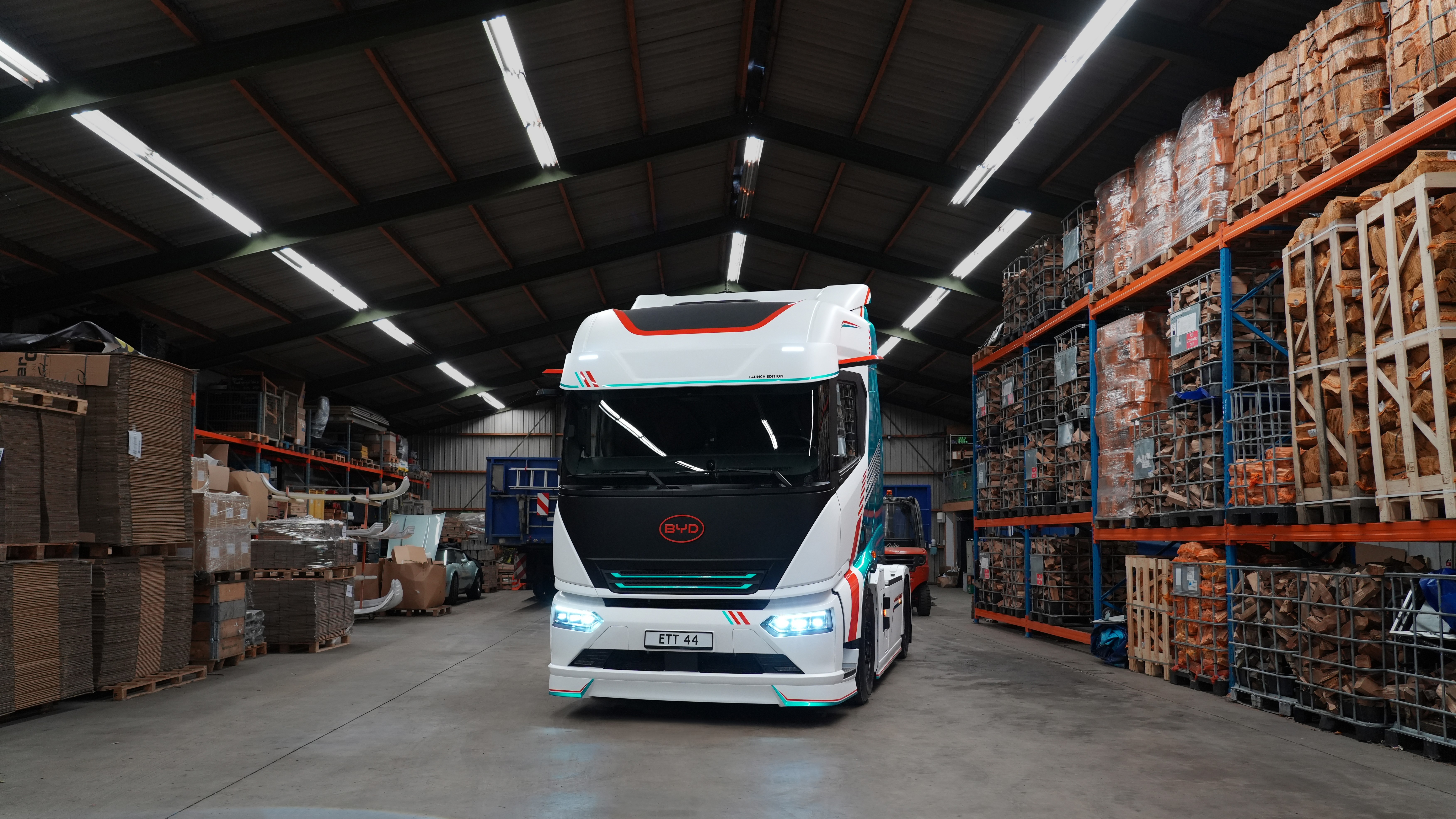
The bigger wall is a Commerce Department rule that, starting with the 2027 model year, bars automakers owned or controlled by China from selling connected cars in the US at all. BYD's reach is obvious in segments like heavy trucks, where its ETT 44 electric semi is lining up against the Tesla Semi in Europe. Its passenger cars, though, stop at the US border. Here's how the two barriers work, what they've already done to Volvo, Polestar, and Lotus, and why a factory in Mexico wouldn't change the answer.
Wall one: a 100 percent tariff
Chinese-built EVs have carried a Section 301 duty of 100 percent since September 27, 2024, when the final modifications from the US Trade Representative's four-year review took effect. Other duties can stack on top of that, so the all-in rate depends on what else applies when a car enters the country.
We haven't been able to confirm a single combined figure from a primary source. Lotus, which builds its Eletre SUV in China, puts it at 150 percent. Lotus Americas CEO Massimiliano Trantini told MotorTrend the company could still make the numbers work at 100 percent but found no business case after duties rose again, and Lotus has imported no more Eletres since its limited allocation sold out, Carscoops reported.
A tariff, though, is a price problem. A company can sometimes absorb it, build locally, or wait for it to change. The second wall works differently.
Wall two: the Connected Vehicles Rule
The Commerce Department's Bureau of Industry and Security (BIS) published the final Connected Vehicles Rule on January 16, 2025, and it took effect on March 17, 2025. It covers passenger vehicles under 10,001 pounds that communicate with the outside world over cellular, Wi-Fi, Bluetooth, satellite, or similar links. I can't think of a new car on a US lot that doesn't fit that description.
The rule contains three separate prohibitions, and they're easy to mix up:
- Software, from model year 2027: no automaker may import or sell connected vehicles whose connectivity or automated-driving software comes from a company tied to China or Russia.
- Hardware, from model year 2030: connectivity hardware from such companies is banned starting with the 2030 model year, or January 1, 2029, for parts without a model year.
- The manufacturer itself, from model year 2027: a carmaker owned by, controlled by, or subject to the jurisdiction or direction of China or Russia may not sell connected vehicles in the US, regardless of where its software and hardware come from.
That third clause, Section 791.304, is the one that matters for BYD. A Chinese automaker can't engineer around it by swapping in Western software or a US-made modem, because the test is who owns or controls the company, not what's inside the car. The same section also bars such companies from offering commercial self-driving services, such as robotaxis, in the US.
There is one door. Under Section 791.307, a company can apply to BIS for a specific authorization, which the agency decides case by case and aims to rule on within 90 days. Nothing in the rule promises that any Chinese-controlled automaker will get one.
The rule has already sorted Geely's brands
The clearest preview of how BIS uses that door comes from Geely, the Chinese group behind Volvo, Polestar, and Lotus.
Volvo got through. On May 26, 2026, the company announced it had received a specific authorization after discussions with US officials about its governance, technology, and data security. Volvo points to more than $1.3 billion invested in its plant in Charleston, South Carolina; we covered what the decision means for its lineup in our look at Volvo's 13 new cars.
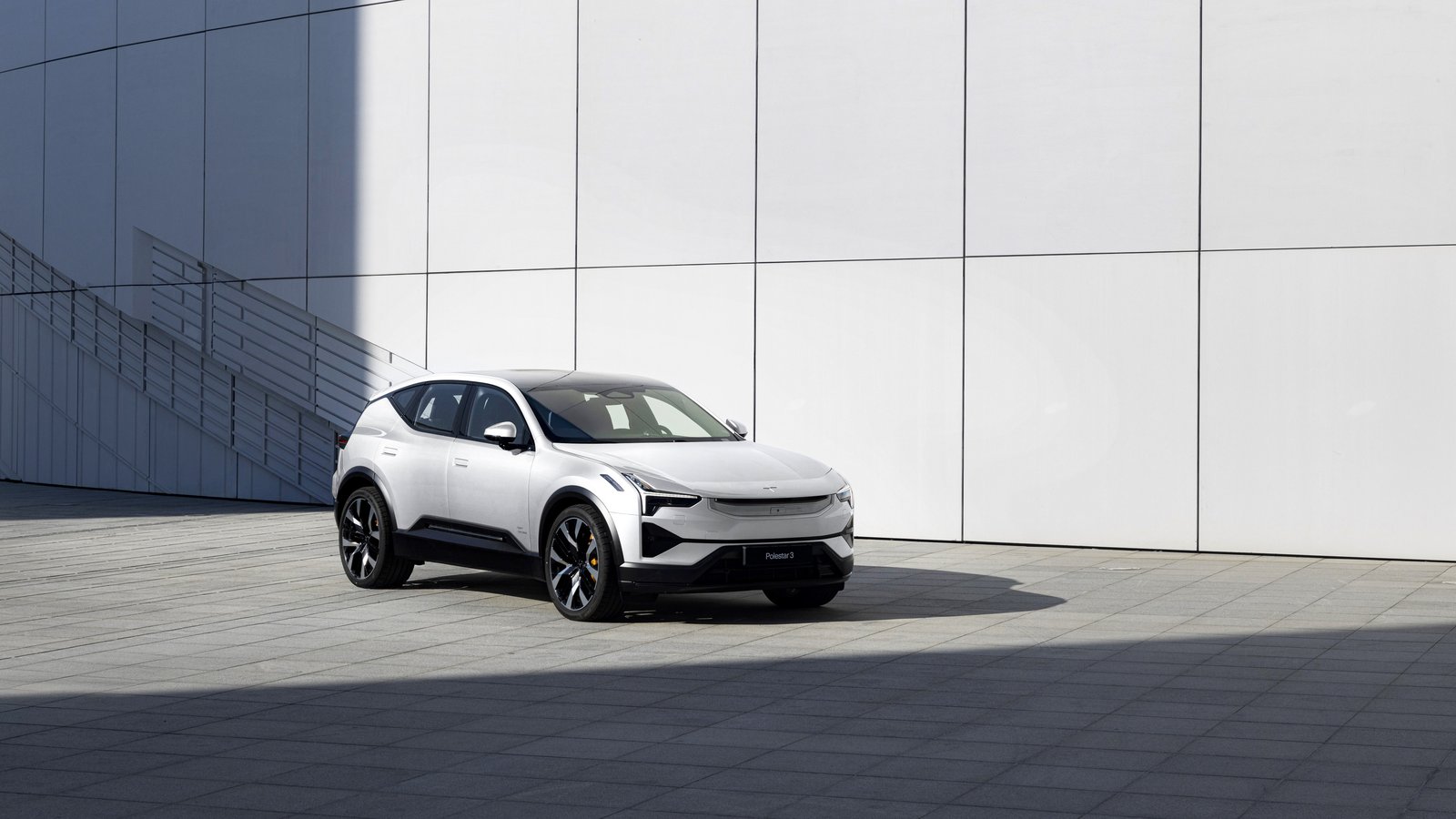
Polestar did not. In June, Polestar said BIS had refused to authorize its sales from the 2027 model year onward, Edmunds reported, even though the Polestar 3 is built in that same Charleston plant. Polestar says it will keep selling existing inventory and supporting owners, including access to its service network. The cars it's planning next, like the one previewed by the Formula 2030 concept, aren't coming here.
Lotus is the third case. Its China-built Eletre left the US over tariffs before the connected-car deadline arrived, and we have not found a public BIS decision on the brand's 2027 lineup.
If two Geely brands with Swedish headquarters and a US factory can land on opposite sides of the line, I'd argue BYD, based in Shenzhen and with no US passenger-car business, starts from the hardest position of all.
Why a factory in Mexico wouldn't fix it
Building locally is the usual answer to a tariff. It isn't an answer to Section 791.304, which targets the seller rather than the import. The rule's definition of a connected vehicle manufacturer covers companies that assemble cars in the US, not just those that ship them in.
BYD's North American plans have stalled anyway. In July 2025, the company shelved a planned Mexican factory, with executive vice president Stella Li telling Bloomberg, "We want to wait for more clarity before making our decision."
In February 2026, Reuters reported that BYD, Geely, and VinFast were finalists to buy COMPAS, the Nissan–Mercedes-Benz plant in Aguascalientes that was scheduled to close on May 31, 2026, with capacity for about 230,000 vehicles a year. We have not found an announced outcome. Either way, a Mexican-built BYD would still come from a Chinese-controlled manufacturer.
BYD does have a US industrial footprint, just not for cars: it opened an electric-bus plant in Lancaster, California, in 2013. The connected-vehicle rule excludes vehicles over 10,000 pounds, and BIS said it would address commercial vehicles in a separate rulemaking.
What American buyers are missing
The scale is hard to ignore. BYD sold 3,131,576 vehicles in the first nine months of 2026, down 3.94 percent year over year as its home market weakened. Its overseas sales, however, jumped 92.66 percent to 1,342,960, including a record 189,466 in August, according to CnEVPost's tally of company data.
BYD management expects 1.9 million to 2 million overseas sales this year and more than 2.5 million in 2027, according to a Deutsche Bank note cited by CnEVPost. In the second quarter, BYD's 557,090 battery-electric cars outsold Tesla's 480,126 deliveries.
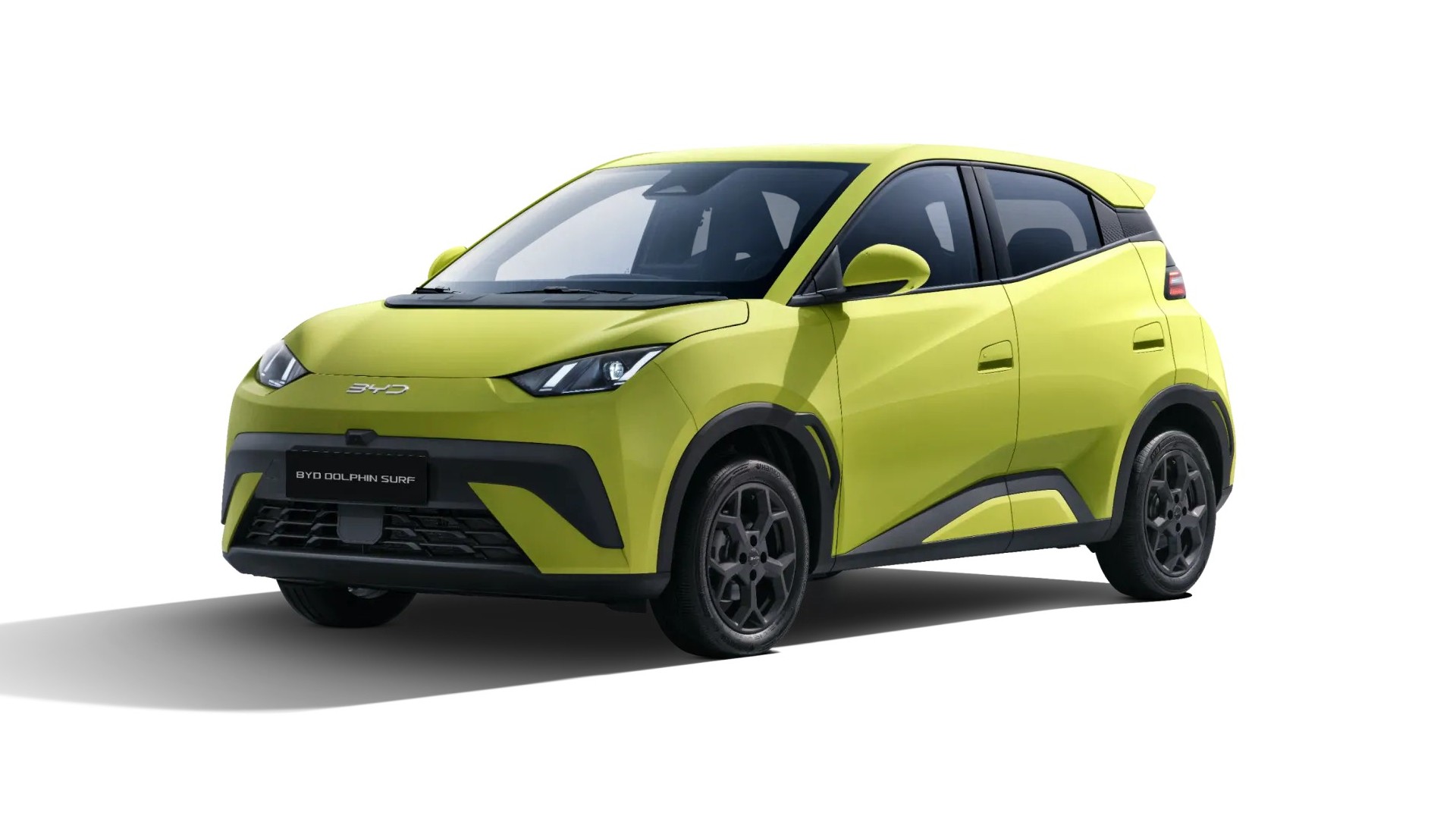
Then there's price. In the UK, the Dolphin Surf city car lists from £18,675 to £23,975. In Mexico, essentially the same car is sold as the Dolphin Mini from 399,800 pesos, according to local pricing guides. Both figures include local taxes and don't translate neatly into a US sticker, but at recent exchange rates both land well under the $28,995 Chevrolet Bolt, which our ranking of the cheapest new EVs found is the only new EV in America under $30,000.
In my view, that gap is the real story for American shoppers, more than any spec sheet. It's also a gap BYD won't be able to test in the US for the foreseeable future.
What we don't know
- Whether BYD has applied, or would apply, for a specific authorization. We have seen no statement that it has.
- Who will buy the COMPAS plant in Aguascalientes, and when.
- How BIS has ruled, or will rule, on Lotus's 2027 and later models.
- The exact combined duty on a Chinese-built EV. The 150 percent figure is Lotus's, and we have not confirmed it against a primary source.
- Whether BIS will grant more exceptions or revise the rule. Any specific authorization can be amended or rescinded, and the regulation itself can be amended.
What would change the picture
Four things would send us back to this story: new BIS decisions on specific authorizations for Chinese-linked brands, an announced buyer for COMPAS, any change to the duties on Chinese EVs, and BYD's full-year 2026 sales. My bet is that none of them reopens the door for BYD soon. Until one does, the answer to whether you can buy a BYD in America stays the same: no.