From a $2,000 Trax Hike to a Pricier RAV4: A Scorecard of 2027 Price Increases
Ten of twelve priced 2027 models cost more than the cars they replace, from $100 to $11,600. The increases come in three kinds, and only one is a plain hike.
Toyota priced the 2027 RAV4, Sequoia, and Tundra in the first week of November. Chevrolet put a number on the refreshed 2027 Trax. Mazda priced the 2027 Mazda3. Set those releases next to the 2027 stickers we have tracked since September and the direction is almost uniform: up. Two weeks ago I looked at who was cutting 2027 prices and why, and the honest answer was "a few brands, on a few models." This is the mirror image, and it is the bigger list.
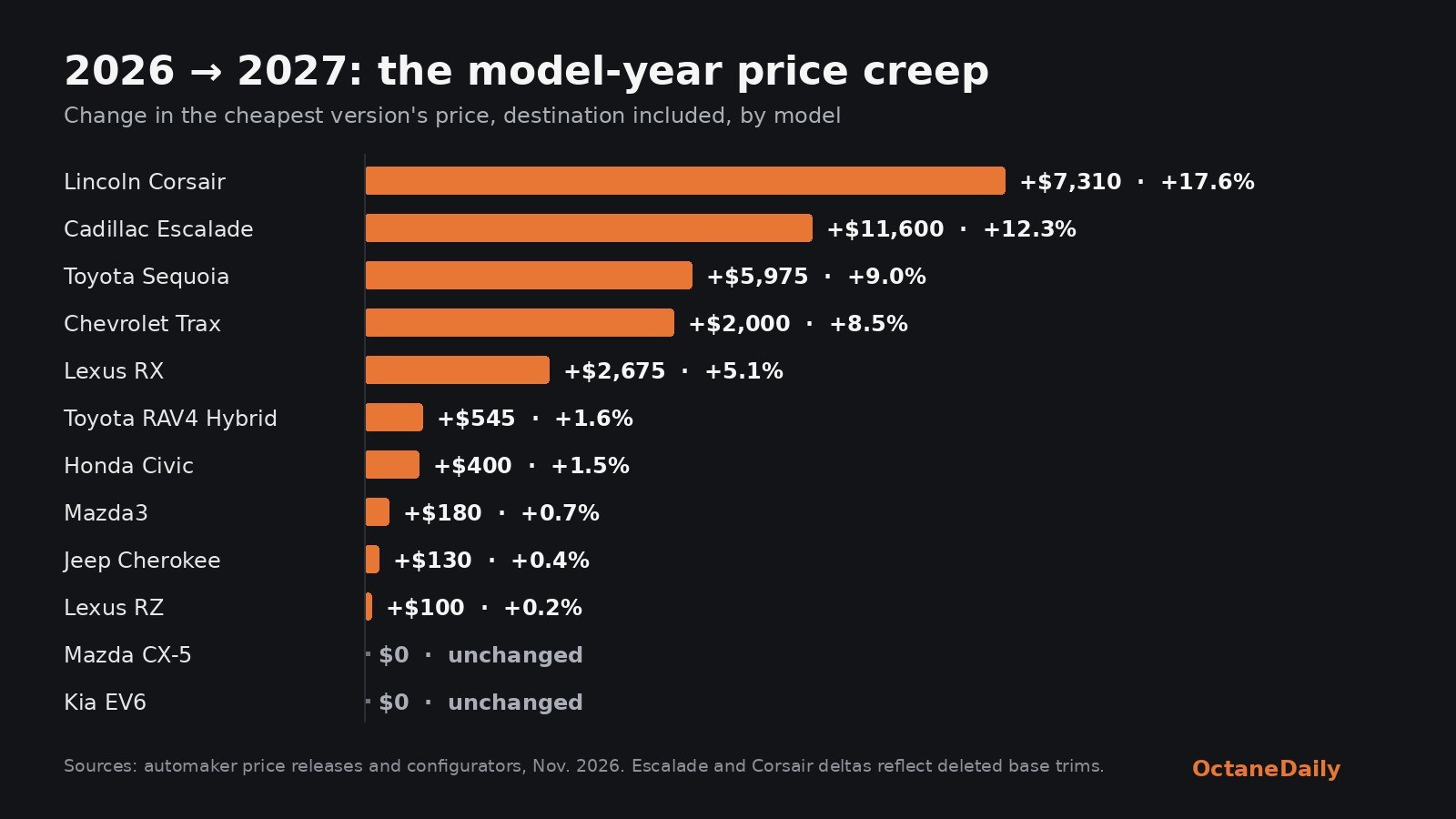
Below is a scorecard of twelve 2027 models for which the automaker has published both a starting price and a destination charge, plus four more where the freight number is still missing. Ten of the twelve cost more than the car they replace, by anywhere from $100 to $11,600. Two are flat. In my view the headline deltas hide three different stories, and only one of them is a price increase in the ordinary sense.
The scorecard: 2026 vs. 2027, destination included
Every figure below is the cheapest version of the model with the destination charge added, so the rows compare like with like. "What you get" lists only what the automaker itself named in its release or on its consumer site, not our reading of it.
| Model (cheapest version) | 2026 | 2027 | Change | Destination 2026 → 2027 | What the automaker says you get |
|---|---|---|---|---|---|
| Lincoln Corsair Premiere | $41,480 | $48,790 | +$7,310 (+17.6%) | $1,495 → $2,295 | 305-hp hybrid, AWD, and BlueCruise now standard; FWD and the plug-in are gone |
| Cadillac Escalade (Luxury replaces 1SA) | $93,995 | $105,595 | +$11,600 (+12.3%) | $2,895 → $2,895* | No release; the base 1SA trim is absent from the configurator |
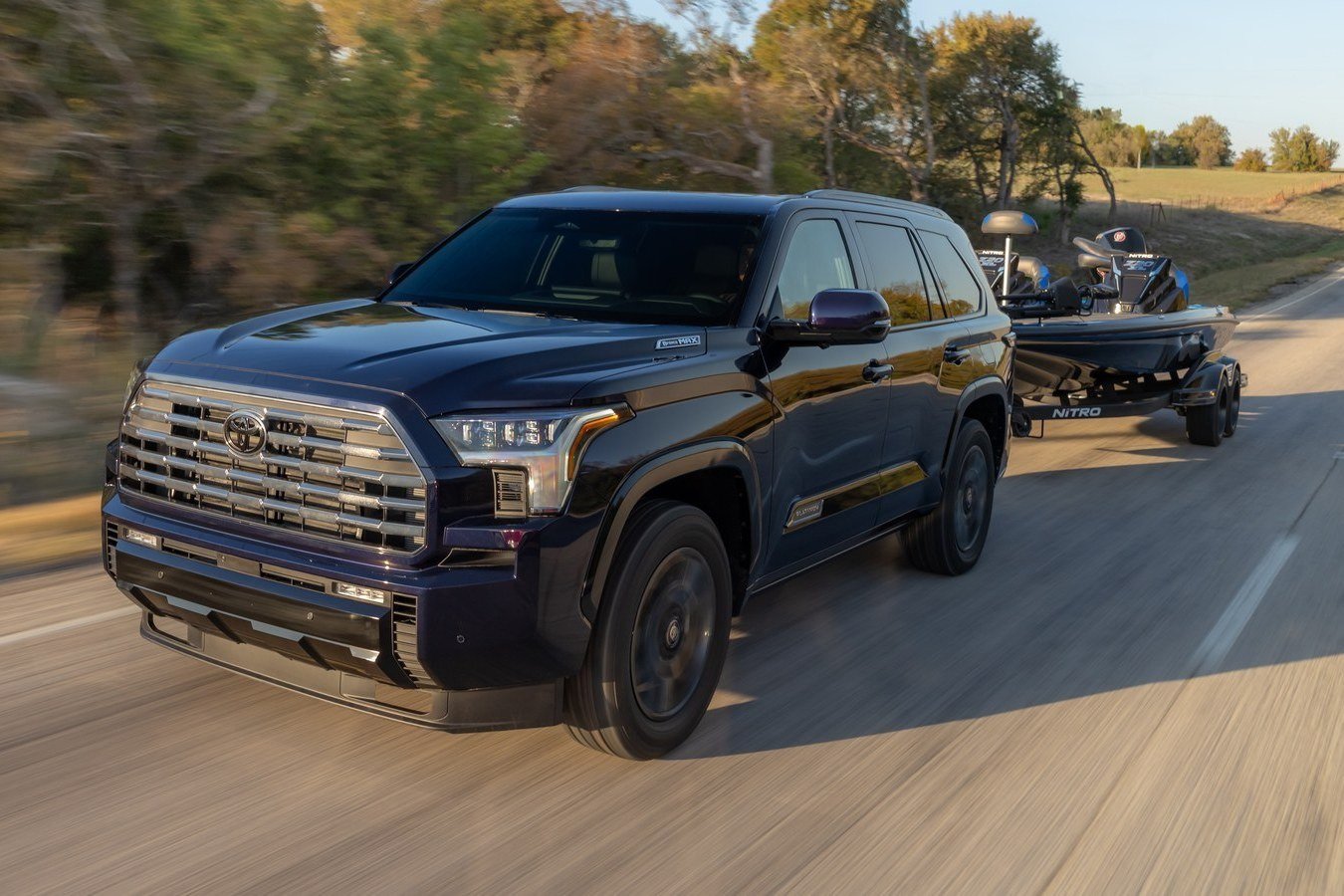
| Toyota Sequoia SR5 | $66,120 | $72,095 | +$5,975 (+9.0%) | $2,095 → $2,195 | Toyota Safety Sense 4.0, trailer-aware driver assists, 14-inch screen, 12.3-inch cluster standard |
| Chevrolet Trax (LT replaces LS) | $23,495 | $25,495 | +$2,000 (+8.5%) | $1,795 → $1,795** | Refreshed styling, 11.3-inch touchscreen, 11-inch cluster, LED lamps, "20+" standard safety features |
| Lexus RX (350 Premium replaces Standard) | $52,775 | $55,450 | +$2,675 (+5.1%) | $1,550 → $1,550 | Optional red brake calipers on F SPORT grades; powertrains carry over |
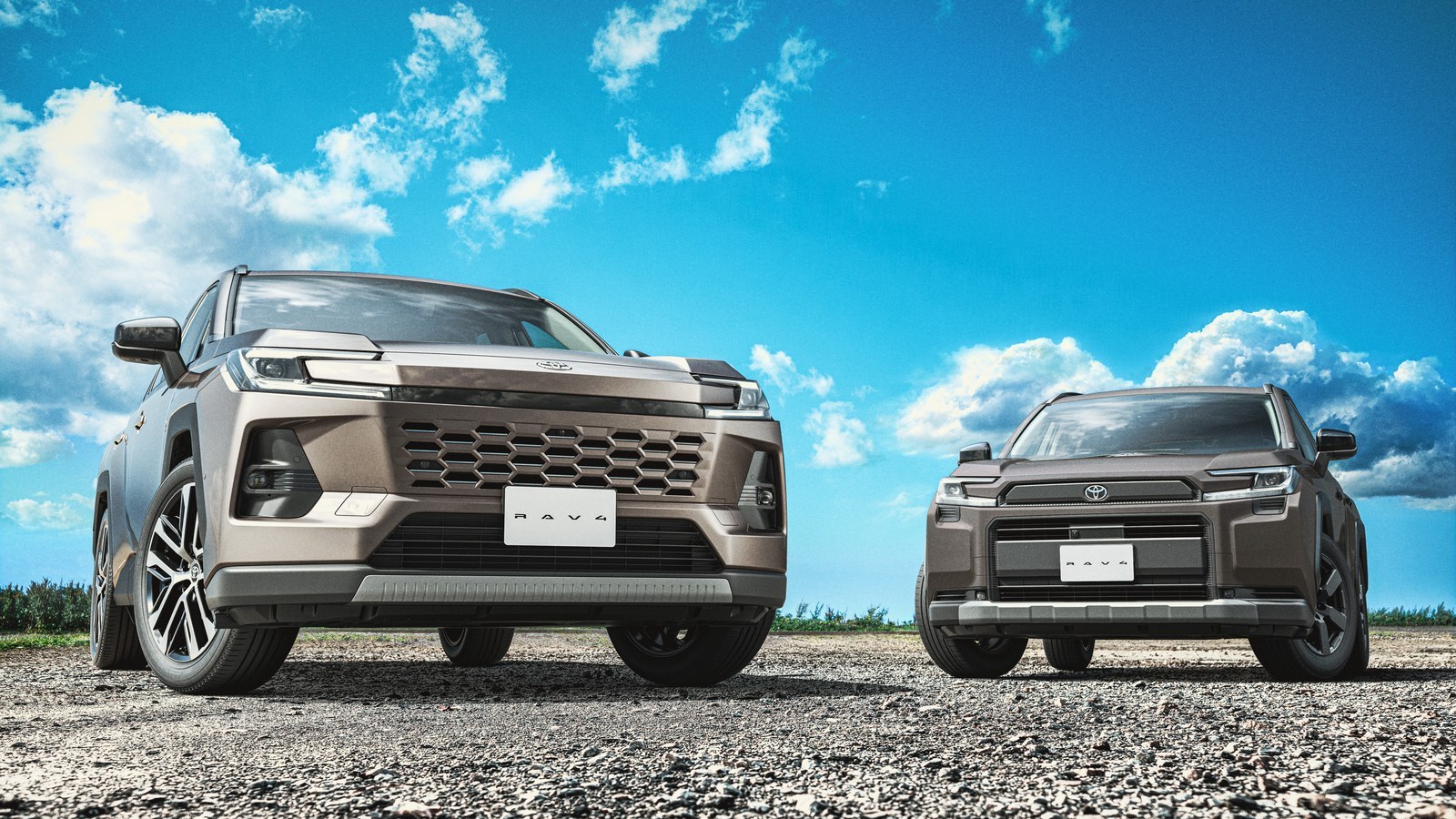
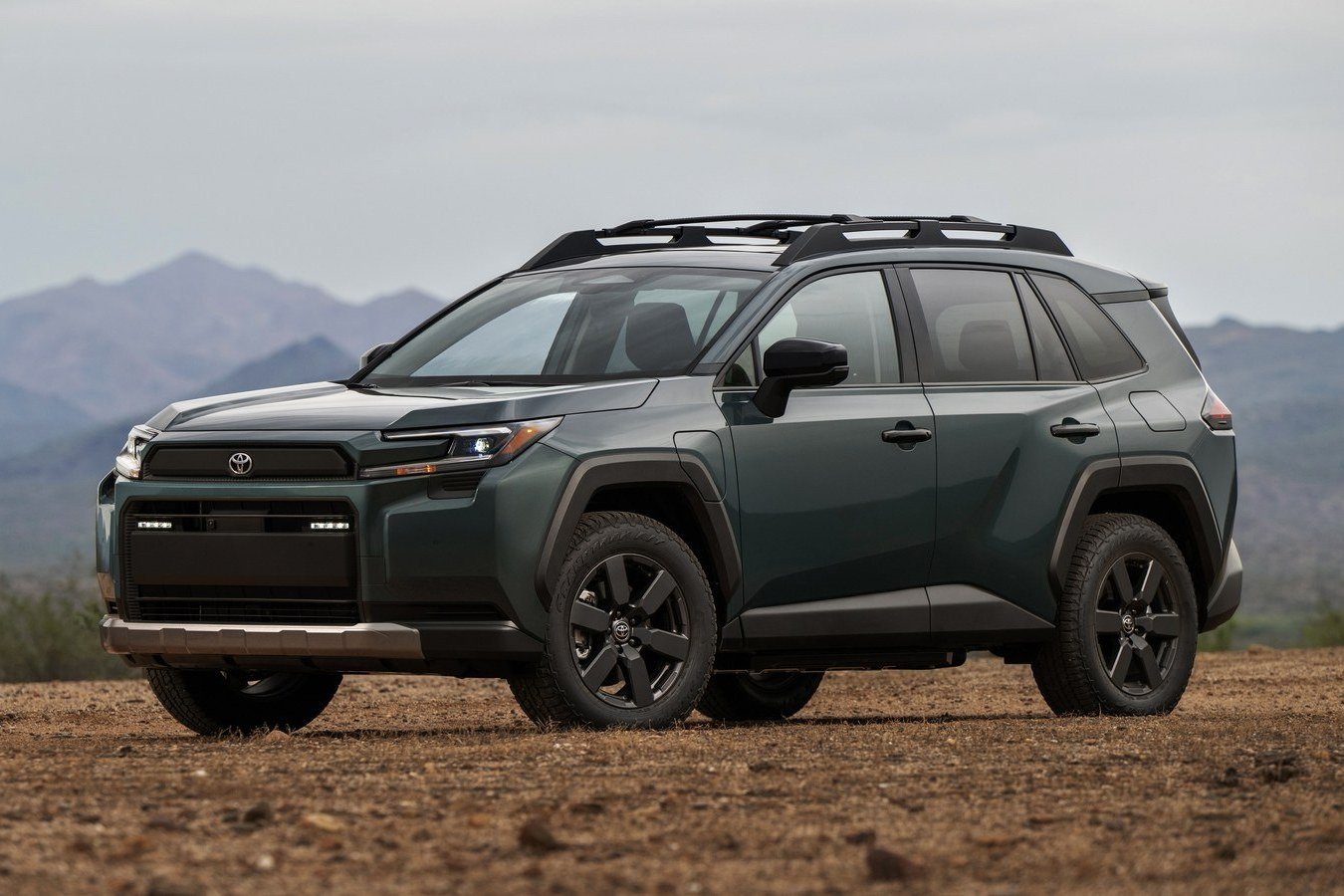
| Toyota RAV4 Hybrid LE FWD | $33,350 | $33,895 | +$545 (+1.6%) | $1,450 → $1,595 | Backup-camera washer, Multi-Terrain Select on AWD, five-year Remote Connect trial; NACS and DC fast charging on plug-ins only |
| Honda Civic LX sedan | $25,890 | $26,290 | +$400 (+1.5%) | $1,195 → $1,295 | No change listed for LX; S+ Shift added only to Sport Touring Hybrid |
| Mazda3 2.5 S sedan | $25,885 | $26,065 | +$180 (+0.7%) | $1,235 → $1,315 | Wireless CarPlay and Android Auto from Select Sport up; AWD reaches more hatchbacks |
| Jeep Cherokee | $36,995 | $37,125 | +$130 (+0.4%) | $1,995 → $1,995 | Two Altitude trims and four colors added; hardware unchanged |
| Lexus RZ 350e FWD | $47,395 | $47,495 | +$100 (+0.2%) | $1,395 → $1,395 | Nothing new; release lists no equipment changes |
| Mazda CX-5 2.5 S | $31,585 | $31,585 | $0 | $1,595 → $1,595 | Google Gemini standard on every trim |
| Kia EV6 Light SR RWD | $39,445 | $39,445 | $0 | $1,545 → $1,545 | Carryover, in Kia's own word |
*Cadillac has not confirmed the 2027 destination charge; the $2,895 figure is The Drive's and is carried into both years. **Chevrolet lists a $23,700 MSRP for the 2027 Trax LT but no freight charge; Car and Driver's $25,495 with destination implies $1,795, the same fee the 2026 Trax carried this fall. Four more 2027 models have a new MSRP but no published destination yet, so they stay out of the table: Toyota Camry LE (+$100 to $29,700), Toyota Tundra SR (+$1,630 to $42,890), Toyota Corolla Cross L (+$900 to $25,535), and Chevrolet Silverado 1500 WT (+$1,700 to $38,600).
Three kinds of increase, not one
The first kind is the ordinary one: the same trim costs more and the automaker says what it added. Toyota's RAV4 Hybrid LE is up $400 before destination, and Toyota's own list of 2027 changes runs to a backup-camera washer, new drive modes on AWD cars, and a longer connected-services trial; the real news, a NACS port with fast charging, is confined to the plug-in, which is up $600. Our 2027 RAV4 breakdown has the grade-by-grade detail. Honda's Civic LX is up $300 and Honda lists nothing new for that trim. Chevrolet's Trax LT is up $500 trim for trim, and Chevrolet's case is the longest on this list: a facelift, two much larger screens, and a safety roster it describes on its 2027 Trax page as "20+" standard features, including adaptive cruise control.
The second kind is the deleted base trim, which turns a few hundred dollars into a few thousand. The Trax is the cleanest example this month: the LT's $500 bump becomes a $2,000 jump at the entry point because the LS and 1RS are gone. The Escalade, the RX, and the Corsair all did the same thing earlier in the fall, and I already made the argument about that pattern in why carmakers are deleting trims rather than raising prices; I won't repeat it here beyond noting that none of those companies has since explained the deletions.
The third kind is destination. Toyota's RAV4 fee goes from $1,450 to $1,595, so a buyer who reads "$400 increase" in the release actually pays $545 more. The Sequoia's fee rises $100 to $2,195, the Civic's $100 to $1,295, the Mazda3's $80 to $1,315, and the Corsair's $800 to $2,295. Lexus, Kia, Jeep, and Mazda's CX-5 held theirs. What strikes me is that no release mentions the freight change; you find it by subtracting. On a RAV4, the destination increase is more than a quarter of the total.
What the automakers say, and what they don't
Read the releases and the explanations are all equipment. Toyota's Sequoia text leads with trailer-sensing driver assists and a standard 14-inch screen. Lincoln's Corsair material lists the standard hybrid, standard AWD, and BlueCruise. Chevrolet's Trax page lists screens, LED lighting, and safety features. Mazda describes Gemini on every CX-5 and wireless phone mirroring on more Mazda3 trims.
None of the sixteen releases and price pages behind this scorecard uses the word tariff, and I'd argue that matters for how we read them. The temptation is to assign every 2027 increase to import duties. The automakers themselves are not doing that, at least not in writing, and the pattern does not fit anyway: the RAV4 that gained $545 is built in Kentucky and Ontario, the Camry that gained $100 in Kentucky, the Civic that gained $400 in Ontario and Indiana, while the imported Mazda3 moved $180. Where a company has not named a cause, this article does not name one for it.
The ones that held
Kia's EV6 keeps every one of its seven 2026 prices and its $1,545 fee; Kia calls the 2027 car a carryover, and its own September report showed EV6 sales down 61 percent. Mazda held the base CX-5 at $29,990 before destination while nudging the four trims above it by $150 to $550. Lexus moved the RZ 350e by $100, which is close enough to flat that a 2026 on the lot is the same car for less money. All three are models under sales pressure, and that is the same logic that produced the Subaru Outback and Impreza cuts in our October look at price cuts: prices are holding or falling where volume is slipping, and rising where it isn't.
The market behind the stickers
The last full read on transaction prices is Cox Automotive's Kelley Blue Book report for September, released October 13: an average of $50,562, up 0.7 percent from a year earlier, against an average sticker of $52,342, with incentives at 6.6 percent of the price, down from 7.3 percent. Cox's October figures are due in mid-November and we will add them when they land. The report does not break out the share of sales above $50,000, so we cannot say how many buyers are already on the far side of that line.
My reading is that the 2027 moves are consistent with that picture rather than a break from it: modest trim-for-trim increases, a few deleted base trims that lift the floor, and destination charges doing quiet work underneath. The average buyer pays roughly $350 more than a year ago. The scorecard says why.
What to do if you are buying this month
The question a shopper actually faces is whether the 2026 on the lot is the same car for less. For six models on this list, yes: the RZ, the EV6, the base CX-5, the Cherokee, the Camry, and the Civic (unless you want the new Sport-L, which did not exist as a 2026). A leftover 2026 Trax LS is $2,000 cheaper than the cheapest 2027 and a leftover RX 350 Standard is $2,675 cheaper; both are versions that will not be built again.
For three models the 2027 brings hardware that a leftover cannot: the RAV4 plug-in's NACS port with DC fast charging, the Sequoia's trailer assists and standard 14-inch screen, and the Corsair's hybrid, AWD, and BlueCruise. Whether that is worth the increase is a personal call; our model-by-model guide to buying the 2026 instead of the 2027 works through each one. And if the extra few hundred dollars pushes the monthly payment past what you wanted, read our 84-month loan math before you let the dealer stretch the term to make it fit.
What we don't know
- Why the Escalade, RX, Corsair, and Trax lost their base trims. None of the four companies has said.
- How many 2026 units remain in stock for any model here. Cox publishes days' supply by segment, not by nameplate, and no automaker has disclosed model-level inventory.
- The 2027 destination charge for the Camry, Tundra, Corolla Cross, Silverado 1500, and Escalade, and confirmation from Chevrolet of the Trax's fee.
- October transaction prices, due from Cox in mid-November, and whether the under-$30,000 share kept shrinking.
This scorecard will grow. Honda has priced the 2027 Civic but not the CR-V; Ford has not published a full 2027 F-150 price list; Toyota has not released destination for three models. Each of those is a row waiting to be added.