Price Cuts Are Back for a Few 2027 Cars. Here's Who's Cutting and Why
Subaru lowered Outback prices and Ford gave the Mach-E more battery, but the average new car still costs more. The cuts land where sales are slipping.
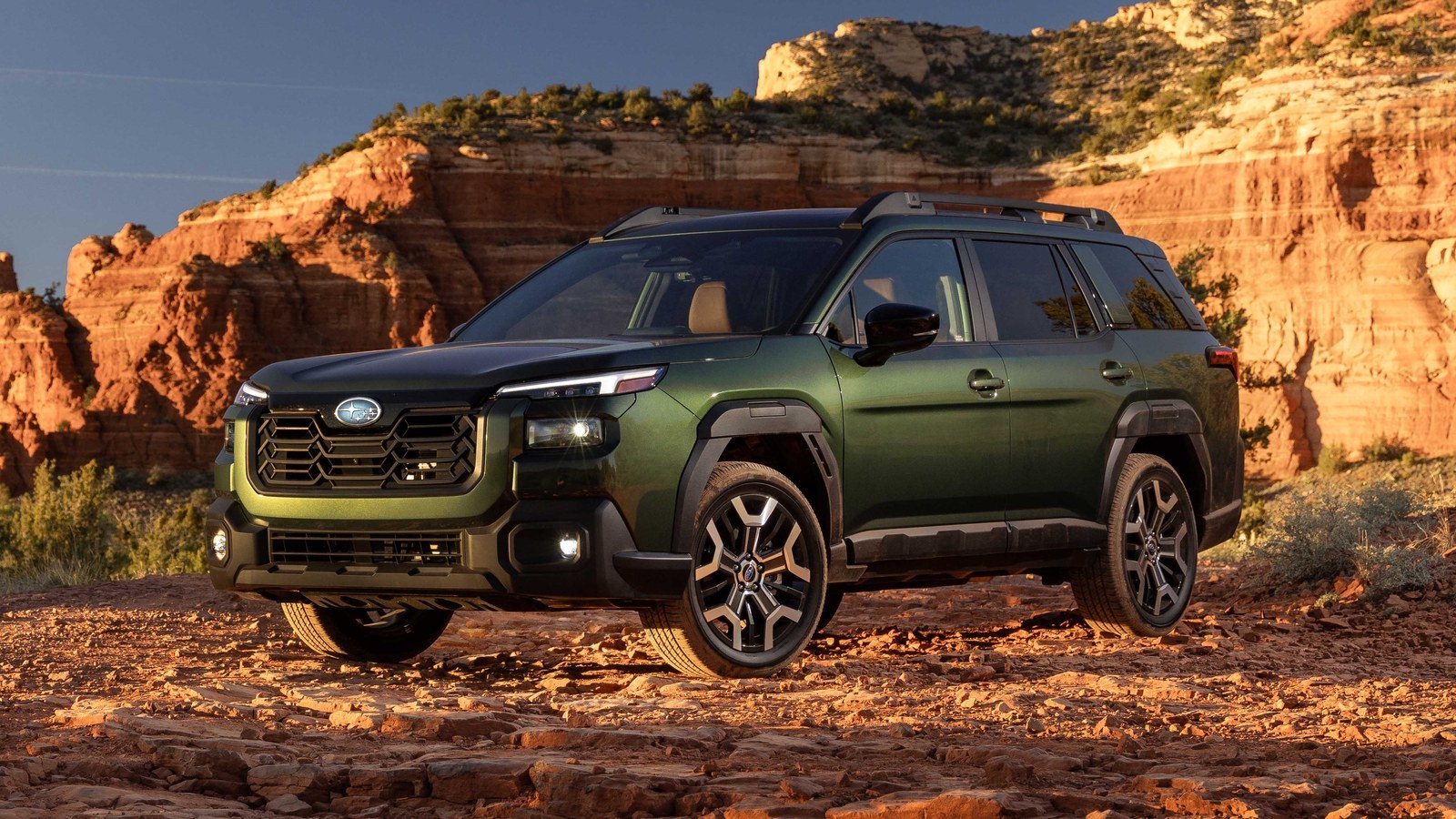
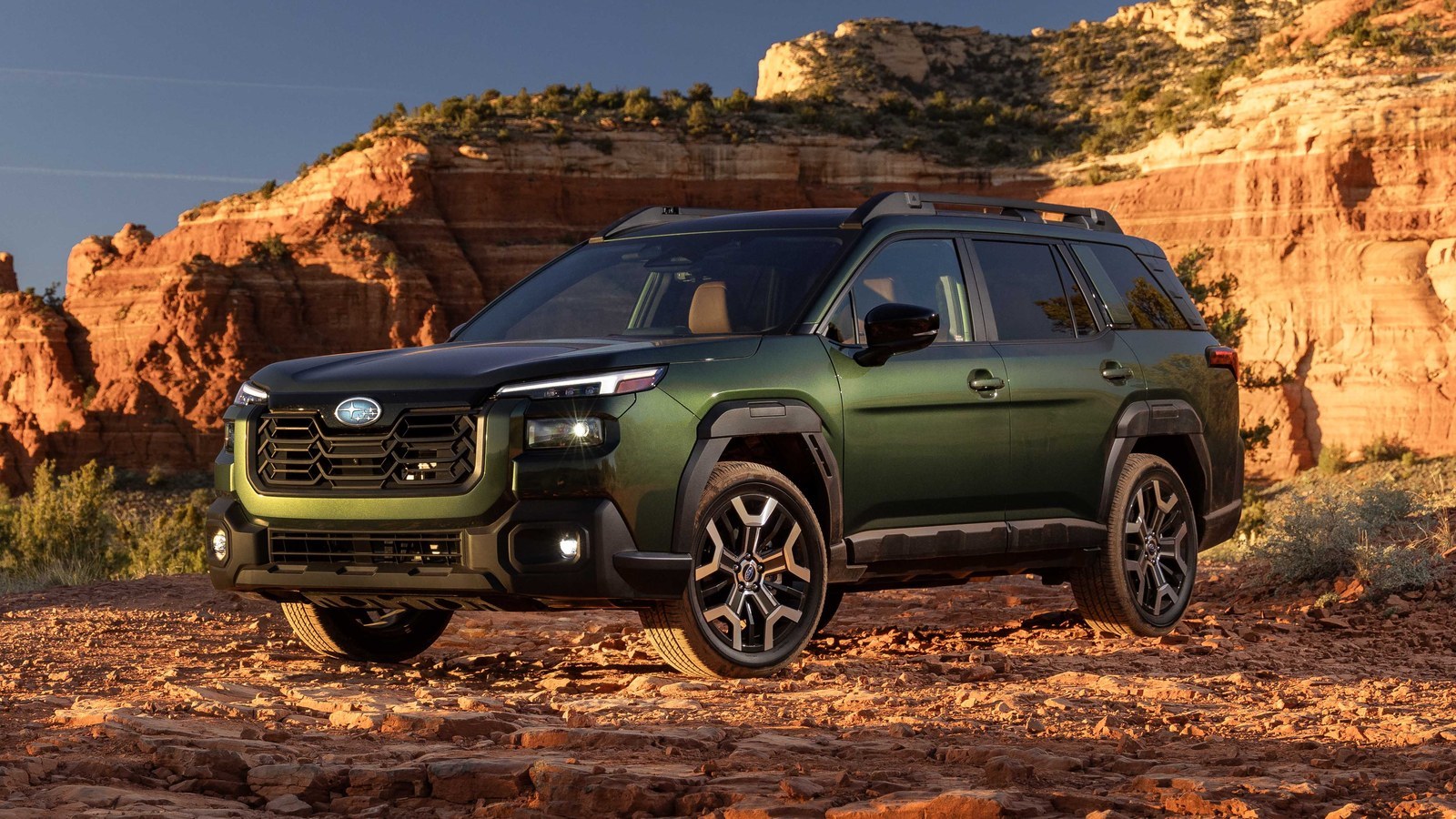
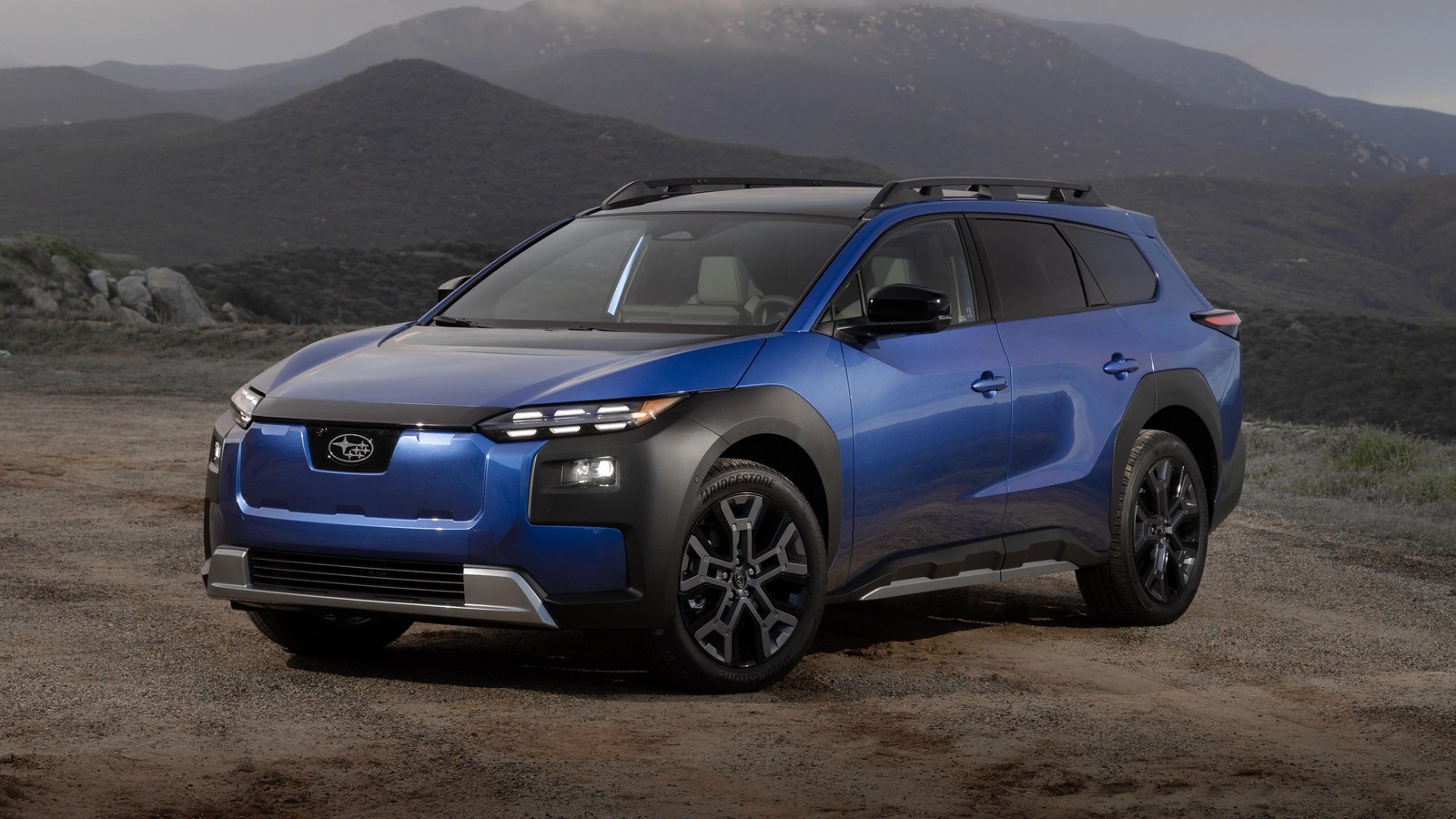
Subaru cut the price of the 2027 Outback on October 22. The new base model starts at $32,995, $2,000 below the cheapest 2026 Outback, and five of the six carryover trims are $770 to $1,900 cheaper. The same day, Ford opened orders for a 2027 Mustang Mach-E that starts at $39,995 with its bigger battery as standard. Two pricing releases in one day is enough to get people talking about a price war.
I don't think that is what this is, at least not yet. Across the market, prices are still edging up and discounts are shrinking. What is happening is narrower: a few brands are cutting on specific models, for reasons you can read straight off their own sales sheets, while others are going the other way. It is also the mirror image of what we found in September, when the biggest 2027 price jumps came from deleted trims rather than higher stickers.
The average new car is not getting cheaper
Start with the market as a whole. The average new vehicle sold for $50,562 in September, up 0.7% from a year earlier and just $52 short of the record set last December, according to Cox Automotive's Kelley Blue Book report. Incentives averaged $3,359, or 6.6% of the transaction price, down from 7.3% in September 2025.
The biggest sellers of profitable vehicles are not cutting anything. GM earned an 8.7% margin in North America last quarter, and every 2027 Silverado 1500 trim but one costs $1,200 to $8,800 more than its 2026 equivalent. GM's CFO told analysts that incentives on the outgoing truck are several hundred basis points below past changeovers, as we covered in our breakdown of GM's third quarter. Lincoln's revived Corsair starts at $48,790 with destination, $7,310 more than the last U.S.-built version, and Cadillac's 252-unit Escalade-V 125th Anniversary Collector Series comes in at about $239,000.
So when a brand does cut, the useful question is not whether prices are falling. It is why that brand, on that model, now.
Subaru is cutting where it is losing ground
Subaru's own numbers answer that. Outback sales are down 10% through September, to 104,759, according to Subaru of America's September sales report. The Impreza is down 42.4%. The Legacy is effectively gone. Those are exactly the cars Subaru has repriced: the 2027 Impreza now starts at $24,595, also $2,000 under last year, and the Outback cuts arrive a month later.
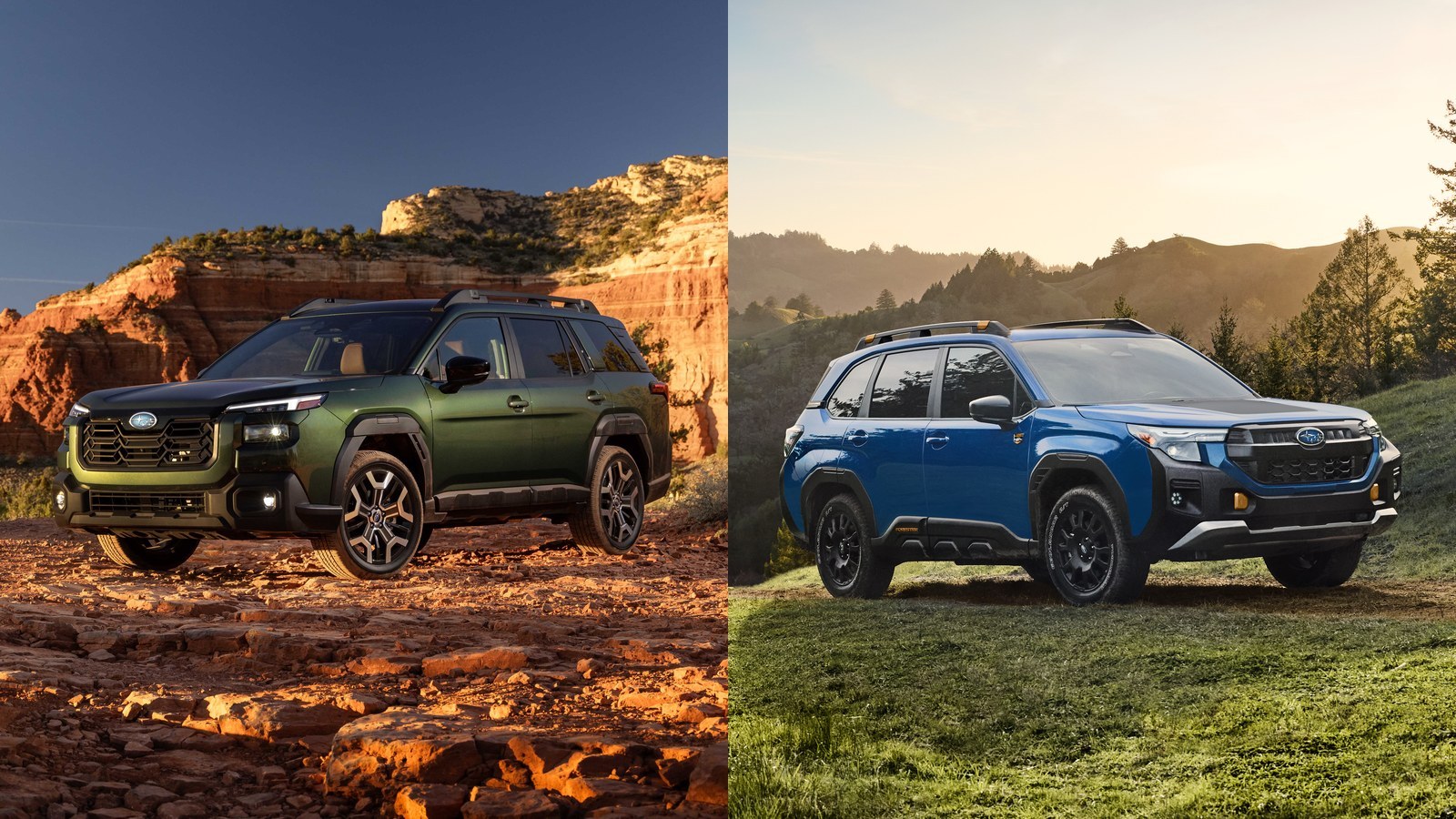
The Forester shows the other half of the pattern. It is Subaru's best seller, up 17.6% this year, and its 2027 price held at $29,995. Subaru is not lowering prices across the board. It is lowering them where volume is slipping, and leaving them alone where it isn't.
Two details matter here. First, the Outback's $2,000 drop at the bottom comes from a new base trim, not from the same car getting cheaper; the $34,995 Premium is unchanged. That is the opposite of the trim deletions elsewhere, and in my view it is the more buyer-friendly way to reprice. Second, the Outback is built in Gunma, Japan, so every one comes in under the 15% combined duty on Japanese vehicles. Subaru is cutting the price of an imported car that still pays the tariff, which, in my view, makes this a decision about margin rather than a windfall from lower costs. Our look at Japanese production and tariffs explains why building locally alone won't lower stickers soon.
Ford's Mach-E is a value move, not a price cut
The Mach-E needs a correction to the way it is being described. The 2027 Select RWD costs $39,995 before destination; Edmunds lists the 2026 Select RWD at $37,795. That is $2,200 more, not less. What changed is the battery: the base car now gets 88 kWh of usable capacity instead of 73, so the price per kilowatt-hour drops about 12%, from roughly $518 to roughly $454. The details are in our 2027 Mach-E pricing story.
The reason is the EV market Ford is selling into. U.S. EV sales fell 38.6% year over year in the third quarter, and Ford's fell 80.2%, to 6,047, according to Kelley Blue Book's Q3 estimates. Ford has done this before: it cut 2026 F-150 Lightning prices by up to $4,000 after the federal credit expired, then ended production in December 2025. The average EV now sells for $55,879, 3% less than a year ago, even though EV incentives fell from 14.2% of the price to 11%. The cuts have moved from the hood to the sticker.
Ford is repricing gas trucks selectively, too. Dealer order-guide figures reported by CarsDirect show the 2027 Maverick Lobo and Tremor $3,490 to $4,270 cheaper, while the EcoBoost XLT costs $3,600 more. Ford has not published that price list itself, so treat it as reported.
Who isn't cutting
Nissan is holding. The 2027 Altima is up $210, and no 2027 Pathfinder rises more than $300. Nissan reported a 2.6% operating margin for its April–June quarter, and that figure includes one-time gains tied to last year's U.S. tariffs, according to Nissan's own results. A company running that thin has little room to give, and, with 16 straight months of U.S. retail growth by its count, little reason to.
Stellantis is rebuilding volume rather than repricing it. Its North American shipments fell about 12% in the third quarter, mostly from planned downtime on the Jeep Grand Cherokee and Compass, while Ram shipments rose, according to its October 13 filing. None of the 2027 Stellantis pricing we have tracked includes a cut, and the 2027 Wrangler went on order without published prices.
The scorecard
| Model | 2027 price move | What's behind it | What it means before year-end |
|---|---|---|---|
| Subaru Outback | New $32,995 base (−$2,000 entry); Limited through Touring XT −$770 to −$1,900; Premium unchanged | Sales −10% this year; built in Japan, pays 15% duty | Arrives at retailers later this year; destination $1,545 |
| Subaru Impreza | $24,595 base (−$2,000 entry); RS unchanged | Sales −42.4% this year | On sale late 2026 |
| Subaru Forester | Held at $29,995 | Sales +17.6%; built in Indiana | No cut to wait for |
| Ford Mustang Mach-E | $39,995 Select RWD (+$2,200), 88 kWh standard | Ford EV sales −80.2% in Q3 | Orders open; EPA range TBA |
| Chevrolet Silverado 1500 | +$1,200 to +$8,800 on all trims but one | GM North America margin 8.7% | GM signals thin discounts on the outgoing truck |
| Lincoln Corsair | $48,790 with destination (+$7,310) | Hybrid-only, AWD standard, built in China | Sales start early 2027 |
| Nissan Altima / Pathfinder | +$210 / $0 to +$300 | 2.6% operating margin in April–June | Effectively flat |
| Cadillac Escalade-V 125th | About $239,000 with destination | 252-unit collector series | Orders in U.S. and Canada |
Where to watch for the next move
I won't guess at individual prices. But the facts point to where the pressure is highest. The first place is EVs whose sales collapsed after the credit ended and whose makers haven't reset the sticker: the Chevrolet Equinox EV fell from 25,085 sales in the third quarter of 2025 to 1,905, and the Volkswagen ID.4 to 989, per Kelley Blue Book. The second is imported nameplates losing volume while paying a 15% duty, since Korean vehicles now face the same combined rate as Japanese ones under a Commerce and USTR notice effective November 1, 2025. Subaru just showed what a brand in that position can choose to do.
The pressure on buyers is real, too. Edmunds puts the average new-car payment at a record $787 a month, which is why "affordability" keeps showing up in pricing releases. My bet is that we will see more targeted cuts dressed up as new base trims before we see anything that deserves to be called a war.
What we don't know
- How much each brand spent on incentives in the third quarter. Cox's September report gives no brand-level breakdown, and we won't estimate one.
- What the 2027 Outback and Mach-E will actually sell for. Neither is in showrooms yet, so there are no transaction prices.
- Whether Subaru's cuts come out of margin or out of cost. Subaru hasn't said.
- Ford's official 2027 Maverick price list and the Mach-E's EPA range.