The Best-Selling EVs of Q3 2026 — and the Ones Buyers Walked Away From
Kelley Blue Book’s corrected Q3 report ranks every EV sold in the U.S. The Model Y took 38% of the market alone, new Toyotas and Rivians climbed, and the Equinox EV lost 92% of its buyers.
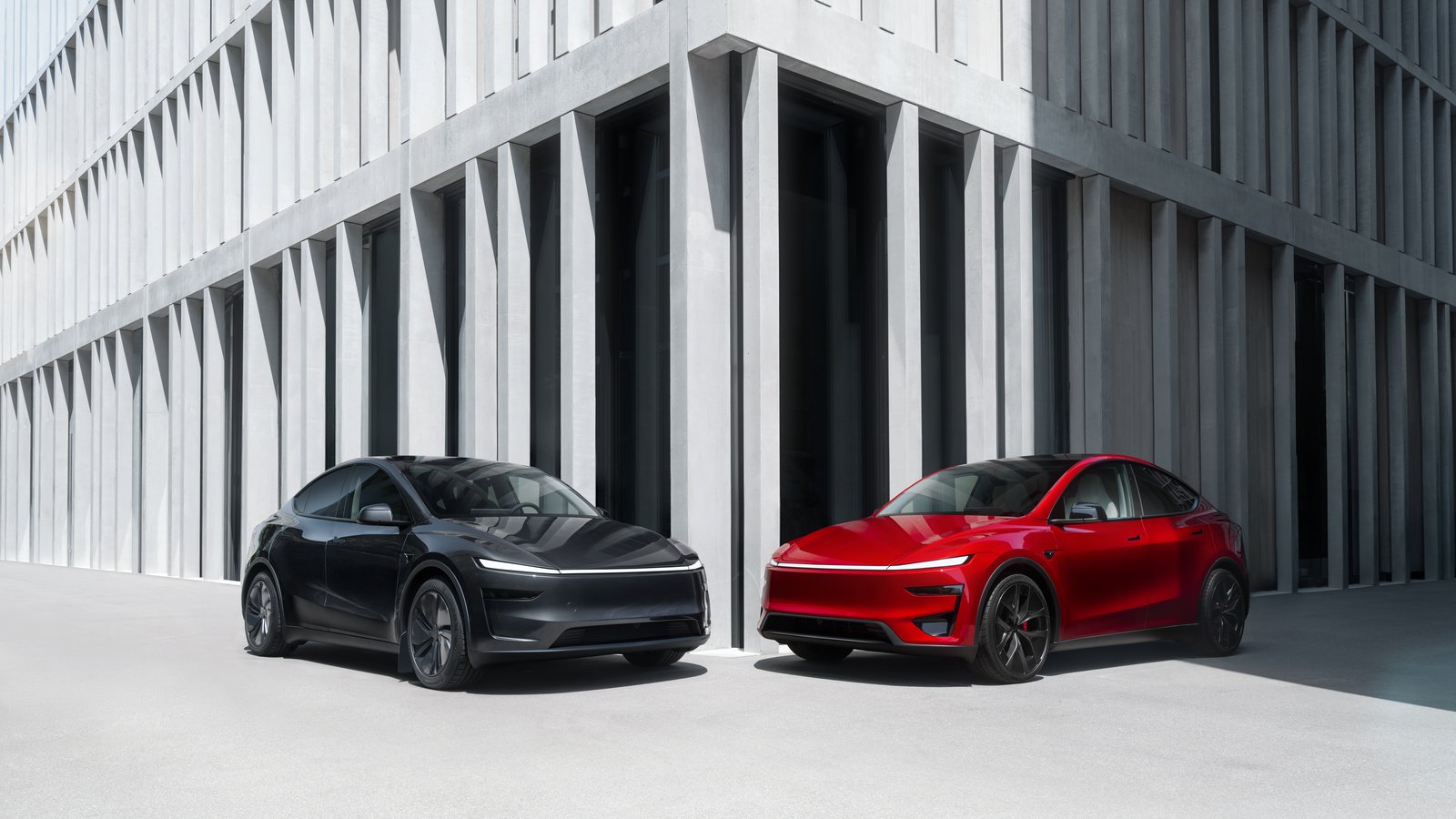
Two Tesla models sold more electric vehicles in the third quarter than every other EV in Kelley Blue Book's tally combined. The Model Y and Model 3 accounted for an estimated 139,383 of the 262,649 EVs Americans bought from July through September, or 53%. Below them, the list is a story of new nameplates climbing and year-old favorites collapsing, as the quarter's EV sales rebounded to a one-year high while still trailing last year's record by 39.5%.
One caveat before the rankings. Kelley Blue Book, part of Cox Automotive, labels every figure in its third-quarter EV sales report an estimate, and the Tesla numbers in particular are modeled rather than reported, because Tesla does not break out U.S. sales. Where an automaker publishes its own count, we note how close Cox got. Cox also corrected the report on October 13, lowering the market total from 266,630 to 262,649; the 3,981-unit difference matches the reduction in its Lexus line. The figures here are from the corrected version.
The 10 best-selling EVs of Q3 2026
Ranked by Kelley Blue Book's estimated U.S. sales, with the change from the third quarter of 2025:
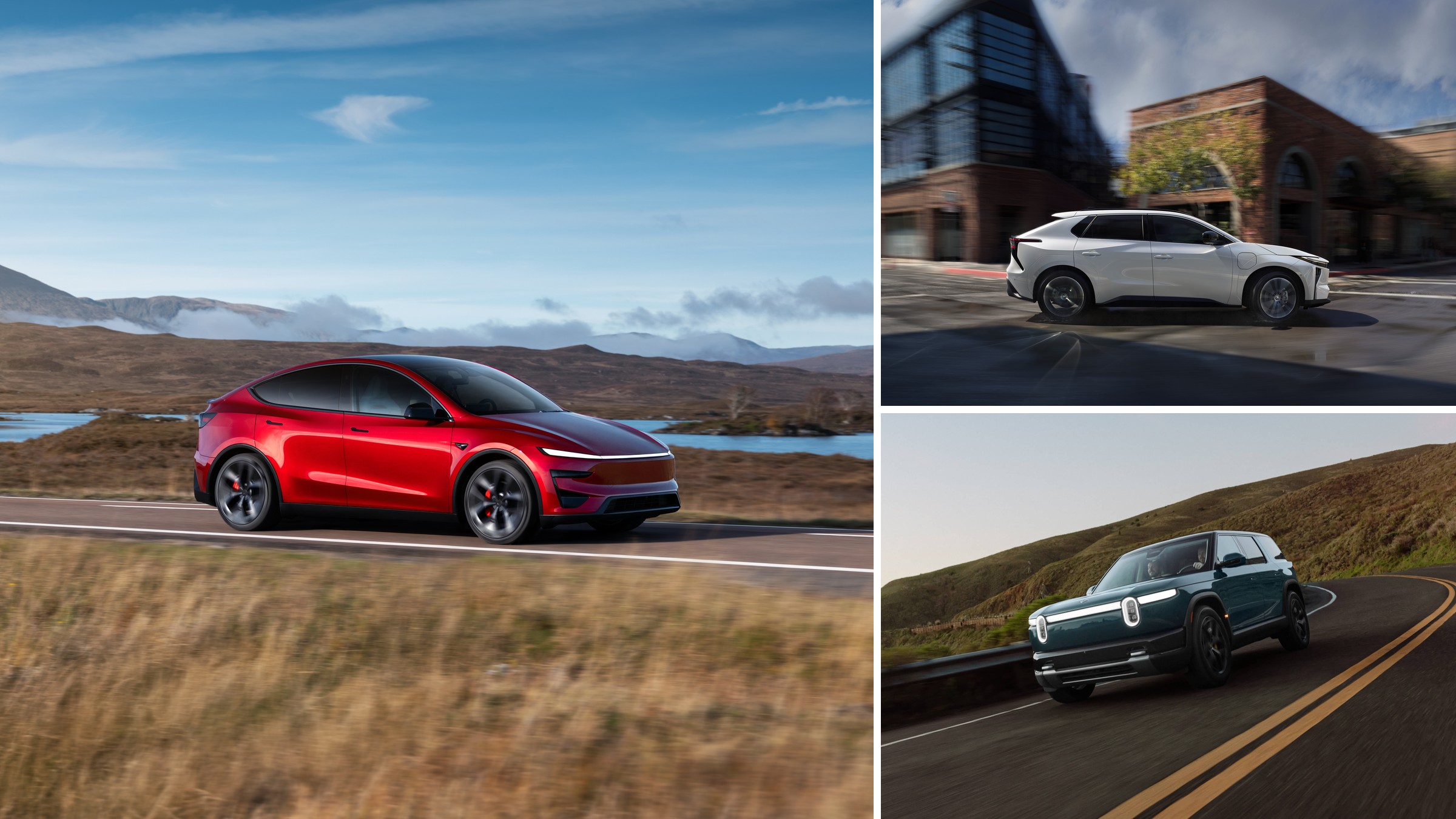
- Tesla Model Y: 99,037, down 13.8%. Alone, it is 37.7% of the EV market.
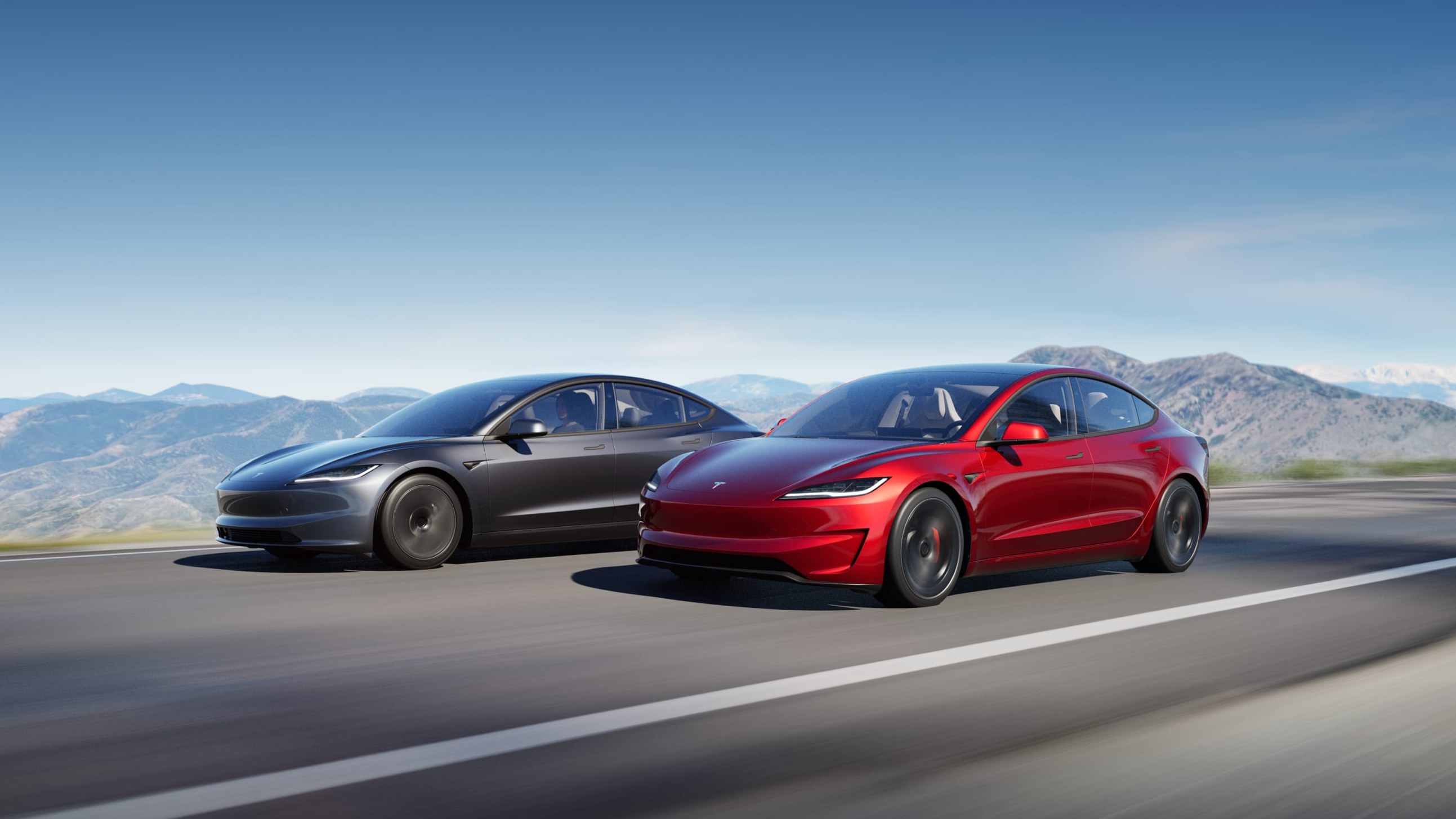
- Tesla Model 3: 40,346, down 25.1%.
- Hyundai Ioniq 5: 10,382, down 52.8%.
- Rivian EDV commercial van: 8,469, up 220.9%.
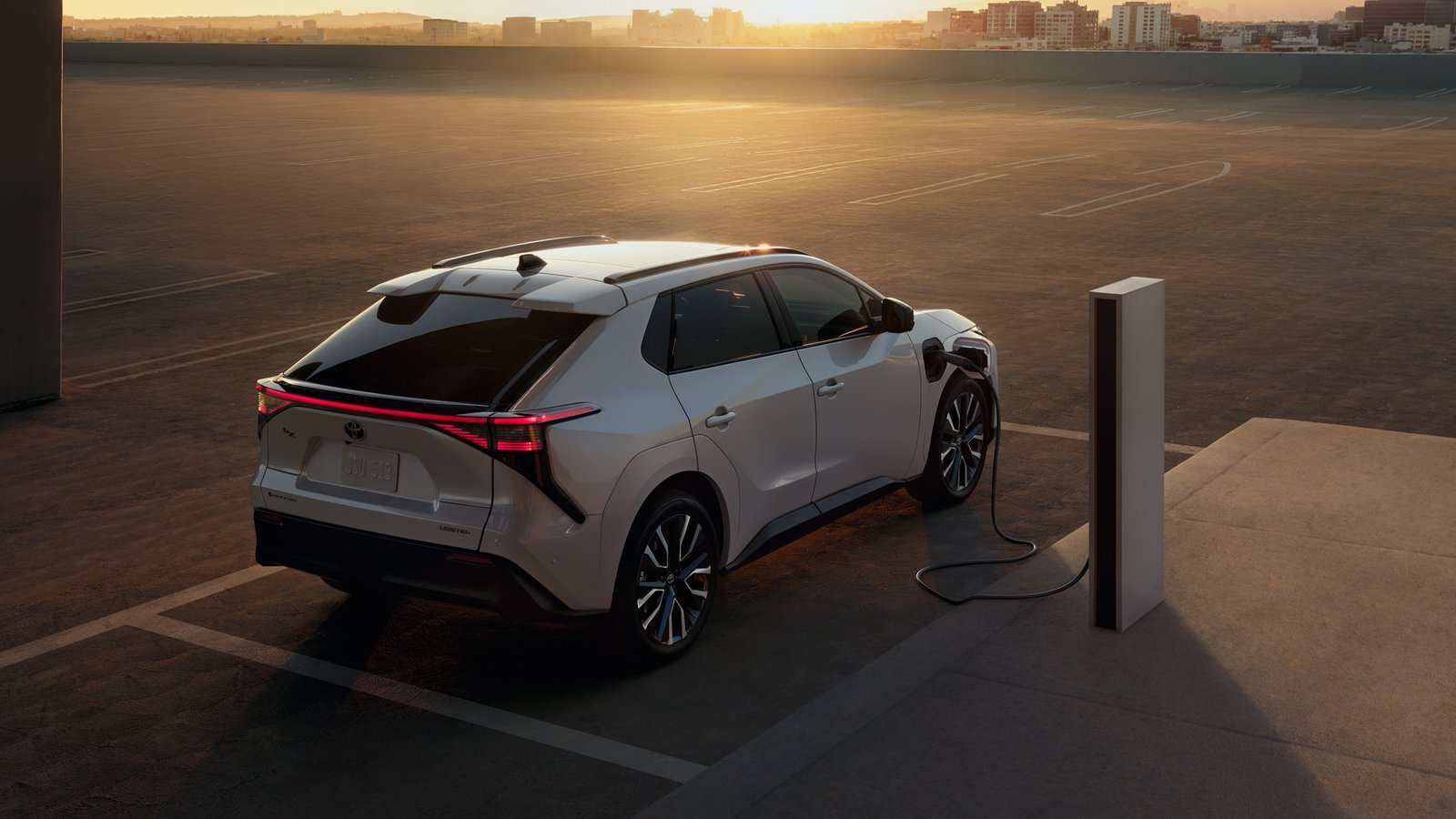
- Toyota bZ: 7,391, up 145.1%.
- Rivian R1S: 5,582, down 31.8%.
- Ford Mustang Mach-E: 5,574, down 72.4%.
- Kia EV9: 5,394, down 28.2%.
- Honda Prologue: 4,882, down 75.9%.
- Cadillac Optiq: 4,550, down 6.9%.
Just outside the top 10 sit the Tesla Cybertruck (4,323), the returning Chevrolet Bolt (3,866), the Cadillac Lyriq (3,617), the new Toyota C-HR (3,467), the Rivian R2 (3,456), and the Subaru Trailseeker (3,174).
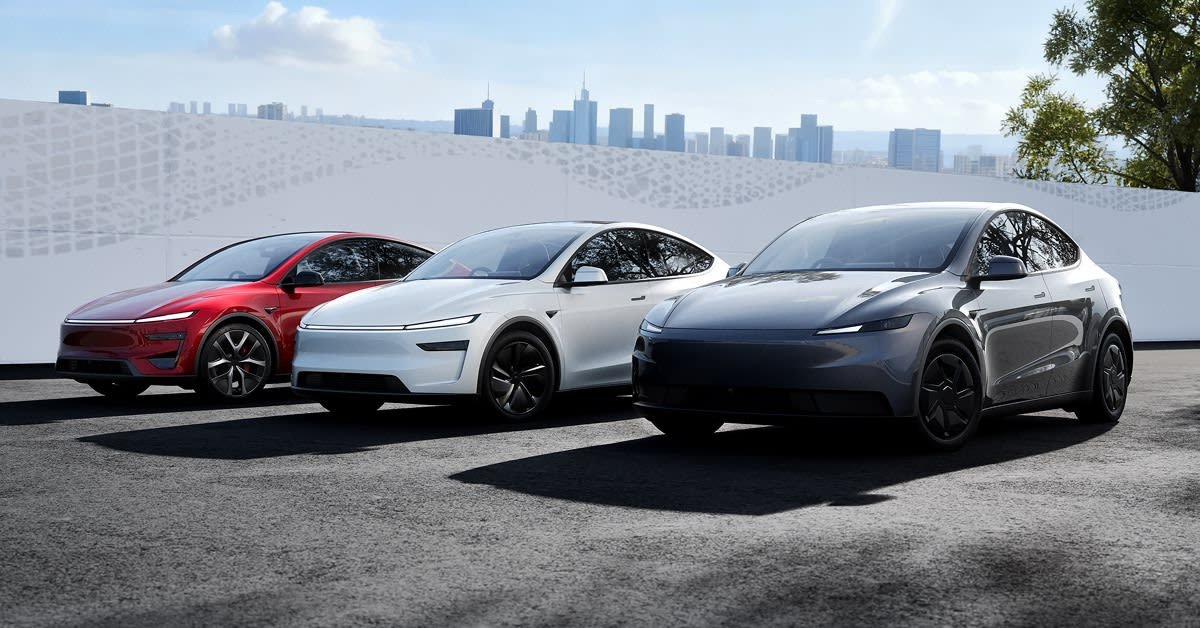
The gap between first and third place is the market in one number. The Ioniq 5, the best-selling EV not built by Tesla, moved about one car for every ten Model Ys.
How the estimates compare with what automakers reported
Tesla reported 486,532 global deliveries, down 2%. If Cox's 144,094 U.S. estimate is right, Tesla's home market fell 19.7% while the rest of its business grew. Tesla gives no figure to check that against.
Rivian is the clean test. Cox counts 19,239 Rivian sales; Rivian reported 19,248 deliveries, a difference of nine vehicles. Hyundai's own release puts the three Ioniq models at 12,152 combined, which is exactly what Cox's three Ioniq rows add up to. Kia's EV3 total of 514 matches Kia's September report to the unit.
Elsewhere the counts drift. GM reported 25,213 EV sales for the quarter, as we covered in GM's Q3 results; Cox's Chevrolet, Cadillac, and GMC rows total 25,473. Audi's delivery report shows 1,103 e-tron sales against Cox's 1,039, and the two disagree on the Q6 e-tron by nearly 200 cars. Lucid reported 3,806 deliveries worldwide, while Cox estimates 2,708 for the U.S.; Lucid does not say how many went to Saudi Arabia or Europe. Treat any single-model figure from a brand that doesn't publish its own as a close estimate, not a count.
The EVs buyers walked away from
The steepest declines are not all demand stories. Several are models that left the market or stopped being built:
- Nissan Ariya: 4 sales, down from 3,210. Nissan dropped the Ariya from its U.S. lineup after the 2025 model year, so this is leftover stock.
- Ford F-150 Lightning: 289, down 97.1% from 10,005. Ford ended the battery-only Lightning in December 2025 and has promised an extended-range replacement.
- Tesla Model S and Model X: 215 and 173, down 88% and 95.2%. Elon Musk said on the January 28 earnings call that production of both would wind down in 2026.
- Hyundai Ioniq 6: 107, down 96.2% from 2,810, a drop Hyundai's own report confirms.
- Jeep Wagoneer S: 146, down 96.5%.
- Chevrolet Equinox EV: 1,905, down 92.4% from 25,085. A year ago it was the best-selling EV that wasn't a Tesla.
- Volkswagen ID.4: 989, down 92.1%. VW has confirmed the ID. Tiguan will replace it, and a battery recall now limits charging on 22,524 of the cars in the U.S.
- Audi Q6 e-tron: 810, down 92.1%. Audi's own count is lower still, at 619.
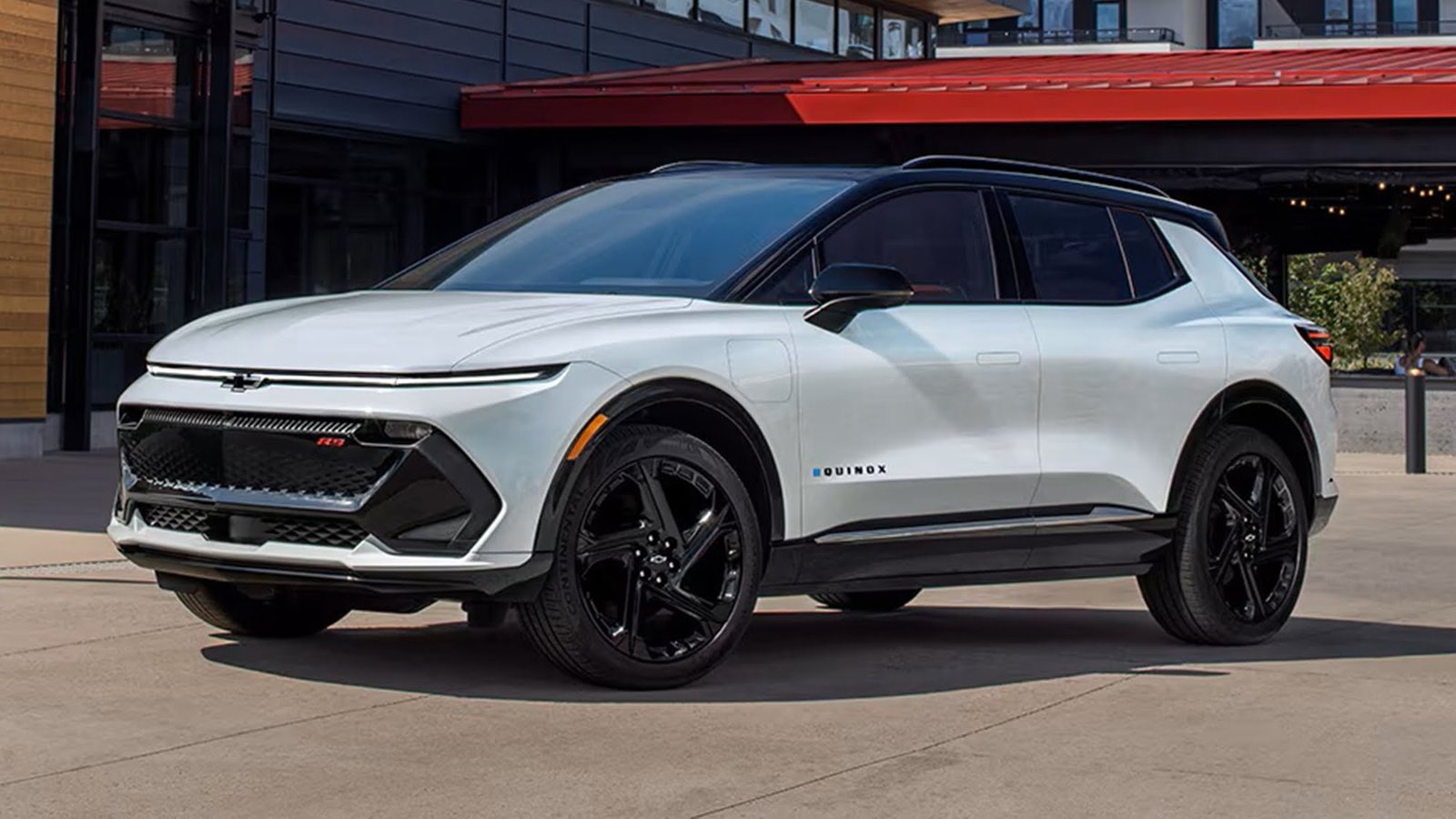
The Equinox EV is the one to watch. Nothing about the car changed; it is still on sale, and at $36,795 with destination it is the sixth-cheapest EV in America, as our ranking of the cheapest new EVs shows. What changed is that the $7,500 credit is gone, and the buyers who stretched for a $35,000 EV in September 2025 were the first to stop. That pattern explains why the biggest percentage losses cluster in the mainstream price band while Cadillac held up better than Chevrolet.
Where the growth came from
Only six of the 25 brands in the report grew, and almost all of it came from products that didn't exist a year ago. Toyota's EV sales rose 328% to 12,904 as the C-HR and bZ Woodland joined a bZ that itself more than doubled. Lexus added the electric ES, good for 2,083 sales in the quarter. Subaru's 31.5% gain came from the new Trailseeker and Uncharted while the Solterra fell 85.7%.
Rivian's 45.7% rise leaned on the commercial van, which more than tripled, and on the first 3,456 R2 deliveries. Both of Rivian's R1 models declined. The Lucid Gravity more than tripled to 2,202, and the Mercedes-Benz EQS rose 153.8% from a small base. Kia's EV3, BMW's iX3, Mercedes' electric CLA, and Volvo's EX60 all posted their first U.S. sales.
The common thread is that the quarter rewarded new, not cheap. The Bolt, Kia EV3, Nissan Leaf, and Subaru Uncharted, four of the five lowest-priced EVs on sale, combined for 5,908 sales. The fifth, the Toyota bZ, sold 7,391 on its own.
What the report can't tell you
Three things are missing. There are no transaction prices or incentive figures, so the report cannot show how much of the rebound from the second quarter was bought with discounts; Kelley Blue Book's separate August data put EV incentives at 12% of transaction price. Several brands never publish model-level counts, so rows for Tesla, Lucid, and Polestar rest on Cox's modeling, and Polestar's own math, which implies about 2,160 U.S. sales, is larger than Cox's entire 1,218-unit bucket for the brands it doesn't list. And the year-over-year comparison is against the last quarter of the federal tax credit, which Cox calls the best quarter for EV sales in U.S. history.
The fourth quarter fixes that last problem. It will be the first measured against a period without the credit, and Cox expects to publish it in January.