Detroit Bet on EVs. Buyers Chose Hybrids. Q3 Settled the Argument
GM’s EV sales fell 62 percent while Toyota, Honda, Hyundai, and Kia set hybrid records. Ford has changed course. GM says hybrids are coming but hasn’t named one.
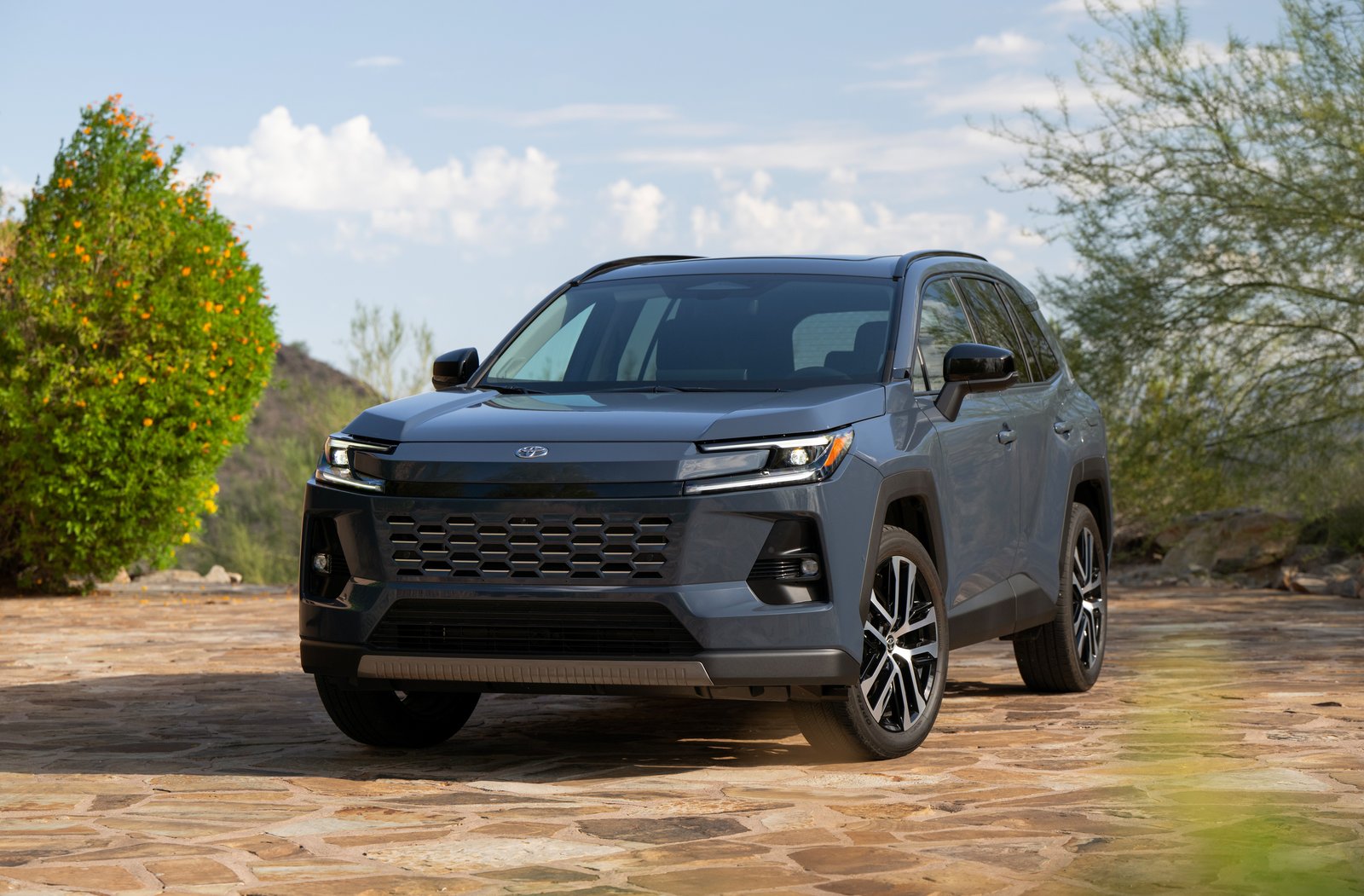
Detroit spent the first half of this decade planning for an electric showroom. In the third quarter of 2026, buyers gave their answer. General Motors sold 25,213 EVs in the U.S., down 62 percent from a year earlier, according to its delivery report. Toyota Motor North America sold 363,367 electrified vehicles, up 28.5 percent.
I'd argue the quarter settled one argument and left another open. The settled one is whether mainstream American buyers, paying full price, would rather have a hybrid than a battery-electric car right now. They would. The open one is what Detroit sells them in the meantime. The brand-by-brand results are in our Q3 sales breakdown for buyers. This piece is about what they add up to.
The scoreboard
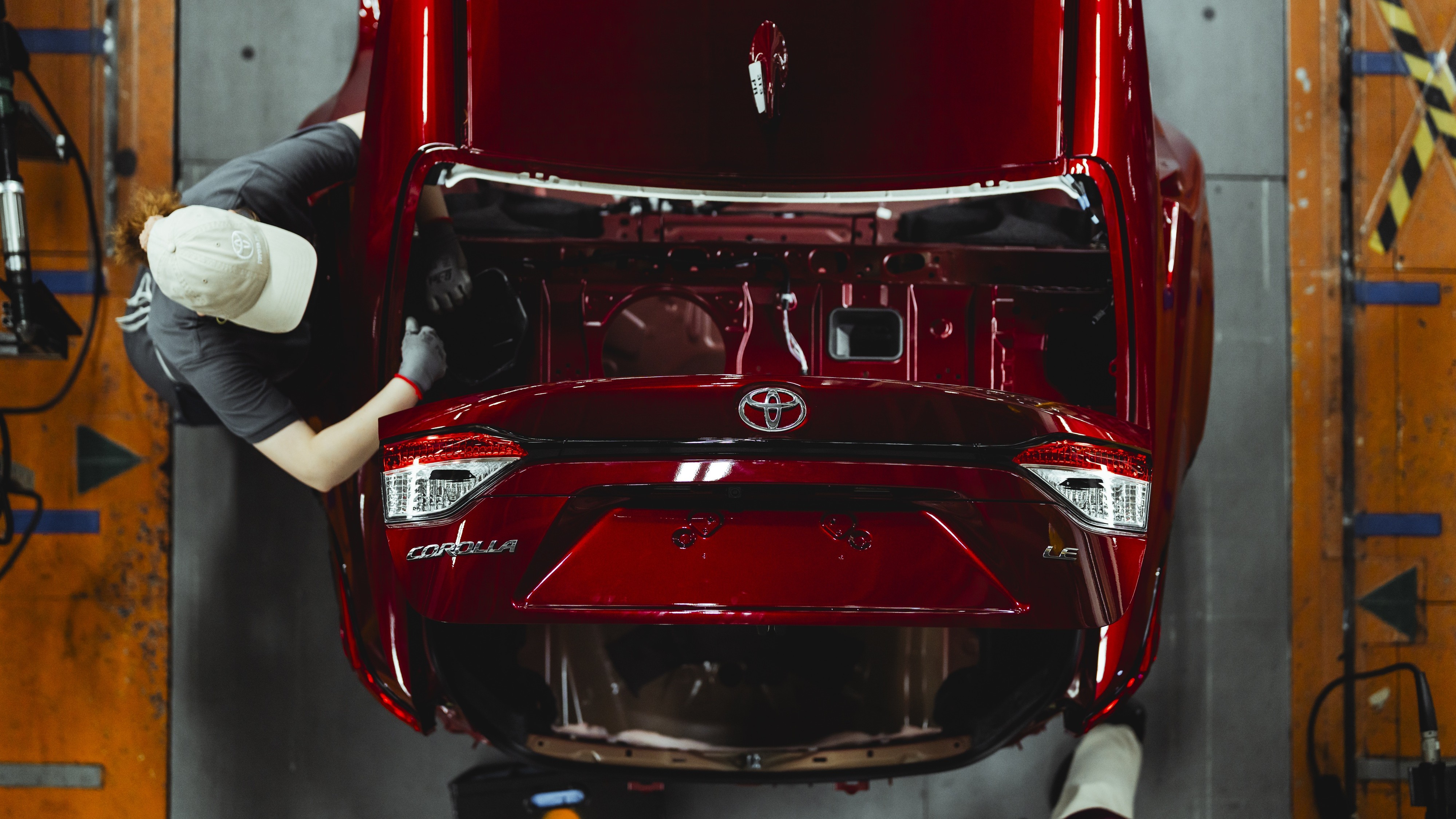
- Toyota Motor North America: 633,223 sales, up 0.6 percent. Electrified models were 57.4 percent of the total, and the Toyota division hit a record 61 percent mix.
- American Honda: 392,341, up 9.3 percent, with more than 106,000 hybrids, a third-quarter record. Hybrids were 53 percent of CR-V sales and 44 percent of Accord sales.
- Hyundai: 246,896, up 3 percent and its best third quarter. Hybrid sales rose 35 percent, also a Q3 record.
- Kia: 236,659, up 8 percent and the best quarter in its history. Hybrid sales rose 152 percent in September.
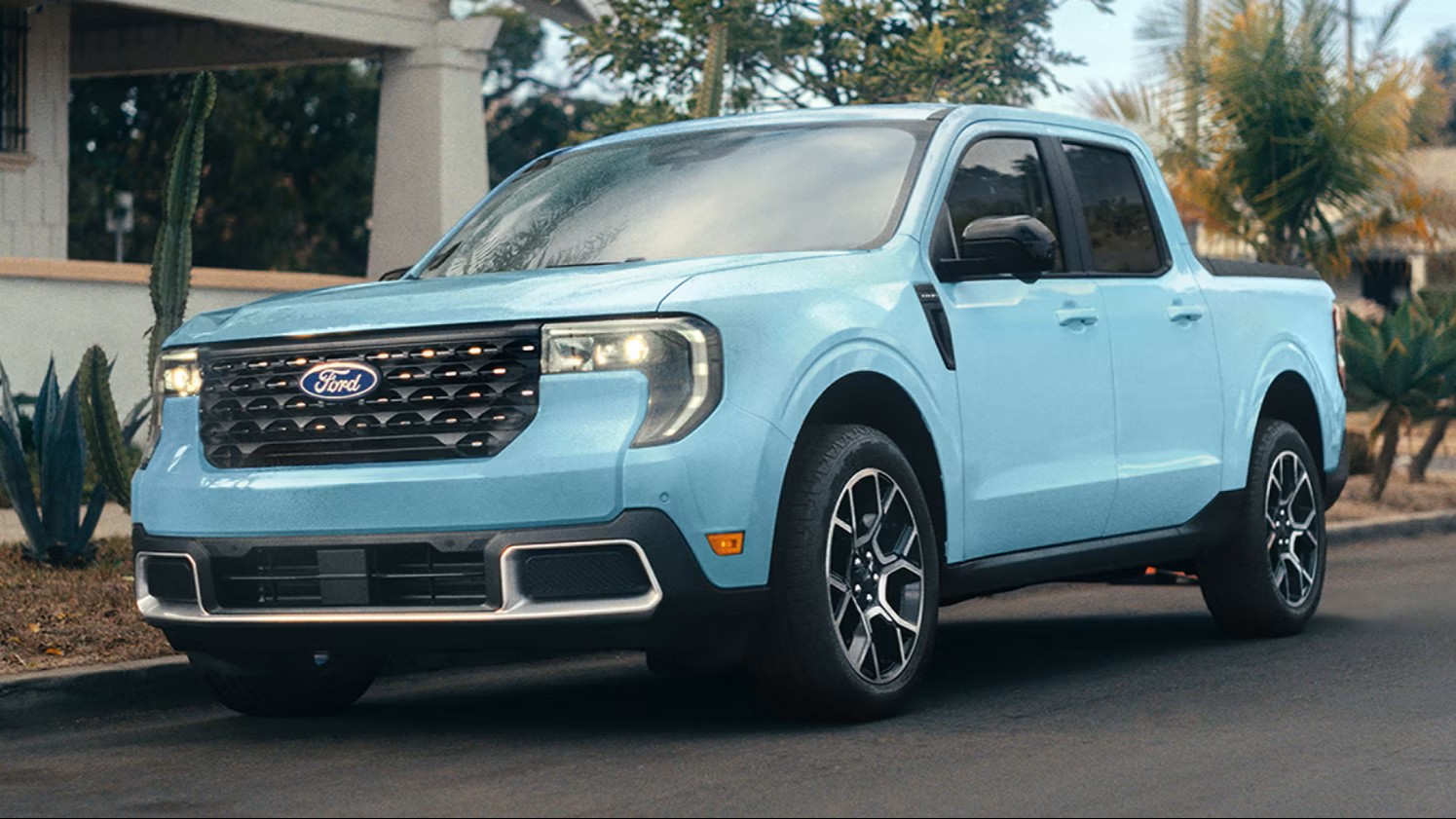
- Ford: 509,764, down 6.6 percent. The Maverick Hybrid set a record at 27,793, up 59.6 percent.
- General Motors: 670,974, down 6 percent by GM's count, a result it attributes to "the much smaller EV market and discontinued vehicles."
The Toyota line deserves a second look. Its total barely moved, so the growth came from its own customers trading gas models for hybrids. By our math from the figures in Toyota's release, sales of non-electrified Toyotas and Lexuses fell about 22 percent. We covered the details in our report on Toyota's electrified sales jump.
What the EV side looked like
The brands that grew were losing EV sales at the same time. Hyundai's three Ioniq models combined for 12,152 sales, down 57 percent from 27,973, and the brand still posted a record, as we reported in Hyundai's best Q3 ever. Kia's three EVs sold 3,304 units in September, down 37 percent. Hybrids covered the gap at both.
GM had nothing to cover it with. The Chevrolet Equinox EV went from 25,085 sales to 1,705. EVs fell to under 4 percent of GM's volume from about 9 percent, by our math.
The comparison is harsh by design. The third quarter of 2025 was the last one with the $7,500 federal tax credit, and Cox Automotive calls it the best quarter for EV sales in U.S. history.
Detroit's hybrid cupboard
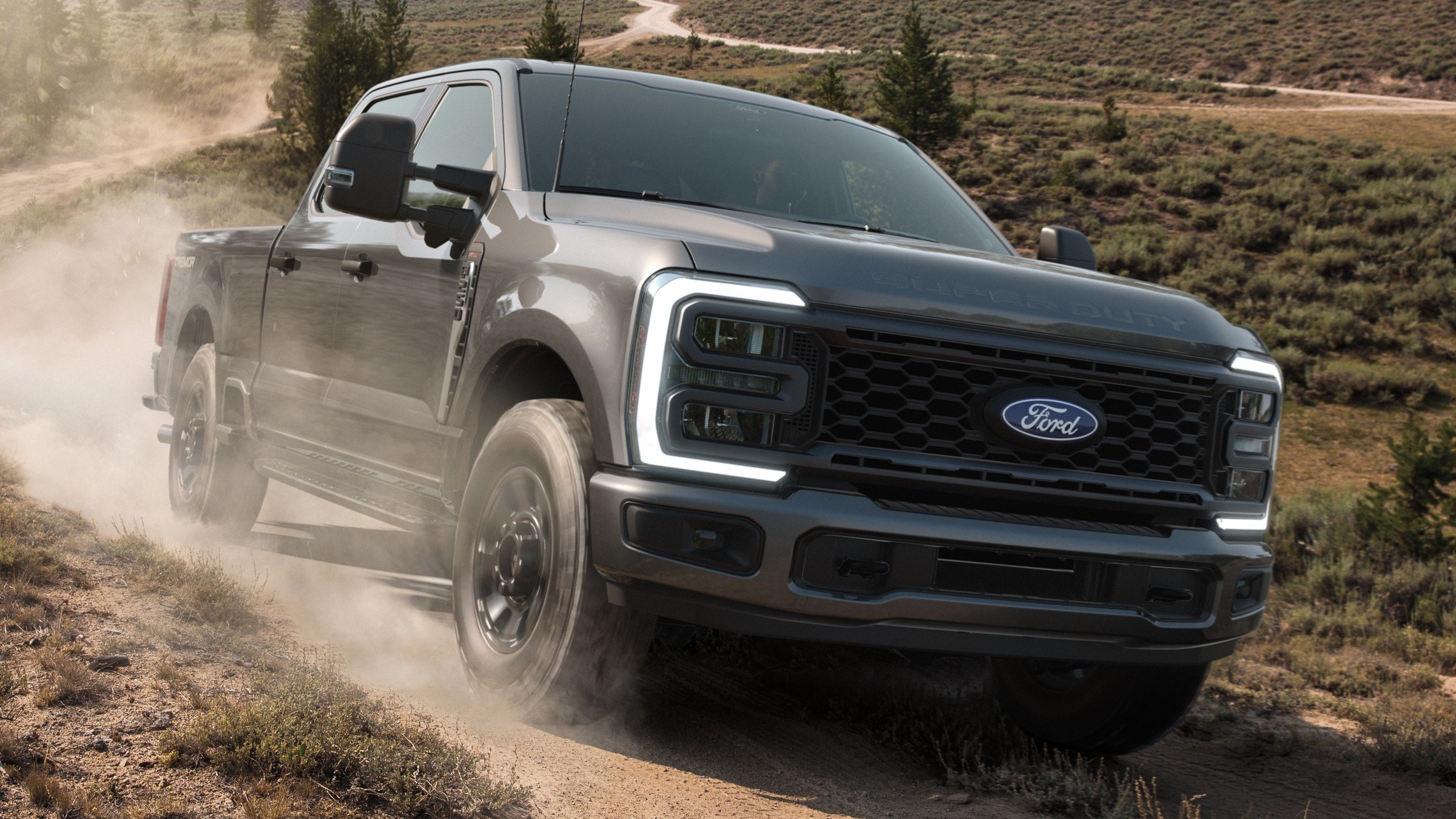
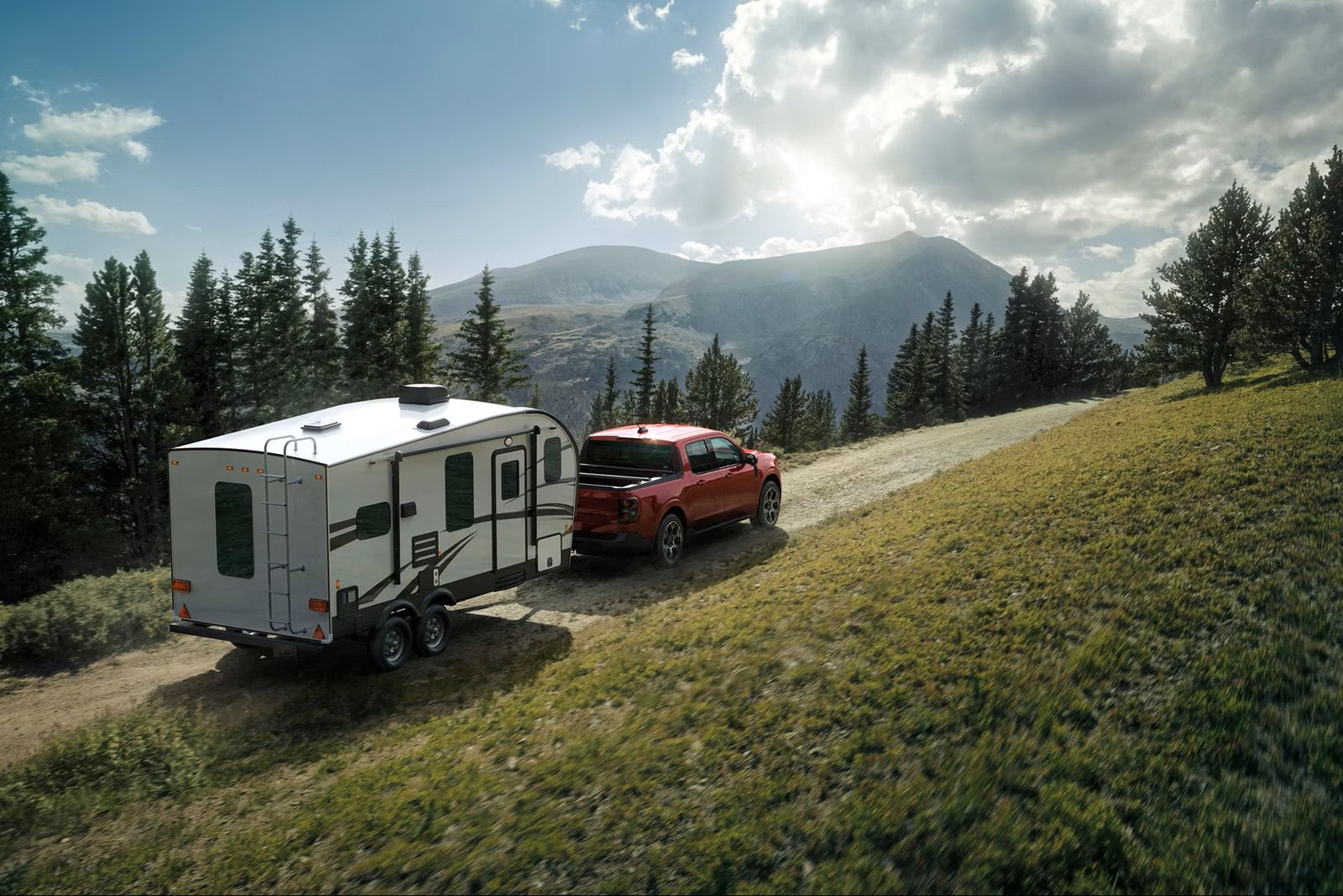
Ford has one clear hit in the Maverick Hybrid, plus an F-150 Hybrid that sold 34,527 trucks through September. Our Ford Q3 sales report has the full picture. Ford also changed course in public. In December 2025 it ended the battery-only F-150 Lightning, said the next one would be an extended-range EV, and booked about $19.5 billion in special items. It now expects hybrids, extended-range EVs, and EVs to reach about 50 percent of its global volume by 2030, from 17 percent. CEO Jim Farley called it "a customer-driven shift."
GM has paid as well. It recorded $1.6 billion in EV-related charges in the third quarter of 2025 and told investors to expect about $6.0 billion more in the fourth. What it doesn't have yet is the product. Its only hybrid on sale in the U.S. is the Corvette.
The company's official position is that hybrids are coming. "We're not tone deaf to our customers. We know what they want, and we want to give that to them as quickly as we can," Mike Anderson, GM's vice president of propulsion engineering, told CNBC, as Motor1 reported on October 7. He named no models and no dates, and he said an all-electric lineup is still where GM is headed. GM said in 2024 that plug-in hybrids would return to North America in 2027. It hasn't announced one, and reports about which nameplates get them are unconfirmed.
In my view, that's the real gap between the two. Ford paid to change direction and has hybrids in showrooms today. GM has paid and is still asking customers to wait.
The target is moving
Honda isn't waiting for anyone to catch up. On October 9 it named its next-generation system, Honda Hybrid, and said it will launch globally starting in 2027 on a new platform with electric all-wheel drive. Fifteen models are due by the end of March 2030, primarily in North America. Our report on Honda's next-generation hybrid system has the specifics.

What strikes me is the timing. If GM's plug-in hybrids arrive in 2027, they'll meet a second-generation Honda system replacing one that already accounts for more than half of CR-V sales.
The best case against this headline
EVs aren't going away, and the freshest data says so. Cox Automotive's third-quarter EV report, published October 12, counts 266,630 EVs sold. That's down 38.6 percent from the record a year ago but up 7.7 percent from the second quarter, and the highest total in a year. EV share rose to about 6.5 percent from 5.8 percent. "What we're seeing now is a market finding its footing again," said Stephanie Valdez Streaty, Cox's director of industry insights.
That is a real recovery, and it's happening without the tax credit. Tesla still accounts for more than half of those sales, and Toyota and Lexus EV sales rose fivefold, by Cox's count.
The same report says nearly 25 percent of third-quarter sales were electrified in some manner. Subtract the EV share and hybrids and plug-in hybrids come to roughly 18 percent of the market, close to three times the EV figure. That's our subtraction, not a number Cox published.
So I'd put it this way. The quarter settled the order of things, with hybrids first and at volume. It didn't settle the destination. Anderson says GM's endpoint is still electric, and nothing in these numbers proves him wrong.
What we don't know yet
- GM's plug-in hybrids. There are no announced models, specs, prices, or dates beyond the 2027 target.
- Honda's first cars. Honda hasn't said which models get the new system first, when they reach the U.S., or what they'll cost.
- The split inside "electrified." Toyota's headline figures don't separate hybrids, plug-in hybrids, and EVs, and Cox's commentary doesn't break hybrids out from plug-ins either.
- Ford's EV total. Its third-quarter release gives hybrid figures by model but no EV subtotal.
What it means if you're shopping
If you want a hybrid, expect thin lots at the brands that do them best. Honda says inventory of its key models was running at 16 to 17 days.
If you buy from Detroit, Ford is the one with hybrids to sell today. At GM, a hybrid means waiting, and the company hasn't said for how long.
Federal fuel economy rules changed this fall too. We explain what the new CAFE rules mean for car buyers separately.
My bet is that GM's first hybrid announcement will be the most consequential Detroit product news of the next 12 months. Until it comes, the third quarter's numbers stand as the buyers' verdict.