BMW Opens Its South Carolina Battery Plant, Clearing the Way for the U.S.-Built iX5
Woodruff assembles Gen6 packs for the iX5, 15 miles from Spartanburg, but BMW still won't say who supplies the cells or when the first car rolls off the line.
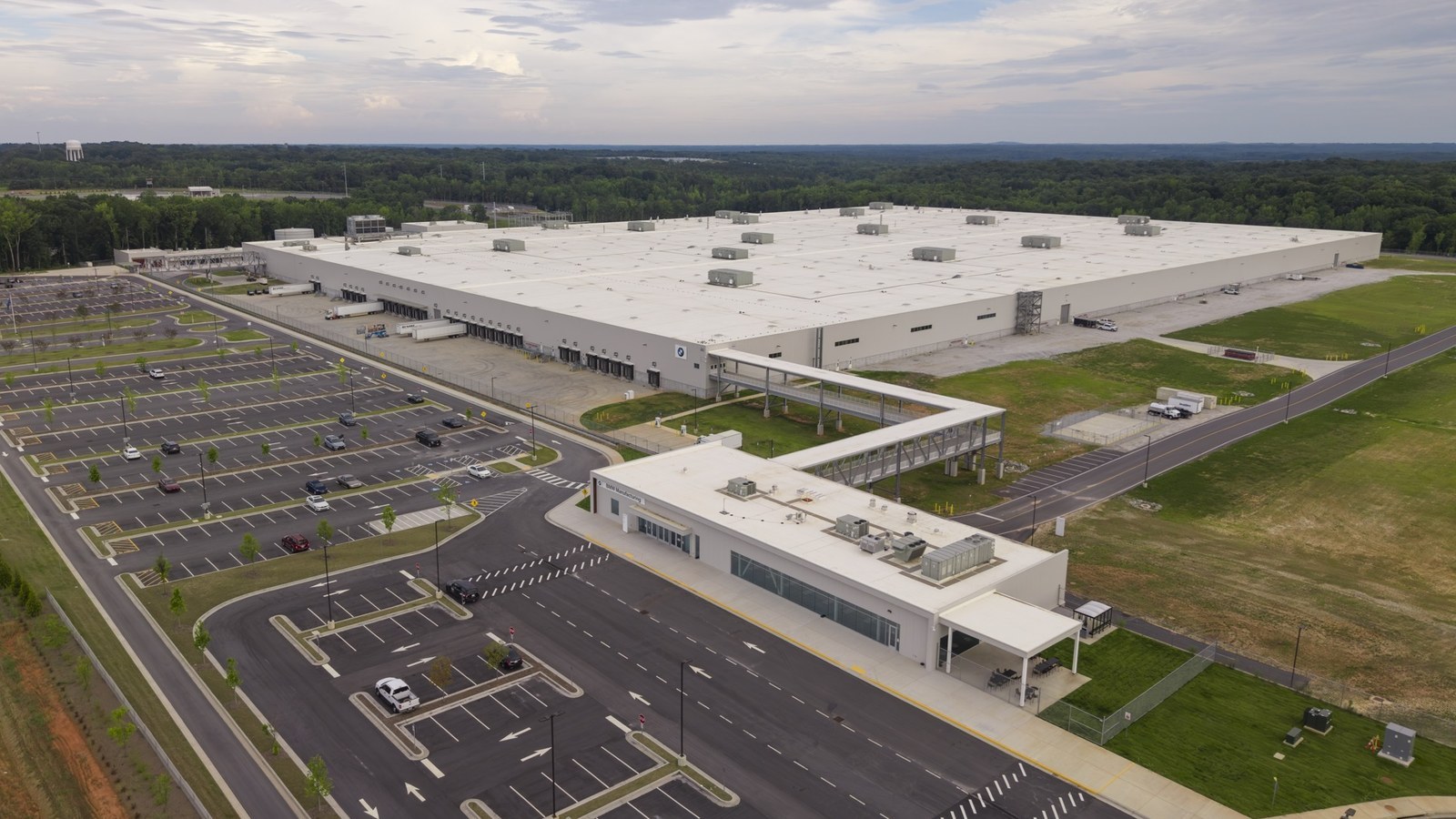
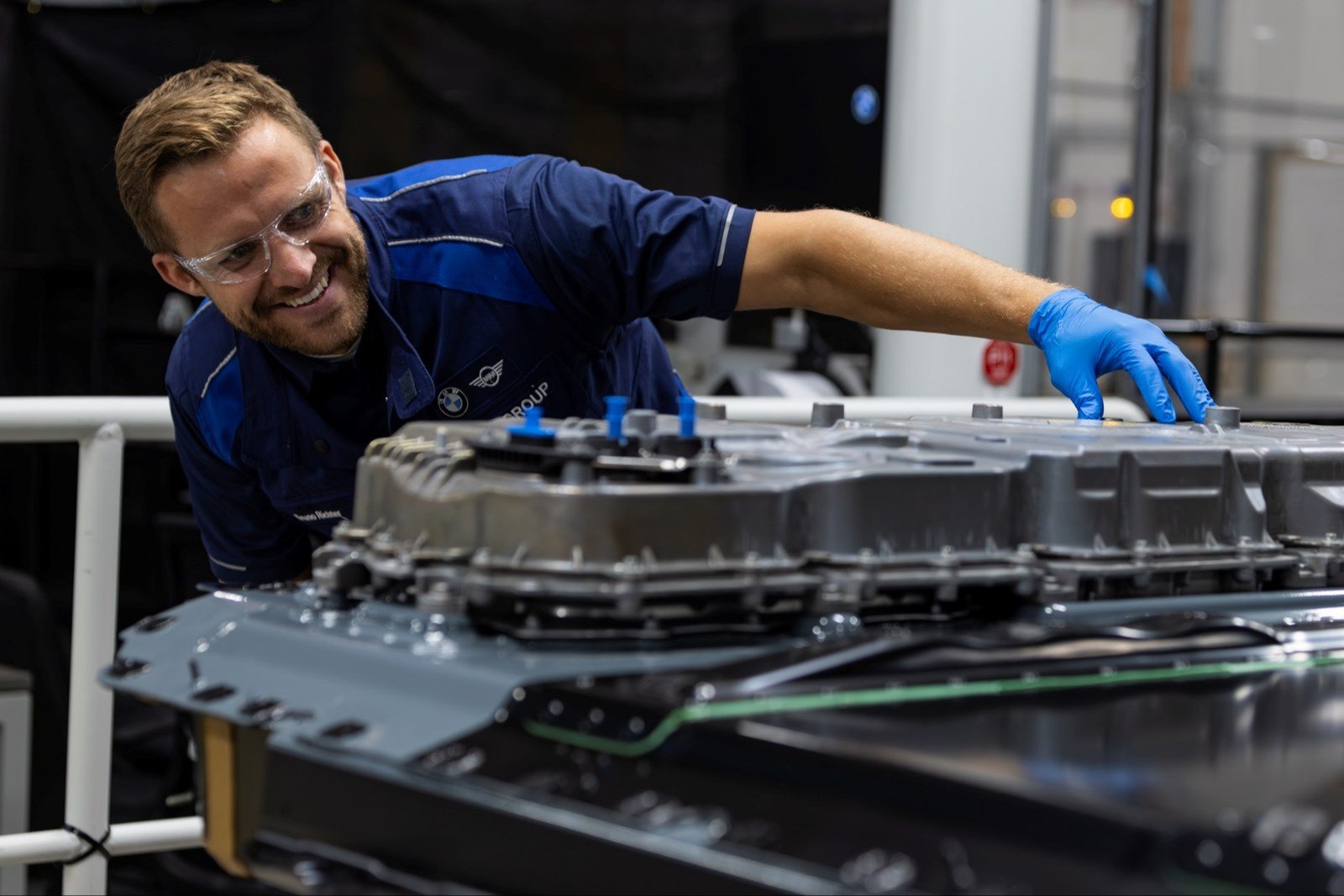
BMW has started series production of high-voltage battery packs at its new plant in Woodruff, South Carolina. It was the last piece the automaker needed before it can build an electric vehicle in the U.S.: the packs go into the iX5, which will be assembled at Plant Spartanburg, about 15 miles away.
The plant opened on November 13, a few weeks ahead of the December start BMW had pointed to in July. The iX5 60 xDrive, which took 460 kW in a recent charging demo, starts at $79,800 plus a $1,450 destination charge and carries a BMW-estimated range of 435 miles. U.S. deliveries are due in the first quarter of 2027.
Packs, not cells
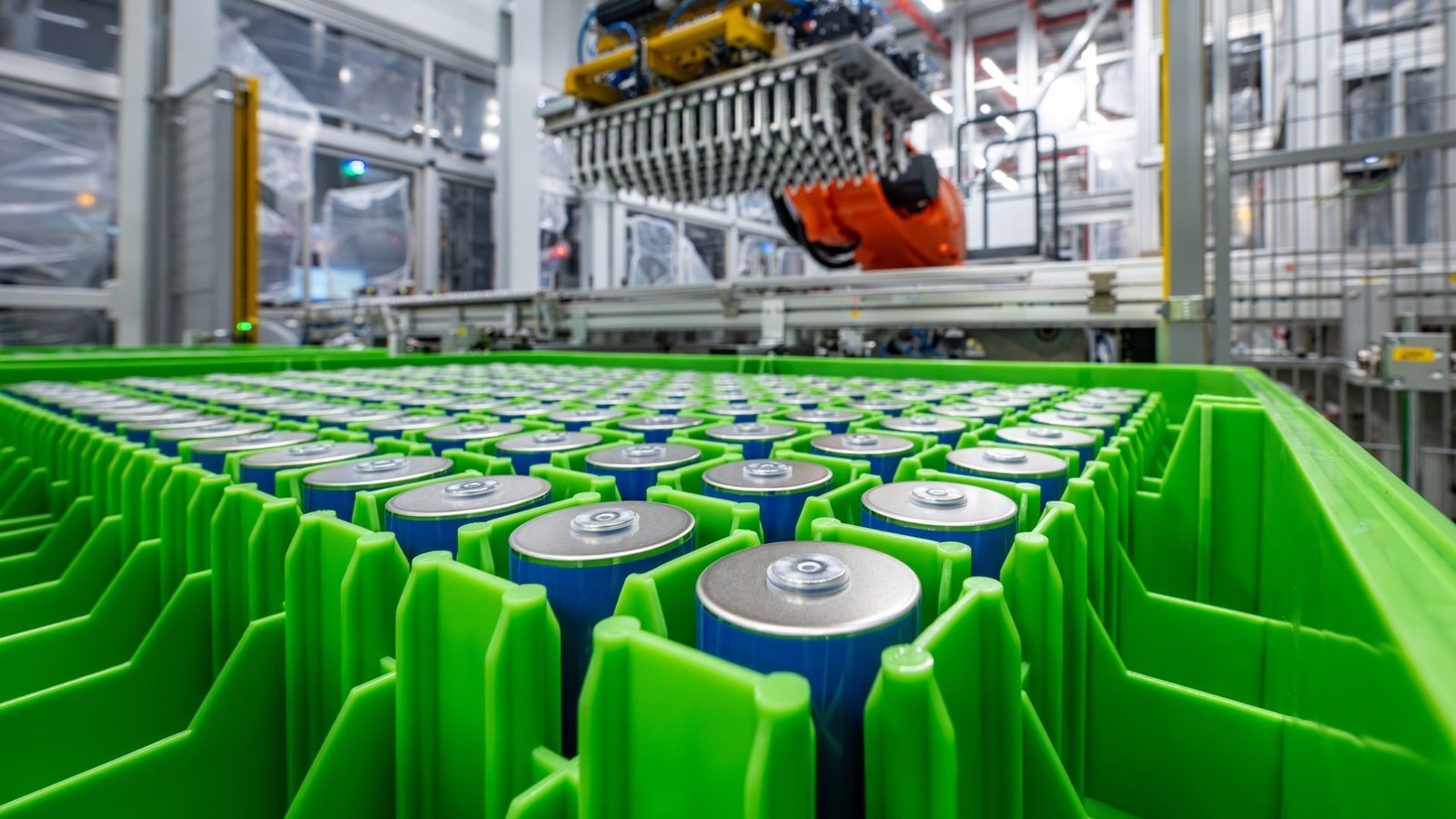
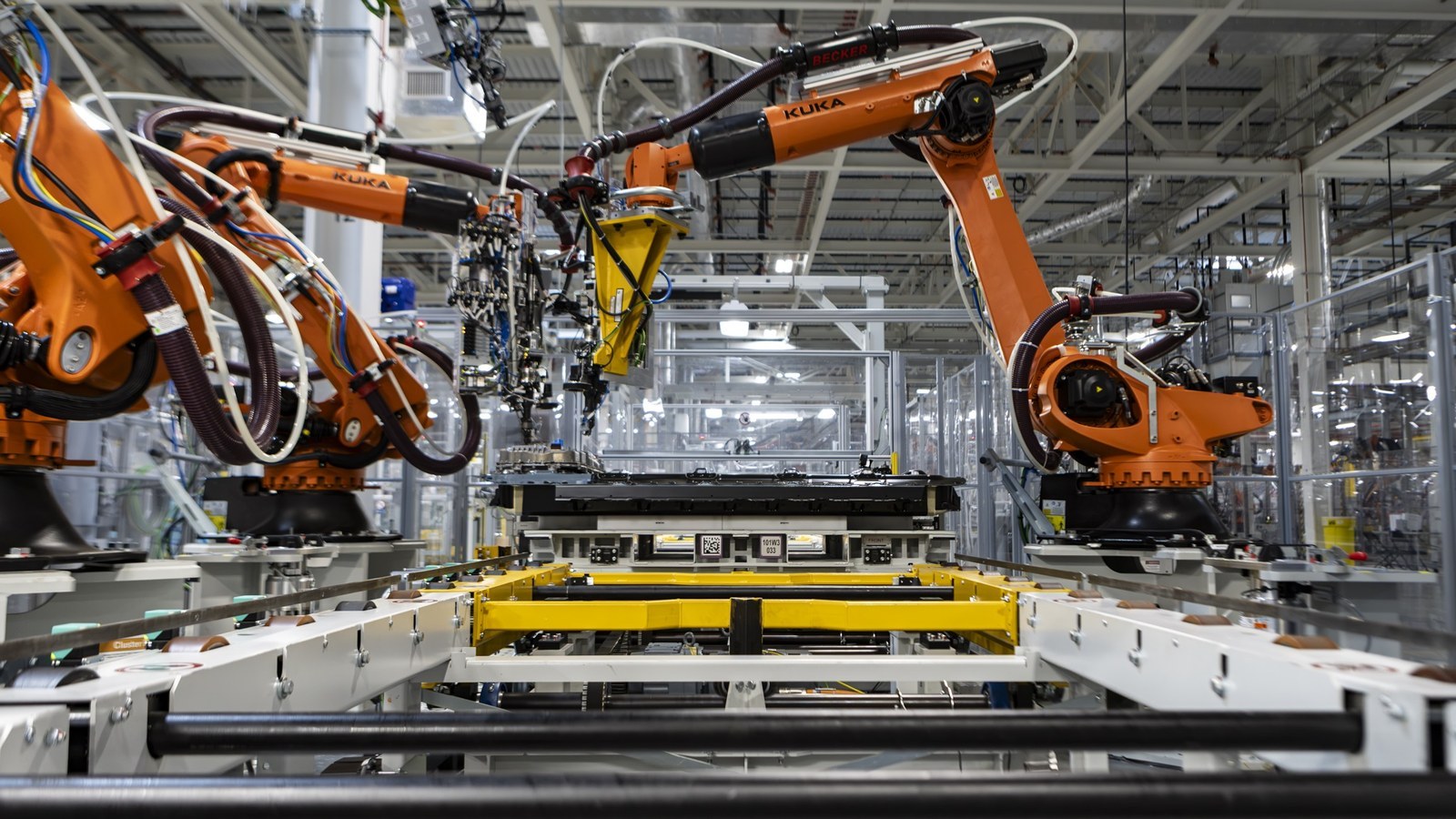
Woodruff doesn't make battery cells. Cylindrical cells arrive from outside suppliers, get checked on arrival, and go straight into the pack housing under BMW's cell-to-pack design, with no separate modules in between. BMW says more than 300 employees and about 250 robots work at the site, and every finished pack passes a full end-of-line inspection before it heads to Spartanburg.
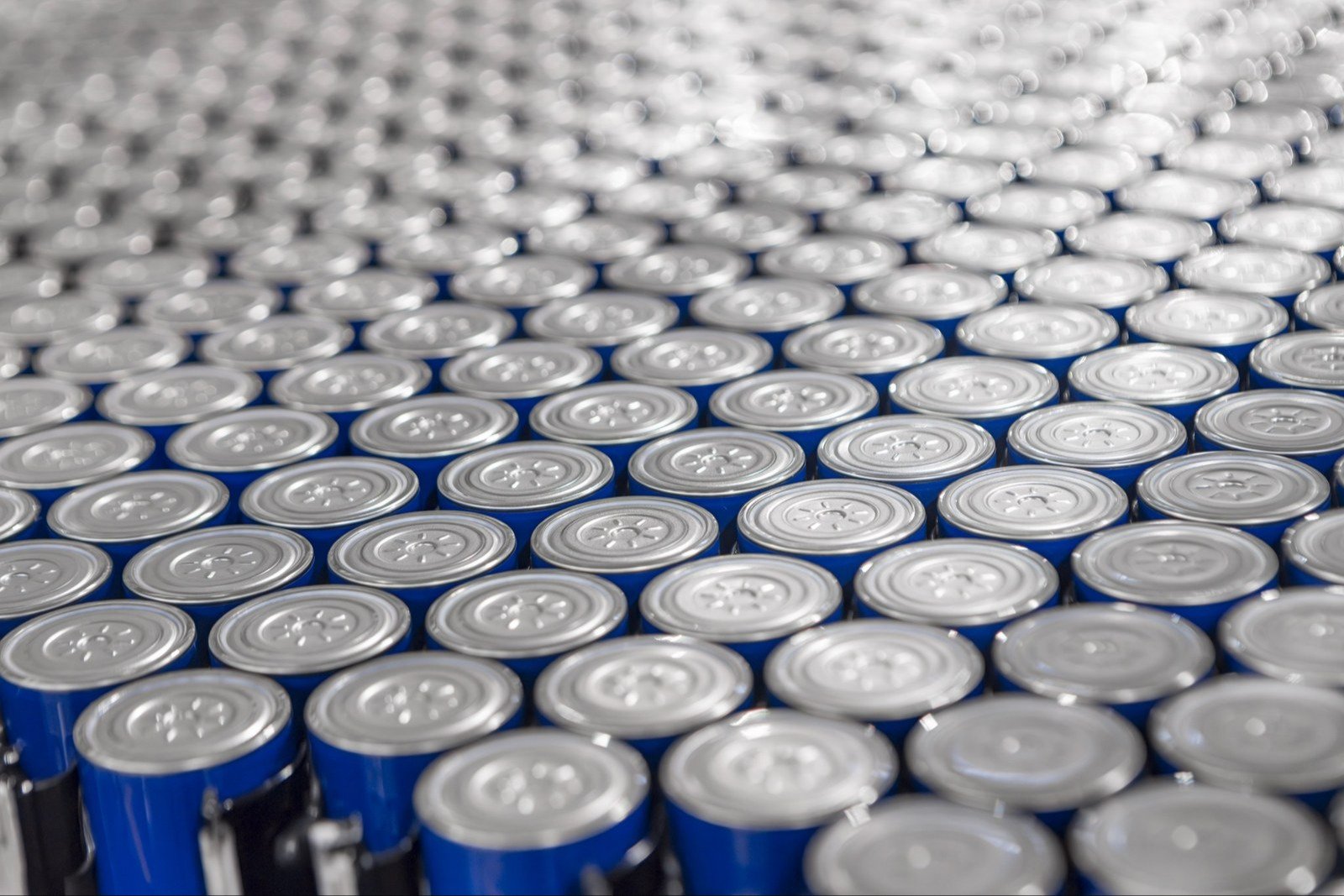
The announcement doesn't say who supplies the cells for the iX5. BMW's sourcing plan for South Carolina has shifted since 2022. AESC, which was building a cell factory in Florence County to feed Woodruff, paused that project in June 2025. Earlier this month, BMW added LG Energy Solution and Samsung SDI to its Gen6 supplier base, with LGES shipping from U.S. plants and deliveries starting in the late 2020s.
BMW claims its Gen6 cells offer more than 20% higher energy density than the previous generation, up to 30% shorter charging times, and about 30% more range. It also says the iX5's cells emit roughly 28% less CO2e per watt-hour than the Gen5 cells used in the iX.
Why it matters
Woodruff is the fourth Gen6 site to reach series production. Debrecen, Hungary, started in October 2025, and Irlbach-Straßkirchen in Germany and Shenyang in China followed in October 2026. San Luis Potosí in Mexico is next, in 2027. The same pack architecture already underpins the Neue Klasse iX3, and BMW now builds it on three continents, each time next to the vehicle plant it feeds.
The timing stands out. The federal $7,500 clean vehicle credit ended for vehicles acquired after September 30, 2025, and many of the U.S. battery plants announced during the subsidy boom have switched to storage cells or haven't started production. BMW has hedged its bet: Spartanburg builds the new X5 with gasoline, plug-in hybrid, and electric powertrains on a single line, so iX5 output can move with demand.
Woodruff accounts for $700 million of the $1.7 billion BMW committed to its U.S. EV plans in 2022, and the other $1 billion went into Spartanburg. "Electromobility is our most important growth area," said Raymond Wittmann, BMW's board member for production, adding that Spartanburg will build at least six fully electric models by 2030.
BMW hasn't said when the first iX5 will leave the Spartanburg line or how many packs Woodruff can build a year. Robert Engelhorn, who runs BMW's South Carolina manufacturing, said the company is keeping its promise to start assembling EVs in the U.S. by the end of 2026. That leaves about six weeks.