Chinese Car Ban Bill: What It Adds to the Commerce Rule, and Why Mercedes Is the Issue
The Senate bill adds a country-of-origin ban and a 15% ownership cap to the Commerce rule. That cap is why the final talks center on Mercedes, not BYD.
Lawmakers are negotiating a deal to turn the federal ban on Chinese "connected" cars into permanent law. Bloomberg News reported on November 20 that members from auto-producing states are close to an agreement and want a bill on the president's desk before the year ends. No compromise text has been published.
The bill is the Connected Vehicle Security Act, S. 4429. It is not the same thing as the Commerce Department regulation that already shut Polestar out of the 2027 model year, which we covered in our explainer on the Connected Vehicle Rule. This piece covers only what the bill adds, who it reaches, and what is still open. It makes no forecast of the outcome.
Which text we are describing
Everything below comes from the only version on the public record: the bill as reported by the Senate Commerce Committee on September 22, together with the committee's report. The changes now under negotiation would amend that text.
Rule vs. bill: what changes
| Question | Commerce rule (in force) | S. 4429 as reported |
|---|---|---|
| Legal form | Regulation issued under a 2019 executive order | Statute; changing it takes a new act of Congress |
| Countries | China and Russia | China, Russia, Iran, and North Korea |
| Target | Connectivity and automated-driving software and connectivity hardware, plus sales by manufacturers under those countries' ownership or control | Adds the whole vehicle: any connected vehicle primarily designed, developed, or built in a covered country, whatever software or hardware it carries |
| Ownership test | Owned by, controlled by, or subject to the jurisdiction or direction of China or Russia | Adds fixed lines: more than 15% of an automaker; more than 25% of a software or connectivity-hardware supplier |
| Timing | Software and manufacturer ban from model year 2027; hardware from model year 2030 | Vehicle ban from January 1, 2027; software from model year 2027; hardware from January 1, 2030 |
| Exceptions | Commerce can issue general and specific authorizations | Authorizations stay, with limits: notice to Congress, a public list, expiry by January 1, 2030, and a congressional veto path after that |
| Phase-in for companies already here | None beyond the model-year dates | Vehicle ban delayed to model year 2030 for automakers that sell in the U.S. now and have built here for five years |
Three points in that table do most of the work.
The origin test. Under the rule, a China-built car can stay on sale if its software and its manufacturer clear the nexus test. Under the bill, the place of design or assembly is enough. The text applies whether or not the covered software or hardware is present, removed before import, or installed later.
The 15% line. The bill treats an automaker as a "foreign entity of concern" if covered-country individuals or entities hold more than 15% of its equity, voting interest, board representation, or "other indicia of control." That one clause is why a German company is at the center of the talks.
The authorizations. The bill does not abolish Commerce's power to grant exceptions. It narrows that power. Each authorization must go to Congress with a written risk assessment. Existing ones lapse no later than January 1, 2030. Any issued from 2030 on can be overturned by a joint resolution of disapproval. And Commerce may not authorize a company based in a covered country, or its subsidiaries and affiliates, unless that company already sells cars in the U.S. and has built them here for at least five years.
The bill also sets a minimum civil penalty of $1.5 million or five times the value of the transaction, whichever is greater, with a one-year safe harbor to cure violations that were not willful. Vehicles over 10,000 pounds get their own rules, due by the end of 2028 and effective no later than the end of 2032.
Who it reaches in U.S. showrooms
Chinese brands. None sells passenger cars here today, for reasons we laid out in the five barriers facing Chery. The bill would add a statutory bar on importing, building, and selling their vehicles, including in a U.S. plant.
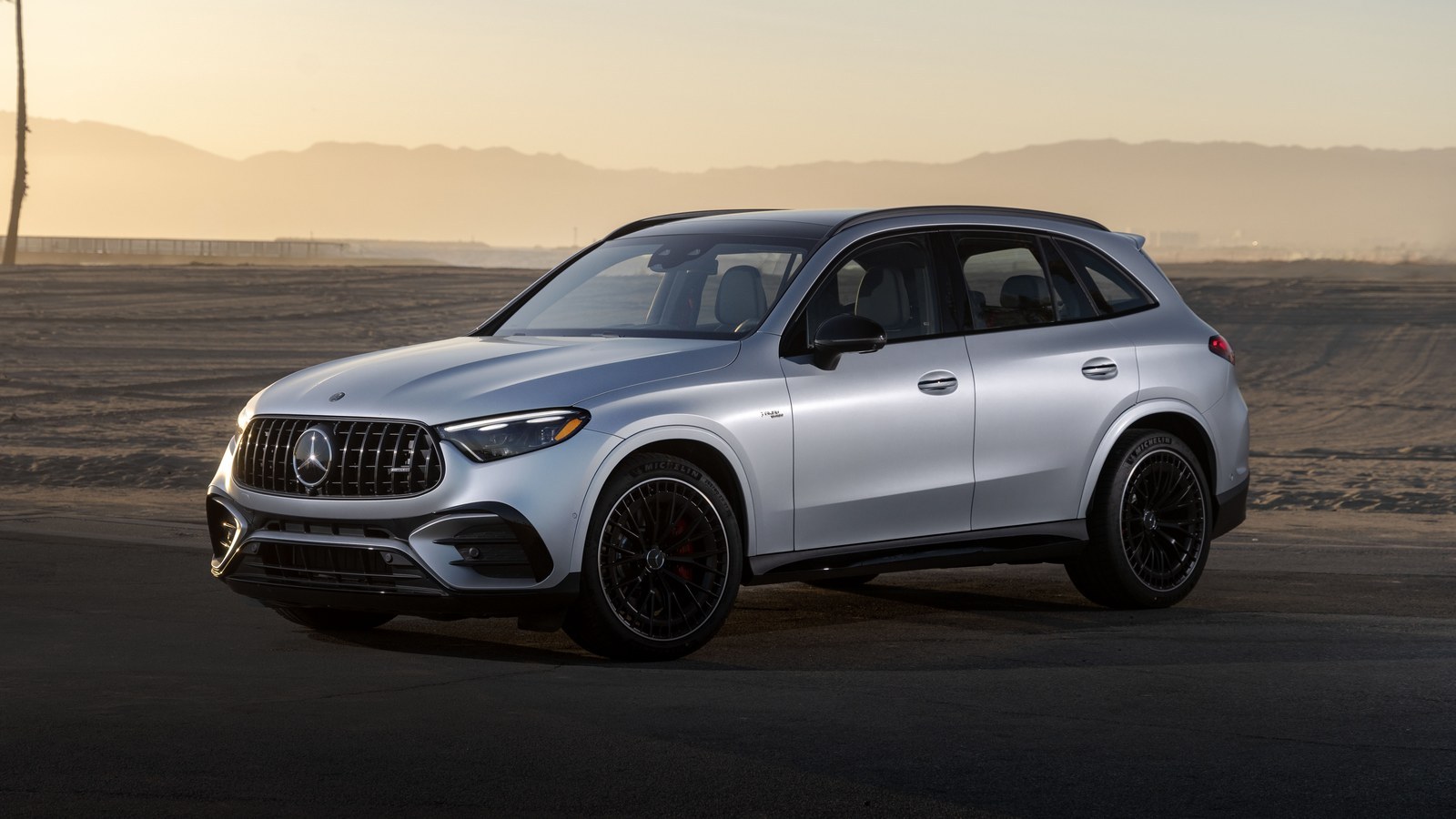
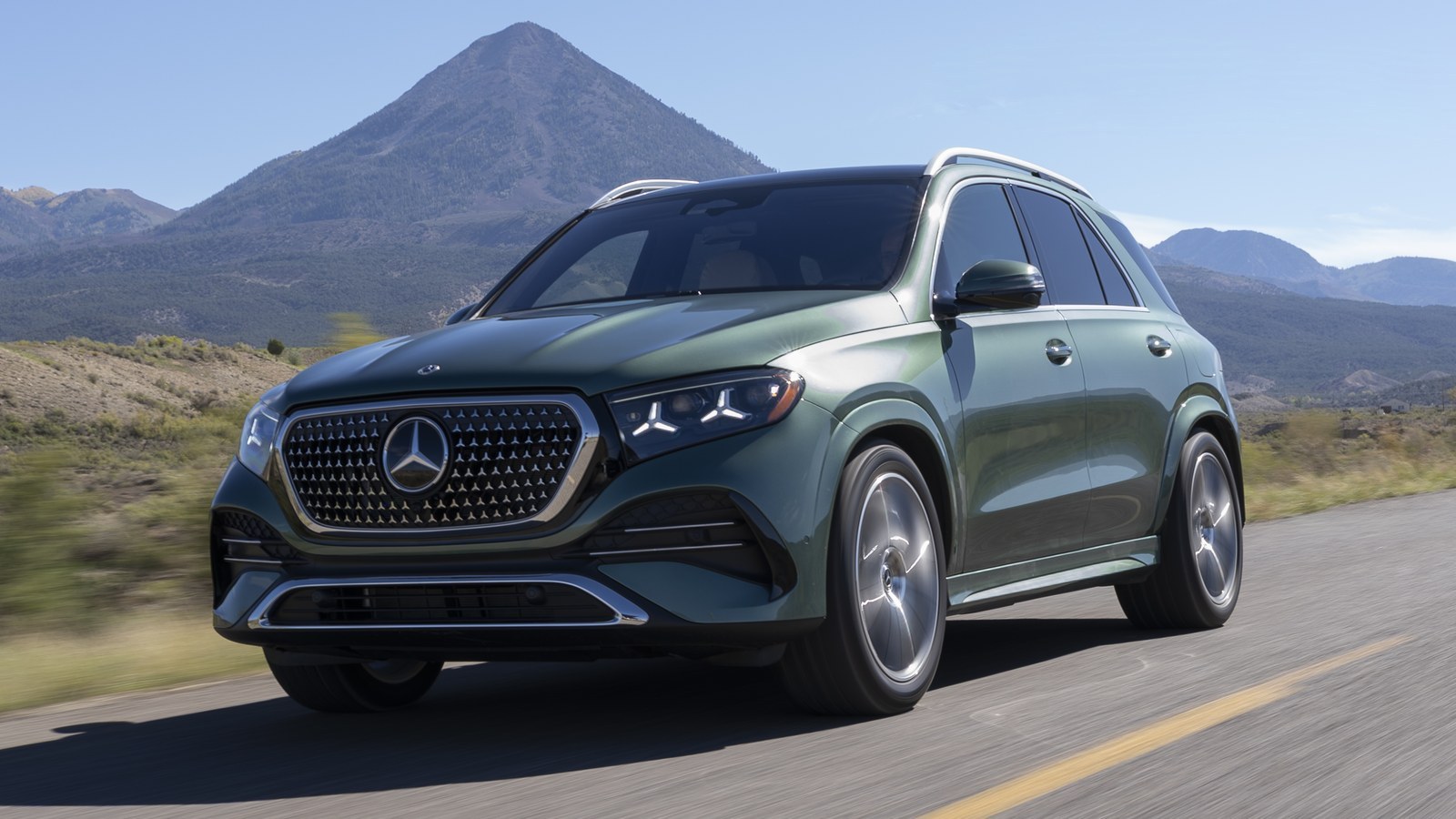
Mercedes-Benz. The company's own shareholder disclosure lists state-owned BAIC Group at 9.98% and Geely founder Li Shufu at 9.69% as of June 30, 2026. Together that is 19.67%, above the 15% line. Because Mercedes sells here and builds SUVs in Alabama, the reported text would delay the vehicle ban for it until model year 2030. After that, it would depend on an authorization. Mercedes says neither holder sits on its management board or directs the company; the House China Committee has separately asked the company to document those shareholder ties by December 1.
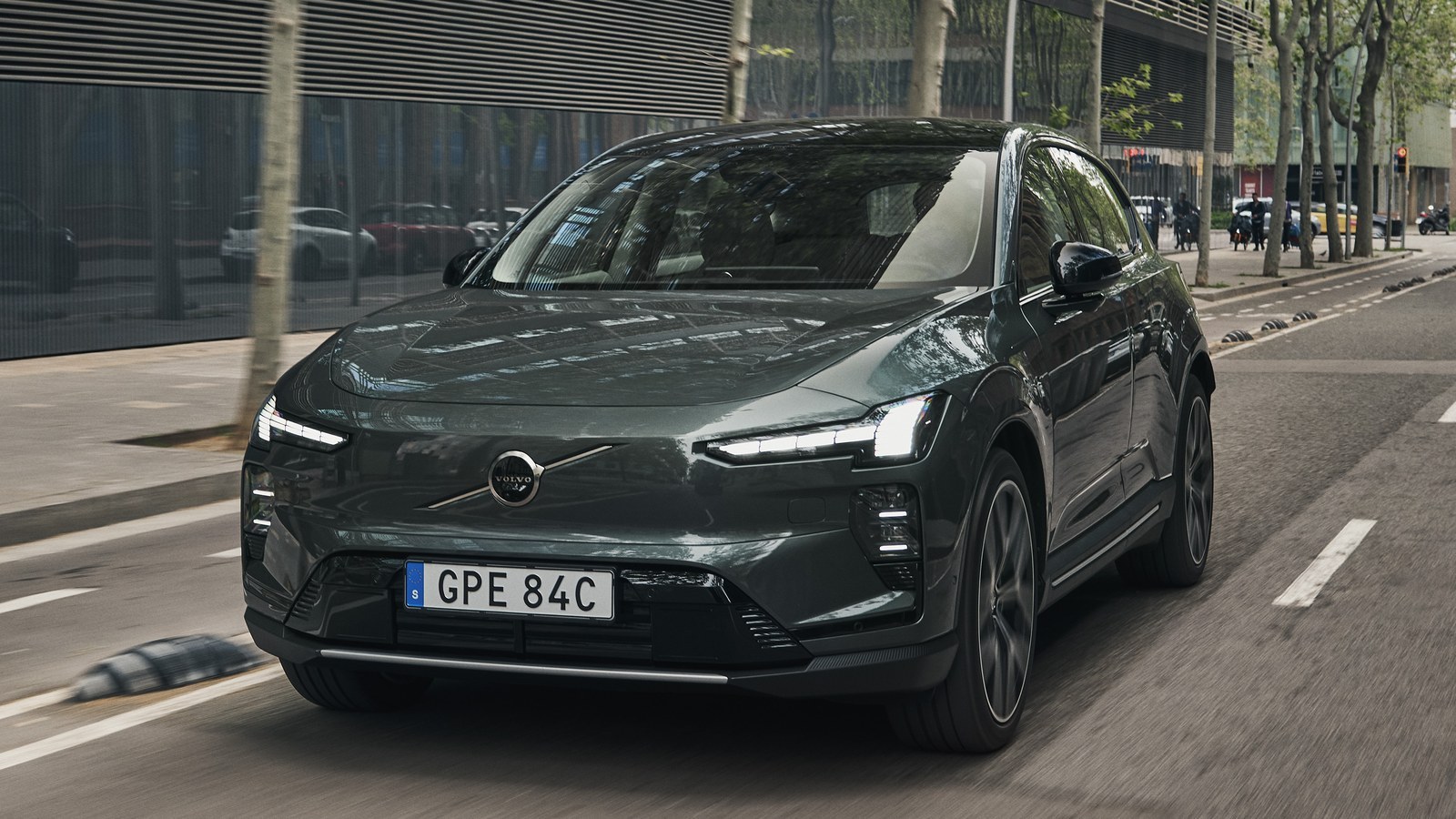
Volvo. Volvo Cars is majority-owned by Geely and received a specific authorization under the Commerce rule in May. Under the reported text, an existing authorization stays valid until its own end date or January 1, 2030, whichever comes first. Volvo has built cars in South Carolina since September 2018, which matches the two tests in the bill's exception for companies with covered-country parents. The bill names no company.
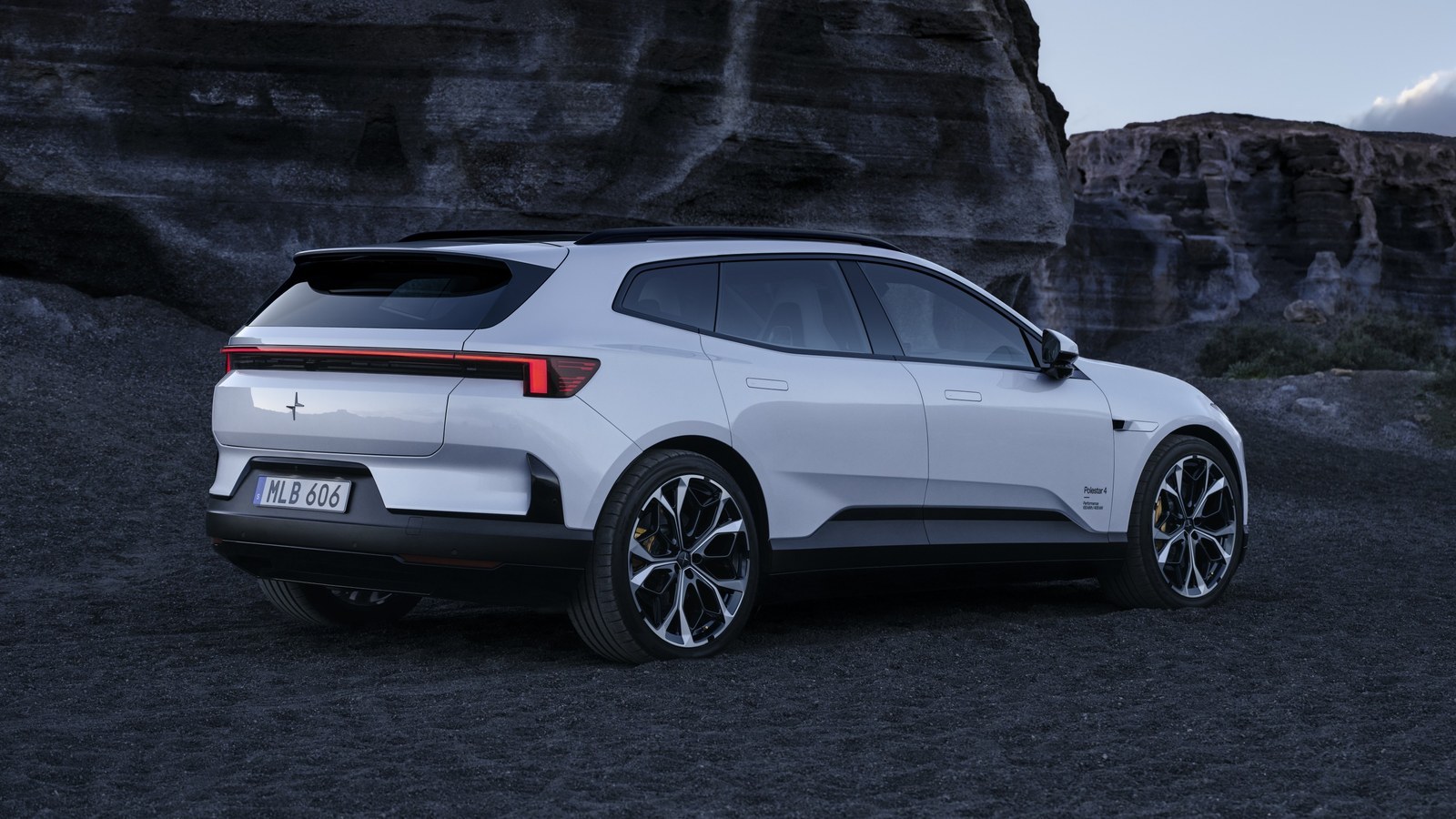
Polestar. Commerce declined to authorize Polestar in June, ending its U.S. sales from model year 2027. Nothing in the reported text reverses that.
Lotus. Geely controls Lotus, which has no U.S. plant. The model-year-2030 delay is written for companies that manufacture here.
Lincoln Nautilus, Lincoln Corsair, and Buick Envision. These are built in China by Ford's and GM's joint ventures, so the origin test applies to them directly. Ford told Reuters in August that the Nautilus does not need an authorization under the current rule, and said it will move Lincoln production to the U.S. starting in 2030. GM has said the next Envision will be built in Kansas from 2028. Whether the bill's delay for vehicles "manufactured" by an established U.S. automaker covers a car assembled by a Chinese joint venture is a question the text does not answer in plain words.
If you own one, or want a used one
The bill bans import, manufacture, sale, and resale. Its definition of "resale" excludes a vehicle that was previously titled or registered to a consumer and used. Connectivity hardware for repairs and warranty work on vehicles older than model year 2030 is exempt as well. Nothing in the text orders cars off the road.
Where the bill stands
- April 29: introduced by Sens. Bernie Moreno, an Ohio Republican, and Elissa Slotkin, a Michigan Democrat. The reported bill lists 52 senators as sponsors.
- July 22: approved by the Senate Commerce Committee by voice vote, as a full substitute text.
- September 22: reported to the Senate and placed on the calendar.
- Late September: the sponsors sought to pass it by unanimous consent, which a single senator can block. Reuters reported that the attempt was put off until after the election.
- House: the companion, H.R. 8730 from Reps. John Moolenaar and Debbie Dingell, was referred to three committees in May.
To become law, the same text has to pass both chambers and be signed before this Congress ends on January 3, 2027. A bill that is not enacted by then expires and has to be reintroduced, the same clock that applies to every other auto measure pending in Congress.
What Bloomberg reported about the deal
According to Bloomberg, Moreno briefed automaker representatives on November 18 on changes that would keep Mercedes from an outright ban, including looser treatment for passive stakes that carry no voting power. Negotiators were still discussing how such a test would be structured and verified. A Mercedes official voiced reservations, while the company said it continues to meet with stakeholders who want the legislation enacted.
Sen. Katie Britt of Alabama, where Mercedes builds its SUVs, told Bloomberg: "We understand that there will be some adjustments that have to be made." The White House did not respond to Bloomberg's request for comment.
Where the industry stands
- Automakers. The Alliance for Automotive Innovation, which represents most companies selling cars in the U.S., asked congressional leaders in September to enact a ban this session. CEO John Bozzella repeated the request in a November 2 post: "Congress should act now to pass a Chinese vehicle ban."
- Dealers. The National Automobile Dealers Association said on July 22 that it strongly supports the bill's goals and will keep evaluating it to "minimize any unintended consequences for dealers and American jobs."
- Labor. UAW President Shawn Fain said at introduction that the bill "puts common sense guardrails on a major threat to our nation's auto industry."
What we don't know yet
- The text of any agreement. None has been published, and Bloomberg's account rests on unnamed people familiar with the talks.
- Whether the 15% threshold itself changes, or only how passive holdings are counted.
- How a "passive" stake would be defined and checked.
- The procedure: a new unanimous-consent request, a recorded vote, or attachment to another bill. Bloomberg's report does not say.
- What the House will do with H.R. 8730, and whether it would take up a Senate text.
- The White House position.
- Whether the model-year-2030 delay and the authorization limits survive in their reported form, which decides how the China-built Lincoln and Buick models are treated.
What's next
The next fixed dates are December 1, the House committee's deadline for Mercedes, and January 3, when the current Congress ends. The cross-border side of the same debate is in our analysis of whether Chinese cars sold in Canada can reach the U.S. under USMCA.