Stellantis Wants Leaner Lots by December. That Points to Jeep and Ram Deals
North American shipments fell 12% as Jeep plants sat idle, while Ram 1500 sales jumped 73%. Getting stock back to last December's level will take more than stable prices.
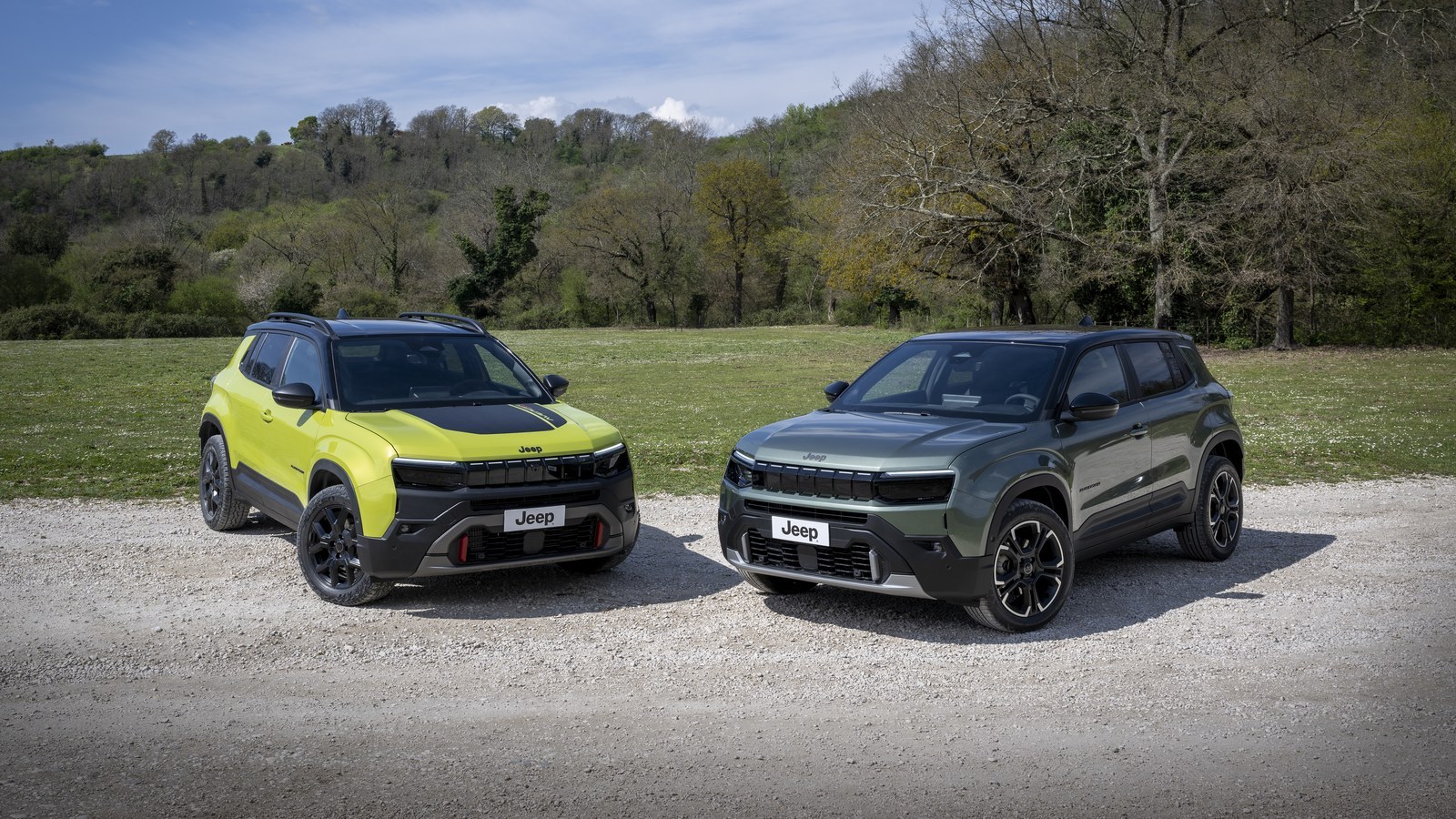
Stellantis wants its North American inventory back to where it was a year ago by the end of December. With Jeep sitting on more than five months of supply, that one line in the company's third-quarter report matters more to Jeep and Ram shoppers than any profit figure.
In results published Oct. 28, Stellantis said it is managing inventory so that December 2026 lands at a level similar to December 2025. It also expects to ship more vehicles in the fourth quarter than in the third, in what it calls a broadly stable pricing environment. Stellantis was the last big name missing from our third-quarter auto earnings scorecard, and this is the piece that ties its numbers to dealer lots.
Fewer trucks shipped, better margins
North American shipments fell 12% to 357,000 vehicles, from 404,000 a year earlier, according to Stellantis' filing with the SEC. The company blames a planned production shutdown that hit Jeep models including the Grand Cherokee and Compass. Regional revenue slipped 3% to €15.6 billion.
Profit moved the other way. North America posted adjusted operating income of €64 million, a 0.4% margin, after a €475 million loss in the same quarter last year. Stellantis credits positive net pricing and cost savings.
Group-wide, revenue rose 1% to €37.6 billion and the net loss narrowed to €453 million from €4.5 billion. Industrial free cash flow was still negative €4.0 billion, about €0.3 billion better than a year ago. Stellantis kept its 2026 guidance and says it expects positive industrial free cash flow in 2027.
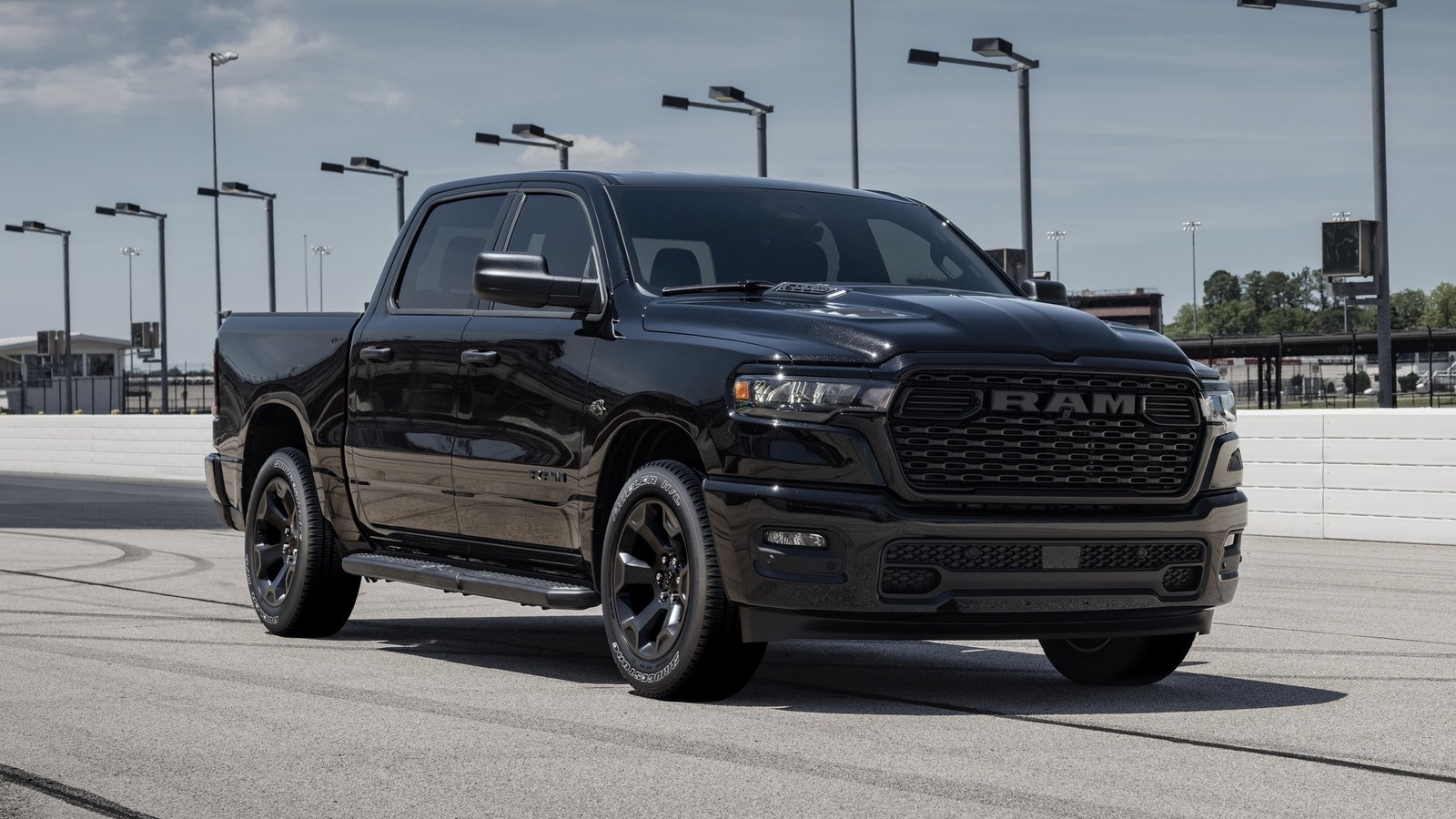
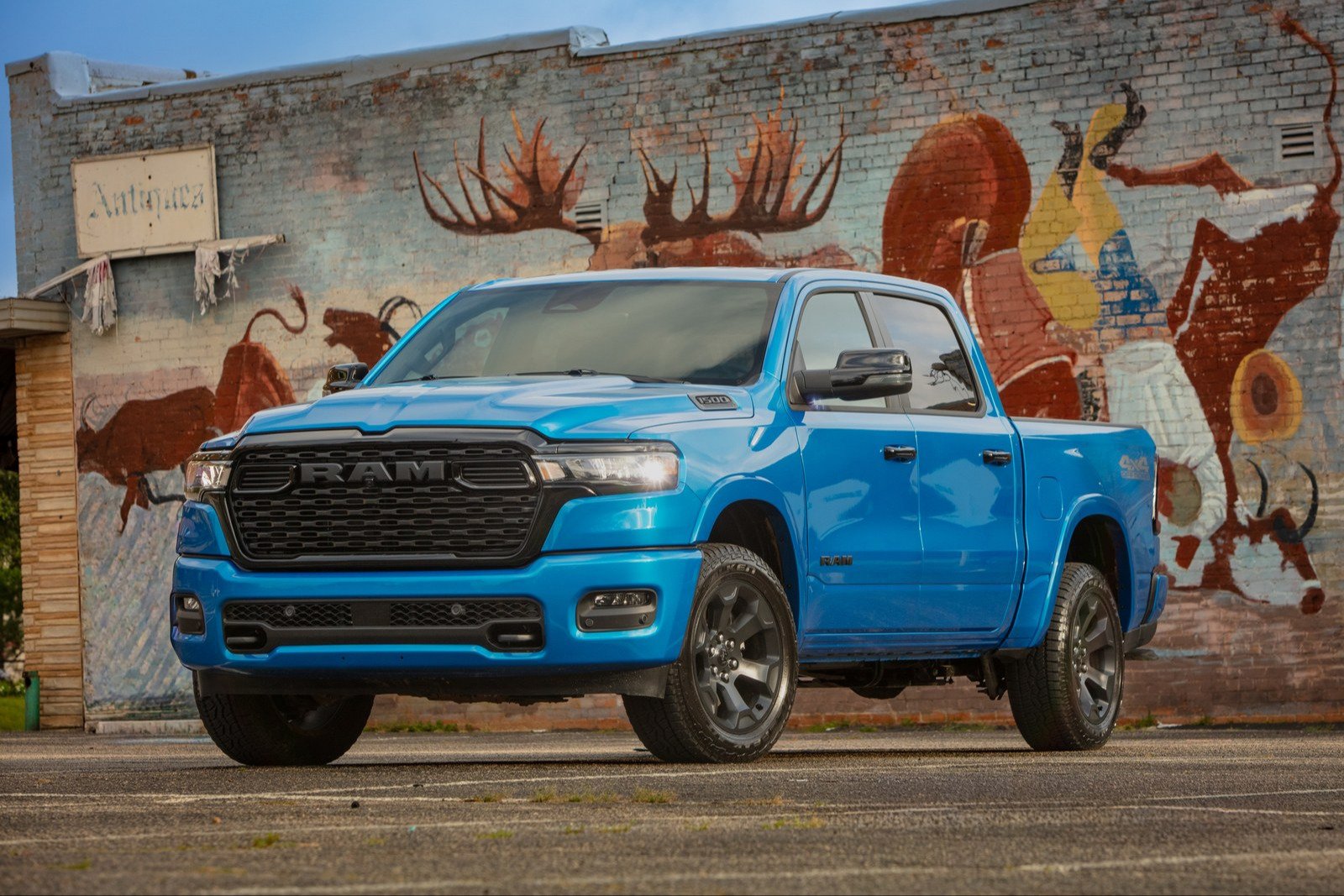
Ram did most of the lifting. Ram 1500 sales rose 73%, with the 5.7-liter HEMI V-8 and the TRX back in the lineup, and the Ram brand grew 30% in North America. In the U.S., Ram sold 134,072 vehicles in the quarter to Jeep's 128,542, a 20% drop for Jeep, according to Stellantis' third-quarter sales figures.
Where the extra stock sits
Idled Jeep plants trimmed output, but the lots are still full. At the end of September, Cox Automotive counted 169 days of supply for Jeep, 152 for Ram, and 149 for Dodge, against an industry average of 82. By model, the Grand Cherokee stood at 179 days, the Wrangler at 162, and the Ram 1500 at 142.
The Compass is the other half of the story. Its U.S. sales fell 62% in the third quarter, as our 2027 Jeep Compass report noted, while the plant shutdown kept new supply low.
What it means for buyers
Here is the arithmetic. If Stellantis ships more vehicles in the fourth quarter and still wants to end the year with no more stock than last December, dealers have to retail faster than they are being restocked. "Broadly stable" pricing suggests that will not come through sticker cuts. In our view, the likelier tools are cash rebates, cheap financing, and lease deals, aimed first at the deepest piles: the Grand Cherokee and the 2026 and 2027 Wrangler.
The Ram 1500 is a weaker bet for big discounts. It is the model selling fastest, even though its supply is still well above average. Tariffs also limit the room to spend: Stellantis puts its net tariff bill at €1.0 billion for 2026, €0.6 billion of it already booked through September. That fits the narrow pattern in our look at who is cutting prices and why.
What we don't know
Stellantis hasn't said how much inventory it held in December 2025, or how the target splits by brand. It doesn't publish days of supply, so the Cox figures are the best outside measure. November incentive programs for Jeep and Ram haven't been announced, and October U.S. sales are due Nov. 3.