Ford Is Recalling 102,159 Super Duty and F-150 Trucks Over Erratic Speedometers
A Visteon-built analog cluster can freeze its needles. Ford will swap the module on every affected truck for free, but owners won't see a repair letter before December.
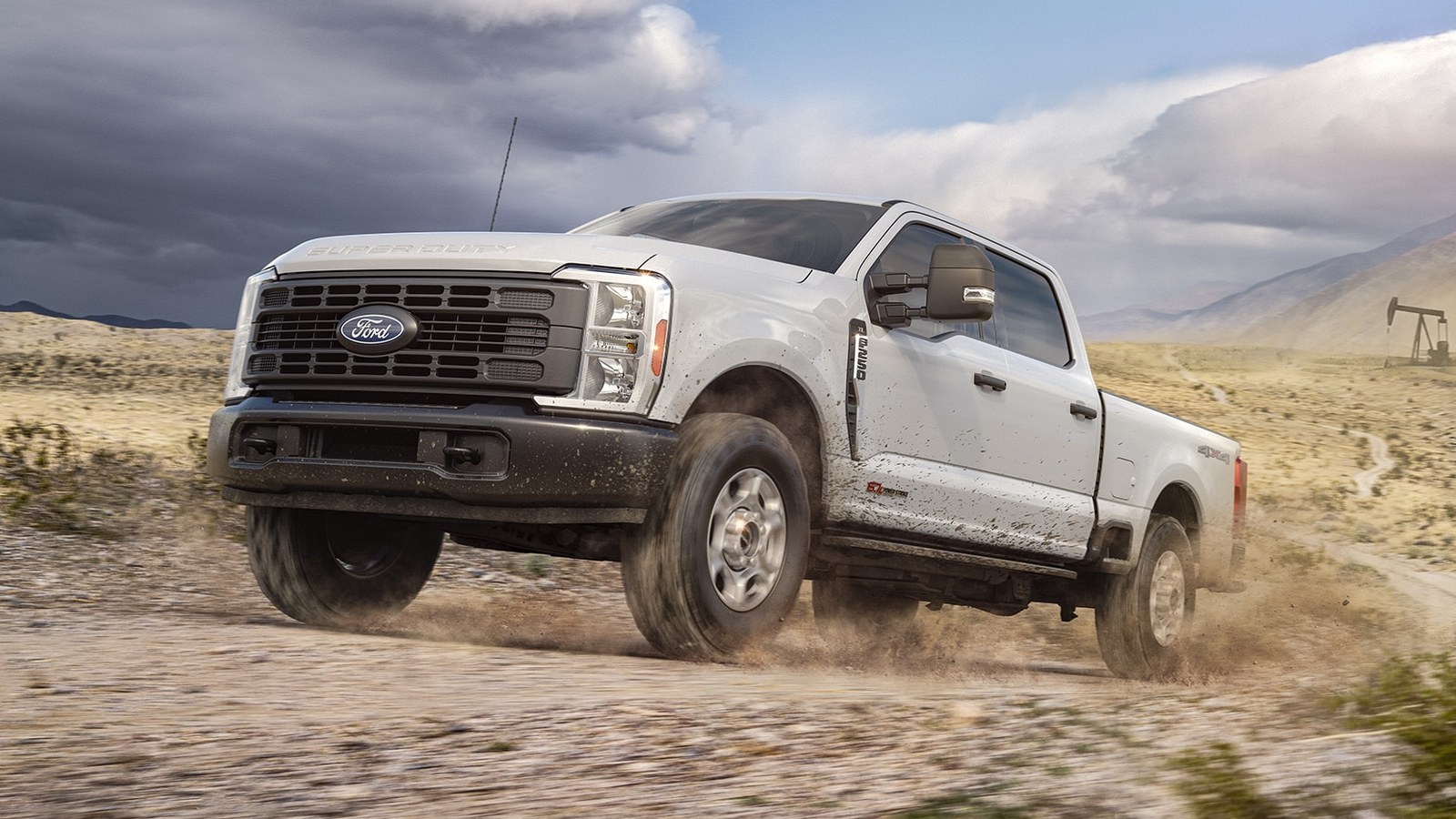
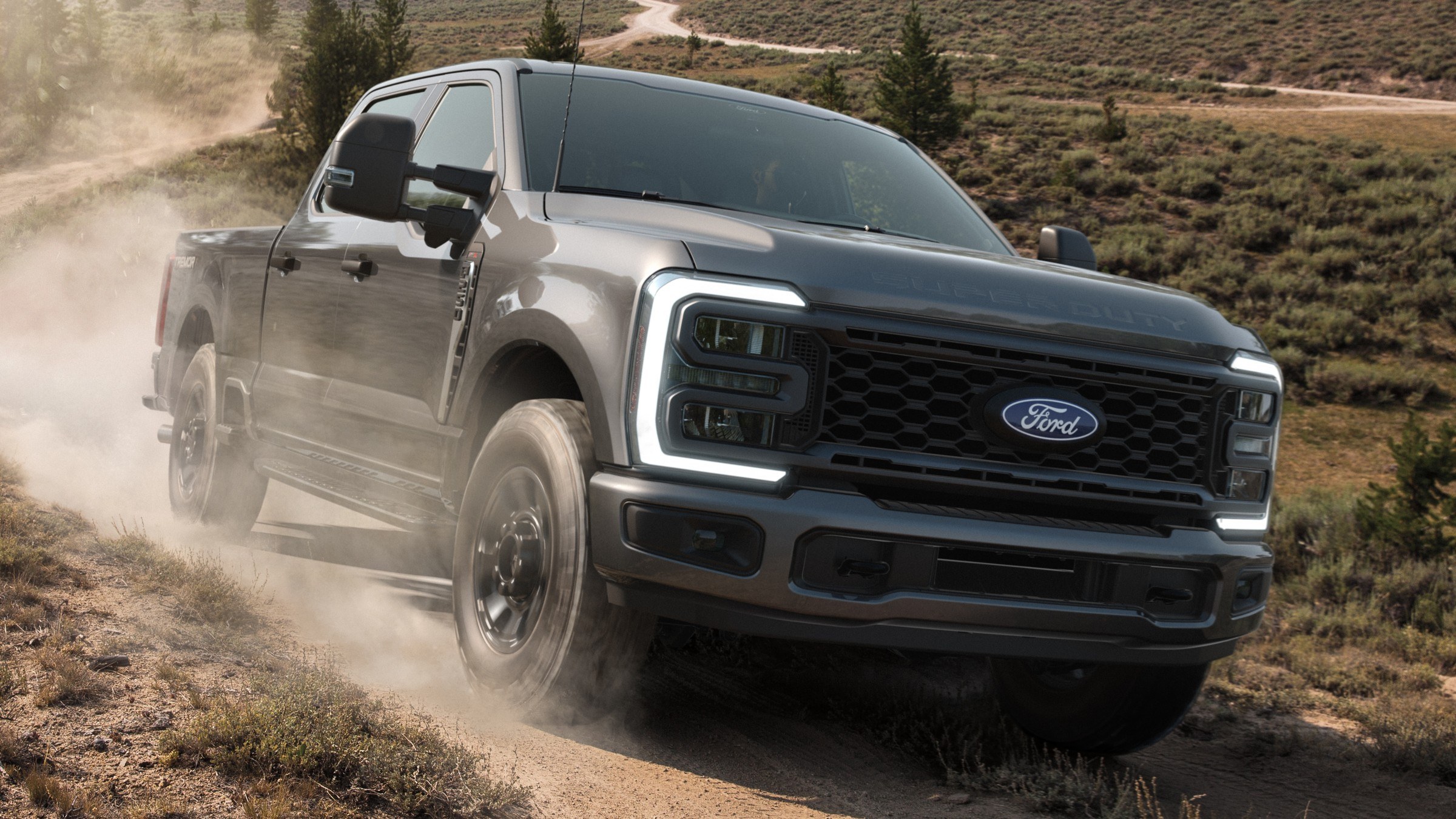
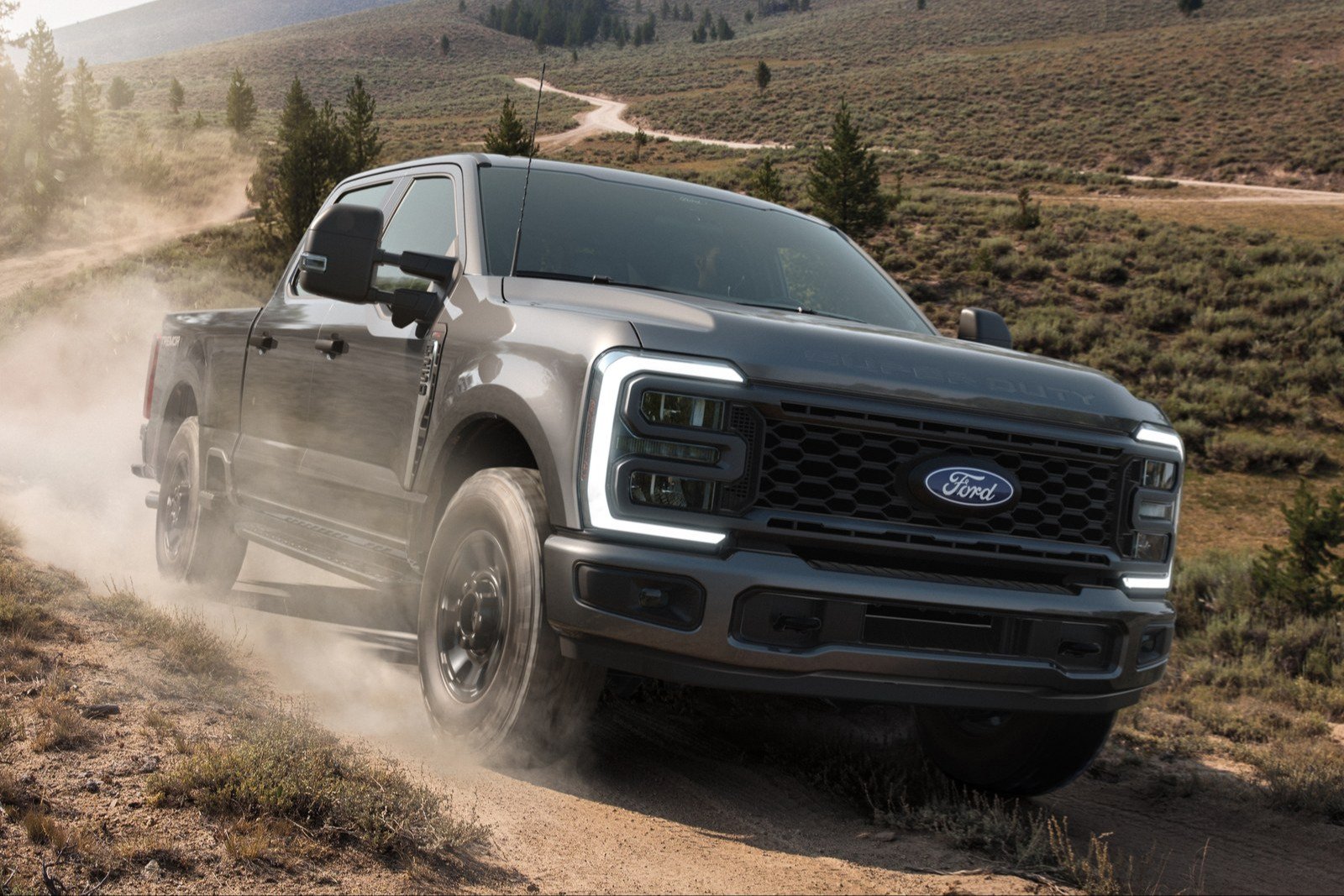
Ford is recalling 102,159 F-Series trucks in the U.S. because the needles on their analog speedometers and tachometers can stick or jump around, and the fix won't be ready until December. The campaign, filed with the National Highway Traffic Safety Administration as recall 26V653, is overwhelmingly a Super Duty problem: 91,588 of the affected trucks are 2025 and 2026 F-250 through F-600 models.
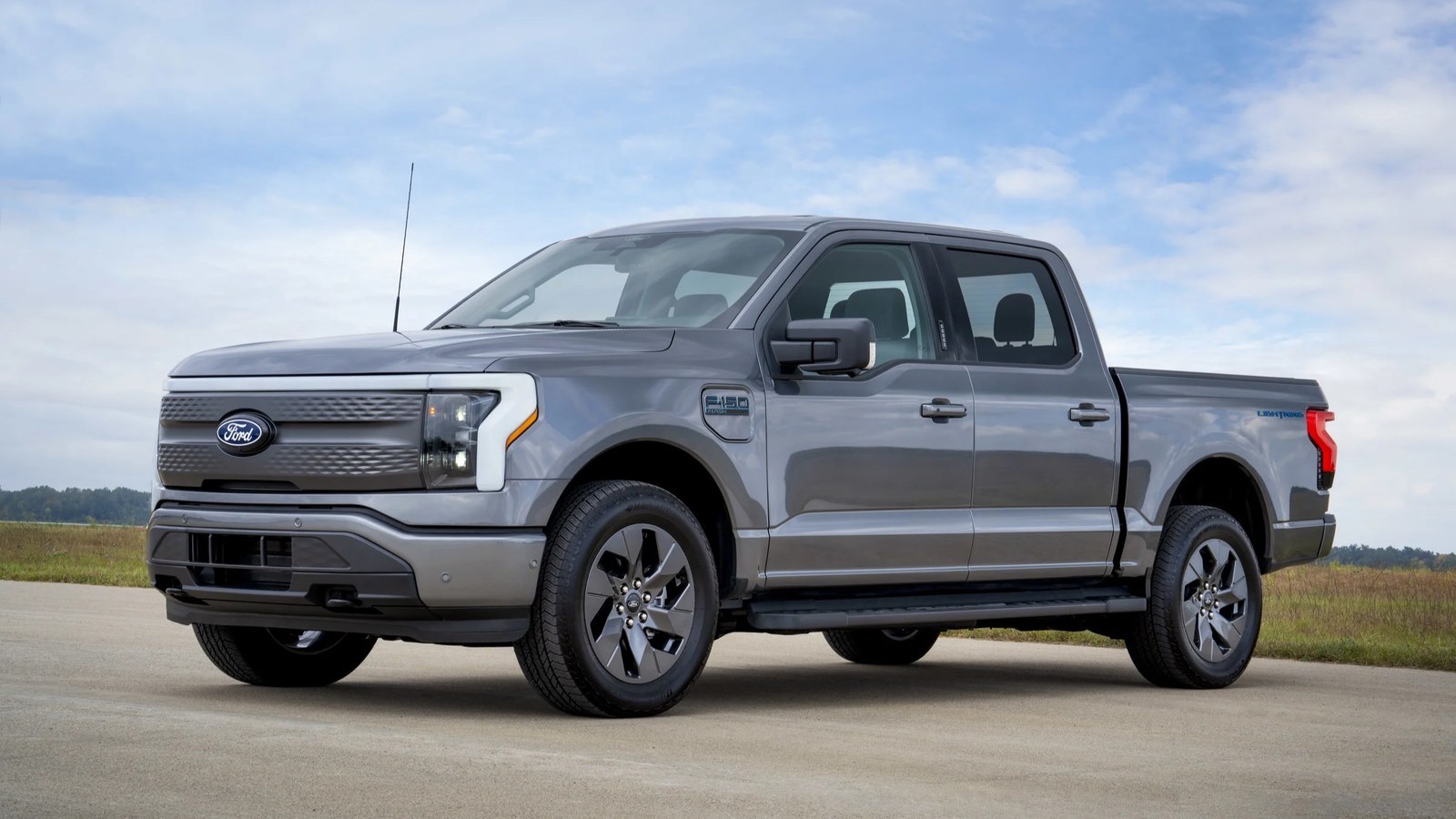
The F-250 alone accounts for 43,300 trucks, followed by 26,354 F-350s, 12,260 F-550s, 6,847 F-450s, and 2,827 F-600s, all built between December 14, 2024, and April 17, 2026. The rest of the recall is 10,570 2026 F-150s built from August 22, 2025, to May 12, 2026, plus a single 2026 F-750 assembled last November. If you're cross-shopping the heavy-duty segment, our Silverado HD vs. Super Duty comparison covers how the two line up on specs and price.
What's wrong, and who's responsible
The defect sits in the analog instrument cluster, the version with physical needles rather than a full digital screen. According to Ford's report, the speedometer and/or tachometer needle can freeze or move erratically, so the driver gets an inaccurate speed reading. Trucks that also show a digital speed readout may display two numbers that don't match, which is the only warning sign Ford lists.
Ford pins the cause on its Tier 1 supplier, Visteon, which builds the clusters at a plant in Chihuahua, Mexico. The automaker reviewed Visteon's process and maintenance records and concluded that "supplier process deficiencies" caused the problem, though the filing admits the exact nature of those deficiencies still isn't fully understood. What Ford does know is that Visteon's tooling maintenance on January 15, 2026, made the bad clusters stop. Visteon, for what it's worth, is Ford's former in-house parts division, spun off in 2000.
Ford expects only about 1% of the population, roughly 1,000 trucks, to actually have a faulty cluster. Because the company can trace each analog cluster to the truck it was installed in, but can't tell which individual units are bad, every one of the 102,159 trucks gets a new module.
How Ford got here
The timeline in the NHTSA filing stretches back further than the recall itself suggests. Ford received its first field reports in late January 2025, and by September 16, 2026, it had logged 18 warranty claims and 93 field reports tied to 79 individual trucks. The issue reached Ford's Critical Concern Review Group on May 28 of this year, and its Field Review Committee approved the recall on September 29. Ford filed with NHTSA on October 6. The company says it isn't aware of any crashes, fires, or injuries.
There's a regulatory wrinkle, too. Ford's position is that the trucks technically meet the wording of Federal Motor Vehicle Safety Standard 101, which governs controls and displays, but may not meet its full intent. NHTSA's Office of Vehicle Safety Compliance agreed with that reading. It lands on top of a separate Super Duty and Expedition headlight recall from earlier this month and a September F-150 fuel-tank-strap recall covering 223,472 trucks.
What owners should do
Dealers will replace the instrument cluster module at no charge, but not yet. Ford plans to mail interim notification letters between October 26 and 30, with a second round of letters announcing the actual repair between December 7 and 11. That gap is typical when a supplier needs to build replacement parts, and the filing doesn't say whether Ford has enough validated clusters in stock for 100,000-plus trucks. Dealer notification was scheduled for October 9, the same day affected VINs were due to become searchable in NHTSA's recall lookup. Ford's recall hotline is 1-866-436-7332; the company's internal number for the campaign is 26C46.
In the meantime, Super Duty and F-150 owners with analog gauges who notice a needle that lags, sticks, or disagrees with the digital readout should treat the digital number as the correct one and get the truck checked. There is no park-outside or do-not-drive advisory attached to this recall.