Q3 Earnings Scorecard: Who Can Afford to Cut Car Prices Before Year-End
Margins, inventory, EV losses, and warranty reserves show who has room to discount in November and December. Ford's report on Wednesday is the missing piece.
Three of the companies that set car prices in America have now opened their books for the third quarter. General Motors made money on trucks, Tesla protected its car margins while its profit fell, and Volvo Cars lost money. Ford, the fourth, reports on Wednesday, October 28, at 4:05 p.m. ET, according to its earnings advisory.
We covered each report on its own: GM's quarter and its slipping market share, what Tesla's Q3 means for owners, and Volvo's US losses. This piece ignores earnings per share and asks a buyer's question instead: who has room to cut prices in November and December, and who doesn't?
The four numbers
Four figures in these reports say more about your next deal than any headline profit. Profit margin shows whether a company can afford to discount. Inventory shows whether it has to. EV losses show where it is already bleeding. The warranty reserve, the money set aside for future repairs, shows how much quality problems already cost.
One caution before the table. The margins are not like-for-like. GM reports an operating margin for North America, Tesla a gross margin on cars, and Volvo an adjusted operating margin for the whole company. Read them as direction, not as a league table.
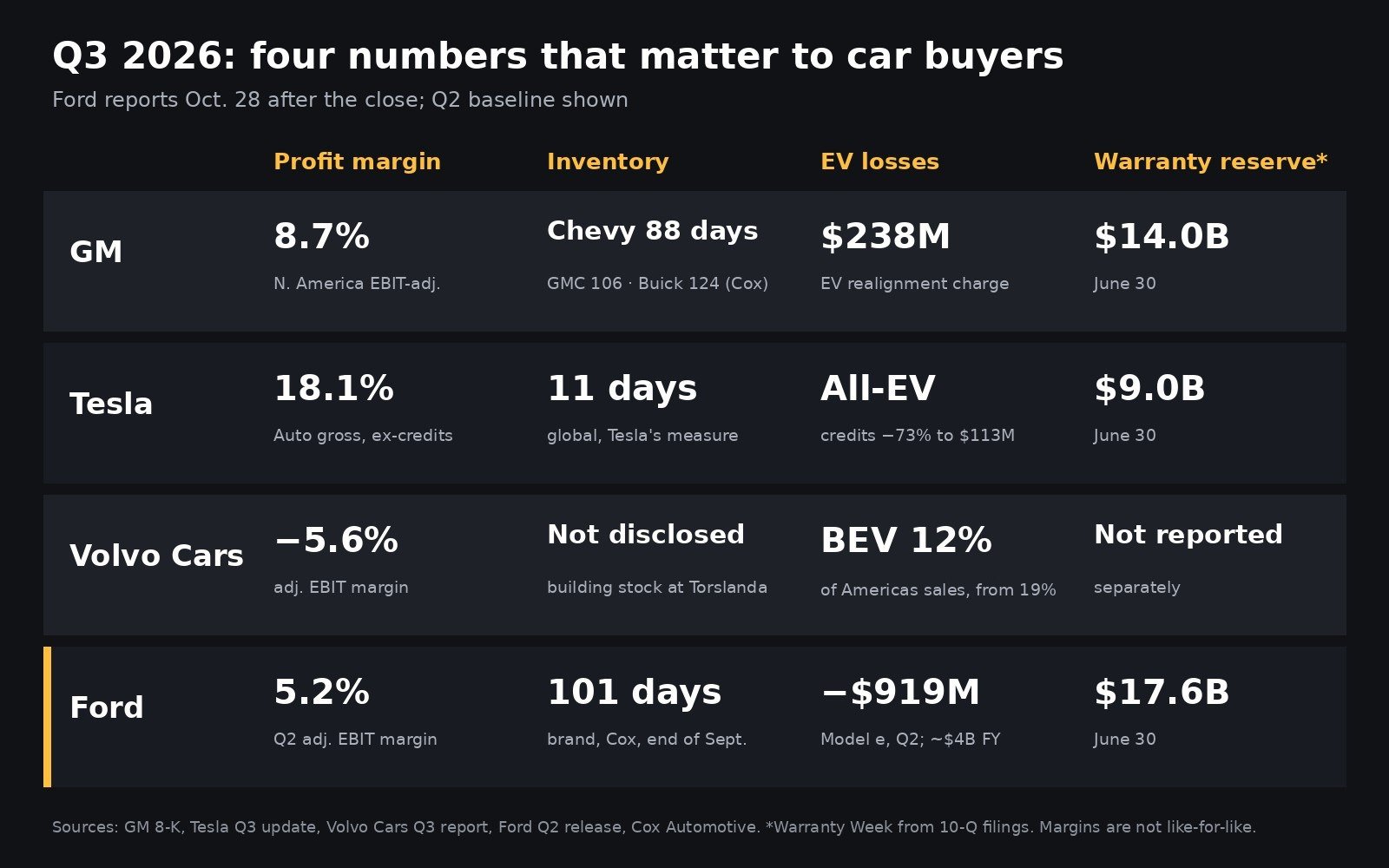
| GM | Tesla | Volvo Cars | Ford (Q2 baseline) | |
|---|---|---|---|---|
| Q3 revenue | $50.0 billion, +2.9% | $28.05 billion, roughly flat | SEK 66.9 billion (about $6.7 billion), −23% | Q3 due Oct. 28 (Q2: $48.3 billion) |
| Margin | 8.7% EBIT-adjusted, North America | 18.1% automotive gross, excluding credits; 2.6% operating | −5.6% adjusted EBIT | TBA (Q2: 5.2% adjusted EBIT; Ford Pro 9.7%, Ford Blue 4.4%) |
| Inventory | Chevrolet 88 days, GMC 106, Buick 124 (Cox, end of September) | 11 days, global (Tesla's measure) | US figure not disclosed; planned stock build-up at its Swedish plant | 101 days, Ford brand (Cox, end of September) |
| EV losses | $238 million EV realignment charge; $3.59 billion this year | EV-only maker; regulatory credit income −73% to $113 million | EVs 12% of Americas sales, down from 19%; SEK 1.1 billion CAFE credit write-down | TBA (Q2: Model e −$919 million; about $4 billion guided for 2026) |
| Warranty reserve (June 30) | $14.02 billion, +20% | $8.96 billion, +19% | Not reported separately | $17.57 billion, +8% |
| Pricing signal | 2027 Silverado 1500 up $1,200 to $8,800 on all but one trim; thin changeover incentives | No sticker cut; record backlog; lower average selling price | Sales mix and pricing cut SEK 2.5 billion from operating income | 2027 Mach-E $39,995 with bigger battery; Power Promise extended on 2026 Mach-E |
Sources: GM's 8-K, Tesla's shareholder update, Volvo Cars' interim report, Ford's Q2 release, Cox Automotive inventory data via Cox and GM Authority. Warranty reserves are Warranty Week's compilation of second-quarter 10-Q filings; Volvo's interim report doesn't break out warranty. Dollar conversion for Volvo at 1 SEK = $0.1006.
GM: the cushion is real, and it isn't spending it
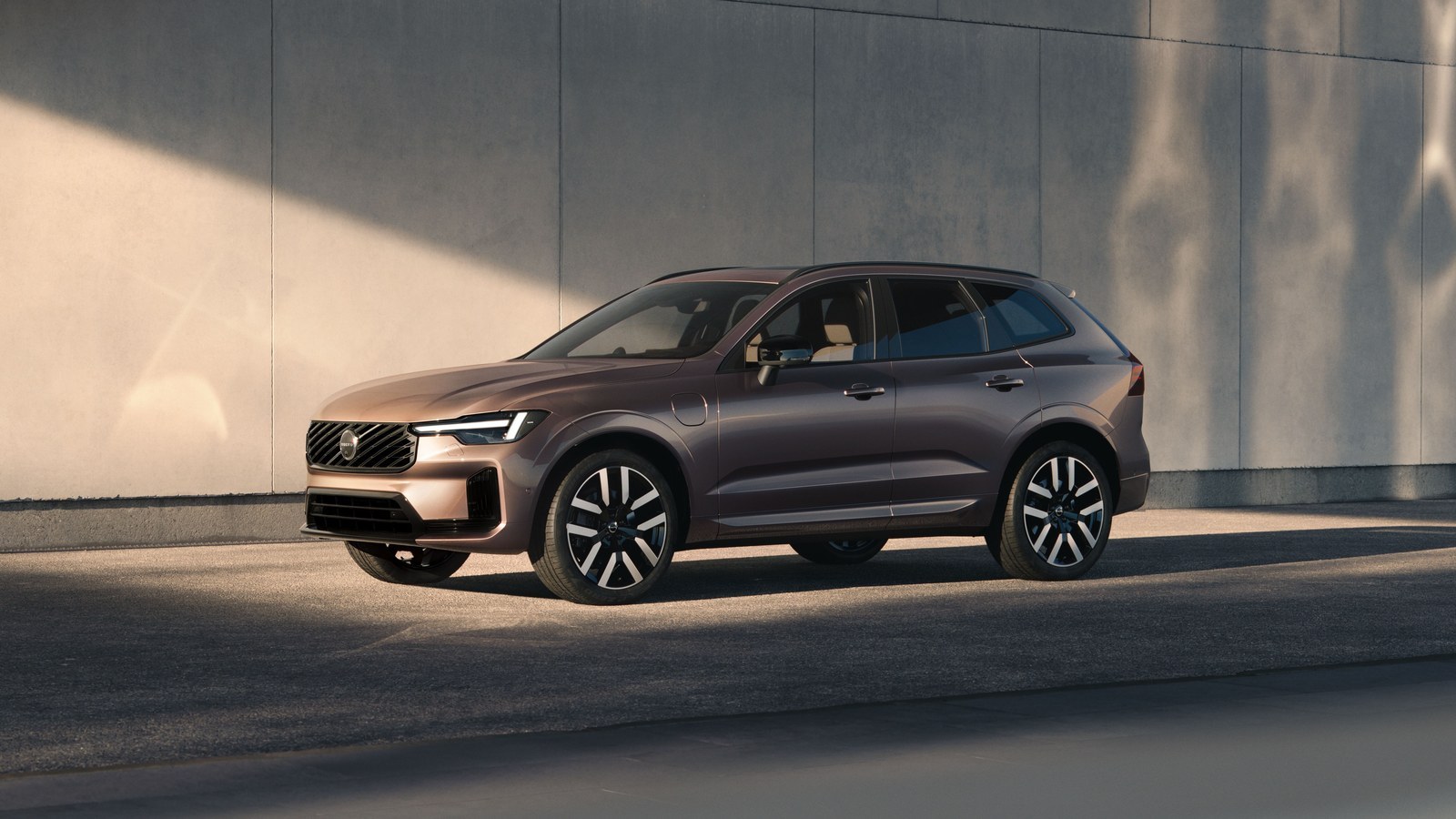
GM North America earned $3.59 billion on an adjusted basis at an 8.7% margin, according to GM's earnings filing. Spread across the 870,000 vehicles it wholesaled in North America, that is about $4,100 of profit per vehicle, by our math. That is a cushion big enough to fund real discounts.
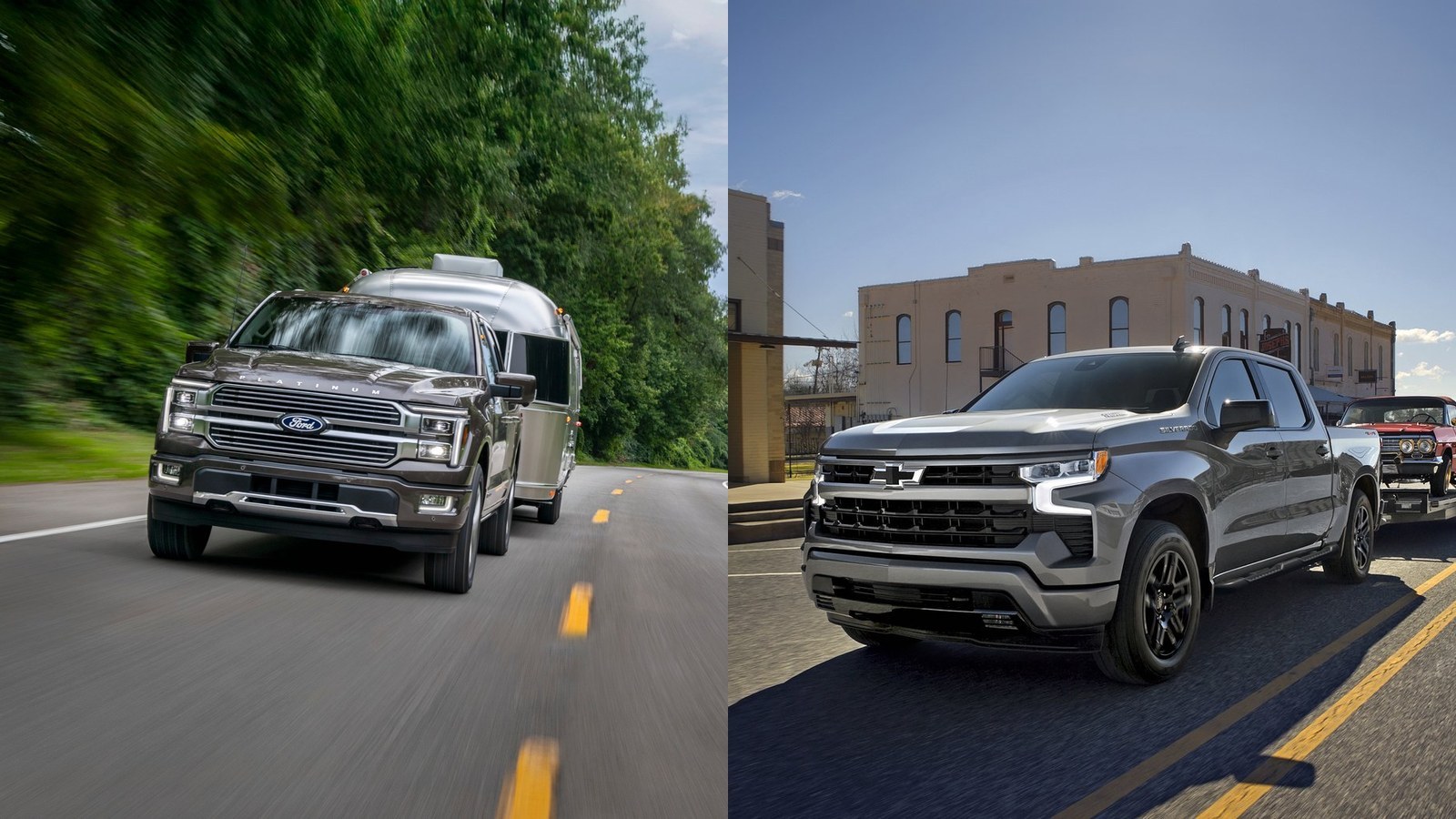
GM is choosing not to. Its CFO told analysts that incentives on the outgoing Silverado are several hundred basis points below past changeovers, and the new truck's prices went up. GM also approved a fresh $20 billion buyback. In my view, that is the clearest tell in any of the three reports: a company with spare cash is sending it to shareholders, not to dealer lots.
The inventory says the same thing. Chevrolet ended September with 88 days of supply, close to the 82-day industry average Cox reported. GMC and Buick sat higher, at 106 and 124 days. If you want GM leverage, it is on those brands and on EVs such as the Equinox EV, not on a Silverado.
Tesla: margins up, stock short, no reason to cut
Tesla's car business looks healthier than its 43% profit drop suggests. Gross margin on cars, excluding regulatory credits, rose to 18.1% from 15.4%. By our math from Tesla's 10-Q, that is roughly $7,600 of gross profit per delivered car before operating costs.
The rest of the numbers point away from discounts. Tesla ended the quarter with 11 days of supply and said its backlog was the highest it had been. Short supply and rising margins rarely produce sticker cuts. My bet is that any winter deal from Tesla shows up in financing and lease offers, not in a lower MSRP.
Volvo: no cushion, and still has to sell
Volvo is the one company here losing money on the average car, by our math: an adjusted operating loss of SEK 3.7 billion on 130,800 wholesale units is about $2,850 per vehicle. In the US, revenue fell 33% while retail deliveries fell only 9%, according to Volvo's third-quarter report. Mix, pricing, and a CAFE credit write-down account for much of that gap.
A company in that position can't afford broad price cuts, but it also can't let cars sit. Volvo says it is building inventory at its Torslanda plant to support full-year sales. I'd argue that makes Volvo the brand most likely to lean on targeted lease and finance offers this winter, especially on electrified models whose US sales have fallen.
What we'll check in Ford's report on Wednesday
Ford raised its 2026 adjusted EBIT guidance to $10 billion to $11 billion in July. Its third-quarter sales fell 6.6%, almost all from two discontinued models, as our Ford Q3 sales report showed. Four numbers will tell buyers the most:
- Model e losses. Ford lost $919 million on EVs in the second quarter and guided to about $4 billion for the year. The F-150 Lightning ended production in December 2025, and the 2027 Mach-E now carries a bigger battery at $39,995. A smaller loss would mean the repricing is working.
- Warranty and recall costs. Ford holds the largest warranty reserve of the three US automakers here, $17.57 billion at June 30, and its second-quarter claims ran at 3.77% of product sales, per Warranty Week. This quarter brought recalls including campaign 26V653, which covers 102,159 Super Duty and F-150 trucks. Ford's guidance assumes about $1 billion of material and warranty savings.
- Tariffs. Ford put its net 2026 tariff cost at about $1 billion, and its CFO said in July it would come in slightly better, Reuters reported. GM said its own tariff bill would land at the low end of $2.5 billion to $3.5 billion.
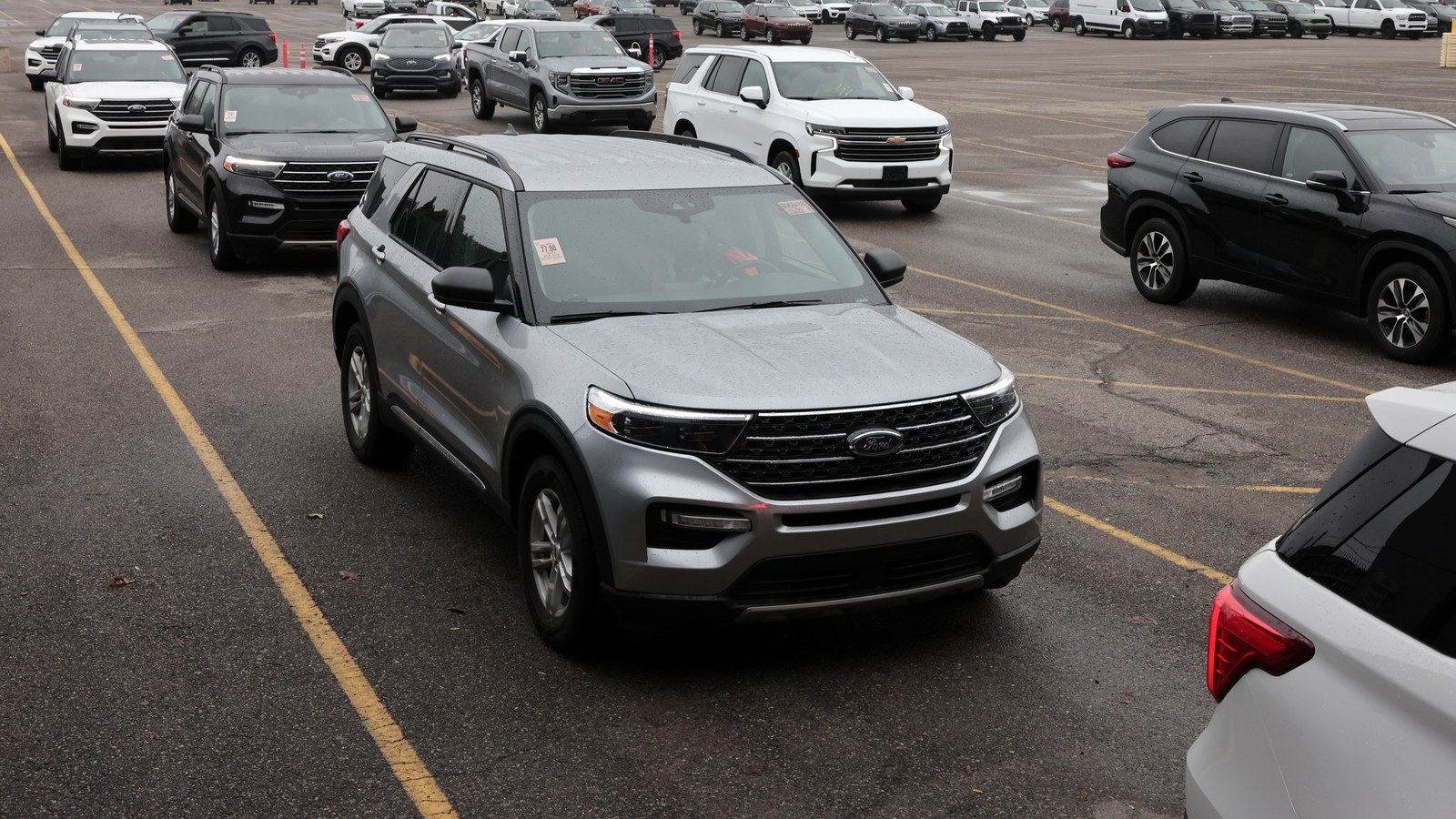
- Ford Pro margin and truck supply. Ford Pro earned a 9.7% margin in the second quarter despite an aluminum supply disruption. F-150 output dipped in September on a supplier issue. With Ford-brand inventory at 101 days, against Chevrolet's 88, how Ford treats that stock matters more than any single price.
We won't update this article after Ford reports. Its results will get their own story, with a link back here.
Who has the cushion to cut
Here is my read. GM has the money but not the motive; it is protecting truck prices through a changeover. Tesla has margin but no excess stock. Volvo has the motive but not the money, so expect incentives, not lower stickers. Ford is the open question: it carries more stock than Chevrolet and a thinner margin baseline than GM, which is exactly why Wednesday's numbers matter.
The broader backdrop hasn't changed. Cox put average incentives at 6.6% of the transaction price in September, below a year earlier, and the cuts we have seen so far are narrow, as our look at who is cutting 2027 prices and why found.
What we don't know
- Ford's third-quarter numbers, until Wednesday afternoon.
- Stellantis, which reports on October 28 before the US market opens, and Toyota and Honda, which report fiscal-half results later. Cox put Ram, Dodge, and Jeep at 149 to 169 days of supply at the end of September, the deepest stock of any brands named here.
- Third-quarter warranty reserves. The figures above are from second-quarter filings, so they compare all three on the same date.
- Brand-level incentive spending. Automakers don't report it in earnings, and we won't estimate it.