Some New GM EVs Now Run on Batteries Made From Old Ones
A pilot turned 80 retired GM packs into cathode material for new Cadillac, Chevrolet, and GMC EVs, though the "100% recycled" claim leaves out lithium.
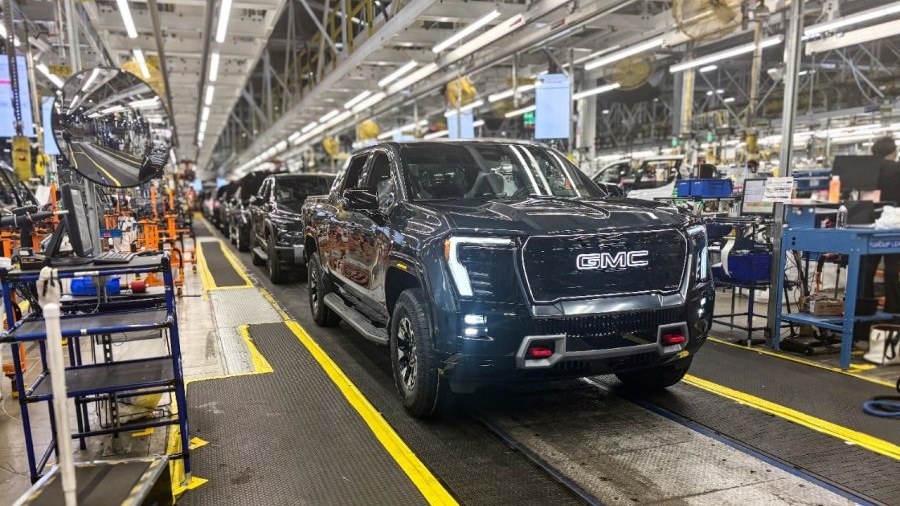
General Motors has started delivering EVs whose battery cells use cathode material made from 100% recycled nickel, cobalt, and manganese, some of it recovered from GM's own retired battery packs. It's a limited pilot rather than a production switch, but GM says it's the first time its batteries have carried metal from a scrapped pack all the way into a new customer vehicle.
According to GM, the first vehicles with the recycled-content cells rolled out of its Factory Zero and Spring Hill plants this month. They include the Cadillac Lyriq, Lyriq-V, Vistiq, Escalade IQ, and Escalade IQL, along with the Chevrolet Silverado EV Trail Boss and GMC Sierra EV AT4. The company hasn't said how many vehicles carry the new cells.
From 80 old packs to 12 metric tons of cathode
The trail starts with 80 end-of-life GM packs. Recycler Cirba Solutions took them apart at its Ohio facility and reduced them to black mass, the dark powder of mixed electrode metals left after shredding.
A separate refining step turned the recovered metals into more than 12 metric tons of cathode active material, the component that largely sets a cell's cost and performance. Ultium Cells, GM's joint venture with LG Energy Solution, built cells from it after tests showed they performed on par with cells made from freshly mined metals. GM then assembled the packs itself.
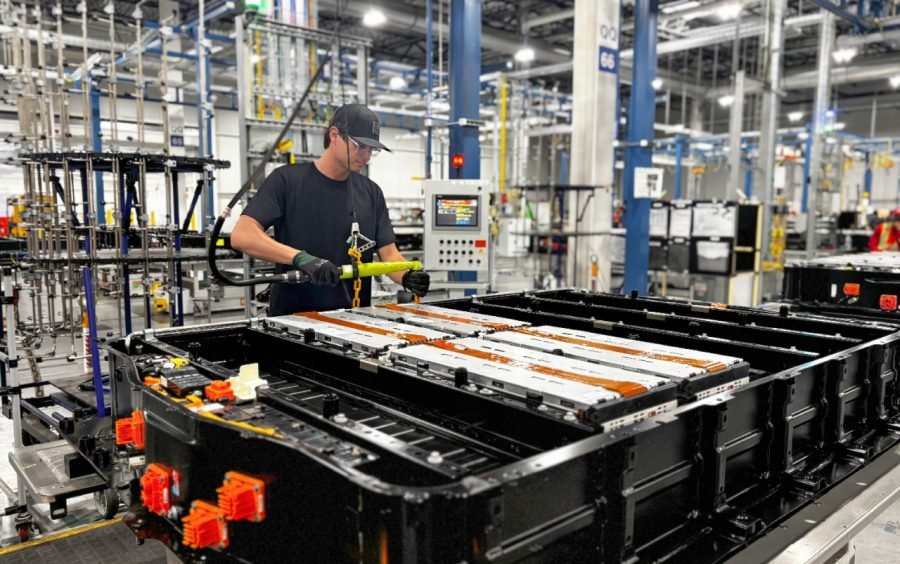
Two caveats are worth noting. The 100% figure covers nickel, cobalt, and manganese only, not lithium. And GM describes the cathode as including material from retired packs, without saying what share came from those 80 batteries versus other recycled sources.
GM says today's processes can recover up to 95% of a battery's nickel, cobalt, and manganese and up to 80% of its lithium, depending on chemistry and method.
How it compares
The recycled-content targets other battery players have published are more modest. Redwood Materials has said it is aiming for at least 20% recycled nickel, 20% recycled lithium, and 50% recycled cobalt in the cathode it plans to supply to Toyota. Panasonic Energy targets 20% recycled cathode content in its automotive batteries by 2027.
Those are fleet-wide production goals, while GM's number applies to a single pilot batch, so the comparison isn't like-for-like. The closer parallel is Porsche, which built cells with recycler cylib using cathode metals, lithium included, recovered entirely from its own old packs. Those cells are test hardware, though. GM's go into cars headed to customers.
Recycling is also only the last stop in GM's battery plan. Its remanufacturing program aims to reuse more than 70% of a pack's components. And GM has been sending used packs to Redwood's energy-storage business since at least 2025, when they went into a 12-MW, 63-MWh system in Nevada. GM now says roughly 10,000 of its second-life batteries are being deployed with Redwood, including what it calls North America's largest second-life microgrid.
What's next
GM calls the pilot a foundation rather than a finished program, noting that far more EV packs will reach the end of their lives over the next decade. It hasn't disclosed when recycled cathode will move into regular cell production, how much it could cut battery costs, or which recyclers beyond Cirba will supply it. The company says it will share more at Climate Week NYC.