Headlight Glare Is Finally on NHTSA’s Agenda. Here’s What Could Change and When
NHTSA is rewriting its vehicle lighting standard, with glare, LEDs, and headlamp height all under review. There is no deadline for a new rule, but drivers can comment until Nov. 9.
Federal regulators are reopening the rulebook for vehicle lighting, and glare is at the top of the list. On Oct. 6, NHTSA said it will update Federal Motor Vehicle Safety Standard No. 108, the rule that governs the lamps on every new car and truck sold in the U.S. The agency named headlight glare as a subject for review, alongside LEDs, automatic high beams, and headlamp height and aim.
Nothing changes for drivers yet. There is no proposed rule, no brightness limit, and no date for a final standard. What exists is a process, a list of topics, and a window until Nov. 9 for the public to weigh in. Here is what is on the table and what you can do in the meantime, starting with how IIHS rates headlights on new cars.
What NHTSA announced
The agency plans to rewrite FMVSS 108 through negotiated rulemaking. Instead of drafting a proposal alone, NHTSA will convene a committee of outside parties to work out consensus recommendations, then turn those into a proposed rule. NHTSA says it is the first time in more than 25 years that it has used this approach for lighting.
"Today's standards do not allow automakers to deploy the latest safety-improving lighting technologies," NHTSA Administrator Jonathan Morrison said.
The formal notice, published in the Federal Register on Oct. 8, lists what the committee would negotiate. The items that matter most to drivers:
- Glare from headlighting systems
- Low-beam and high-beam light output requirements
- Headlamp performance as installed on the vehicle, including aim and mounting height
- Replaceable light sources, including LED replacements
- Semiautomatic beam switching, the technology behind automatic high beams
- Harmonization with international standards
Why headlights feel so blinding
NHTSA has not published a diagnosis, and neither the announcement nor the notice cites complaint counts or crash data. The topic list is the best clue to what the agency considers in play: how bright the beams are, how high they sit, and where they point.
The Insurance Institute for Highway Safety puts part of the blame on aim and on drivers who fail to switch from high beams to low beams. Its own tests show how much aim matters, because IIHS measures headlights as the dealer delivers them, without adjusting them first.
The data also complicates the story. In a study published in October 2025, IIHS found that glare was cited in about one or two of every 1,000 nighttime crashes across 11 states from 2015 to 2023, a rate that stayed roughly flat. In its tests, the share of headlight systems with excessive glare fell from 21% on 2017 models to 3% on 2025 models.
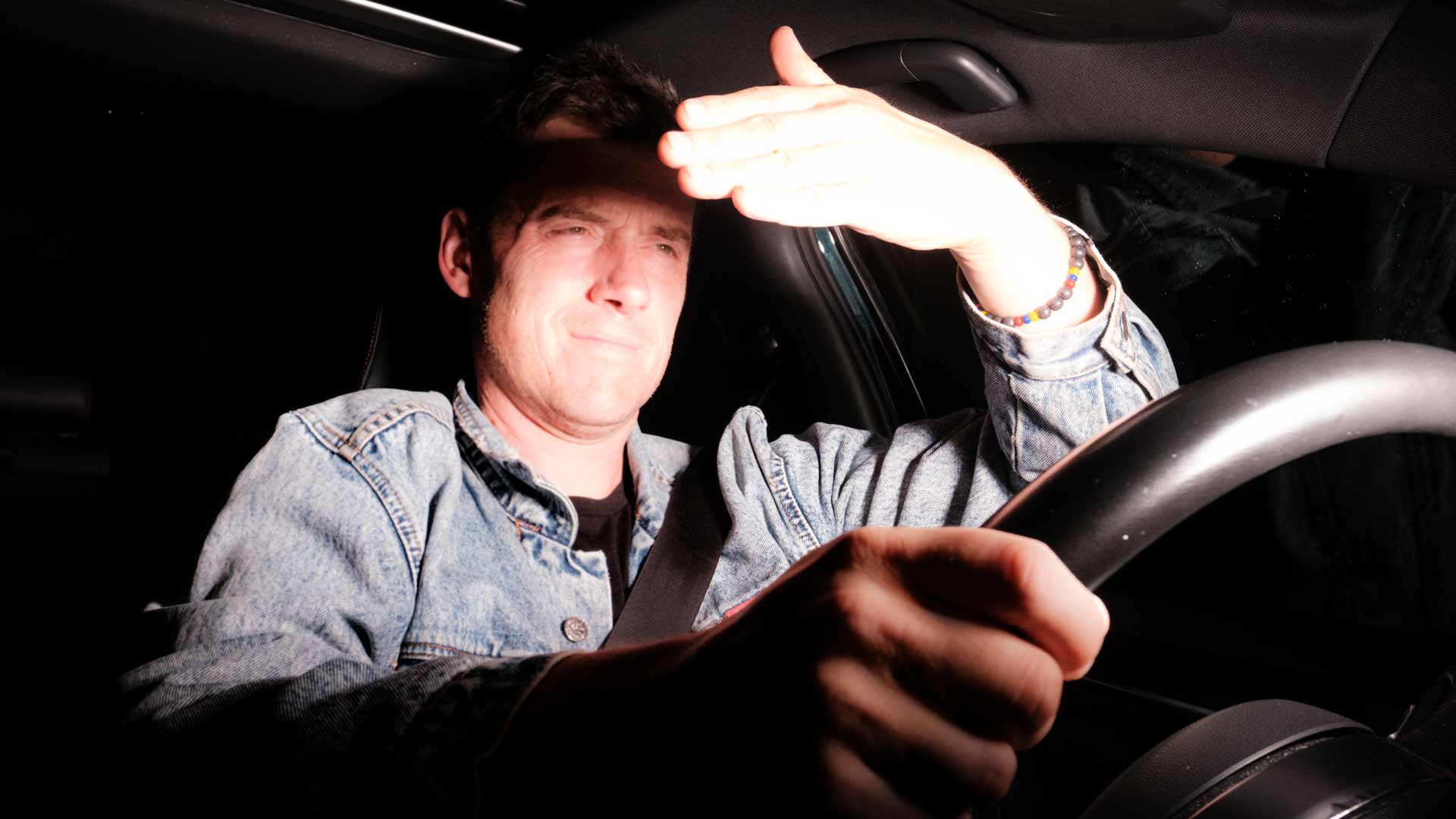
"Although it can certainly be uncomfortable, headlight glare contributes to far fewer crashes than insufficient visibility," IIHS President David Harkey said. The institute found that drivers older than 70 appear most affected, and that glare-related crashes happen more often in rain and on two-lane local roads.
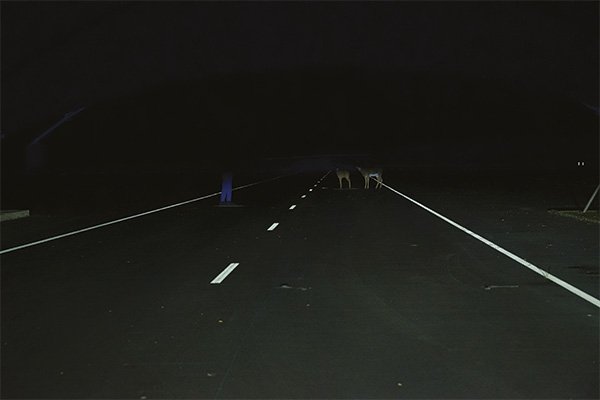
So the discomfort is real, but the crash record doesn't show it getting more dangerous. Any rule that cuts glare will have to do it without giving up the visibility that better headlights have added.
What could change
Brightness and glare limits. This is the headline item and the vaguest one. NHTSA has committed only to examine how modern headlights affect other road users and to make appropriate changes. IIHS notes that federal headlight brightness standards have not changed since 1997.
Height and aim. The notice puts mounting height and aim on the table as part of how a headlamp performs once it is on the vehicle. For anyone who has had a tall truck's low beams fill their mirrors, this is the item to watch, though NHTSA has not said it will set new limits.
LED replacement bulbs. The notice cites a 2019 petition from Osram Sylvania on LED replacement light sources, so the rules for swapping bulbs could be revisited.
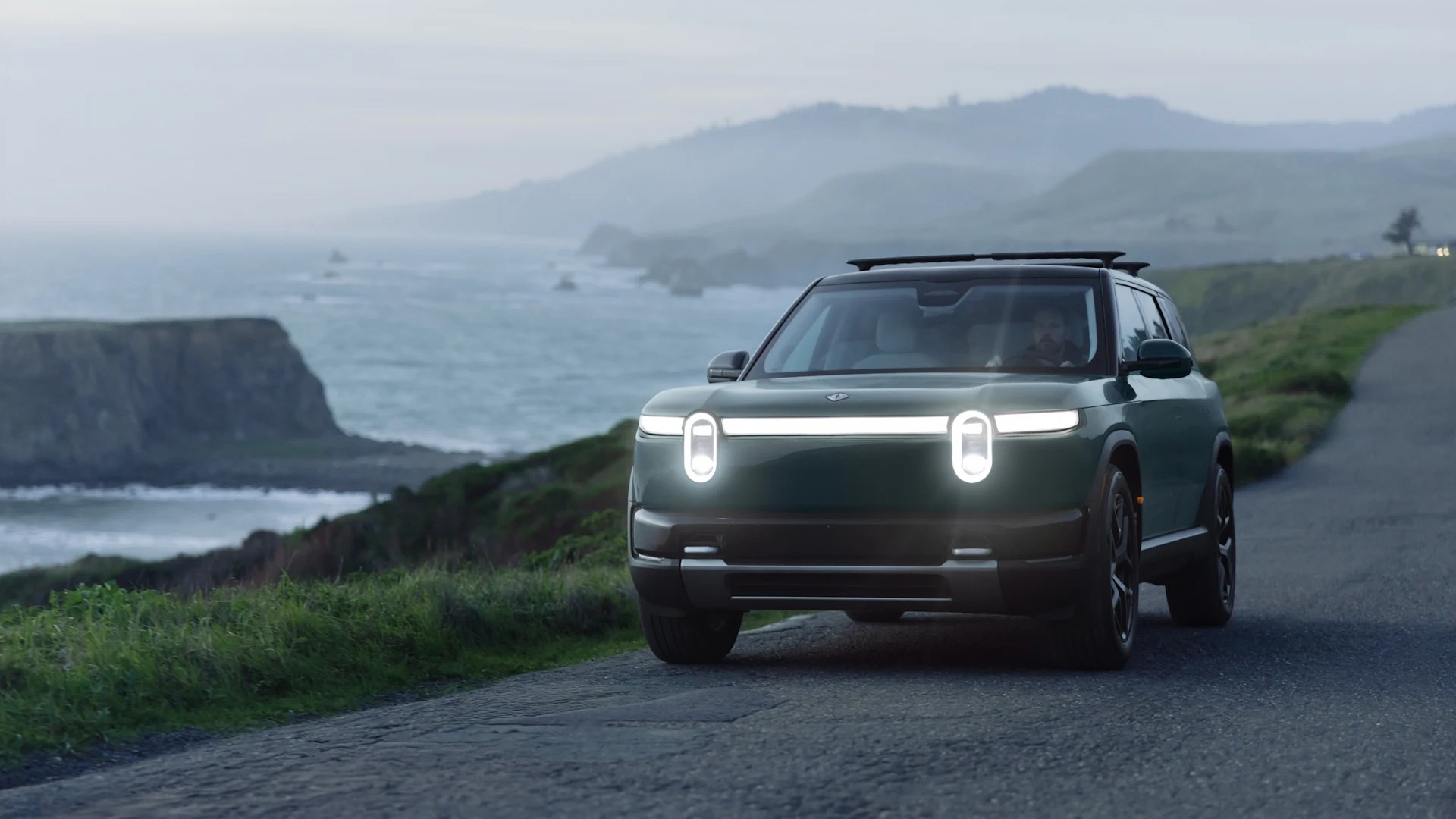
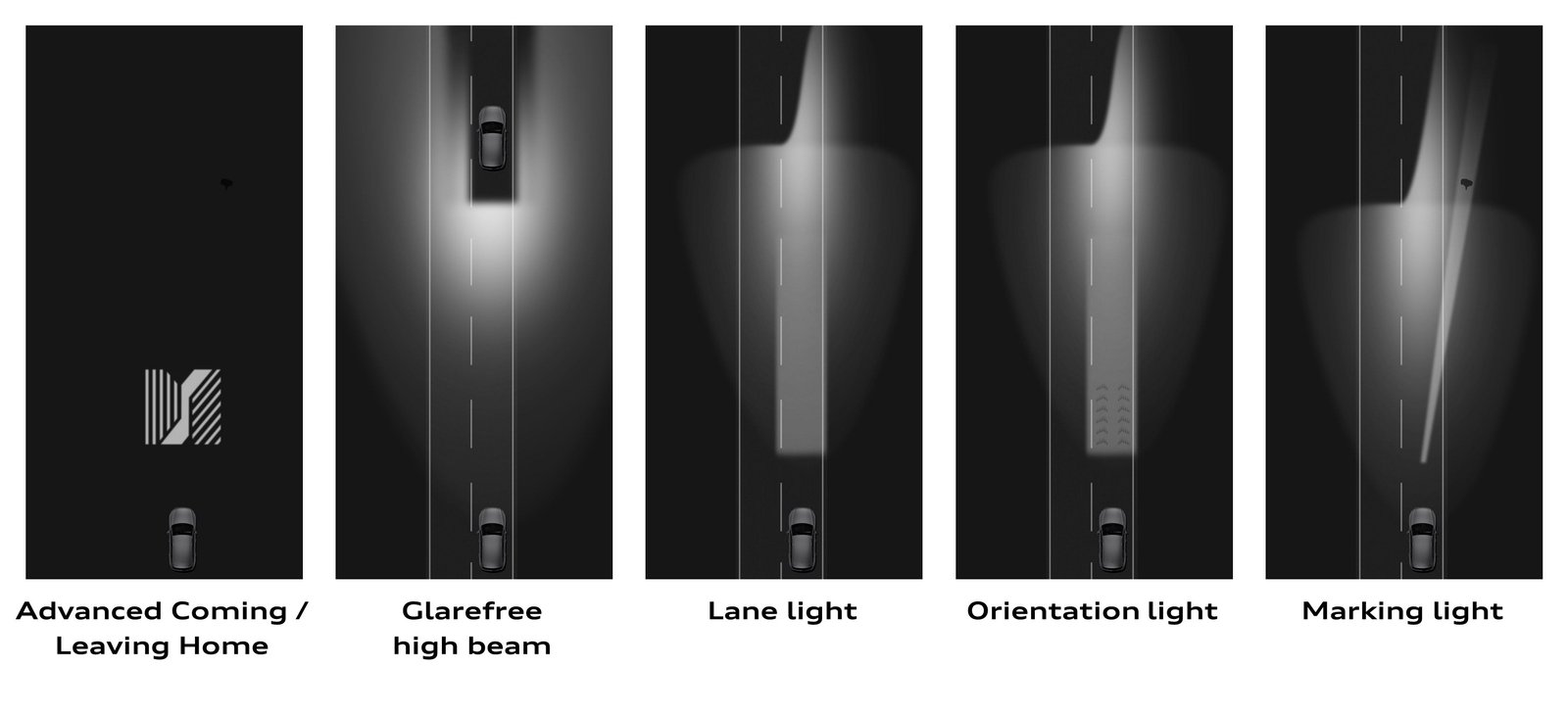
Smarter high beams. NHTSA amended the standard in 2022 to let automakers certify adaptive driving beams, which dim only the part of the beam aimed at other vehicles. The agency wrote its own test rather than adopt Europe's, and IIHS says that regulatory difference has slowed adoption; by its count, no vehicles with the technology were sold in the U.S. as of the end of 2024. That has started to change: Rivian says it activated the first adaptive matrix headlights in the U.S. in 2025. Neither new document mentions adaptive beams by name, but beam switching, light output, and international harmonization are all on the list.
When it could happen
Not soon. The committee does not exist yet. The transportation secretary would appoint up to 18 members, the charter would run for up to two years, and the group would meet about four times a year in sessions open to the public.
The committee's product is a set of consensus recommendations. NHTSA says it intends to publish a proposed rule promptly after those are approved, and a proposal then has to go through public comment before it can become final. NHTSA's other big rewrite this fall, the new CAFE fuel economy rules, went through the same proposal and comment stages. The notice gives no target date for either step.
Federal safety standards also govern how new vehicles are built. A revised standard would not dim the headlights already on the road.
Who gets a seat
The proposed committee has four seats for lighting manufacturers or retailers, two for automakers, four for industry associations, two for safety organizations, three for research and testing organizations, and three for engineering and standards bodies. No seat is set aside for drivers or consumer groups as such.
NHTSA is asking whether those categories cover everyone with a stake in the outcome. That question is what the current comment period is for.
How to comment
- Go to regulations.gov and search for docket number NHTSA-2026-1981.
- Submit by Nov. 9, 2026. Applications for committee membership are due by 5 p.m. ET the same day.
- Keep it on topic. This round asks about the scope of the rewrite and the makeup of the committee, not about a specific rule. Say which problems you want covered and who you think is missing from the table.
- Assume your comment will be public, including any personal information you put in it.
What you can do now
- If you are shopping, check the IIHS headlight rating for the exact trim. Excessive glare rules out the institute's top two ratings.
- If your car has automatic high beams, leave them on. IIHS recommends the feature because it takes the forgotten-high-beam problem out of the driver's hands.
- If other drivers flash you often, ask a shop to check your headlight aim.
- Don't confuse this with a recall. The Ford Expedition and Super Duty headlight recall involves lights that can go dark, a defect under the same standard and a separate issue.
What we don't know yet
- When NHTSA will publish a proposed rule or a final one.
- Whether the rewrite will set new limits on brightness, mounting height, or aim.
- Who will sit on the committee.
- Whether the rules for adaptive driving beams will change.