Honda’s Next Hybrid System Gets a Name, a New Platform and Electric AWD — Starting in 2027
The system that replaces e:HEV arrives in 2027 on a lighter platform, with 15 models due by March 2030. Honda hasn’t said which cars get it first.
Honda's next hybrid system has a name, and it is about as plain as names get: Honda Hybrid. The company announced it on October 9 and said the first models using it will launch globally in 2027, with 15 on sale by the end of March 2030, most of them aimed at North America.
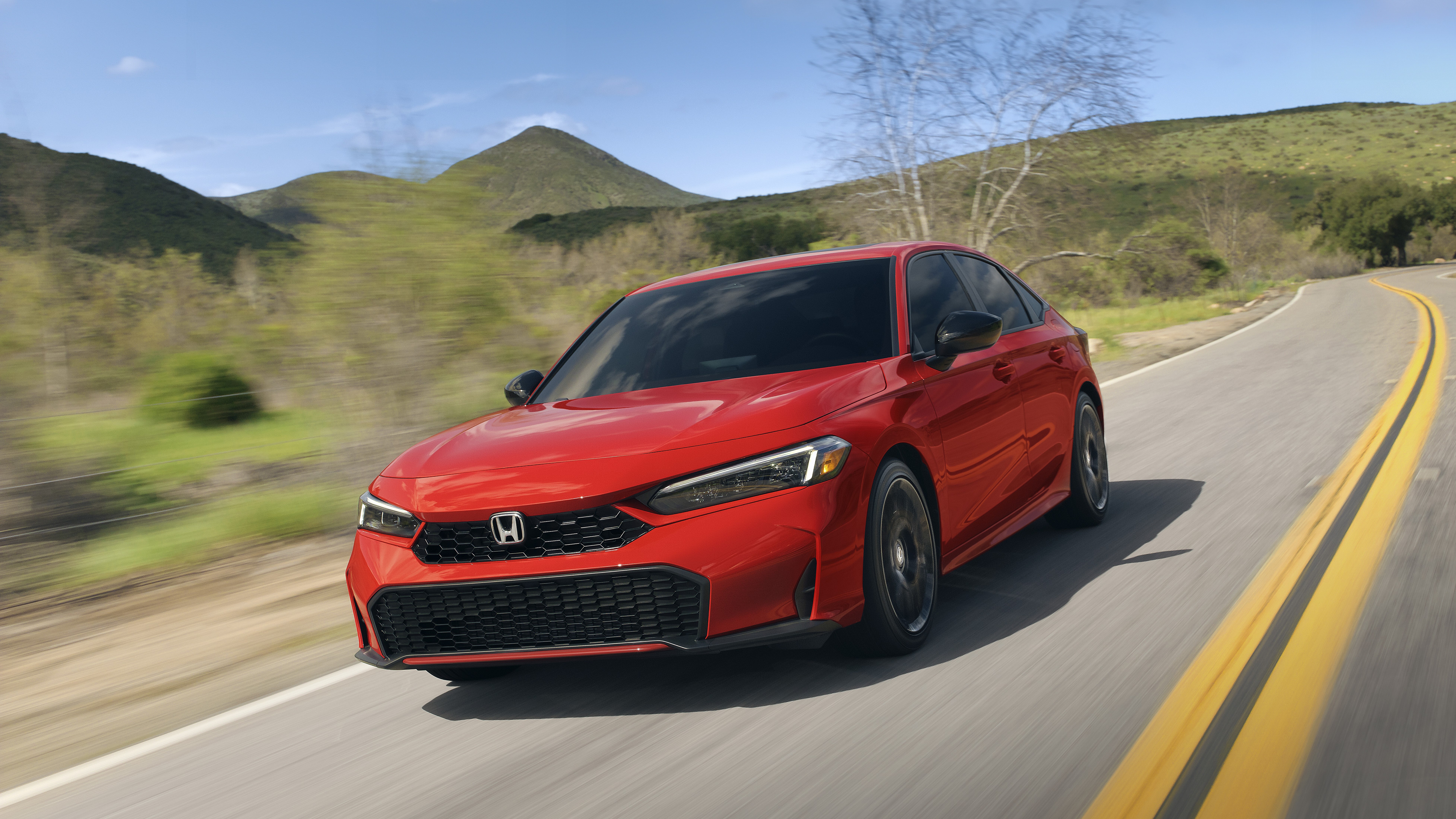
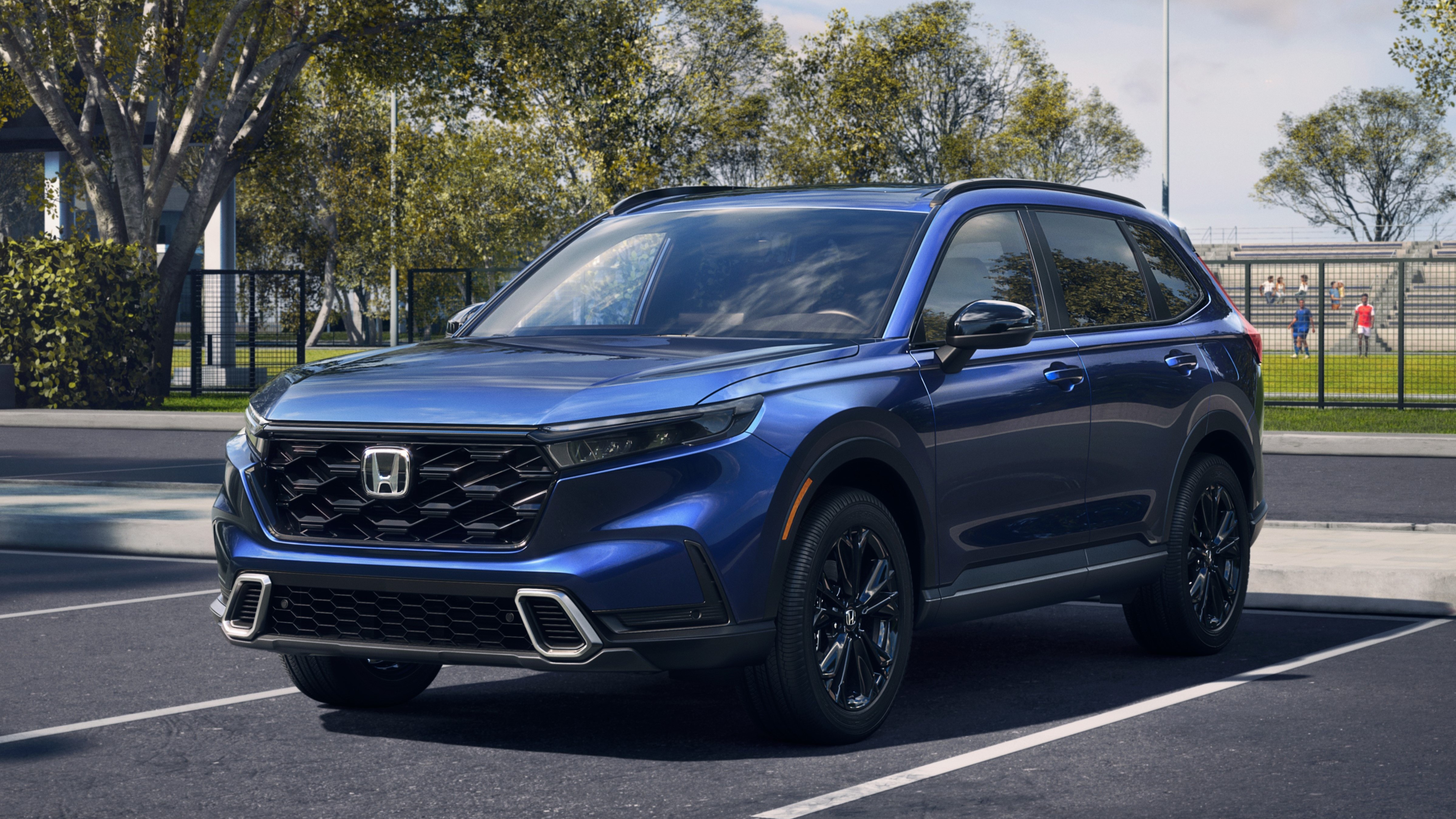
That makes this a U.S. story, even though the announcement came from Tokyo with no American details attached. In the third quarter, hybrids were 53 percent of CR-V sales and 44 percent of Accord sales, by Honda's count, and in September they were 35 percent of Civic sales. The hardware under all three is what's being replaced. We measured the current setup against Toyota's in our CR-V Hybrid vs. RAV4 Hybrid comparison.
What Honda has confirmed
Honda Hybrid replaces e:HEV, the label Honda has used worldwide since 2020 for its two-motor system. American Honda already sells these cars simply as the Civic Hybrid, CR-V Hybrid, and Accord Hybrid, so for U.S. buyers the name changes less than the hardware does.
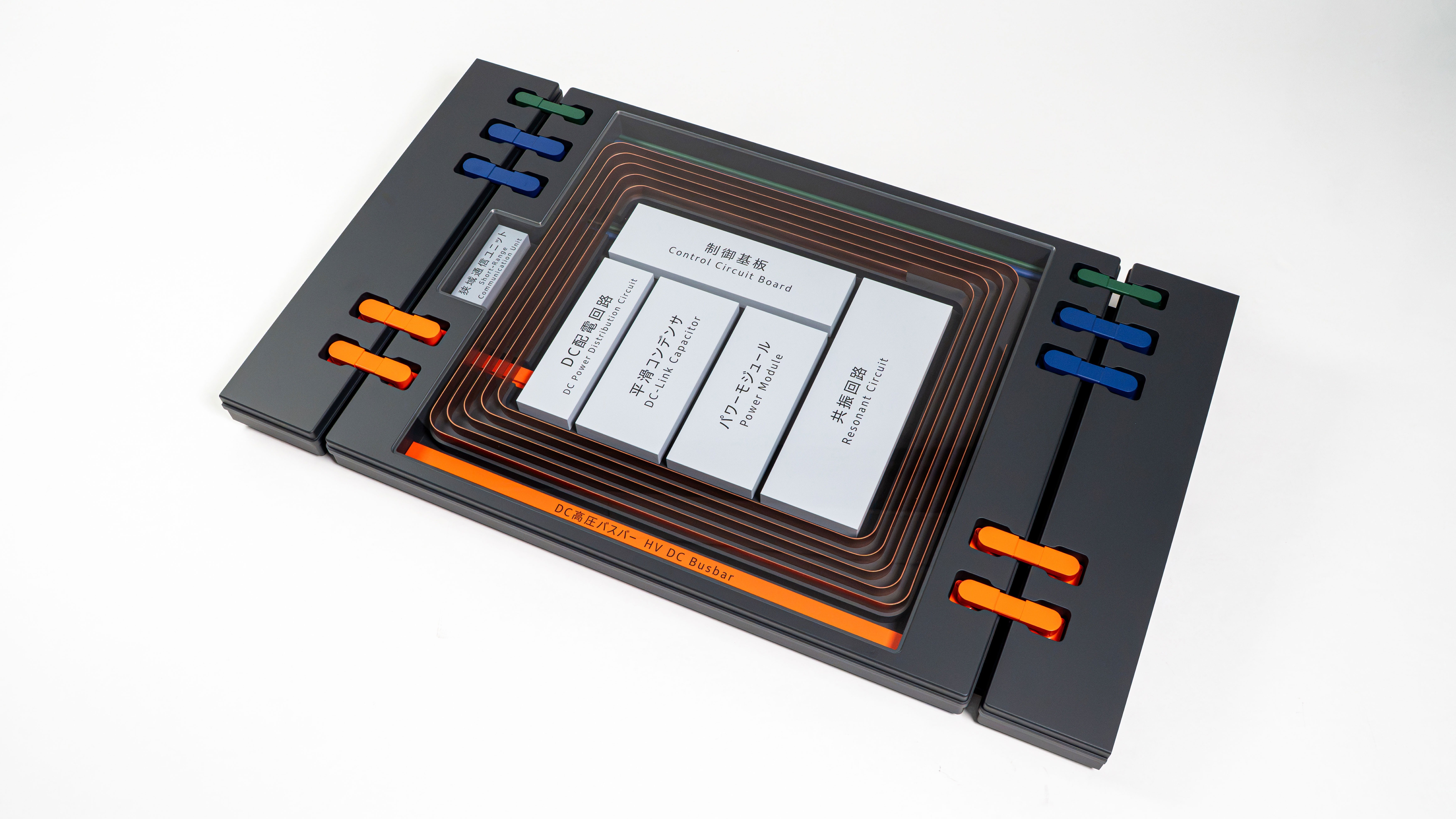
The new system is an evolution of the two-motor layout, not a clean-sheet design. Honda says the engine's high-efficiency operating range is wider and the drive unit is both smaller and more efficient.
It comes with a new platform. Honda describes a body that is lighter and deliberately allowed to flex in corners to keep the tires loaded, an idea it first outlined at a December 2024 technology briefing. The target then was a mid-size platform about 198 pounds (90 kg) lighter than the one under today's hybrids.
All-wheel drive changes too. The next-generation cars get a newly developed electric AWD system, plus an integrated control system Honda calls Motion Management System. Today's CR-V Hybrid uses Honda's Real Time AWD. In 2024, Honda said the electric unit delivers more drive force than mechanical AWD and can be shared with EVs.
The October 9 release repeats none of those figures. The most recent targets come from Honda's May business briefing: fuel economy up more than 10 percent with the new system, platform, and AWD combined, and a hybrid system that costs over 30 percent less to build than the one Honda introduced in 2023.

What it means for the CR-V, Civic, and Accord
Honda hasn't said which models get the system first, or when it reaches U.S. showrooms. There are no power, mpg, or price figures yet.
The closest thing to a clue came in May, when Honda showed a Honda Hybrid Sedan Prototype and an Acura Hybrid SUV Prototype and said both would go on sale within two years. It also said larger hybrids, in what it calls the D-segment or above, would arrive in North America in 2029.
Separately, Automotive News reported this week, citing a supply-chain source, that Honda has pushed back the start of production of the next CR-V by three months and dropped a plan to build the next Civic sedan in Indiana from 2028. Honda hasn't confirmed that, and nothing in the October 9 release addresses it.
The cost target could matter as much as the mileage one. A Civic Sport Hybrid sedan costs $2,700 more than the gas Sport, as our 2027 Civic pricing breakdown shows, and that car carries the current system into another model year. Honda hasn't said whether a cheaper system means a smaller premium. The Accord Hybrid is rated at 44 to 48 mpg combined, and tops out 3 mpg below the best Camry in our Camry vs. Accord Hybrid cost comparison.
Toyota is the benchmark. It no longer sells a gas-only Camry or RAV4, and electrified models made up 57.4 percent of Toyota and Lexus U.S. sales last quarter, or 363,367 vehicles. Honda's hybrids set a third-quarter record at more than 106,000.
Honda's next step is naming the first model. Until then, anyone buying a Honda hybrid is buying the current system.