Honda's In-Motion Wireless Charging Road Heads to Public Tests in 2027
Honda and two Japanese builders have road-ready hardware that charges EVs on the move, aimed first at 20-ton trucks, with highway trials alongside a rival Toyota team from 2027.
Honda wants the road itself to top up an EV's battery while it drives, and it now has hardware ready to bury in the pavement. Honda R&D and two Japanese construction firms, Taisei Corporation and Taisei Rotec, say they've finished the base technology for an in-road wireless charging system. Public-road tests in Japan are planned from the country's 2027 fiscal year, which begins April 1, 2027.
The first users Honda has in mind aren't Civic owners. According to the company's October 6 announcement, logistics and freight come first, the high-mileage world where electric trucks currently lean on huge batteries and dedicated high-power chargers, like the Megacharger stalls Tesla is promising for the Semi in Europe.
How it works
The industry term is dynamic wireless power transfer, or DWPT. Coils under the asphalt generate a magnetic field, and a receiver under the vehicle picks up energy as it rolls over them. Think of a phone charging pad stretched along a traffic lane.
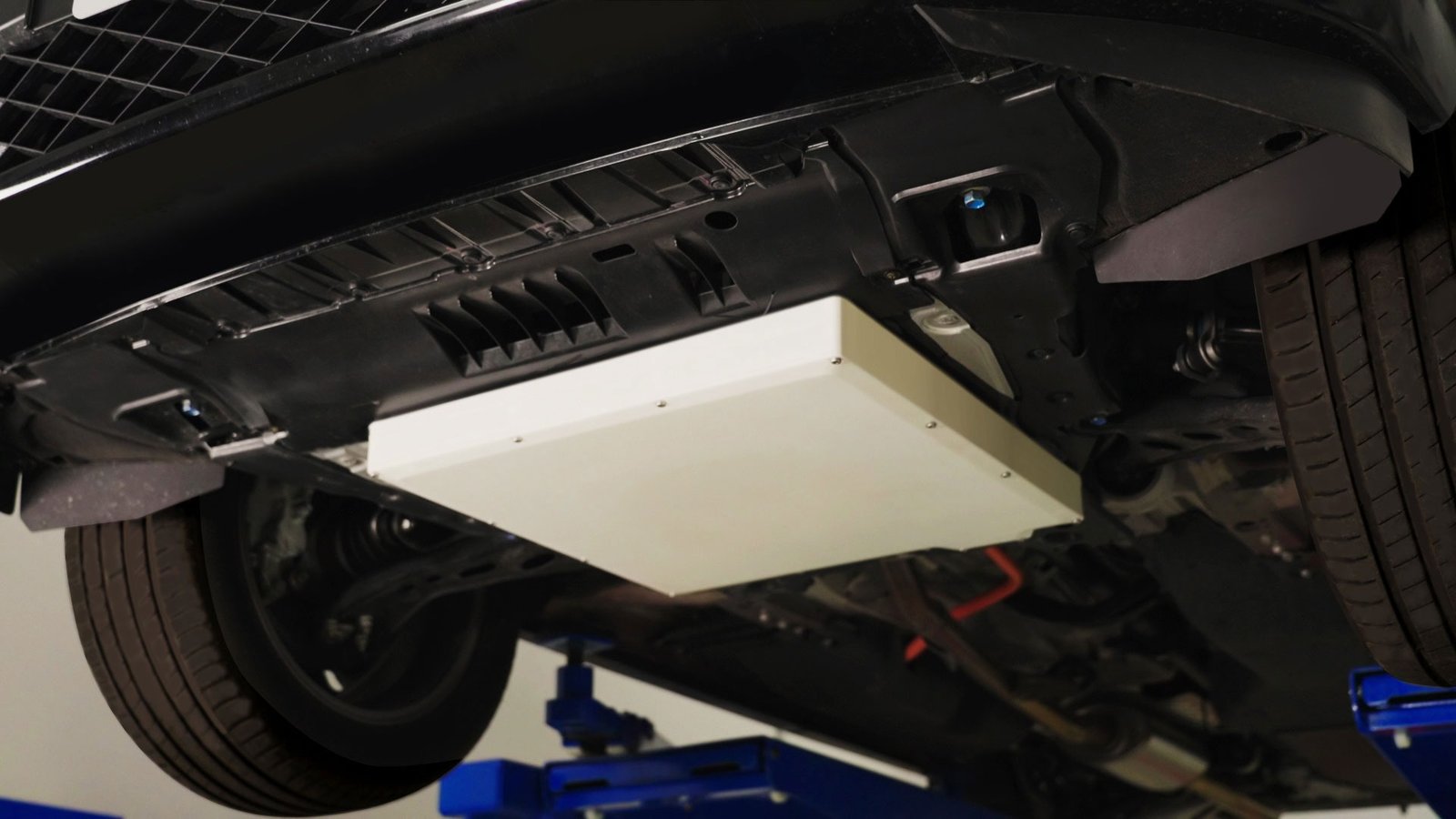
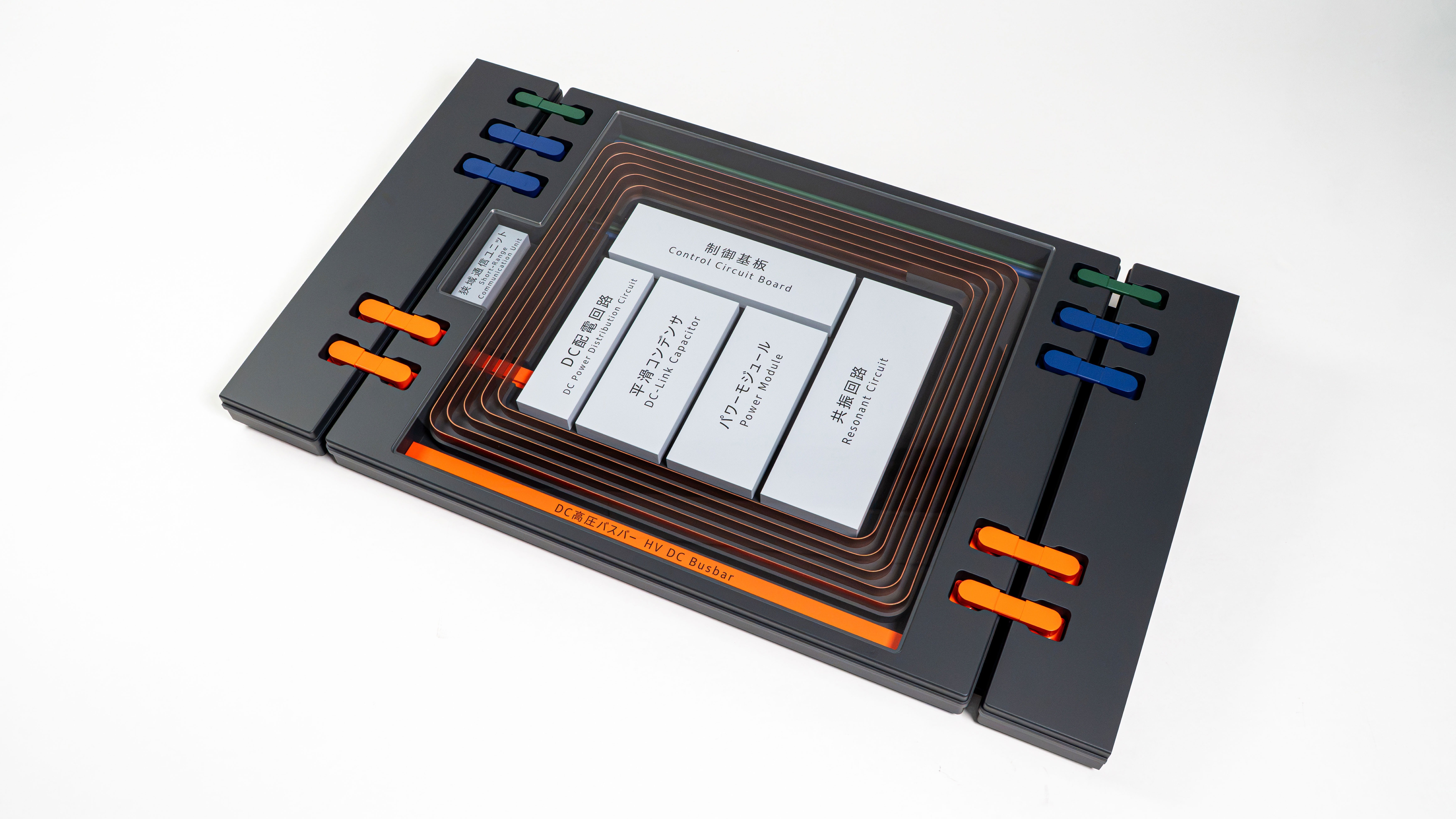
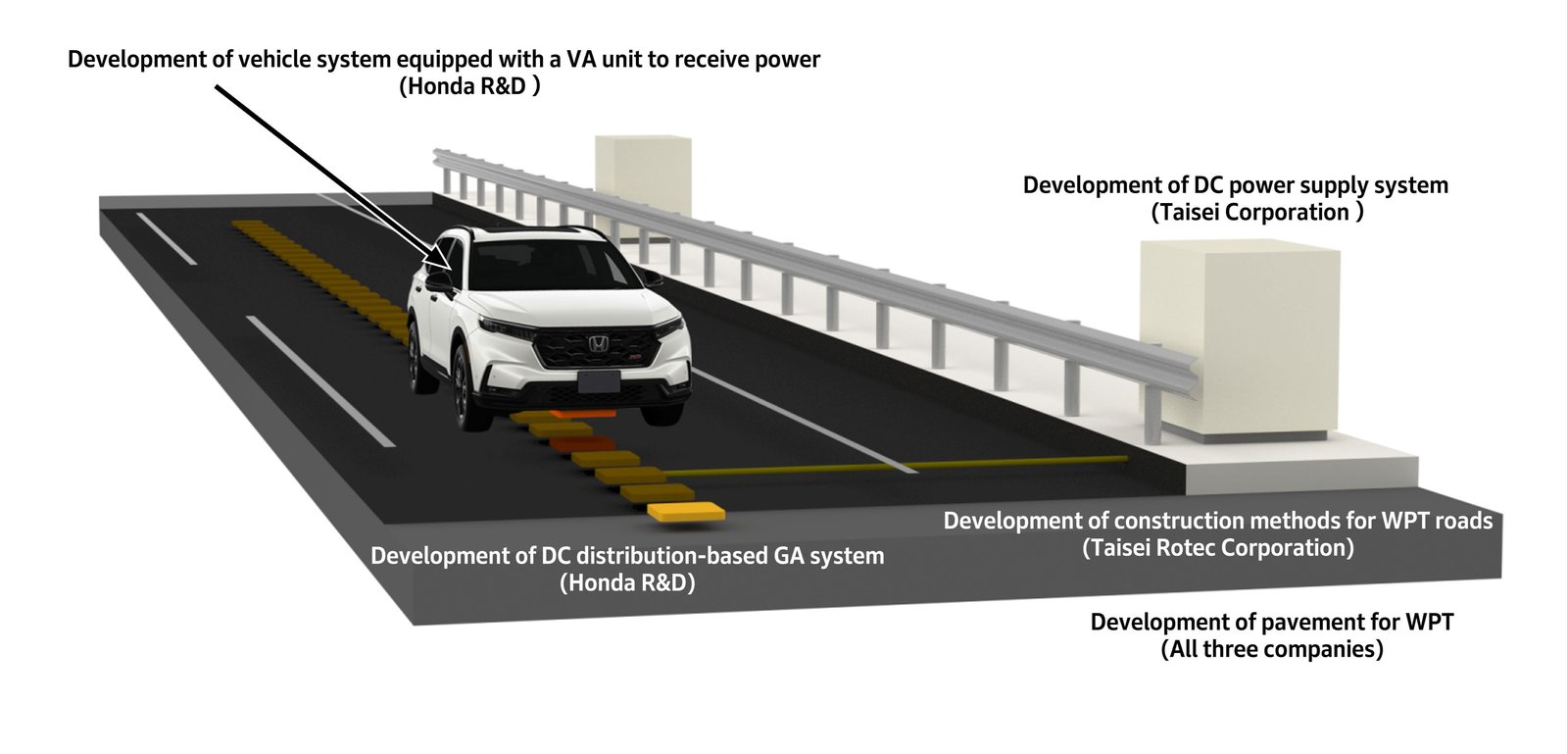
Honda's setup splits the job three ways. Taisei builds the roadside DC power supply. Honda R&D designs both the transmitter units buried in the lane, chained together over a DC link, and the receiver on the vehicle. Taisei Rotec works out how to mill the units into existing pavement so they can also go in during routine resurfacing.
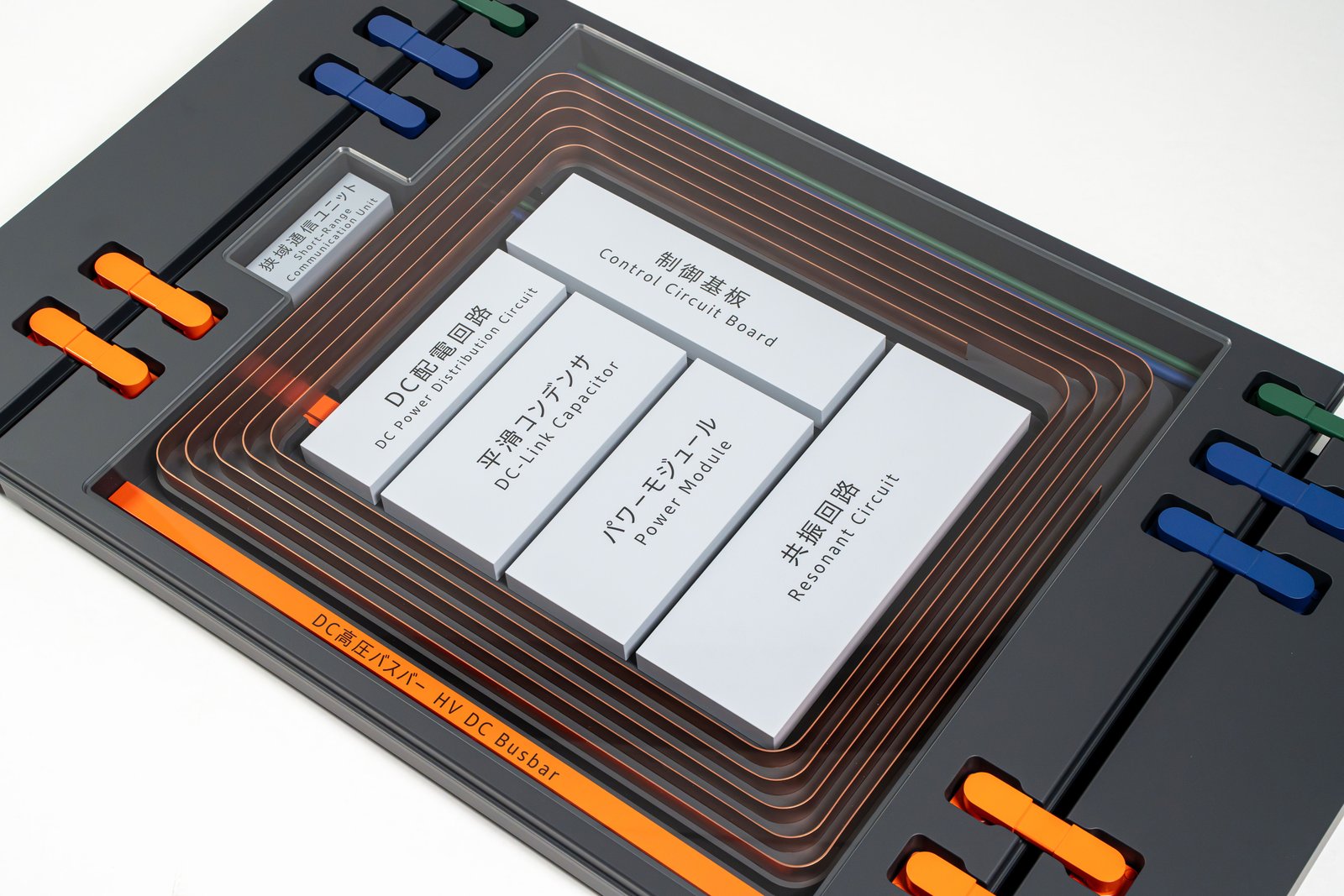
The piece Honda is most eager to talk about is the transmitter. Each buried unit packs the inverter and the coil into one module, which Honda calls a world first among designs publicly disclosed as of late September, based on its own research. Running DC along the road instead of AC also cuts wiring in the buried sections, the company says, so there are fewer parts and less roadwork.
So far, everything has run on a private test road at Taisei's T-FIELD/SATTE facility. The units and pavement there were engineered for trucks with a gross vehicle weight of roughly 20 metric tons (about 44,000 pounds).
Honda says later testing will chase transfer rates of up to 150 kW for big commercial vehicles. That's a target, not a result. The company hasn't said at what speed the system works, how efficient it is, or what a mile of charging road would cost.
Honda and Toyota on the same highway
The public-road phase comes with a rival in the next lane. Honda R&D and Taisei are one of two teams chosen by highway operator NEXCO East for its Tateyama Project, a roughly 300-meter (about 980-foot) test section on the Tateyama Expressway near the Kimitsu parking area in Chiba Prefecture. The other team pairs Toyota with supplier Denso and contractor Obayashi, according to NEXCO East, which calls it Japan's first in-motion charging trial on a live expressway.
NEXCO East also says the coils only energize when they detect a vehicle equipped to receive power. Ordinary traffic driving over them gets nothing.
Before the highway work, Honda and its partners will build a second test road at Taisei's T-FIELD/TAMRA site starting in late 2026. The plan there includes a durability test equal to a million wheel passes at 49 kN (about 11,000 pounds) per wheel, plus charging performance runs and checks for electromagnetic field leakage.
What it means for the US
For now, nothing. Honda hasn't announced plans to test the technology outside Japan or to fit it to any production model. The US does have a small pilot of the same idea: in late 2023, Michigan's transportation department, the City of Detroit, and supplier Electreon opened a quarter-mile wireless charging segment on 14th Street near Michigan Central, according to the city, as part of a five-year electric-road program.
American EV drivers will keep plugging in for the foreseeable future, and the near-term story is the build-out of fast-charging networks such as Ionna, which now has more than 180 US sites. Honda's charging road is a much longer bet. Its first real-world numbers should come once the Tateyama tests start, and Honda plans to show the hardware at Japan Mobility Show Bizweek, October 13–16.