Passport TrailSport vs. 4Runner TRD Off-Road: $5 Apart, and Nothing Alike Underneath
The lifted Passport clears more ground and needs no input from the driver. The 4Runner answers with low range, a locking differential, and 1,000 more pounds of towing.
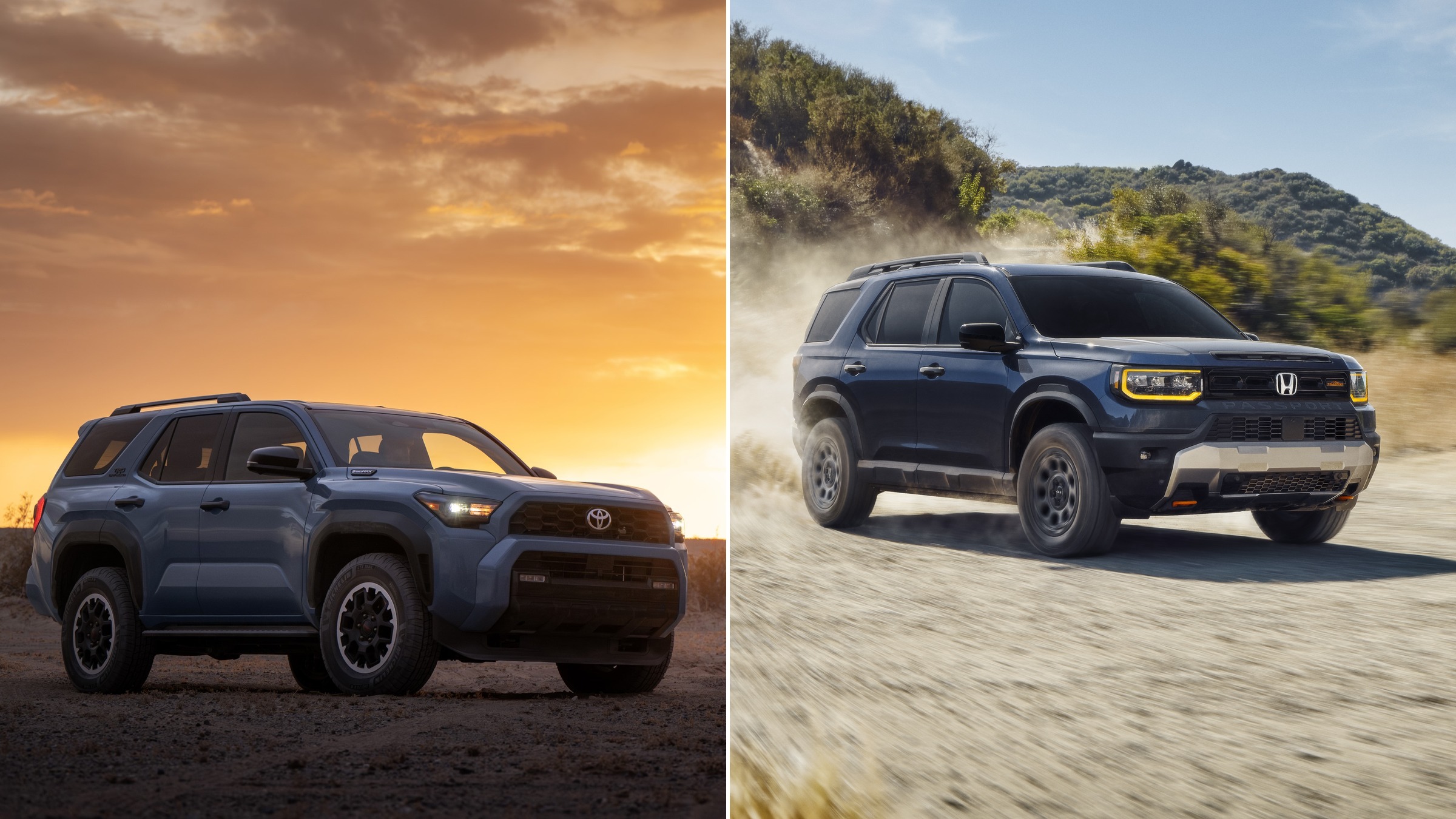
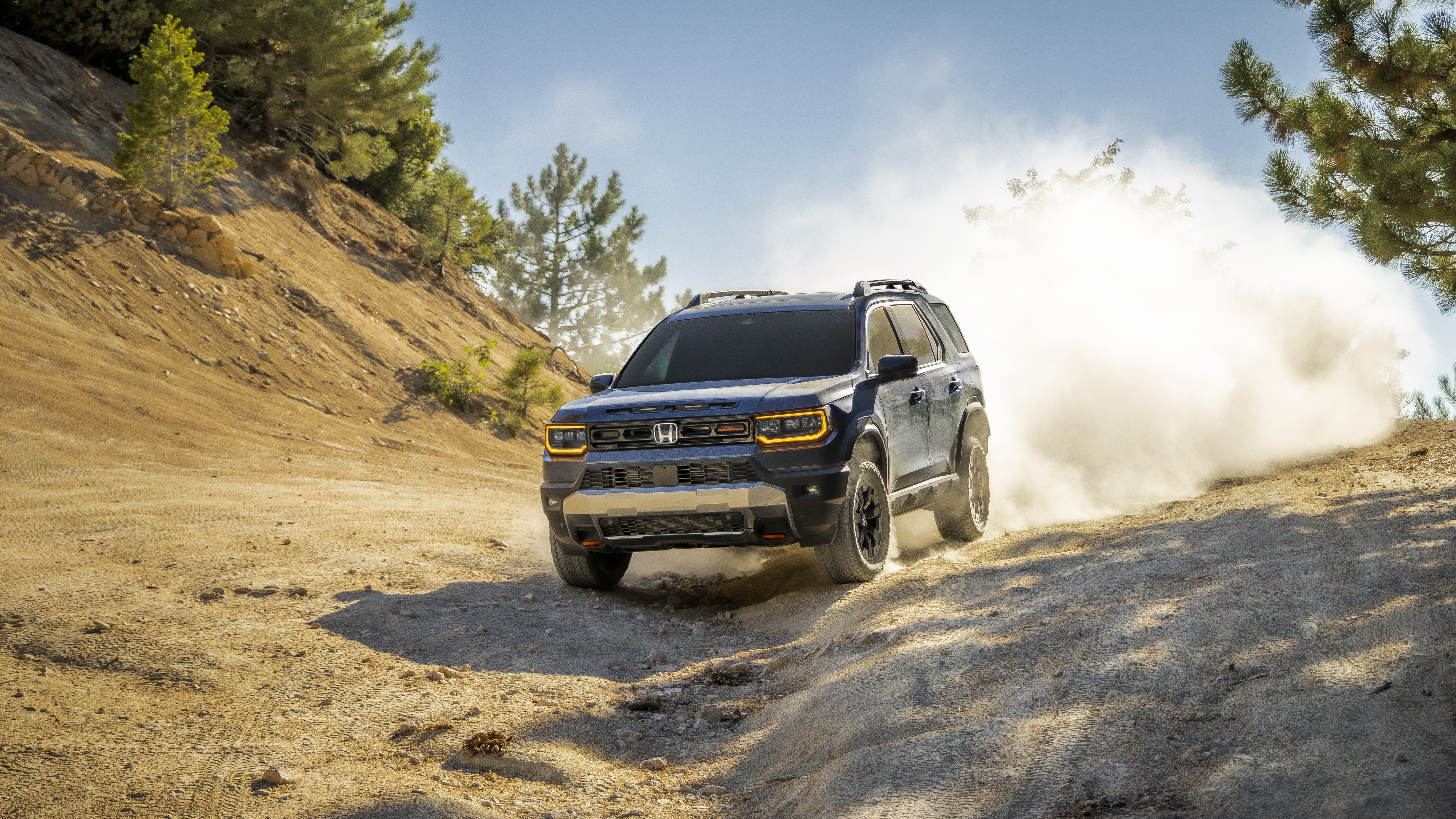
Five dollars separate them. The lifted 2027 Honda Passport TrailSport starts at $49,995, and Toyota lists the 2026 4Runner TRD Off-Road at $49,990. Both are two-row, five-seat SUVs on 18-inch wheels and all-terrain tires, and Honda says outright that it benchmarked the Toyota when it reworked the Passport TrailSport's suspension for 2027.
Under the matching price tags are two different machines. The Honda is a unibody crossover with a V6 and automatic all-wheel drive. The Toyota is a body-on-frame truck with a turbocharged four-cylinder, a low-range transfer case, and a locking rear differential. One caveat on timing: Toyota has not announced 2027 4Runner pricing, so this comparison uses the 2026 model that is on sale now.
Passport TrailSport vs. 4Runner TRD Off-Road: the numbers
| Spec | 2027 Honda Passport TrailSport | 2026 Toyota 4Runner TRD Off-Road |
|---|---|---|
| Base MSRP (before destination) | $49,995 | $49,990 |
| 2027 model-year price | $49,995 (on sale now) | TBA |
| Engine | 3.5-liter V6 | 2.4-liter turbocharged four-cylinder |
| Horsepower | 280 hp | 278 hp |
| Torque | 258 lb-ft | 317 lb-ft |
| Transmission | 10-speed automatic | 8-speed automatic |
| EPA fuel economy (city/highway/combined) | 18/22/20 mpg | 19/25/21 mpg |
| Fuel tank | 18.5 gallons | 19.0 gallons |
| Ground clearance | 9.6 inches | 9.1 inches |
| Approach / departure angle | 25.4 / 25.3 degrees | 19 / 24 degrees |
| Breakover angle | 23 degrees | 24 degrees |
| Drive system | i-VTM4 torque-vectoring all-wheel drive | Part-time four-wheel drive |
| Low range | No | Yes, two-speed transfer case |
| Locking differential | No | Electronic locking rear |
| Tires | 275/60R18 all-terrain | 33-inch all-terrain on 18-inch wheels |
| Maximum towing | 5,000 pounds | 6,000 pounds |
| Cargo behind second row | 44.0 cubic feet | 48.4 cubic feet |
| Cargo with second row folded | 83.2 cubic feet | 90.2 cubic feet |
| Curb weight | 4,676 pounds | 4,850 pounds |
Honda figures come from the company's 2027 Passport specification sheet and price list. Toyota figures are for the 2026 4Runner with the standard i-FORCE engine. Honda adds a $1,595 destination charge. Toyota quoted $1,450 for delivery, processing, and handling when it announced the 2026 4Runner, and that fee can change during a model year, so confirm it on the window sticker.
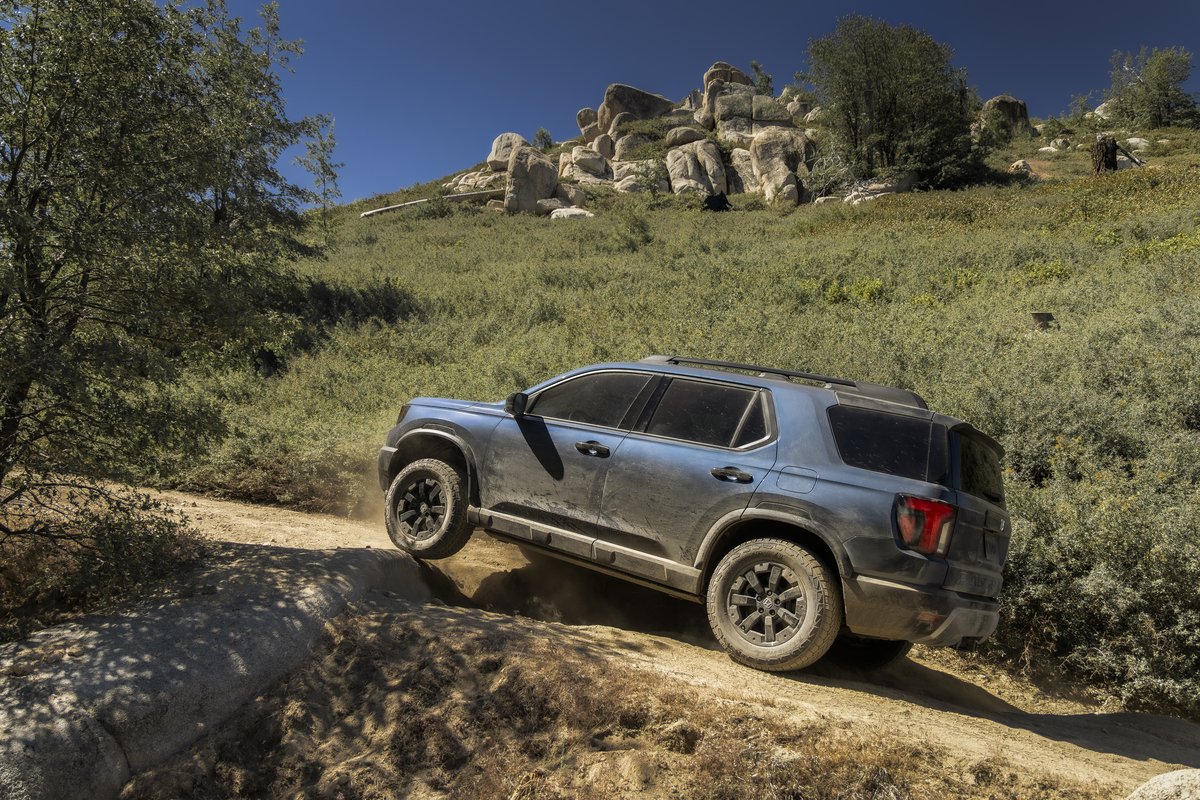
Low range and a locker vs. automatic all-wheel drive
This is the difference that should decide most purchases. The 4Runner TRD Off-Road has a two-speed transfer case with low range and an electronic locking rear differential, plus Multi-Terrain Select and Crawl Control, Toyota's low-speed off-road cruise control. Low range multiplies torque for steep climbs and slow descents. The locker forces both rear wheels to turn together when one loses grip.
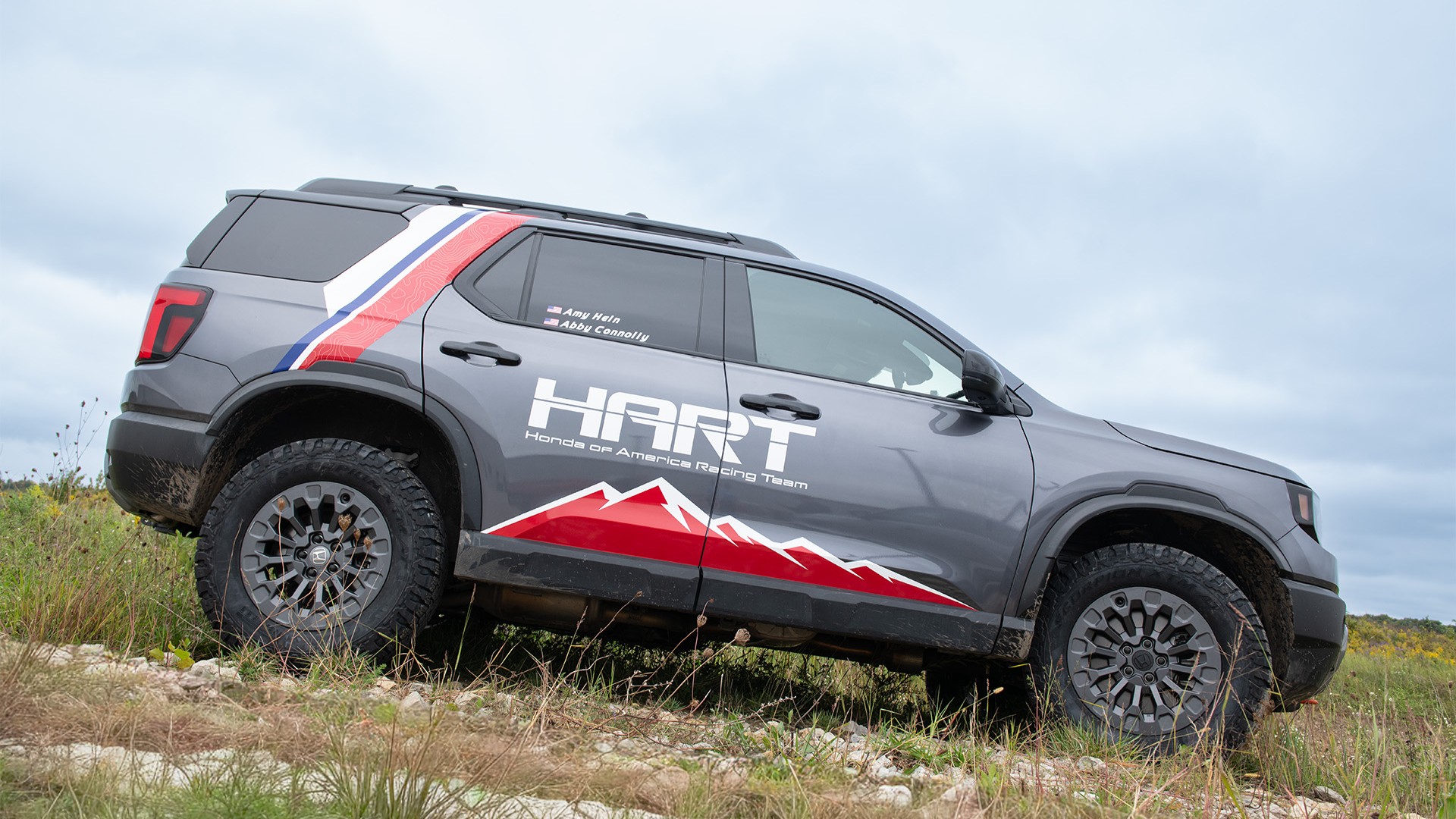
The Passport has neither. Its i-VTM4 system shuffles torque front to rear and side to side across the rear axle on its own, with no lever to pull and no mode to remember. Honda has enough confidence in it to enter a stock TrailSport in the Rebelle Rally. For forest roads, snow, sand, and rutted trailheads, it is the easier system to live with.
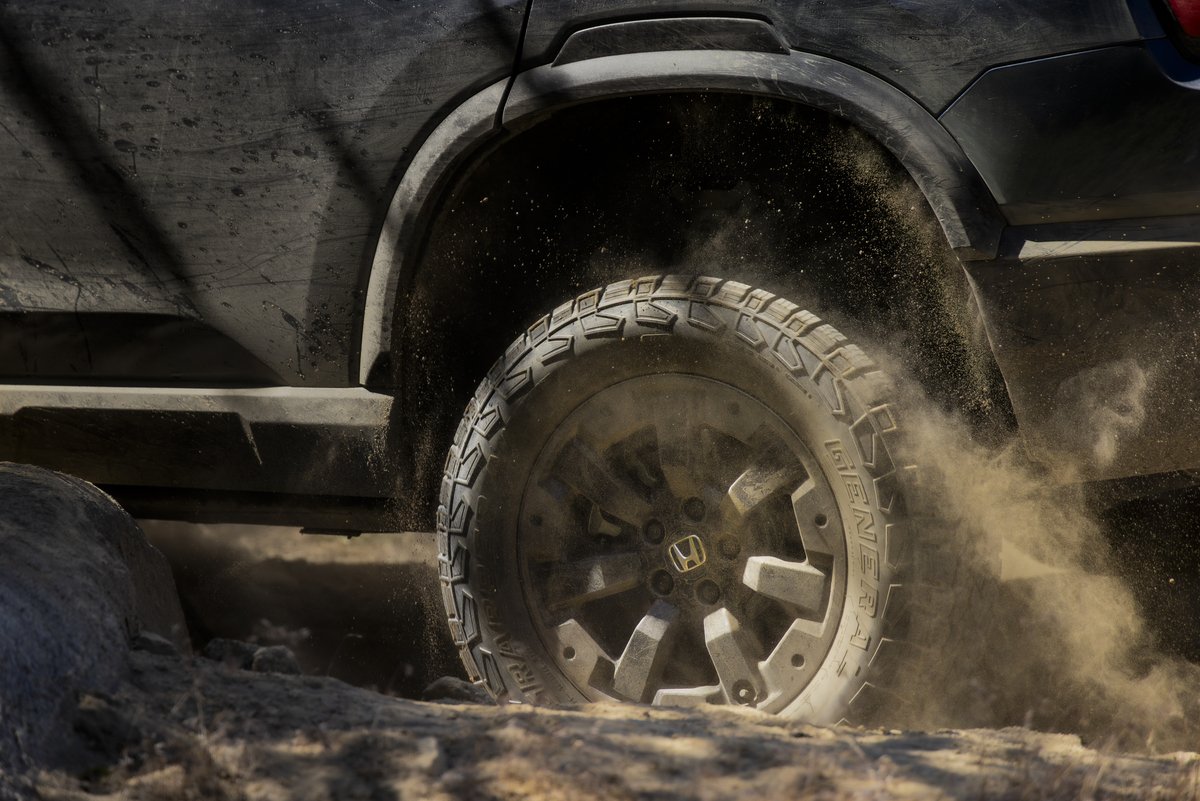
The Toyota's hardware has a cost on pavement. Part-time four-wheel drive is meant for loose or slippery surfaces, so the 4Runner spends dry-road miles in rear-wheel drive, and the driver decides when to engage the front axle. The Honda's system works all the time. Our guide to AWD, 4WD, and winter tires covers why that matters when the road is only partly covered in snow.
Honda has the better angles. Toyota has the better breakover
The 2027 lift gives the Passport the edge in the numbers people quote first. Ground clearance is 9.6 inches against the Toyota's 9.1, and the approach angle is 25.4 degrees against 19. That 19-degree figure is specific to this grade: the 4Runner TRD Pro and Trailhunter reach 33 degrees and 10.1 inches of clearance, at prices starting above $67,000.
Departure angles are close, at 25.3 degrees for the Honda and 24 for the Toyota. Breakover goes the other way, 24 degrees for the 4Runner and 23 for the Passport. The Toyota also rides on taller 33-inch tires. So the Honda is less likely to scrape its nose on the way into an obstacle, and the Toyota has more hardware to keep moving once it is in one.
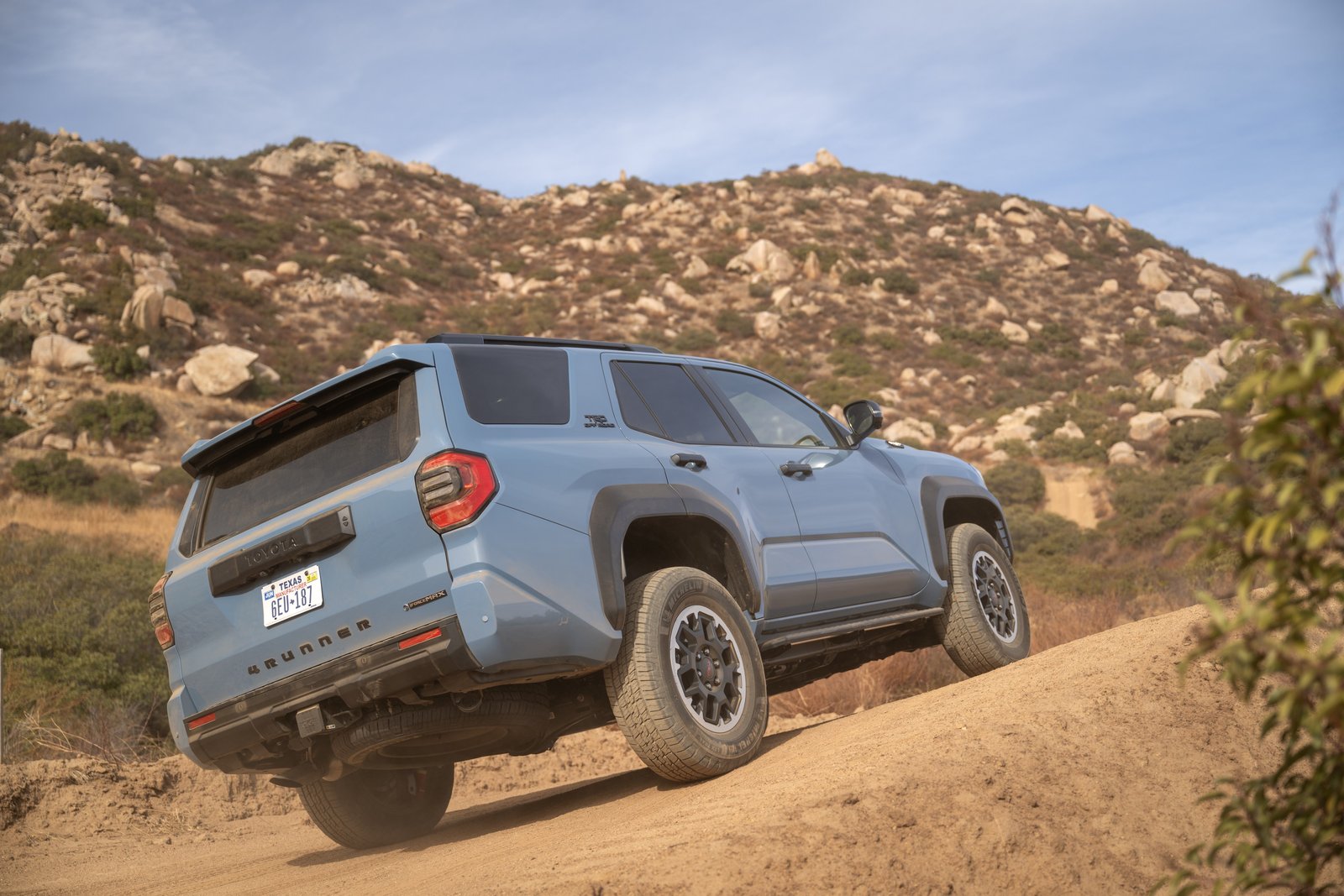
Torque, towing, and fuel
Peak power is a wash, 280 hp to 278. Torque is not. The Toyota's turbo four makes 317 lb-ft, 59 more than the Honda's V6, and the 4Runner is rated to tow 6,000 pounds against 5,000. Honda notes that towing with the Passport requires accessory equipment. The 4Runner shares its frame and engine family with the pickup in our Tacoma vs. Ranger comparison, which is where the towing rating comes from.
The Toyota is also the more efficient of the two, despite the truck frame. It is rated at 21 mpg combined and 25 on the highway. The lifted Passport gets 20 combined and 22 highway, 1 mpg worse on the highway than the 2026 TrailSport, as we reported when Honda released 2027 Passport prices and EPA ratings. On combined ratings and tank size, that works out to roughly 400 miles per tank for the 4Runner and 370 for the Passport. Both run on regular.
The 4Runner also offers something the Passport doesn't: a hybrid. The TRD Off-Road with the i-FORCE MAX powertrain starts at $52,790 and makes 326 hp and 465 lb-ft, with ratings of 23 mpg city and 24 highway.
Space and daily driving
The 4Runner is 3.4 inches longer and holds more behind the second row, 48.4 cubic feet to the Passport's 44. The Passport is 1.4 inches wider, and its unibody structure and independent rear suspension are built for the paved miles that make up most of any SUV's life. The 4Runner's solid rear axle and ladder frame are built for load and abuse. Neither grade offers a third row; Toyota reserves that for the SR5 and Limited.
What we don't know yet
- 2027 4Runner pricing. Toyota has not announced it. The $5 gap in this comparison is between a 2027 Honda and a 2026 Toyota, and it will not survive a typical model-year increase.
- Changes to the 2027 4Runner. Toyota has not detailed them. The current generation arrived for 2025.
- Passport TrailSport height. Honda's specification sheet still lists the lifted model's overall height as TBD, which matters for garages and roof racks.
Which one should you buy?
Start with how you'll use four-wheel drive, not with the price, since the price is the same.
Buy the Passport TrailSport if your off-pavement driving means dirt roads, snow, beach access, and trailheads, and the rest of the week is commuting. It needs no input from the driver, it clears more ground at the nose, and it now includes the TrailWatch cameras and a heated steering wheel as standard. Honda says more than 80% of Passport buyers already choose a TrailSport.
Buy the 4Runner TRD Off-Road if you expect to need low range: steep, rocky, slow terrain, or a boat ramp with a 5,500-pound trailer attached. It tows more, carries more, uses slightly less fuel, and has a hybrid option. You accept a part-time system that needs managing and a truck's road manners in return.
If you're leaning toward the Toyota and can wait, the missing 2027 price is worth a few weeks of patience. If you're leaning toward the Honda, there is nothing left to wait for. The 2027 model is at dealers now.