Mercedes Doubles Down on NVIDIA for Its Next Self-Driving Systems — and Its S-Class Robotaxi
The expanded deal puts NVIDIA’s Hyperion hardware and Alpamayo software at the core of Mercedes’ next driver-assist systems — and its Level 4 S-Class plans.
Mercedes-Benz is sticking with NVIDIA for the next round of its self-driving push. The two companies said on October 16 that they will jointly develop Mercedes' next generation of driver-assistance and automated driving systems, built on NVIDIA's Hyperion compute and sensor hardware, its Alpamayo driving software, and its Halos safety platform.
The expanded agreement spans parking, active safety, and point-to-point city assistance, and it reaches all the way to future SAE Level 4 applications, including what Mercedes calls "robolimousines." That is well beyond anything on our list of every hands-free driving system sold in the US, all of which still require the driver to watch the road.
What's actually new
The companies aren't starting from scratch. NVIDIA's DRIVE AV software already powers MB.Drive Assist Pro, the Level 2 system Mercedes unveiled at CES in January on the electric CLA. That setup uses about 30 sensors, including ten cameras and five radars, plus a computer rated at up to 508 TOPS, electrive reported. Mercedes said it would reach US buyers later in 2026 at $3,950 for three years.
The new deal moves future systems onto NVIDIA's full Hyperion reference architecture instead of just its chips and software. Mercedes' MB.OS operating system runs on top and handles over-the-air updates. Halos, according to the automaker, adds a parallel safety stack: a second, independent layer meant to catch mistakes made by the AI driving model.
Outside the car, Mercedes will also use NVIDIA technology for engineering simulation and for AI tools inside MO360, its digital production system.
The robotaxi angle
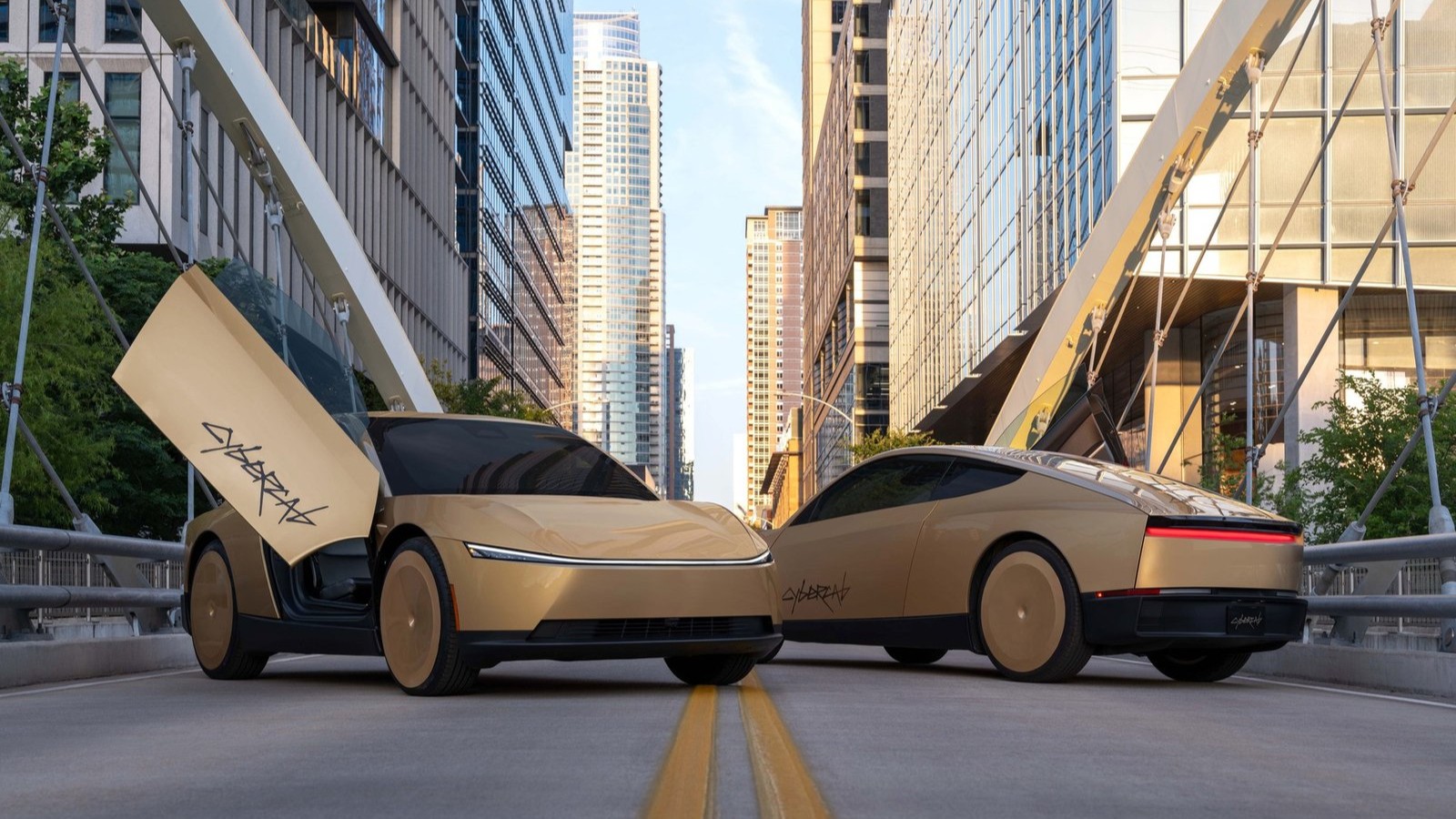
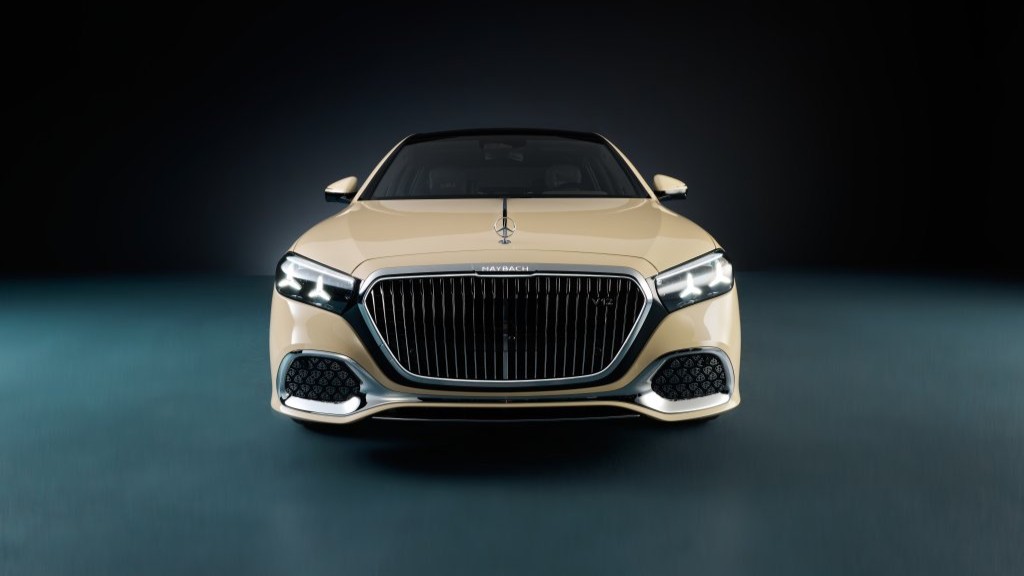
"Robolimousine" points straight at the S-Class. Mercedes revealed the updated sedan in January with a Level 4-ready architecture on NVIDIA hardware. In February, it said NVIDIA and Uber would build a robotaxi platform around the car, with the first test vehicles due on public roads in Abu Dhabi later this year, according to Automotive Fleet. That would put a Mercedes in a market Waymo dominates today, as our look at how Tesla's Cybercab compares with Waymo shows.
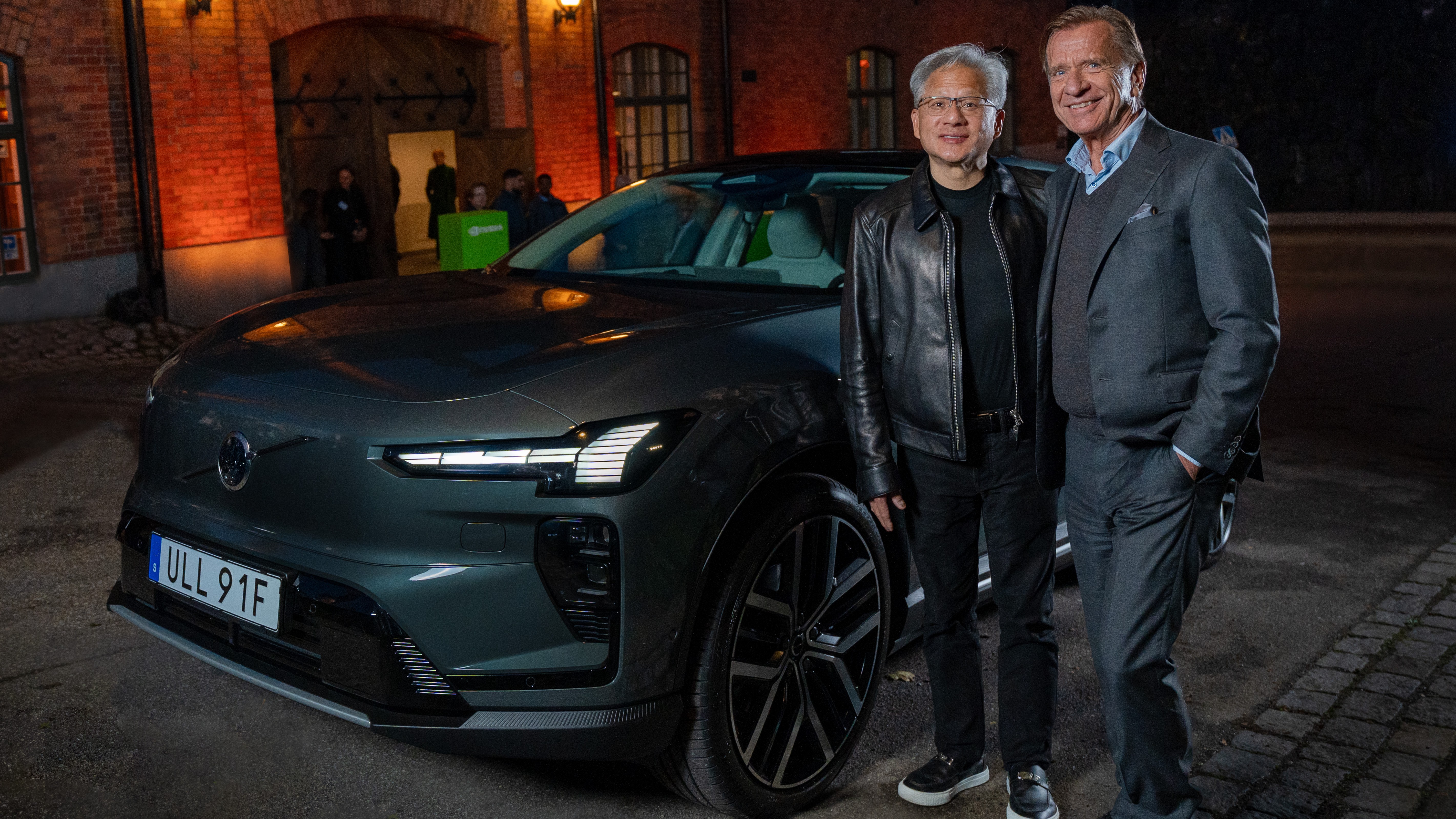
The timing is telling, too. Volvo signed up for the same Hyperion, Alpamayo, and Halos package a day earlier, in a deal we covered in our story on Volvo's own NVIDIA deal. With two premium brands on one supplier's stack, the differences will come down to tuning, safety validation, and how much each automaker lets the system do on its own.
Mercedes CTO Jörg Burzer called NVIDIA the company's most important strategic partner in automated driving. The company currently has no eyes-off system on sale in the US, after pausing its Level 3 Drive Pilot in January.
What we don't know
Mercedes and NVIDIA haven't said which models get the new systems first, when production starts, how long the agreement runs, or what it's worth. They also didn't say whether Drive Pilot will return in a new form or when the public might ride in an S-Class robotaxi. The announcement's own framing, "in the next decade," suggests the biggest milestones are still years away.