Tesla Robotaxis Accused of Speeding Through School Zones: What NHTSA Has Actually Opened
NHTSA has opened a defect petition, not an investigation, over claims that Tesla’s driverless cars exceed school-zone speed limits. The agency has until late January to decide what comes next.
Federal safety regulators have opened a file on a claim that Tesla's driverless cars speed past schools. It is not an investigation, at least not yet. On October 9, NHTSA's Office of Defects Investigation opened a defect petition, DP26010, to decide whether the allegation deserves one.
The distinction is the same one that applied in September, when the agency began auditing how Tesla certified the Cybercab: an open file is not a finding. Nothing in the new document says a Tesla robotaxi broke a speed limit. It says someone alleges it.
What the document says
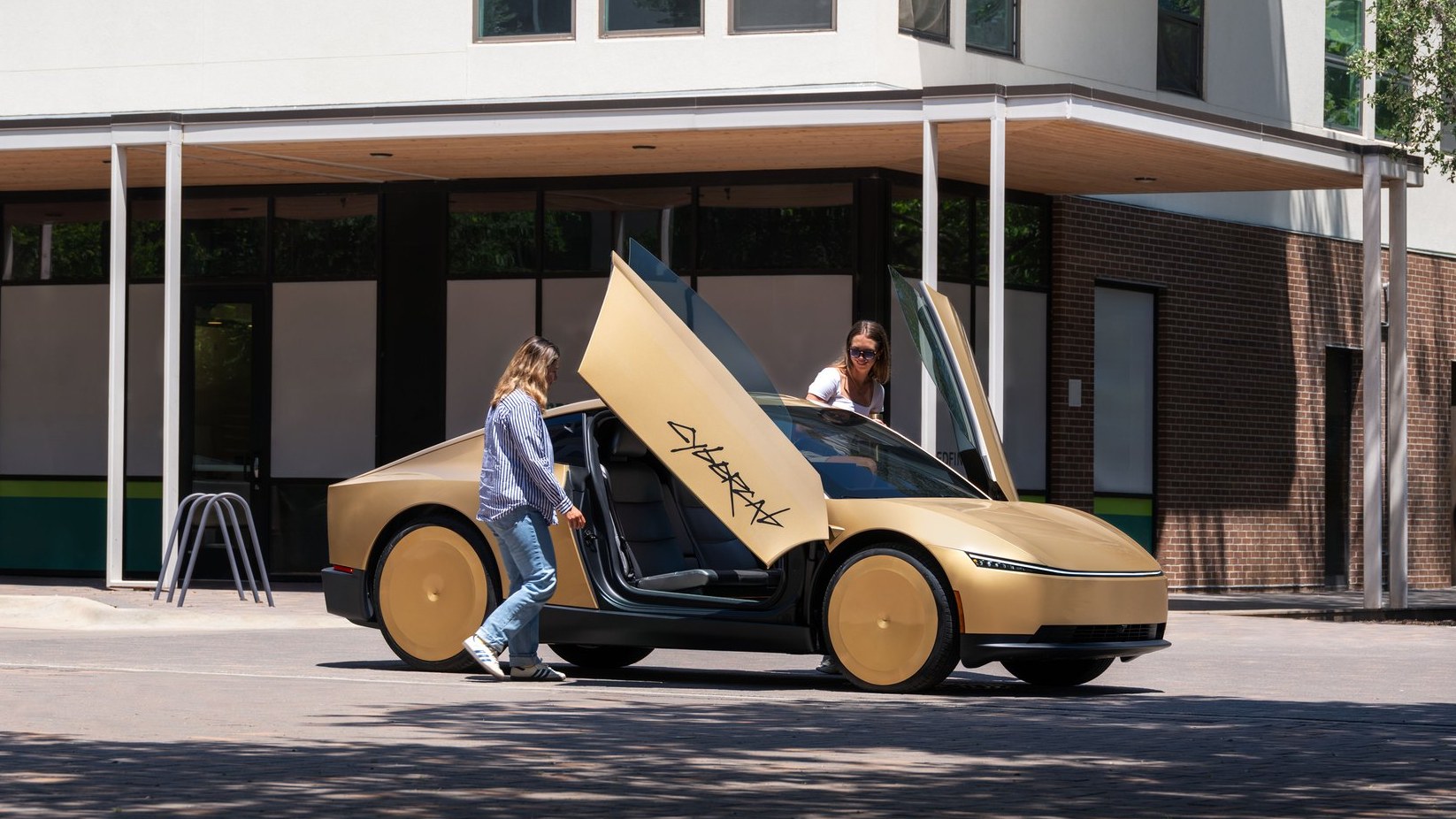
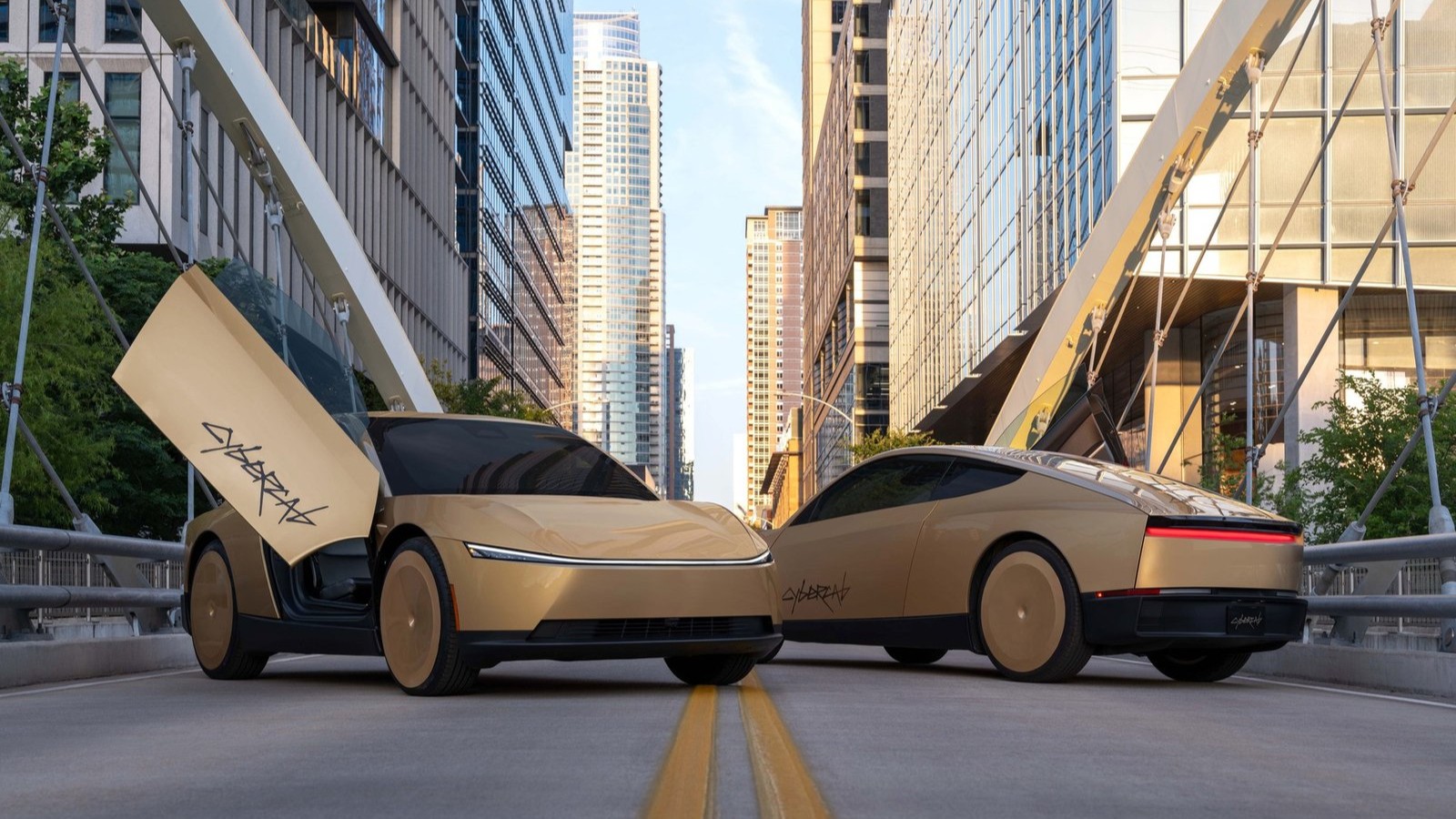
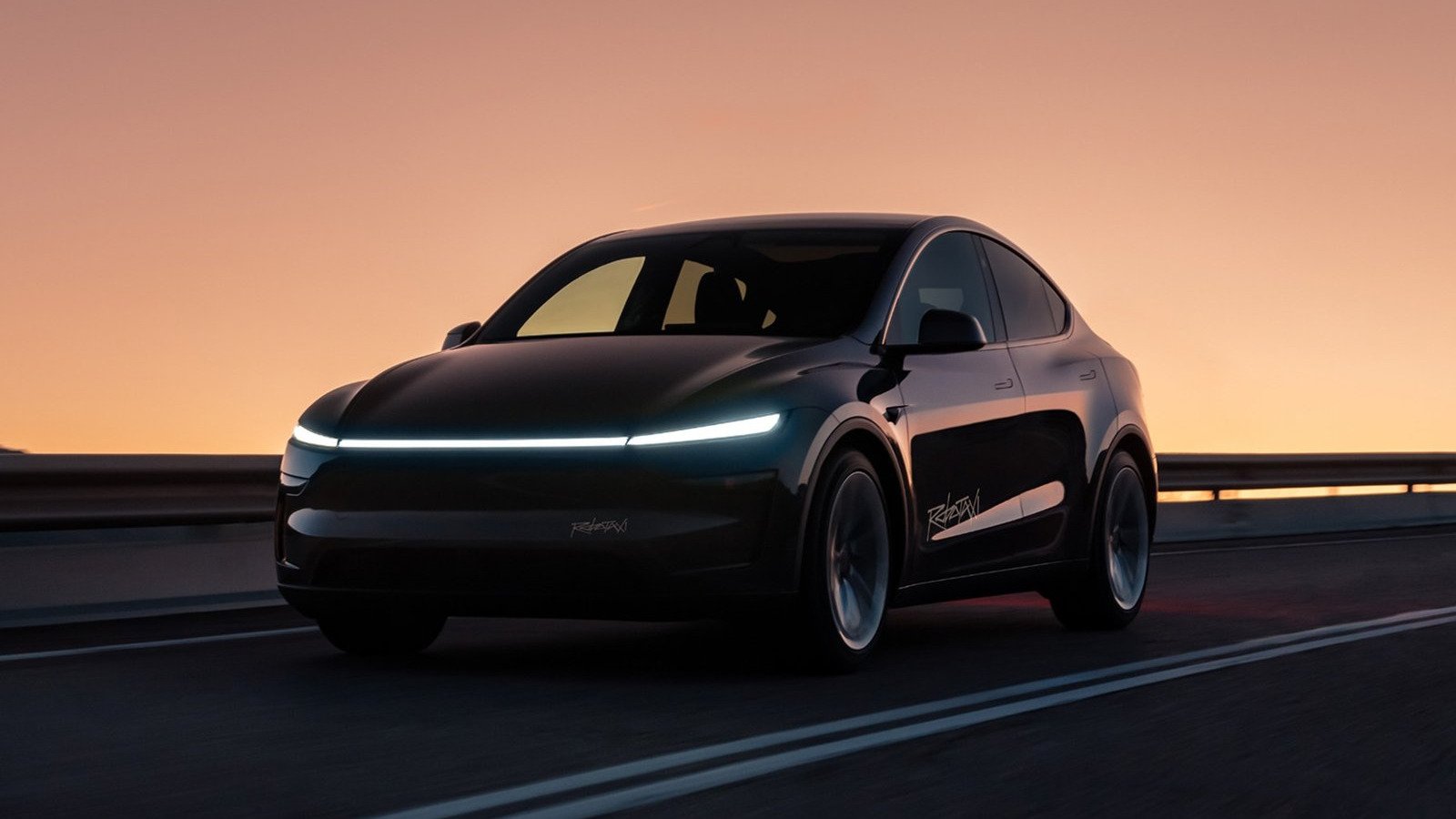
According to the agency's one-page summary, the petition arrived on September 23. It asks for an investigation of model-year 2026 Tesla Robotaxis, both the Model Y and the Cybercab, running with the Automated Driving System engaged. The petitioner alleges the system exceeds posted speed limits in active school zones.
The supporting evidence is three links to video footage. The summary records no crashes, no injuries, and no deaths.
NHTSA puts the affected population at an estimated 1,000 vehicles, the same round figure it used for the Cybercab audit. That is well above what state paperwork showed a month earlier: in early September, Texas records listed 420 registered Tesla autonomous vehicles, 45 of them Cybercabs, as we noted when Cybercab rides opened to the public in Austin. How many of those cars carry riders on a given day, the document doesn't say.
What happens next
ODI will evaluate the claims and either grant the petition, which would open a defect investigation, or deny it. Federal rules put a clock on that choice. Under 49 CFR 552.8, NHTSA is to notify a petitioner of its decision within 120 days of receiving the petition. Counted from September 23, that lands on January 21, 2027.
Even a granted petition would be a first step, not a verdict. A defect investigation can lead to a recall, or it can be closed without one.
The petition also arrives while Tesla has other questions pending at the same agency. On September 10, NHTSA sent the company a Special Order with 21 requests about how a car with no steering wheel or pedals meets federal standards, with sworn answers due September 30. The agency has not published Tesla's responses, according to Electrek.
What we don't know
The summary does not name the petitioner; the petition itself is filed on NHTSA.gov under ODI number 11766676. It does not say where the videos were recorded or how far over the limit the cars are alleged to have gone. As of September, Tesla ran driverless service in six cities, with the Cybercab limited to Austin, as our Cybercab and Waymo comparison lays out. Tesla has not issued a public statement on the petition.
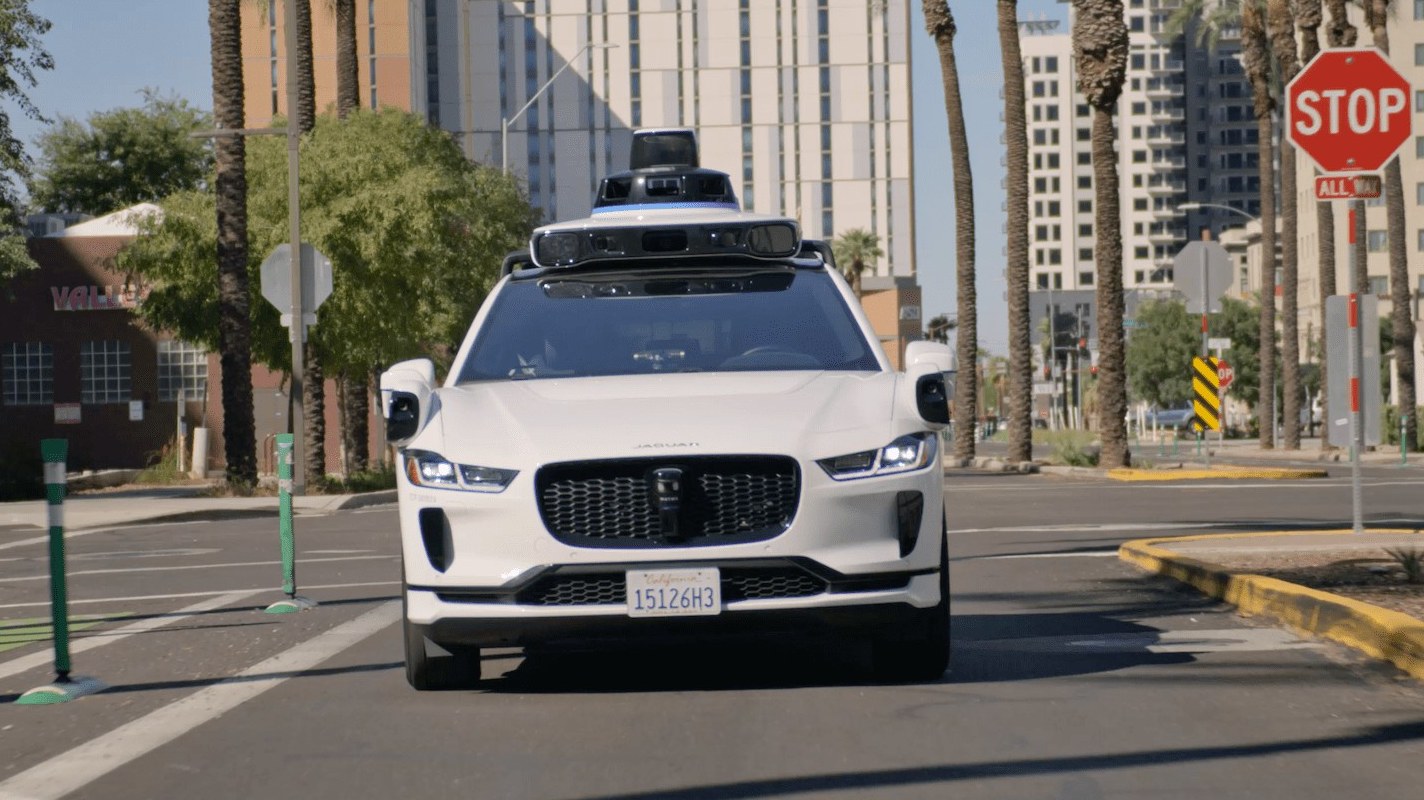
Tesla would not be the first robotaxi operator to face scrutiny around schools. In December 2025, Waymo announced a voluntary software recall after the Austin Independent School District documented 19 instances of its vehicles illegally passing stopped school buses, NPR reported. That recall followed an NHTSA investigation opened two months earlier.
Tesla's case is at an earlier stage: one petition, three videos, and a decision still to come.