Palisade Hybrid vs. Grand Highlander Hybrid: Which Costs Less to Own Over 5 Years?
Both are rated at 34 mpg and start near $47,000 with destination. We ran five years of fuel, interest, and warranty math to see which costs less to live with.
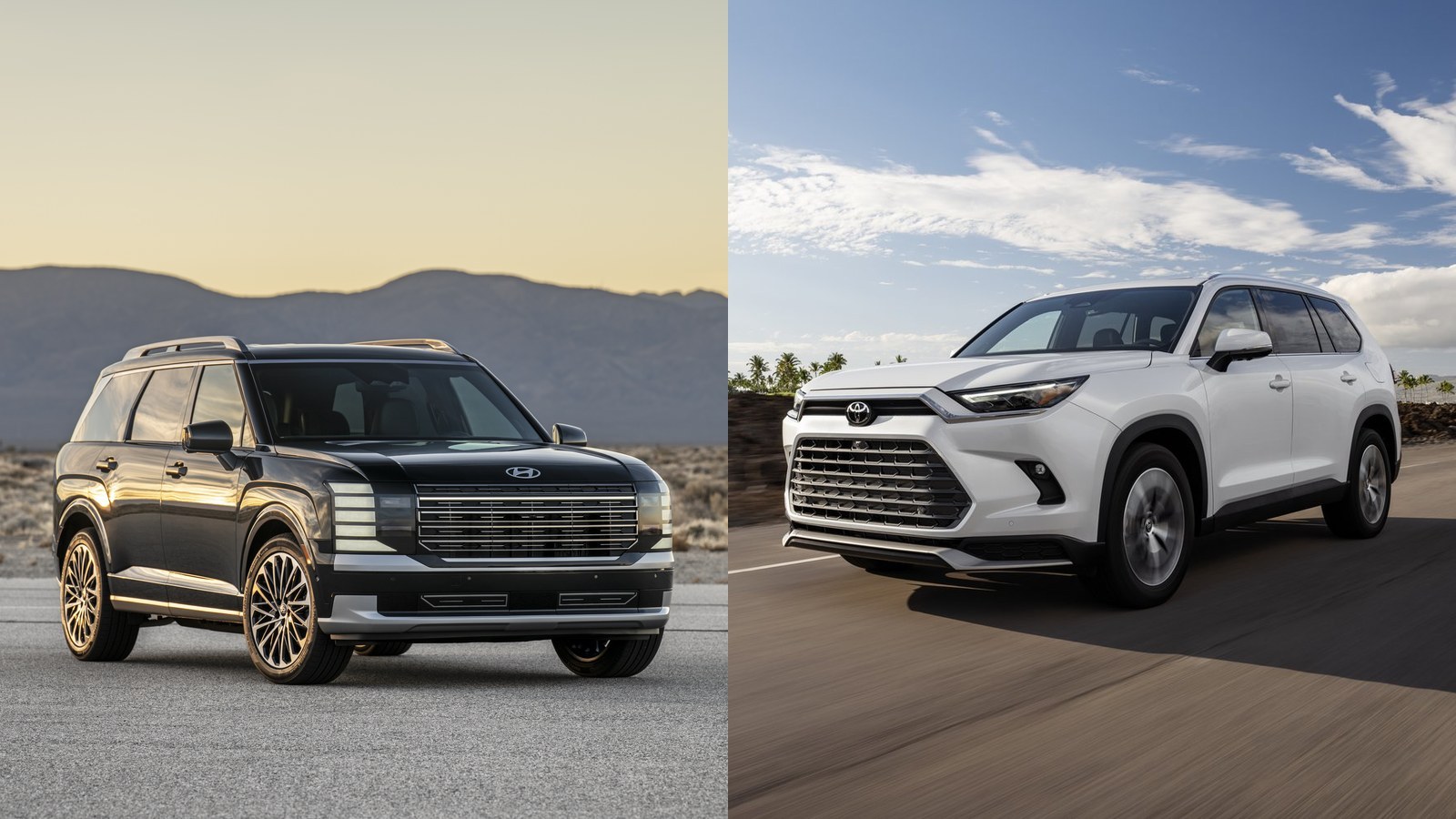
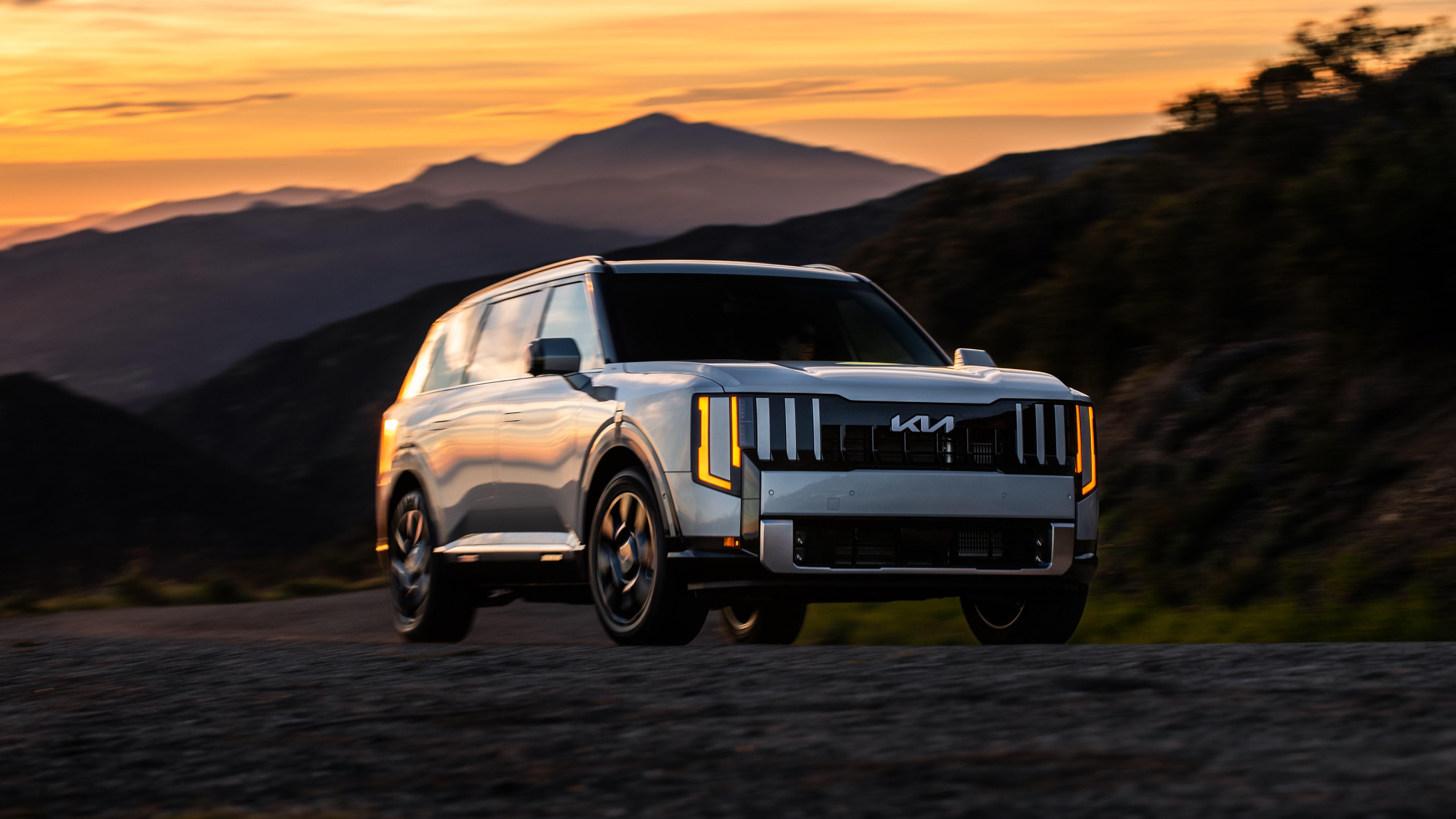
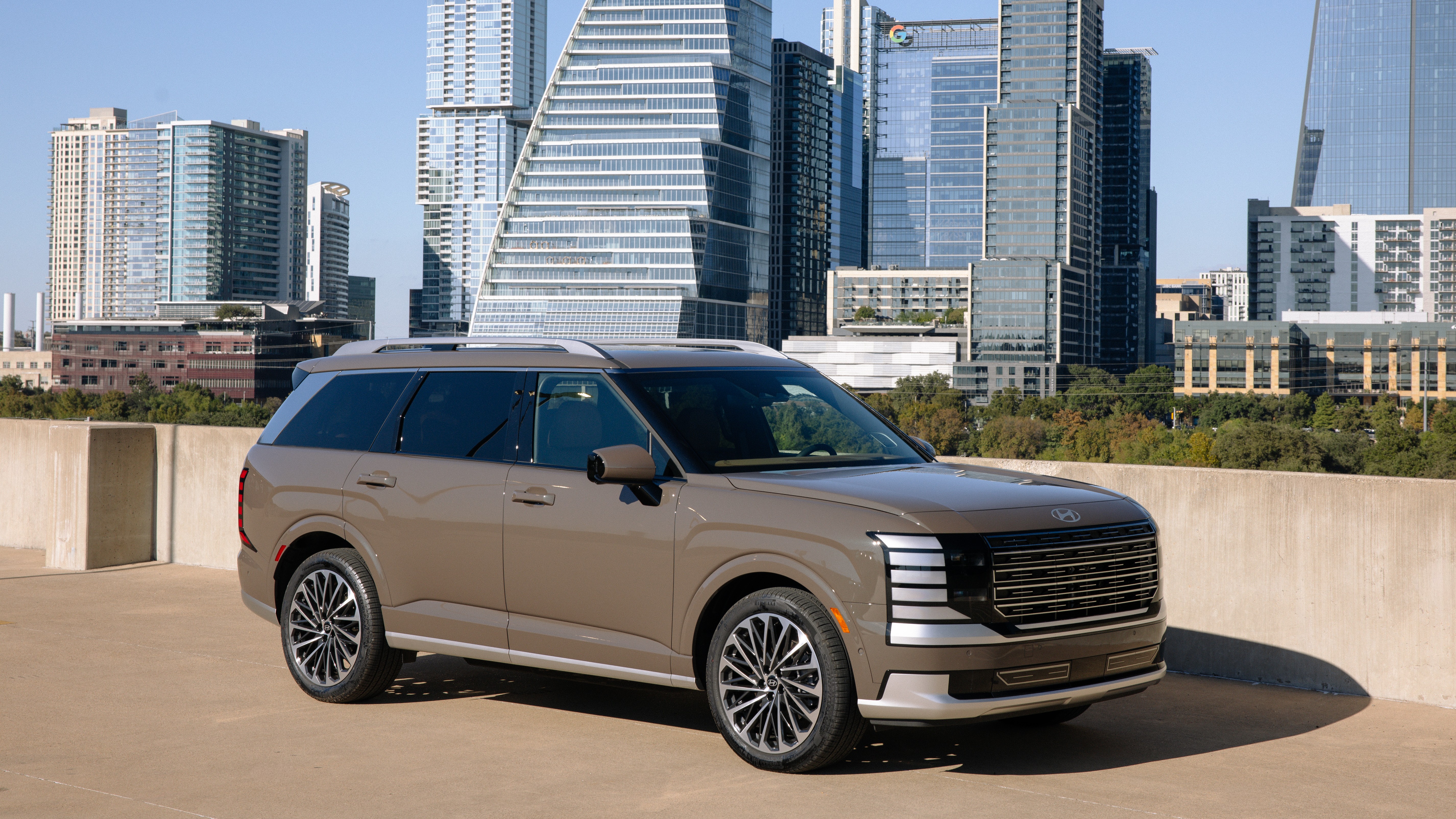
Hyundai and Toyota now sell the two most-watched three-row hybrids in America, and on paper they could hardly be more different. The Palisade Hybrid brings 329 hp, a six-speed automatic, and a Wards 10 Best Engines trophy. The Grand Highlander Hybrid answers with 245 hp, a CVT, and the roomiest third row in the class. Both are rated at 34 mpg combined with all-wheel drive, and both start within $1,100 of each other once destination fees are added.
This is a two-car money comparison. If you are still deciding among the Telluride, the Santa Fe, and the Mazda CX-90, start with our wider three-row hybrid buying guide. Here, we take each SUV's current price, EPA rating, and the AAA national gas average, and run the five-year math at 15,000 miles a year.
One housekeeping note before the table. Hyundai's website has already moved to the 2027 Palisade Hybrid, which is the car in dealer stock now, with 2026 leftovers carrying extra cash. Toyota is still selling the 2026 Grand Highlander; the 2027 version adds $300 to entry prices and a Woodland trim, and reaches dealers before the end of the year. The figures below are the ones you can actually buy today.
Specs compared
| 2027 Hyundai Palisade Hybrid | 2026 Toyota Grand Highlander Hybrid | |
|---|---|---|
| Base MSRP | $44,560 (SEL FWD); $46,560 (SEL AWD) | $45,610 (Hybrid LE, AWD standard) |
| Destination fee | $1,600 | $1,495 |
| Base price with destination (AWD) | $48,160 | $47,105 |
| Top trim | Calligraphy Black Ink, $57,680 FWD / $59,680 AWD | Hybrid MAX Platinum, $60,175 |
| Powertrain | 2.5L turbo four + motor, 6-speed automatic | 2.5L four + motors, CVT (Hybrid MAX: 2.4L turbo + motor, 6-speed) |
| Output | 329 hp / 339 lb-ft | 245 hp (Hybrid MAX: 362 hp / 400 lb-ft) |
| EPA combined, FWD | 34 mpg (SEL, SEL Premium); 31 mpg (Limited and up) | 36 mpg (XLE) |
| EPA combined, AWD | 30 mpg | 34 mpg; Hybrid MAX 27 mpg |
| Fuel tank / range | 18.2 gal; 619 miles (Hyundai estimate, SEL FWD) | 17.2 gal; about 585 miles at 34 mpg, our math |
| Max towing | 4,000 lb | 3,500 lb (Hybrid MAX: 5,000 lb) |
| Seats | 7 or 8 | 7 or 8 |
| Third-row legroom | 32.1 in | 33.5 in |
| Cargo behind third row | 19.1 cu ft | 20.6 cu ft |
| IIHS 2026 | Top Safety Pick+ (2026 models built after Nov. 2025) | No 2026 award; Good in both updated crash tests, Acceptable small overlap and headlights |
| NHTSA overall | TBA | TBA |
| Basic / powertrain warranty | 5 yr/60,000 mi / 10 yr/100,000 mi | 3 yr/36,000 mi / 5 yr/60,000 mi |
| Hybrid battery warranty | 10 yr/100,000 mi | 10 yr/150,000 mi |
| Fuel, 5 years at 15,000 mi/yr, AWD | $10,738 at 30 mpg | $9,475 at 34 mpg |
| Purchase + fuel, 5 years, base AWD | $58,898 | $56,580 |
| October finance offer | 3.9% APR for 60 months + $750 cash (2027); $1,500 cash on 2026 SEL; through Nov. 2 | Regional; 5.94% for 60 months in Southeast Toyota states through Nov. 2 |
| Sales, Jan.–Sept. 2026 | 98,682 (all Palisades, +6%) | 108,511 (all Grand Highlanders, +8.7%) |
Prices are MSRP before destination unless noted. Fuel math uses the AAA national average of $4.30 for regular on October 19. Sources: Hyundai's 2027 Palisade Hybrid page, Toyota's 2027 Grand Highlander announcement, and the IIHS ratings pages.
The fuel math: a $1,263 gap that depends on one choice
The Palisade Hybrid is the more efficient car only if you skip all-wheel drive. A front-drive SEL is rated at 34 mpg combined, the same figure as every all-wheel-drive Grand Highlander Hybrid. Add HTRAC and the Hyundai drops to 30 mpg; the Toyota holds 34 with AWD because it uses a rear electric motor rather than a driveshaft.
At $4.30 a gallon and 15,000 miles a year, that four-mpg difference is 59 gallons, or $253 a year. Over five years it comes to $1,263, roughly the price of a set of tires. Pick the front-drive Palisade and the fuel bill is identical to the Toyota's: $9,475 over five years for both.
The mechanical all-wheel drive is precisely what Wards rewarded when it put the Palisade's powertrain on its 10 Best list, and it is why the Hyundai feels like a conventional SUV on a slippery road. Buyers in snow states are paying about $21 a month in fuel for that.
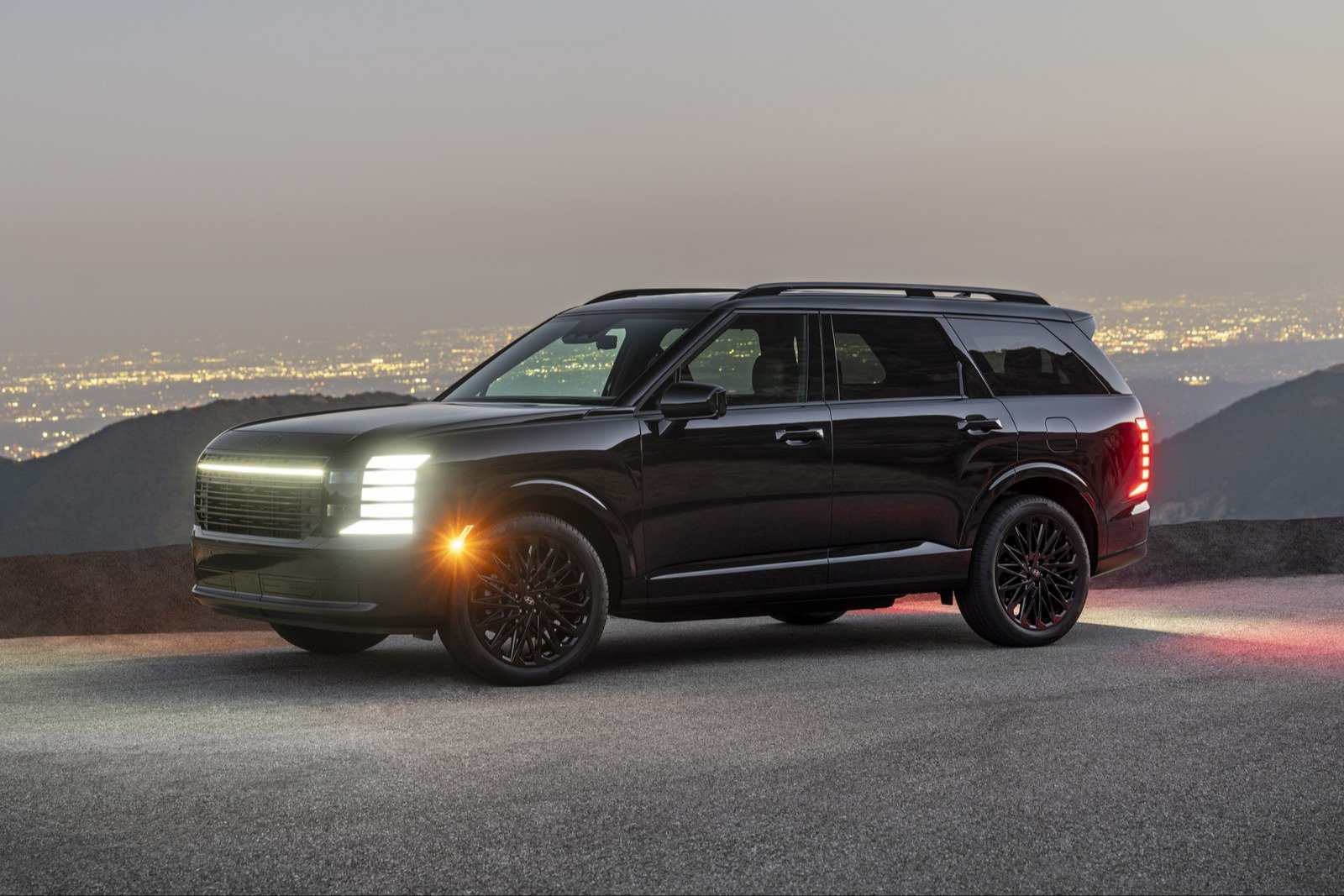
Where the Palisade wins outright is range. Hyundai's 18.2-gallon tank and the 34-mpg front-drive rating produce the 619-mile estimate the company keeps quoting. The Toyota's 17.2-gallon tank yields about 585 miles at 34 mpg by our math; Toyota does not publish a range figure.
Price and interest: Hyundai's October offer flips the result
On sticker, the Toyota is cheaper. A Grand Highlander Hybrid LE with its standard all-wheel drive is $47,105 with destination, $1,055 below an all-wheel-drive Palisade Hybrid SEL at $48,160. Add the fuel gap and the Toyota's five-year purchase-plus-fuel total is $56,580 against $58,898 for the Hyundai, a $2,318 edge.
Financing changes the picture. Hyundai is advertising 3.9% APR for 60 months on the 2027 Palisade Hybrid, plus $750 bonus cash, through November 2, according to current offer listings. Toyota's incentives are set by region, and in Southeast Toyota states the Grand Highlander Hybrid is listed at 5.94% for 60 months through the same date. Finance the full price over five years and the Hyundai buyer pays about $4,926 in interest, the Toyota buyer about $7,456. That $2,530 difference, plus the $750 cash, is bigger than the Toyota's entire sticker-and-fuel advantage.
Two caveats. Toyota's rate in your ZIP code may be lower, and the Hyundai offer expires in two weeks. Cash buyers should take the Toyota's number at face value; buyers financing through the captive lender should run the APR before anything else.
The 2026 Palisade Hybrid SEL still in stock carries $1,500 in cash instead of $750, and the sticker was $900 lower than the 2027's, so a leftover is the cheapest way into either car right now.
Space, towing, and the things that don't show up in the math
Toyota's third row has 33.5 inches of legroom to the Hyundai's 32.1, and 20.6 cubic feet of cargo behind it against 19.1. Those are small numbers that matter every day with teenagers or a stroller. Toyota also says the Grand Highlander swallows seven carry-on bags with all three rows up.
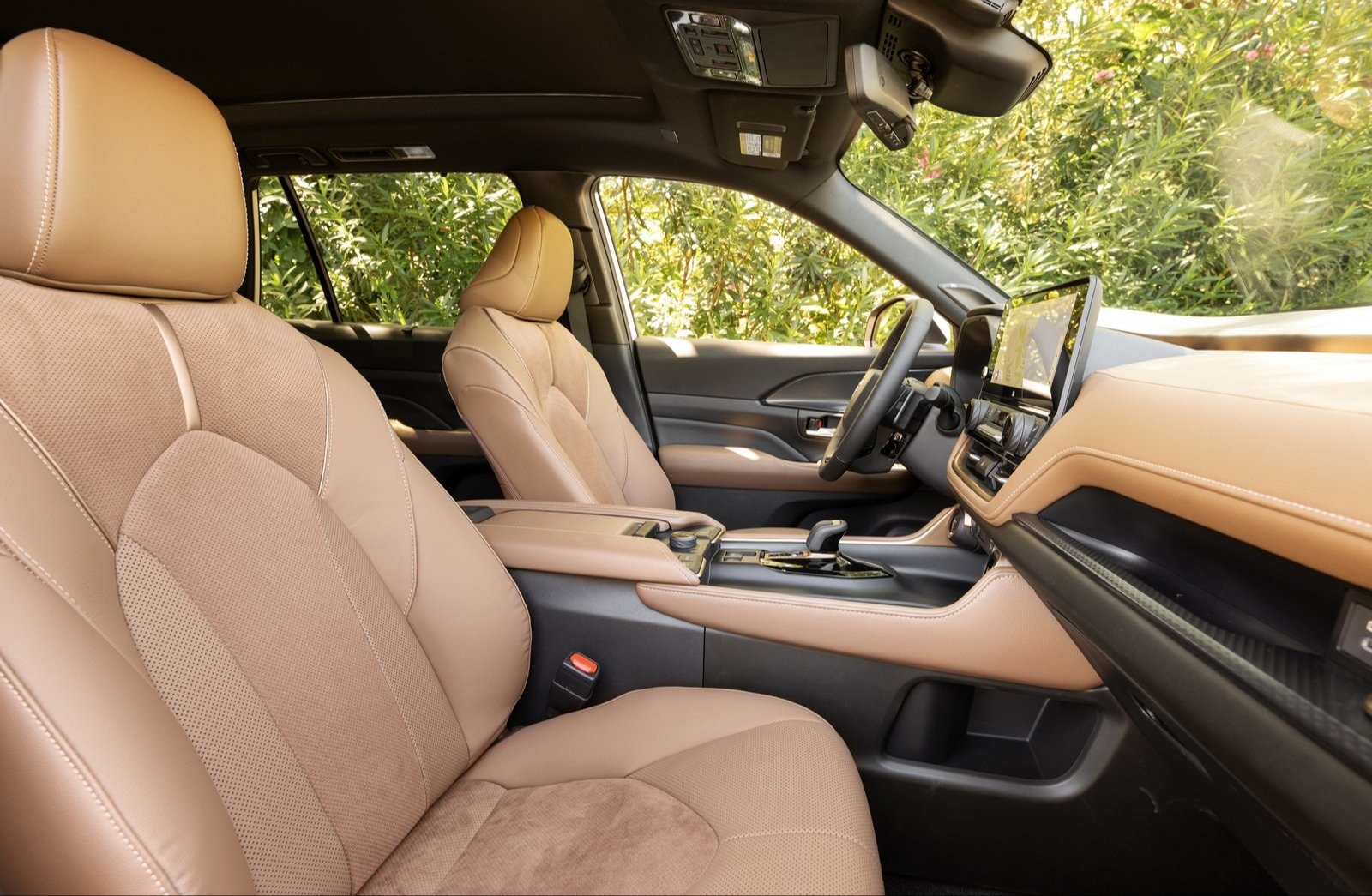
The Hyundai answers with power and towing. Its 329 hp is 84 more than the standard Toyota hybrid, and it tows 4,000 pounds against 3,500. The Toyota's counter is the 362-hp Hybrid MAX, which tows 5,000 pounds but costs $60,175 and drops to 27 mpg, which adds roughly $2,500 to the five-year fuel bill. For 2027 Toyota is cutting the MAX Limited and the Nightshade, so the big engine becomes a Platinum-only, $60,000-plus proposition.
Warranties favor the Hyundai on paper and the Toyota on the one part that matters most to hybrid skeptics. Hyundai covers the car for 5 years/60,000 miles and the powertrain for 10 years/100,000; Toyota's basic and powertrain terms are 3/36 and 5/60. But Toyota's hybrid battery is covered for 10 years or 150,000 miles, 50,000 more than Hyundai's. Our hybrid battery explainer covers what each of those warranties actually pays for.
Safety is a point for the Hyundai, with an asterisk. The 2026 Palisade holds an IIHS Top Safety Pick+ for cars built after November 2025, when Hyundai changed the rear seat-belt buckles; check the door-jamb build date on any 2026 unit, and note that the IIHS hasn't listed the 2027 separately. The Grand Highlander has no 2026 award: its small-overlap and headlight scores are Acceptable rather than Good. Neither has a published NHTSA overall rating for the current model year.
What we don't know
Real-world fuel economy is the biggest gap. Both figures above are EPA ratings, and the Toyota's 34-mpg AWD figure comes from a powertrain that has been on sale since 2023; the Hyundai's turbo hybrid is a year old, and Hyundai still describes its 619-mile range as an internal estimate. We have not tested either car on a measured loop, and we won't pretend to.
Toyota has priced only the 2027 Grand Highlander's entry grades, so the 2027 Hybrid XLE, Limited, Platinum, and Woodland are open questions. Toyota's national October finance rate on the Grand Highlander Hybrid is also unpublished; the 5.94% figure above is a regional one. And gasoline moves: AAA's average fell 6 cents in the past week and sits $1.26 above a year ago, so the fuel rows here will be recalculated.
Which one should you buy
For a cash buyer who wants all-wheel drive, the Grand Highlander Hybrid LE is the answer. It costs $1,055 less, saves $253 a year in fuel, has the bigger third row, and carries the longer battery warranty. Over five years it is about $2,300 cheaper to buy and fuel, and nothing in the Hyundai's spec sheet closes that for a family that never tows.
The Palisade Hybrid wins two specific cases. If you finance through the manufacturer before November 2, Hyundai's 3.9% rate and $750 cash more than erase the Toyota's lead unless your local Toyota region is matching it. And if you tow a 4,000-pound trailer, or you simply want 329 hp and a proper automatic in a family SUV, the Hyundai is the only one of the two that delivers it below $60,000.
The data point that should settle it for most readers is the one Hyundai would rather you not notice: the front-drive Palisade matches the Toyota's fuel economy, but the all-wheel-drive one does not. Decide whether you need HTRAC first, and the winner follows from there. In Hyundai's record third quarter, Palisade volume was flat while Toyota's nameplate grew 8.7 percent through September. The market, for now, is buying the Toyota.