How Long Does a Hybrid Battery Last? Warranties, Real-World Mileage and Replacement Costs
Most hybrid packs outlast their warranties, but coverage varies by brand. Here's what each warranty really covers, what a replacement costs and how to vet a used hybrid.
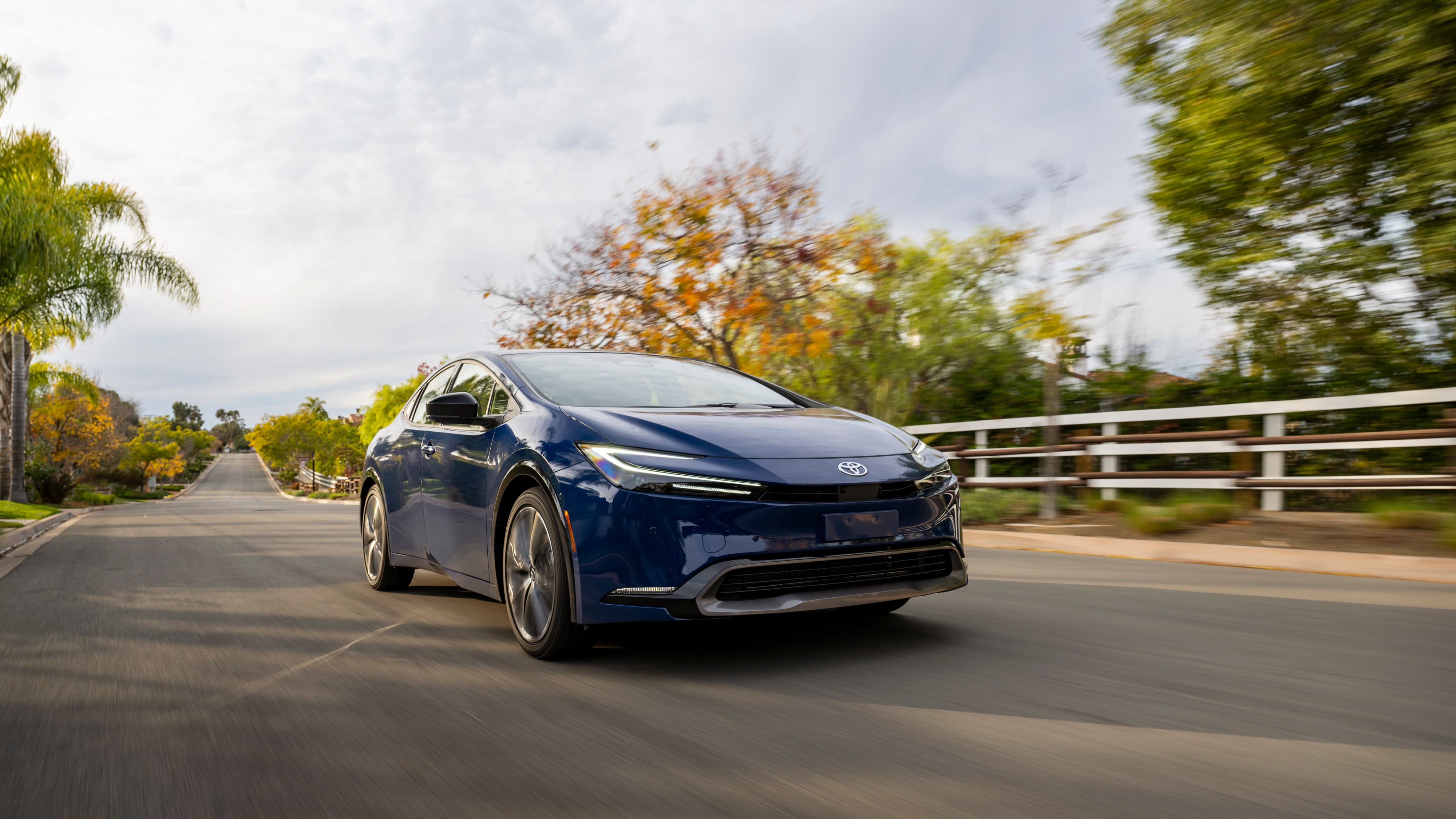
Hybrids are no longer a niche purchase. Cox Automotive estimates that conventional hybrids took a record 16.3% of the U.S. new-vehicle market in the second quarter of 2026, up from about 13% a year earlier, with hybrid volume up 23%. That is roughly one new vehicle in six, and automakers are adding capacity to match: Toyota plans to start building the Corolla Hybrid in Mississippi in 2028.
All those new owners bring an old question back to the showroom: how long does the battery last, and what happens when it doesn't? The short answer is usually longer than the warranty, and often as long as the car. If you're still choosing between a hybrid, a plug-in and an EV, our five-year cost comparison of the RAV4 Hybrid, RAV4 Plug-in and bZ puts the battery question in dollar terms.
How long a hybrid battery actually lasts
Dylan Bade, an EV analyst at AAA Mountain West Group, says owners can safely count on 100,000 to 150,000 miles from a hybrid battery, and that most packs are probably good for up to 200,000. Carfax gives a similar range of 100,000 to 200,000 miles, with climate, driving habits and maintenance deciding where a given car lands.
Hybrid batteries rarely die overnight. They lose a little capacity with every charge cycle, and AAA treats a pack as failed once it drops to roughly 70% of its original capacity. Below that point, the gas engine runs more than it should and fuel economy slides.
The best long-term test is old but telling. In 2011, Consumer Reports retested a 2002 Prius with more than 200,000 miles on its original battery. It returned 40.4 mpg overall, against 40.6 mpg for a nearly identical 2001 Prius that CR had tested at 2,000 miles, and its quarter-mile time was within a tenth of a second.
Heat is the main enemy
Greg Brannon, AAA's director of automotive engineering, names extreme temperatures, heat above all, as the biggest cause of degradation. In hot weather the car spends extra energy cooling the pack, and the cells work harder. Parking in a garage instead of in direct sun helps over the long run.
Carfax adds a simple habit: keep the battery cooling fan's air intake free of dust and pet hair, because a clogged intake restricts airflow to the pack. Beyond that, AAA's advice is to follow the maintenance schedule in the owner's manual rather than extra services a dealer might suggest.
What the warranties really cover
Coverage varies more than most shoppers expect. Two details matter as much as the headline numbers: whether coverage follows the car to the next owner, and whether it pays for gradual wear or only for defects.
- Toyota and Lexus (model year 2020 and newer): 10 years from date of first use or 150,000 miles on the hybrid battery, for the original and all later owners. Other high-voltage parts, such as the battery and hybrid control modules, stay at 8 years/100,000 miles.
- Hyundai: 10 years/100,000 miles on the hybrid battery, with the same term listed for subsequent owners.
- Honda: 8 years/100,000 miles, but only for greater-than-normal capacity loss as determined by a Honda dealer. Honda states that gradual capacity loss is expected and not covered.
- Ford: 8 years/100,000 miles on hybrid-specific components, including the high-voltage battery, against defects in materials or workmanship. Damage caused by improper storage is excluded.
- Kia: the brand's U.S. warranty page doesn't break out a separate line for conventional-hybrid batteries. The terms sit in each model's warranty manual, which is worth reading as Kia sells more hybrids than ever; its record August was built on hybrid sales.
Some terms also depend on where the car was sold. Honda's own 2020 guide to its electrified models listed battery coverage of either 8 years/100,000 miles or 10 years/150,000 miles, depending on the state of purchase. The warranty booklet tied to a specific VIN is the final word.
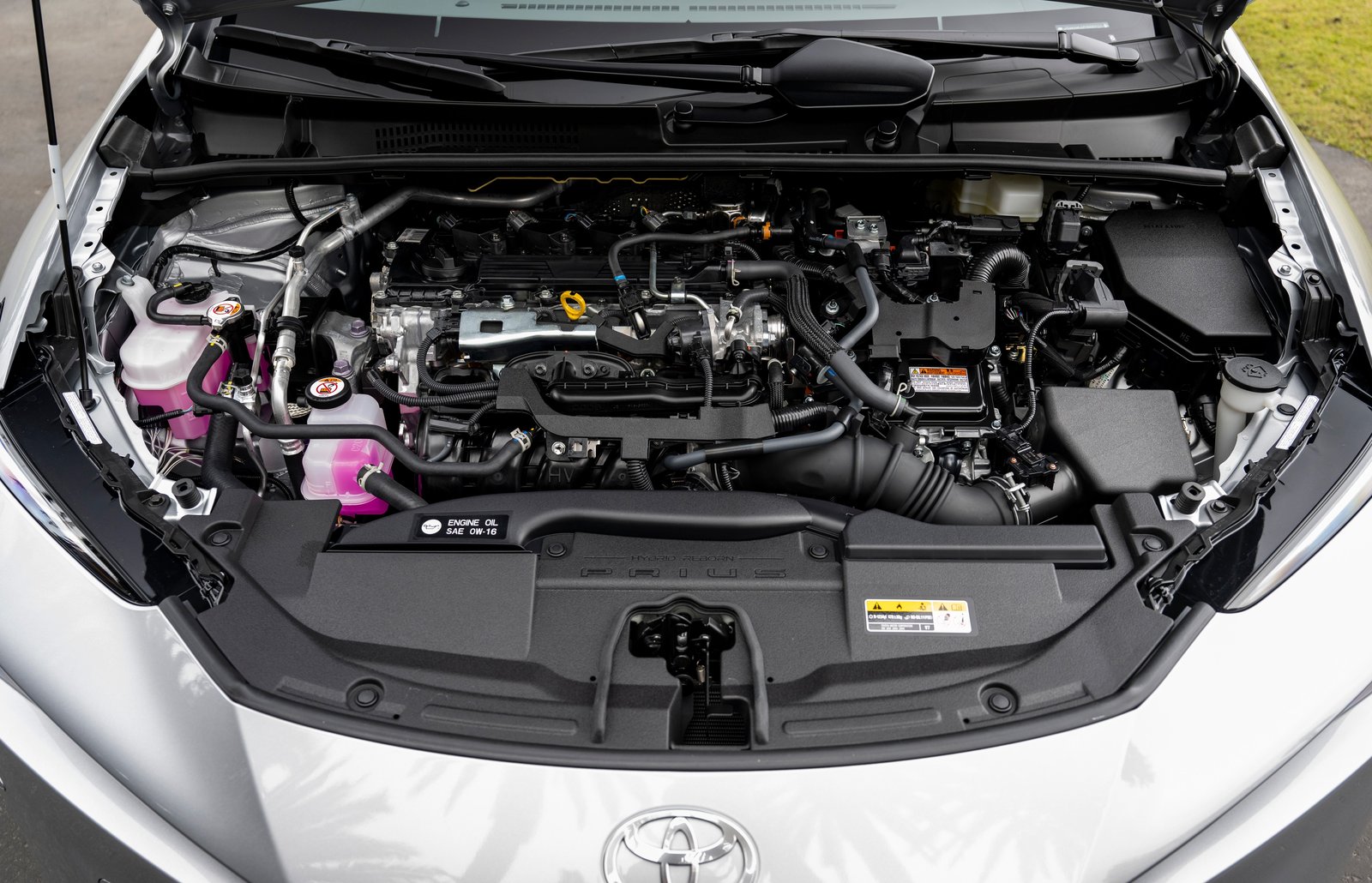
These differences belong in any cross-shop. If you're deciding between the two best-selling compact hybrids, add the battery terms to our CR-V Hybrid vs. RAV4 Hybrid comparison; the same Toyota-Honda split applies in our Camry vs. Accord Hybrid cost-to-own breakdown.
What a replacement costs
Sources disagree, so treat any single figure with caution. Carfax puts a new battery for most mainstream hybrids at $2,000 to $8,000, with a Prius pack typically $2,000 to $2,500, and refurbished or aftermarket packs at $1,500 to $3,000. AAA Mountain West's estimate for a new replacement is $4,000 to $5,000, with used or refurbished units at $1,000 to $2,500.
The spread reflects pack size, labor and who does the work. Carfax says luxury hybrids and plug-ins can cost more. A refurbished pack can make sense on an older, high-mileage car, though Carfax notes it may not last as long as a new one. Toyota told AAA it is exploring a refurbished-battery program for the Prius.
One trap when you search for prices: many online "battery replacement" estimates for hybrid models refer to the conventional 12-volt battery, a far cheaper part that has nothing to do with the high-voltage pack.
Warning signs
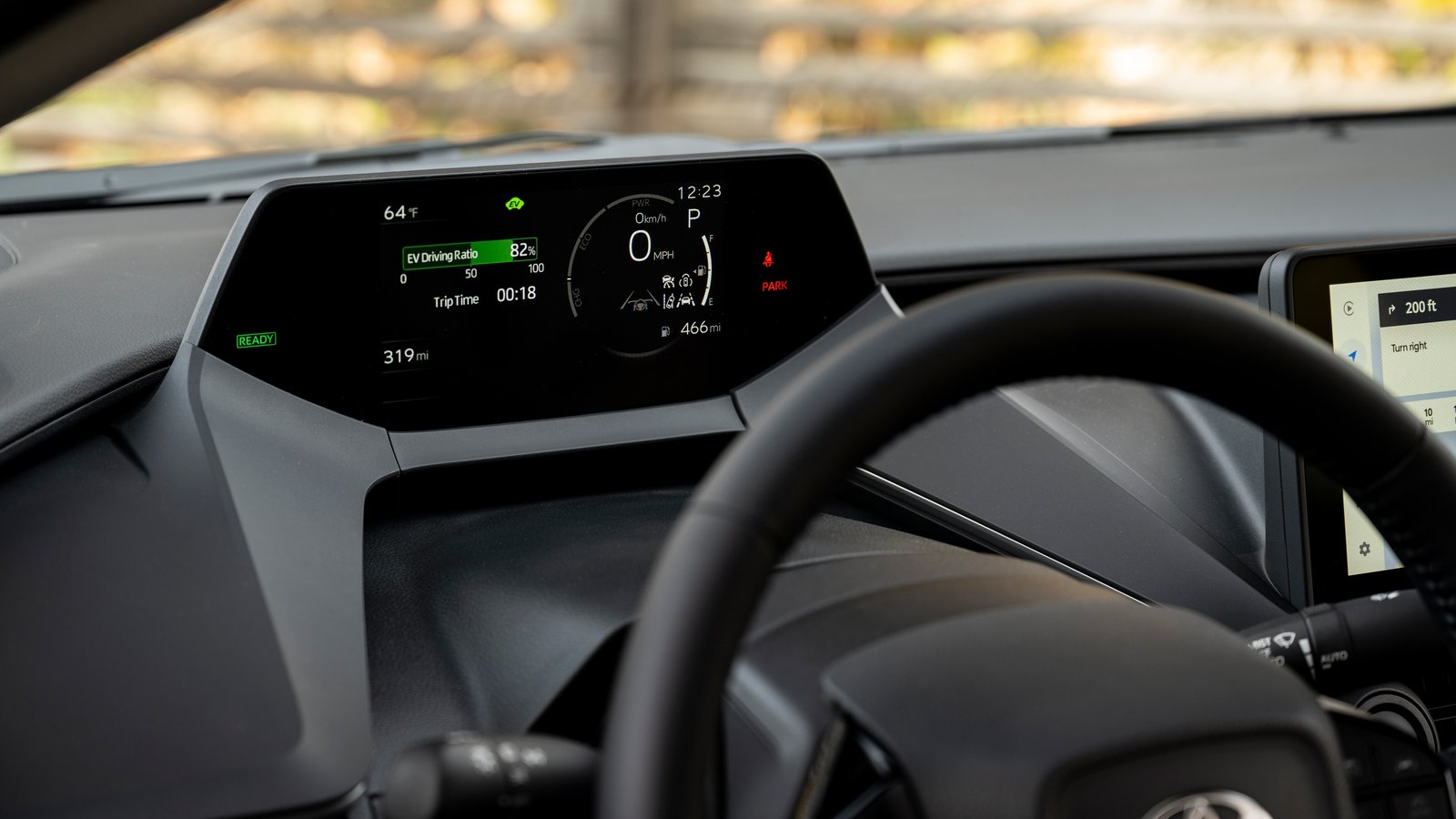
AAA points to two: a hybrid-system warning on the dashboard, and fuel economy that falls 10% to 15% below what the car used to deliver. Either one is a reason to book a service visit. Long-term battery health can't be read from the charge gauge; it takes diagnostic equipment at a dealer or a qualified shop.
Buying a used hybrid: a quick checklist
- Find the warranty start date. Coverage runs from the date the car was first put into service, not from the day you buy it.
- Confirm the battery coverage transfers. Toyota, Lexus and Hyundai say theirs applies to later owners; for other brands, check the booklet.
- Pay for a battery health test before you sign. The dashboard display can't tell you how much capacity is left.
- Compare real-world mpg with the EPA rating. A sustained 10% to 15% shortfall is AAA's threshold for a closer look.
- Ask how and where the car was stored. Years in extreme heat age a pack faster, and Ford excludes storage damage from its warranty.
A note on plug-in hybrids
Everything above applies to conventional hybrids. Plug-in hybrids use larger packs that do more of the driving, and AAA expects them to show a more pronounced loss of electric range over time. Their warranties and replacement costs differ, so these figures don't carry over.
What we don't know
- Whether California's emissions rules currently require longer hybrid-battery coverage in the states that follow them. We couldn't confirm a current requirement directly from the California Air Resources Board, so rely on your warranty booklet.
- Kia's exact U.S. terms for conventional-hybrid batteries, including how they apply to second owners.
- How modern packs hold up in very high-mileage fleet use, such as taxis. We found no systematic, reliable data, only anecdotes.
- How the newest packs will age. Most long-term evidence, including CR's test, comes from hybrids built two decades ago; current batteries haven't had time to rack up the same mileage.
The bottom line
For most owners, the hybrid battery is not the time bomb it was once feared to be. Keep the car cool, watch your mpg, read the warranty as carefully as the window sticker and, if you're buying used, pay for the battery test.