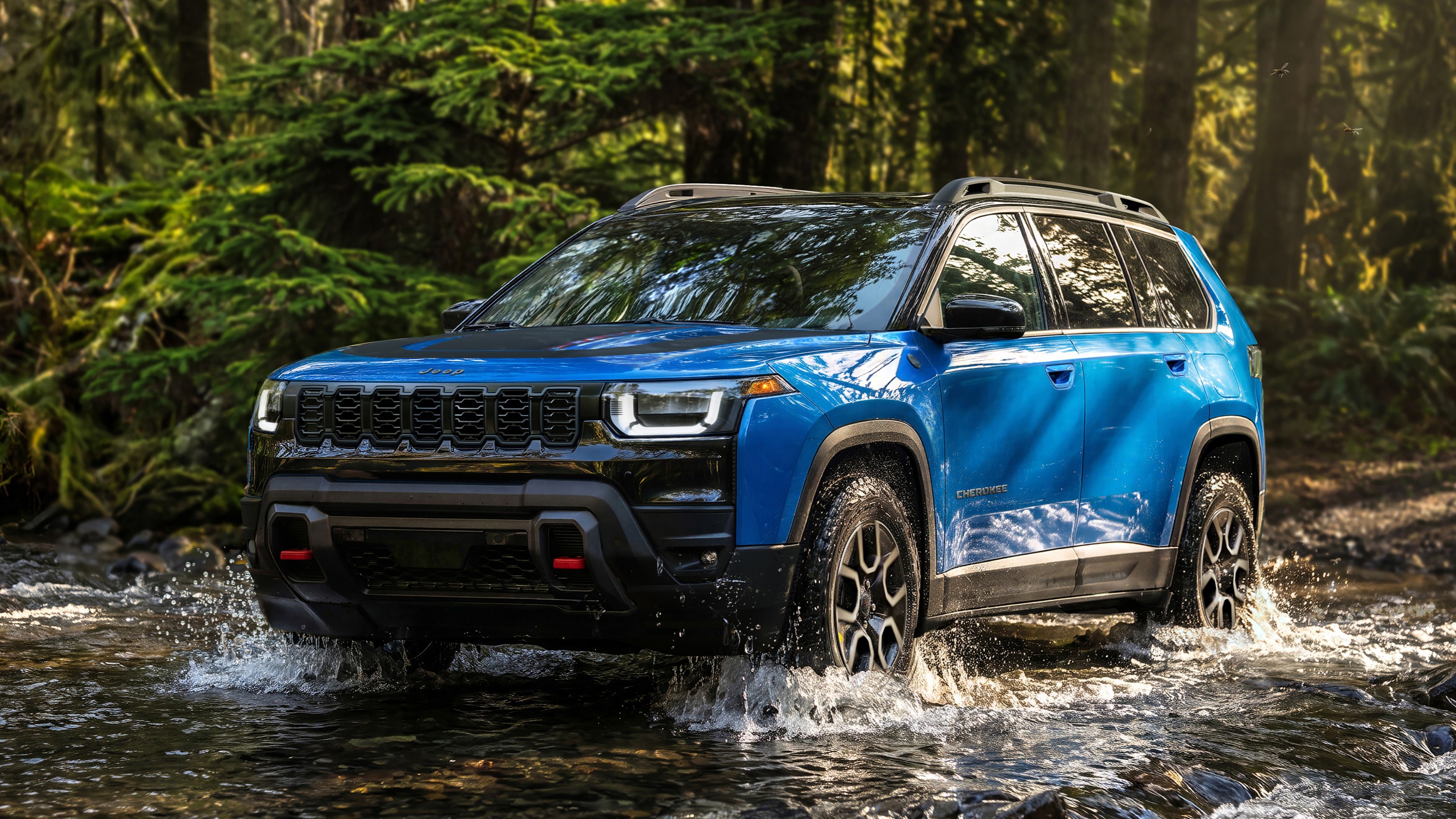
Jeep Cherokee vs. Toyota RAV4: What $3,775 More Buys, and What It Doesn't
Jeep's hybrid compact starts $3,775 above a RAV4 and tows more, but Toyota wins on mpg, warranty, and a plug-in. The Jeep's real edge: it's on the lot.
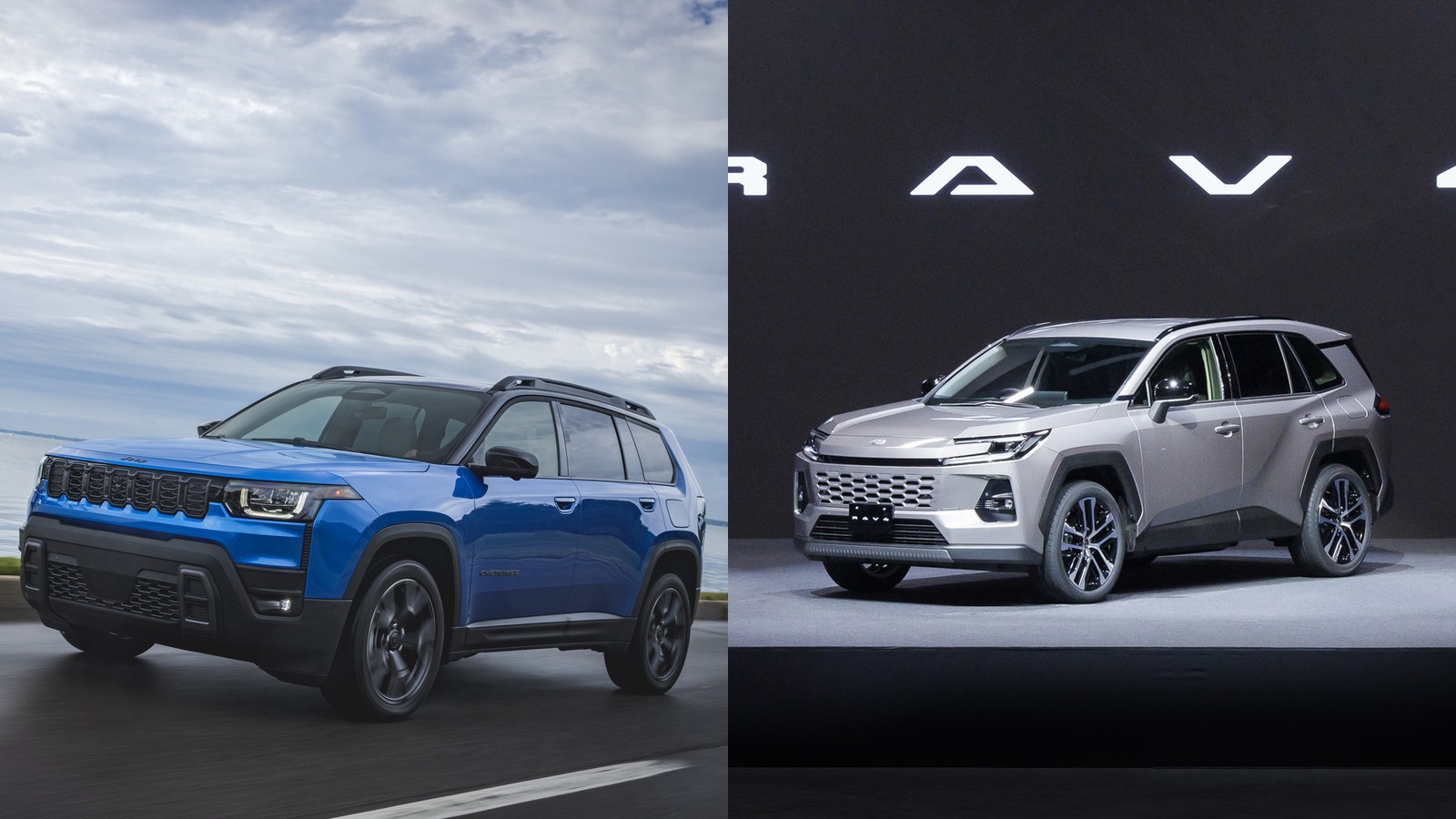
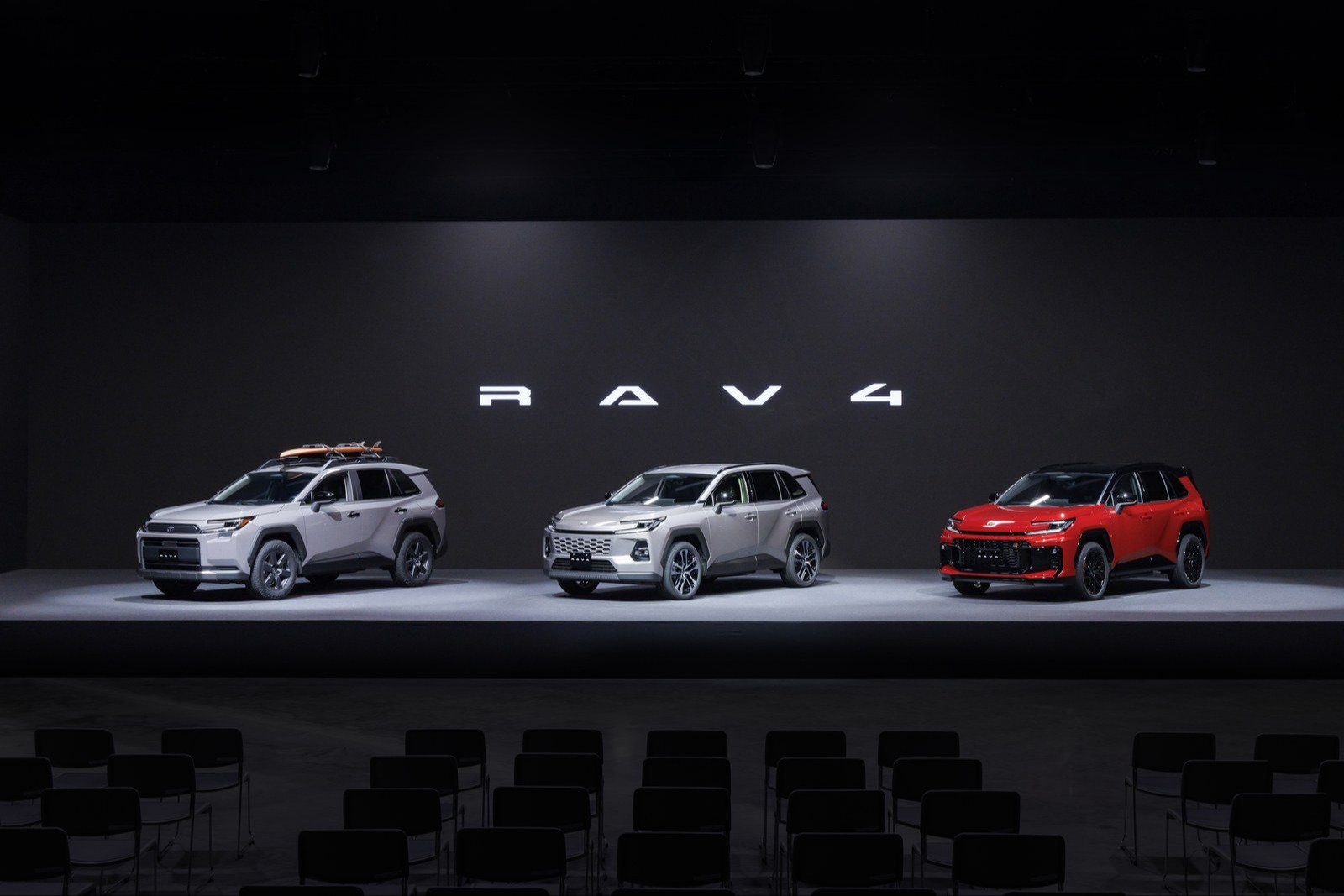
Jeep has a compact hybrid SUV again, and it is already asking the RAV4 question. The 2027 Cherokee lineup opens at $37,125 with destination, seven trims deep, four-wheel drive on every one. Toyota's sixth-generation RAV4, hybrid-only since December, starts at $33,350 and goes all the way to a 324-hp plug-in. The gap at the bottom is $3,775, and that is before you look at what each company does with the money.
This is the fight Jeep cannot afford to lose. The brand sold 20,914 Cherokee Hybrids through September, according to Stellantis' third-quarter report, and calls September its best retail month yet. Toyota sold 34,192 RAV4s in September alone, while short of cars. One of these is trying to get back into the segment; the other is trying to build enough of them.
The spec sheet
Prices include destination: $1,995 for the Jeep, $1,450 for the Toyota. Cherokee figures come from Jeep's spec sheets and the October 16 release on the Stellantis media site. RAV4 figures come from Toyota's launch announcement and pricing releases. Jeep's 2027 prices for the Laredo, Limited, and Overland are not out yet, so the 2026 numbers stand in.
| 2027 Jeep Cherokee | 2026 Toyota RAV4 | |
|---|---|---|
| Base price | $37,125 (Cherokee 4x4) | $33,350 (Hybrid LE FWD); $34,750 with AWD |
| Mid-range | Laredo $39,995, Limited $42,495 (2026 prices; 2027 TBA); Laredo Altitude and Limited Altitude TBA | SE $36,150 to $37,550; XLE Premium $37,550 to $38,950; XSE AWD $42,750 |
| Off-road trim | Trailhawk $44,625 | Woodland $41,350 (plug-in $46,750) |
| Top trim | Overland $45,995 (2026 price; 2027 TBA) | Limited AWD $44,750; plug-in from $42,950 to $49,950 (GR SPORT) |
| Powertrain | 1.6-liter turbo four, hybrid, eCVT; no plug-in offered | 2.5-liter four, hybrid or plug-in hybrid; no gas-only model |
| System output | 210 hp, 230 lb-ft | 226 hp (FWD) or 236 hp (AWD); 324 hp (plug-in) |
| Drive | 4x4 standard (Active Drive I); Trailhawk adds Active Drive II with 2.92:1 low range and a 37.5:1 crawl ratio | FWD standard on LE, SE, XLE Premium; AWD optional there, standard on the rest |
| EPA combined | 37 mpg (39 city / 35 highway) for 2026; 2027 rating not yet listed. Trailhawk: 31 mpg, Jeep's figure | 43 mpg (FWD), 41 to 42 mpg (AWD), 38 mpg (Woodland); plug-in 52 miles of electric range |
| Towing | 3,500 lb, every trim, with the trailering package | 1,750 lb (FWD and LE AWD); 3,500 lb (other AWD grades) |
| Ground clearance | 8.0 in; Trailhawk 9.0 in | 8.1 in; Woodland 8.5 in; GR SPORT 7.5 in |
| Approach / breakover / departure | 19.6 / 18.8 / 29.4 degrees; Trailhawk 28.8 / 21.9 / 31.8 | Not published by Toyota |
| Length / wheelbase | 188.1 in / 113.0 in | 181.0 in (182.0 Woodland) / 105.9 in |
| Cargo, seats up / down | 33.6 / 68.3 cu ft (Trailhawk 29.5 / 62.2) | 37.8 cu ft (36.6 Limited) / about 70 cu ft |
| Curb weight | 4,295 lb; Trailhawk 4,545 lb | Not published by Toyota |
| Screens | 12.3-in touchscreen and 10.25-in cluster, all trims | 10.5- or 12.9-in touchscreen; 12.3-in cluster, all grades |
| Hybrid battery warranty | Not stated on Jeep's spec sheet; basic and powertrain terms are Jeep's standard 3-year/36,000 and 5-year/60,000 | 10 years / 150,000 miles; hybrid components 8 years / 100,000 miles |
| IIHS | Not tested | No 2026 award as of October 19 |
| NHTSA | Not rated | Not yet published for the new generation |
| Recalls so far | One: a tire-pressure warning software fix, NHTSA 26V559, covering the 2026 model | One for the plug-in: 31,000 SUVs for possible power loss |
| Built in | Toluca, Mexico | Japan, Ontario, and since June, Georgetown, Kentucky |
| Sales, 2026 through September | 20,914 (10,344 in the third quarter) | 253,664, down 29% on supply |
What the Jeep premium buys
Line the cheapest versions up and the Jeep costs $3,775 more than a front-drive RAV4 LE and $2,375 more than the all-wheel-drive one. For that money, Jeep hands you a longer, roomier-feeling body on a 113-inch wheelbase, four-wheel drive that disconnects the rear axle when it isn't needed, a 12.3-inch screen on every trim, and a 3,500-pound tow rating that Toyota reserves for its pricier all-wheel-drive grades.
Spend the Cherokee's $37,125 at a Toyota store instead and you land on an SE with front-wheel drive, or an XLE Premium for $425 more. Both carry 16 more horsepower than the Jeep and an EPA rating five to six mpg higher. The RAV4 is also the one with the published 10-year battery warranty, a detail that matters more on a new hybrid than a familiar one.
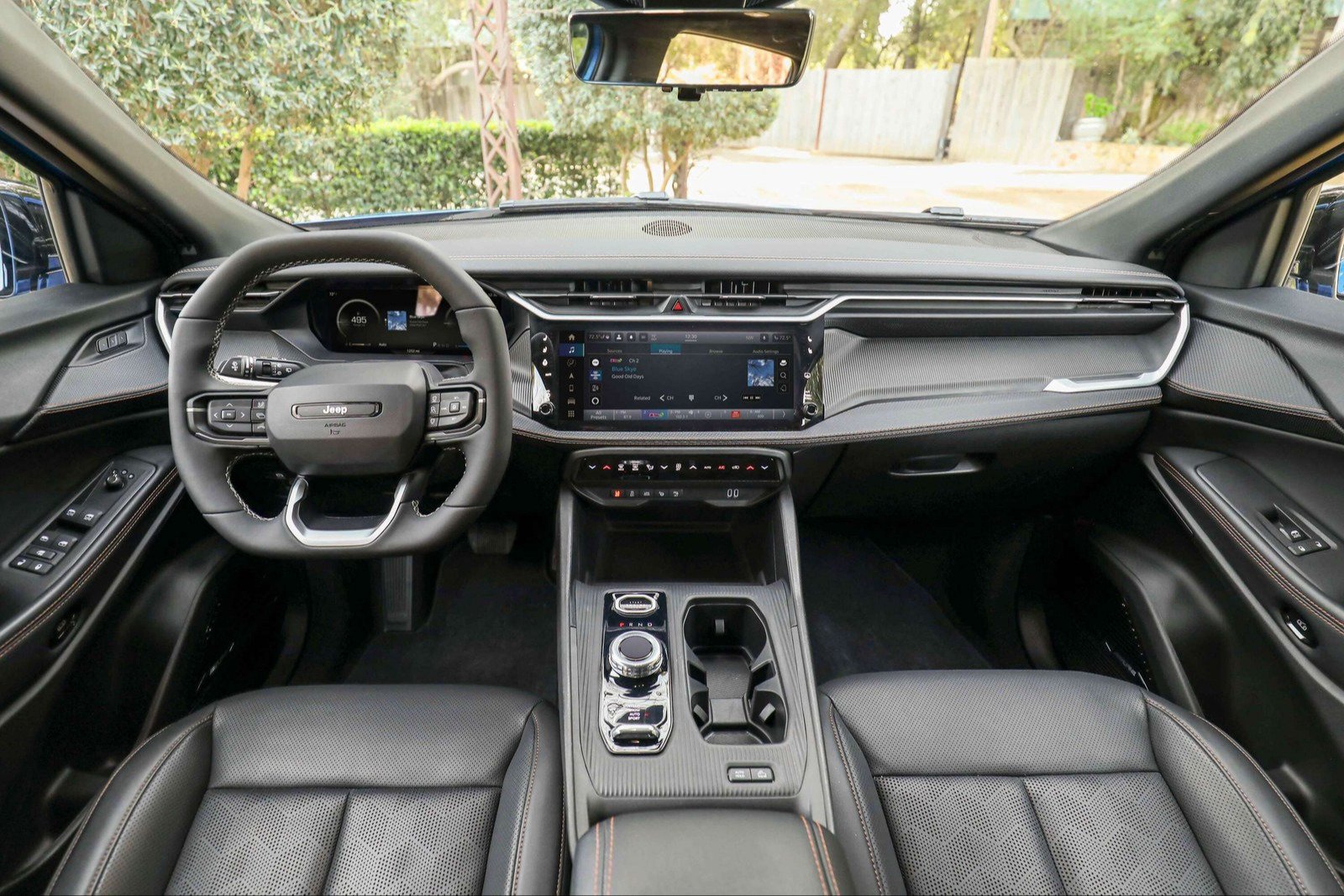
Fuel is the Jeep's weakest line. At 37 mpg combined against 42 for an all-wheel-drive RAV4, a Cherokee owner driving 15,000 miles a year burns about 48 more gallons. At the $4.33 national average AAA reported in mid-October, that is roughly $210 a year, or about $1,050 over five years. It won't decide the purchase, but it eats a third of the price gap over a typical loan.
Trailhawk money is plug-in money
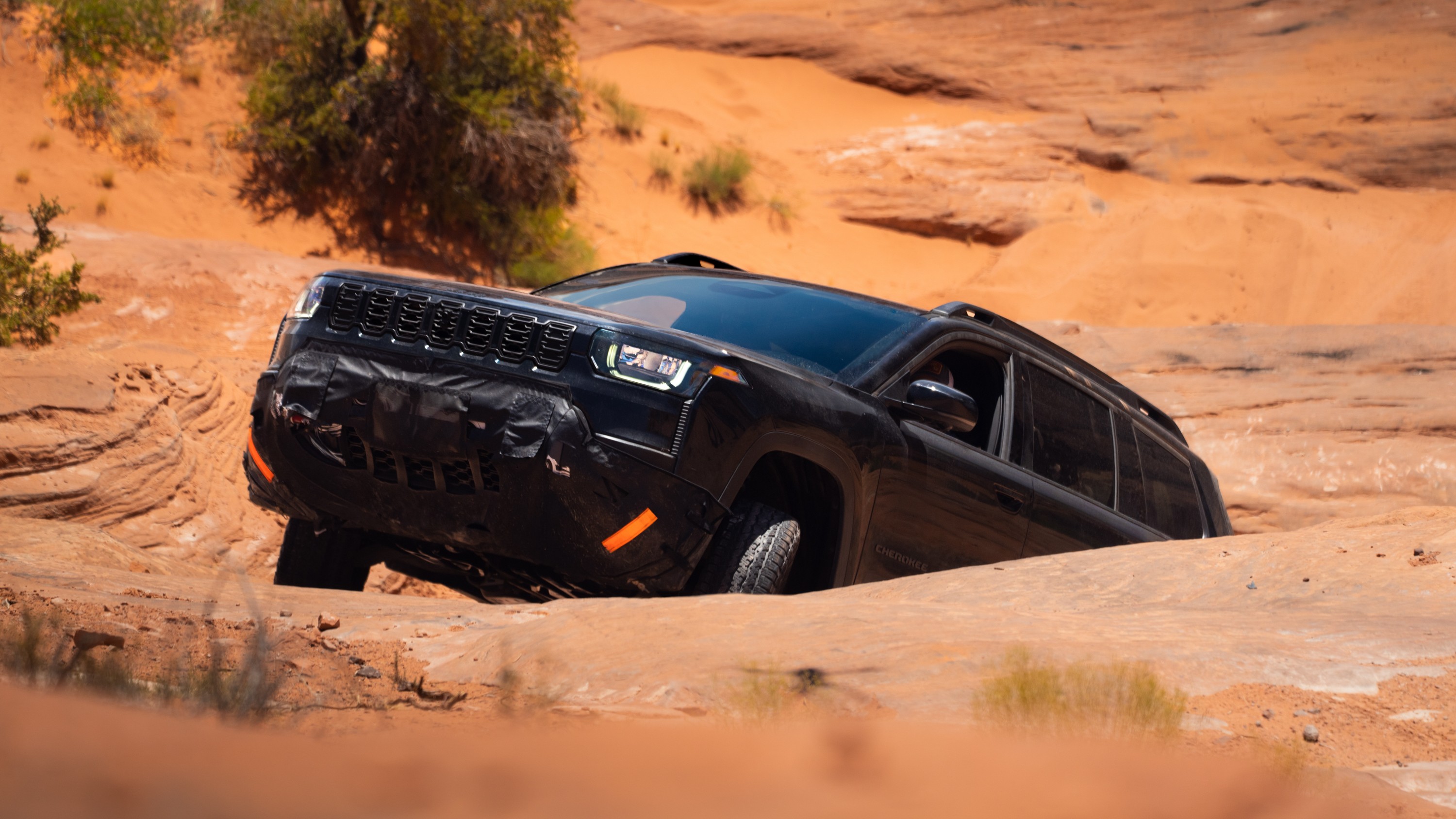
At the top of the lineup, Jeep's argument gets stronger and weaker at the same time. The Cherokee Trailhawk brings a two-speed transfer unit, a locking rear axle, 9 inches of clearance, and a 24-inch fording rating for $44,625. Nothing in the RAV4 range does that; the Woodland adds half an inch of lift and all-terrain tires and leaves the rest to its single-speed all-wheel drive.
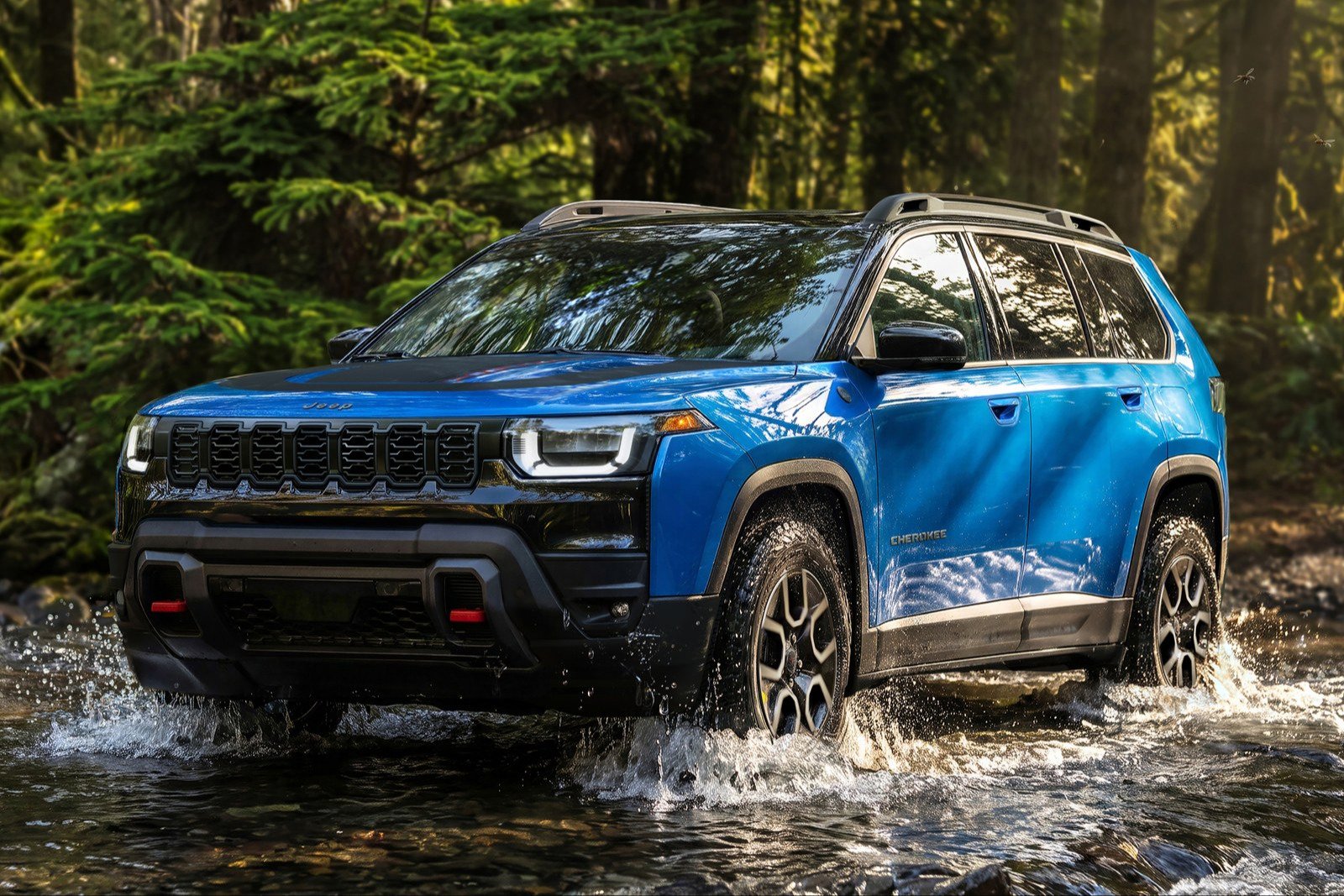
But $44,625 also buys a RAV4 Limited with $125 to spare, or a plug-in SE for $1,675 less, with 324 hp and 52 miles of electric range. The Trailhawk's own efficiency drops to 31 mpg by Jeep's reckoning, 7 mpg below the Woodland. Buyers who use low range a few weekends a year will not care. Buyers who thought they might should notice that the plug-in RAV4 can cover a commute on electricity and still out-accelerate anything Jeep sells with a Cherokee badge.
The thing Jeep can sell that Toyota can't: a car
Everything above assumes you can buy either one at sticker. Right now you can buy the Jeep. The RAV4 is still the hardest mainstream car to find in America; Toyota's sales are down 29% through September because supply is short, not because demand fell, and the waits we tracked in our RAV4 shortage explainer ran from weeks to six months. Kentucky output is building, but Toyota still won't quote a days' supply for the model.
Jeep's Cherokee retail sales rose 53% from the second quarter to the third, and 10,344 third-quarter sales is a real number for a nameplate that didn't exist a year ago. It is also less than a third of what Toyota moves in a bad month. Jeep has room on dealer lots that Toyota does not, and that, more than any line on the spec sheet, is what the $37,125 buys this fall: a hybrid compact SUV you can drive home.
What we don't know yet
- 2027 Cherokee EPA ratings. The 2026 Cherokee is rated at 37 mpg combined on fueleconomy.gov; the 2027 model isn't listed yet. The Trailhawk's 31 mpg is Jeep's number, and the company hasn't explained why the lift and tires cost 6 mpg.
- Crash ratings. Neither SUV has an IIHS award or NHTSA stars at this writing. The RAV4 is on NHTSA's 2026 test list; the Cherokee is not.
- The Jeep hybrid's track record. The 1.6-liter turbo hybrid is new to the United States, with one software recall so far, as we reported in our Jeep tire-pressure recall story. Toyota's system has a decade of RAV4 Hybrid sales and a quarter-century of Prius behind it. That gap closes only with time.
- Mid-range 2027 Jeep prices. Laredo, Limited, Overland, and both Altitude trims have no 2027 price yet.
- 2027 RAV4 pricing. Toyota hasn't announced it, and any increase narrows the gap.
Which one should you buy
Buy the Cherokee if you tow, if four-wheel drive is non-negotiable and you'd rather not pay Toyota's AWD and grade premiums to get a 3,500-pound rating, if you want the Trailhawk's low range in something that still returns 30-plus mpg, or if you simply need the car this month. The Jeep is the roomier box, the better-screened base model, and the one on the lot.
Buy the RAV4 if you can wait, or get lucky with an allocation. It costs less at every rung, uses less fuel at every rung, carries the stronger battery warranty, and offers a plug-in hybrid that Jeep has no answer to at this price. On paper, the Toyota is the better compact hybrid for most people, and that was true before the Cherokee arrived.
What Jeep has done is make the RAV4's lead smaller than it has been in years. If you cross-shop these two, you are already comparing a longer list than most buyers in this segment have to, and both the CR-V Hybrid and the incoming 2027 Hyundai Tucson belong on it. Jeep is back in the fight. Winning it is a question for the 2027 price list and the first EPA label.