Porsche's New Plan: Electric-Only Boxster, a Gas Small SUV, and a Supercar Above the 911
The gas Boxster isn't coming back, a new gas small SUV arrives in 2028, and a supercar preview lands October 15. Here's what reaches U.S. dealers, and when.
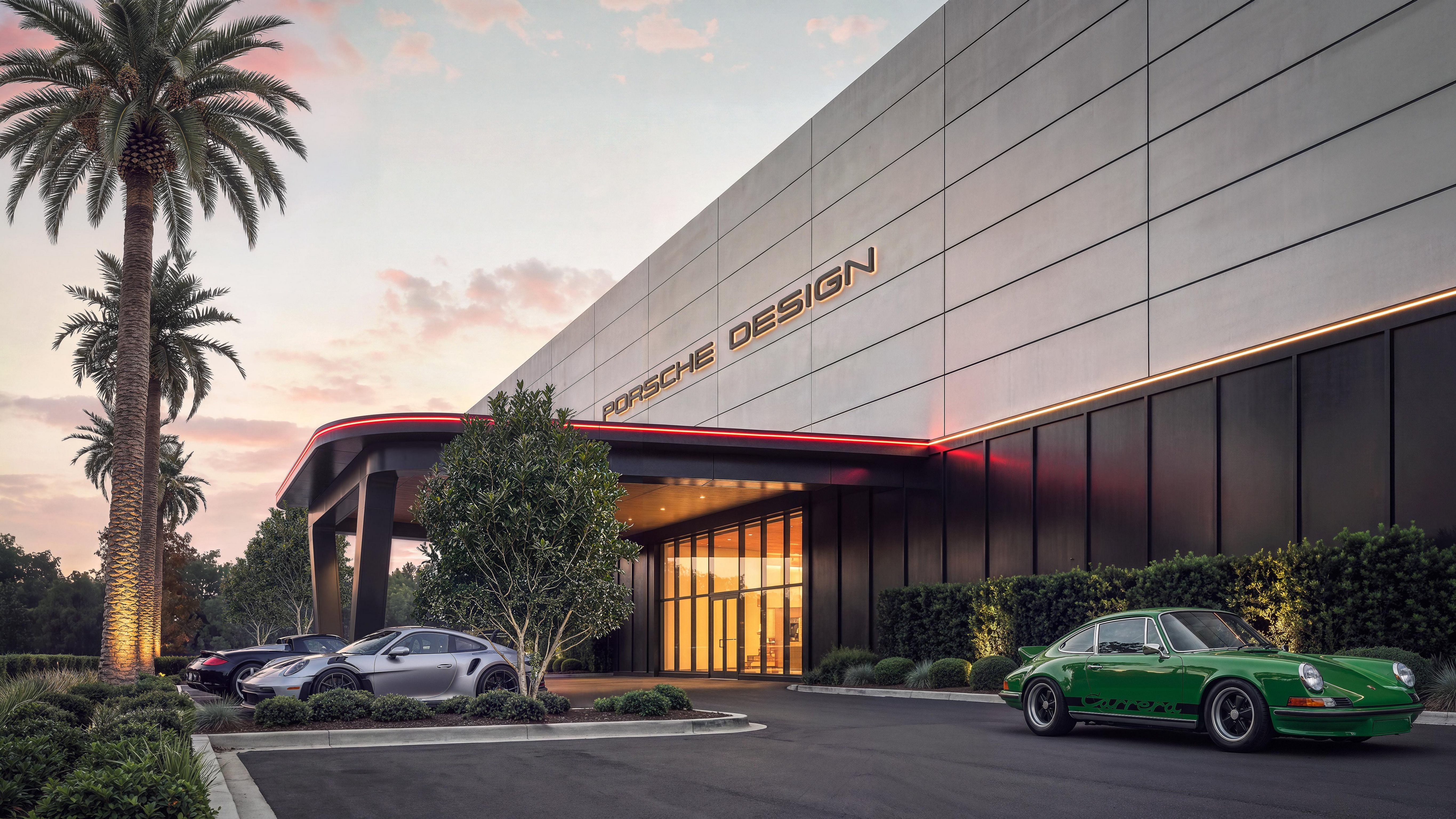
Porsche used its Capital Markets Day in Weissach, Germany, on Wednesday to lay out a strategy it calls "Sportwagenschmiede '35" — roughly, "sports car forge." Most coverage will lead with job cuts and profit targets. For anyone shopping at a U.S. Porsche dealer, the useful part is the product map: an electric Boxster and Cayman, a new gas and plug-in hybrid small SUV, and a mid-engine supercar positioned above the 911.
Here's what is confirmed, what it changes for the lineup you can actually buy, and what Porsche still hasn't said. The short version: the next two years look thin for anyone who wants an entry-level Porsche with an engine, and the brand is openly planning to charge more for its most desirable cars — on top of a range that already stretches to the 2027 Cayenne Electric.
The 718 Boxster and Cayman go electric
Porsche's strategy release names the all-electric 718 Boxster and Cayman as the first new products of the plan, with 2028 as their first full year of production.
What changed is the fallback. Porsche had previously said the top 718 variants would keep combustion engines, and it later explored adapting the new electric platform to take one. According to Autocar and InsideEVs, those plans are now dead: the next 718 will be electric only. InsideEVs reports the cars will debut next year.
For U.S. buyers, the gap is already here. Production of the gas 718 ended in October 2025, so a mid-engine Porsche with a flat-six is now a used-car purchase. The only manual Porsches left on our list of new cars with a manual transmission are 911s, starting with the $148,000 Carrera T. Current 718 owners aren't being abandoned, though: Porsche recently rolled out a wireless CarPlay upgrade for older 911, Boxster, and Cayman models.
A gas SUV returns, next to the electric Macan
The bigger news for American showrooms may be the SUV. Porsche says it will present a new B-segment SUV in 2028 with gas and plug-in hybrid powertrains, sold alongside the electric Macan rather than replacing it. Series production ramps up in 2028, and Porsche expects the model to make a noticeable contribution to sales in 2029.
That fills a hole Porsche dug for itself. The last gas Macan left the Leipzig line at the end of July, Motor1 reported, and Porsche stockpiled U.S. inventory it expects to last into 2027. Demand was there: gas Macans outsold electric ones worldwide in the first half of 2026, 19,695 to 15,620. Once that stock runs out, the electric Macan will be the only small Porsche SUV on new-car lots until the newcomer arrives.
Porsche hasn't named the new model, confirmed it for the U.S., or said what it will cost. It did say it will lean harder on Audi's PPE and PPC platforms — the electric and combustion architectures — to spend less on development.
A supercar above the 911, previewed October 15
Porsche confirmed it is developing a mid-engine supercar platform for a model line that would sit above the 911, and it will preview that platform on October 15. A teaser labeled Mission S is already on the brand's social channels.
Autocar reports that CEO Michael Leiters said the car will be combustion-only and won't be built directly on another Volkswagen Group supercar, though it may share parts. Porsche's release doesn't specify a powertrain, and a preview of a "potential" platform is not a production commitment. There is no timing or price yet.
The 911 itself gets more "highly emotive" derivatives, Porsche says. Leiters also told the audience the 911 "will never be electric," according to InsideEVs and other outlets at the event. That line does not appear in Porsche's written release.
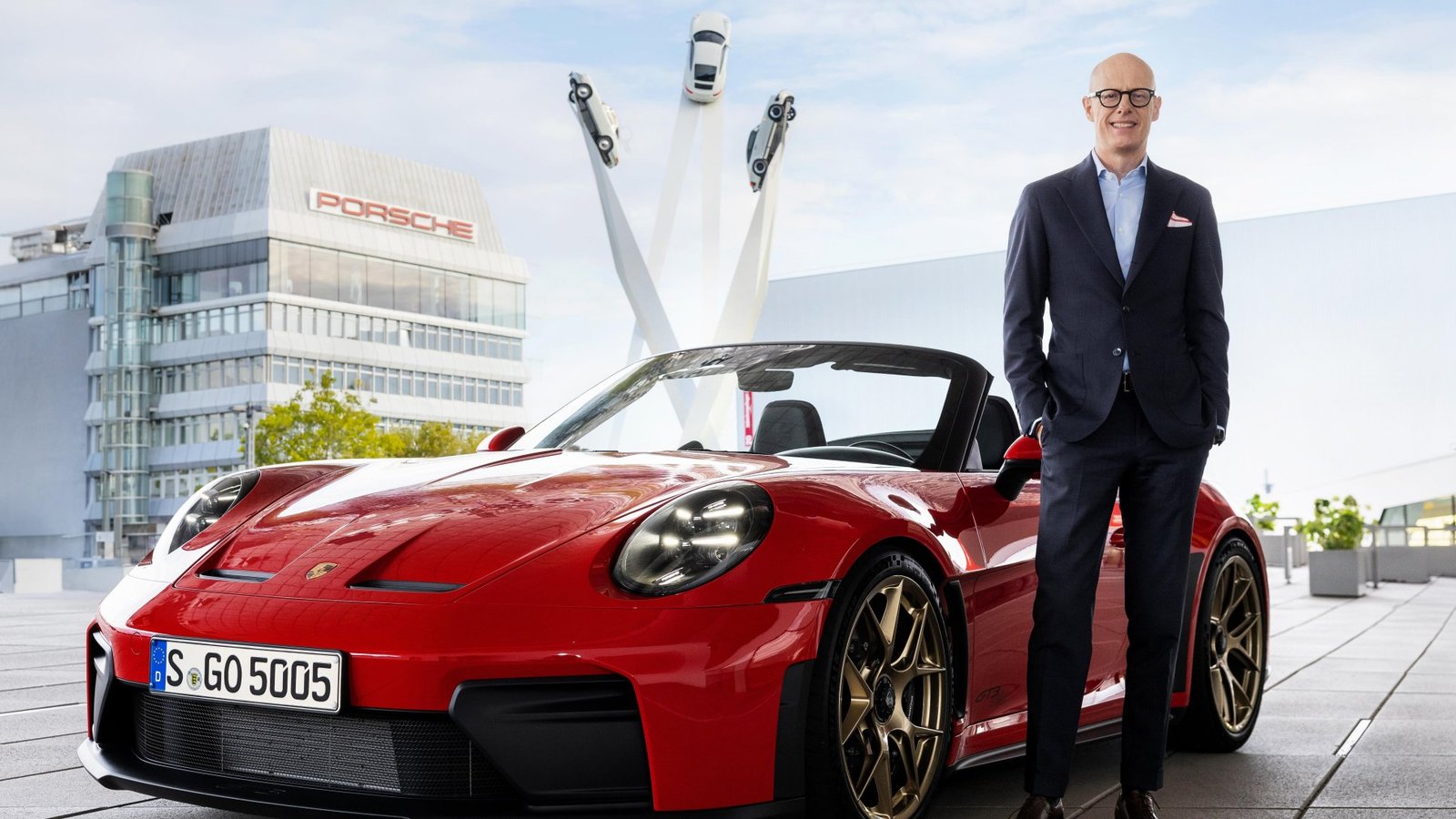
Fewer versions, higher prices
Porsche plans to cut its number of model variants by about 20%, aiming for roughly 30% more sales per variant. It's the same logic behind automakers deleting trims instead of raising sticker prices, except Porsche is doing both.
The company wants to raise the average selling price of its top-of-the-range models by about 20% in the medium term and grow option revenue per car. It aims to multiply sales from its Sonderwunsch bespoke program sixfold. It also promises at least one brand-defining new product every year through 2030 and is exploring an SUV above the Cayenne.
For buyers, that adds up to fewer configurations, more expensive options, and a lineup weighted toward bigger, pricier cars.
Still no U.S. factory
Porsche has no U.S. production, so every car sold here is imported and exposed to tariffs. Automotive News reports Leiters ruled out building a U.S. plant as an answer to them. That claim also comes from interviews, not the release.

The business backdrop explains the caution. Porsche wants to break even below 200,000 vehicles a year, cut its workforce by 25% in the medium term, and target a 10% to 15% operating return on sales. It is also raising its stake in tuner Manthey to 67%.
What we don't know yet
- U.S. pricing, range, power, and exact debut date for the electric 718 Boxster and Cayman.
- The name of the new gas and plug-in hybrid SUV, and whether it will be sold in the U.S.
- Anything concrete about Mission S beyond the teaser before October 15.
- Which versions disappear under the 20% variant cut, including whether the 911 lineup gets trimmed.
- Whether the SUV above the Cayenne moves beyond the study stage.
What's next
The first concrete look comes October 15 with the supercar preview. The electric 718 is expected to debut in 2027, and the new small SUV is due in 2028. We'll update this page as Porsche fills in the U.S. details.