Tesla Model Y vs. Hyundai Ioniq 5: What America's Two Best-Selling EVs Cost Now
America's best-selling EV against its strongest challenger: real 2026 prices without the $7,500 credit, a charging gap that cuts both ways, and a $99-a-month software question.
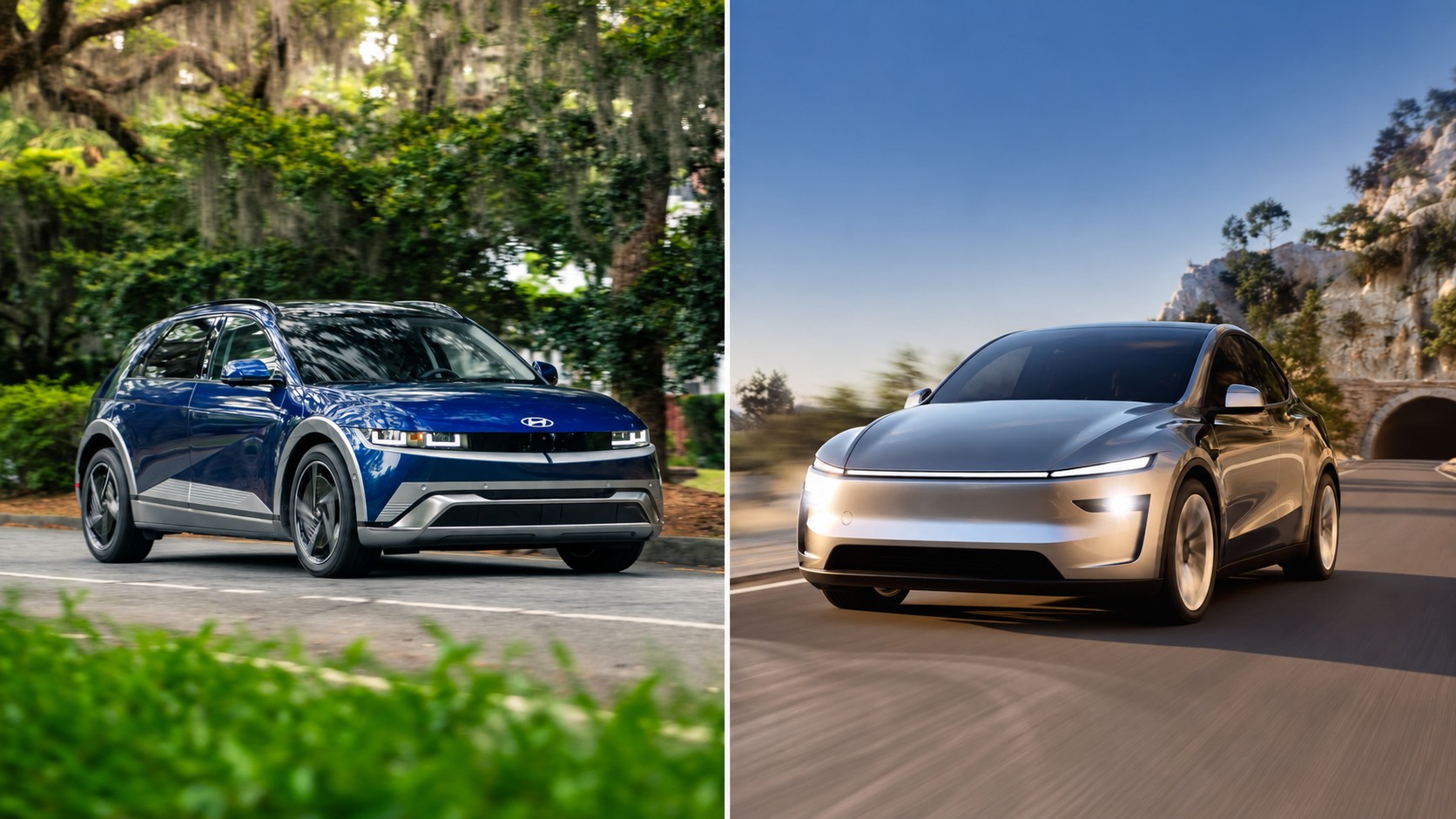
In the first half of 2026, Americans bought an estimated 163,454 Tesla Model Ys and 20,730 Hyundai Ioniq 5s, per Cox Automotive's Kelley Blue Book data. That makes them the best-selling EV in the country and the best-selling EV not built by Tesla — and the Model Y remains the only fully electric vehicle in America's top 25 overall. Tesla does not report US sales by model, so every Tesla sales figure here is an estimate.
Both cars now sell into a harder market. The $7,500 federal tax credit expired on September 30, 2025, EV sales fell about 10 percent year over year in the first half, and Tesla still holds 50.5 percent of what's left. The two companies answered the same problem in opposite ways: Hyundai cut stickers by up to $9,800, while Tesla added a cheaper trim and leaned on financing. Here is where the math stands in September 2026.
Specs at a glance
| 2026 Tesla Model Y | 2026 Hyundai Ioniq 5 | |
|---|---|---|
| Base price (with destination) | $41,630 — Standard RWD $39,990 + $1,390 destination + $250 order fee | $36,600 — SE Standard Range $35,000 + $1,600 destination |
| Top price (with destination) | Performance $59,630; Model Y L Premium $63,630 | Limited AWD $50,575; Ioniq 5 N $61,500 |
| EPA range | 321 mi (Standard RWD) to 357 mi (Premium RWD); 306 mi Performance; 325 mi Model Y L | 245 mi (SE Standard Range) to 318 mi (SE/SEL/Limited RWD); 290 mi SE/SEL AWD; 269 mi Limited AWD; 259 mi XRT |
| Peak DC charging | Up to 250 kW (Tesla) | 257 kW on 350-kW 800-volt hardware (Hyundai) |
| 10–80% fast charge | ~27 min on a Supercharger (InsideEVs test; Tesla publishes range-per-15-minutes instead) | ~20 min on 350-kW CCS via adapter; ~30 min on a Tesla V3 Supercharger, 135 kW cap (Hyundai figures) |
| Powertrain | RWD or dual-motor AWD; 0–60 mph from 6.8 s (Standard RWD) to 3.3 s (Performance) | 168 hp (Standard Range), 225 hp RWD, 320 hp/446 lb-ft AWD; N: 641 hp |
| Cargo space | 76 cu ft maximum incl. front trunk (Tesla) | 26.3 / 58.5 cu ft plus 0.85-cu-ft front trunk |
| Battery warranty | 8 yr / 100,000 mi (Standard); 8 yr / 120,000 mi (Premium, Performance, L) | 10 yr / 100,000 mi; 5 yr / 60,000 mi basic |
| IIHS / NHTSA | Top Safety Pick+ (7th straight year) / 5 stars | Top Safety Pick+ (award applies to 2022–26) / 2026 not yet rated by NHTSA |
| Supercharger access | Native | Native NACS port on every trim, N included |
| Driver assistance | Traffic-Aware Cruise Control standard; lane centering requires FSD (Supervised), $99/mo subscription only | Highway Driving Assist standard; Highway Driving Assist 2 from SEL; no subscription |
| Three-row option | Model Y L (6 seats, $61,990); 7-seat package on Premium AWD ($2,500) | None |
| Assembly | Fremont, California and Austin, Texas (L: Austin) | Ellabell (Savannah), Georgia |
Price: Hyundai moved the sticker, Tesla moved the financing
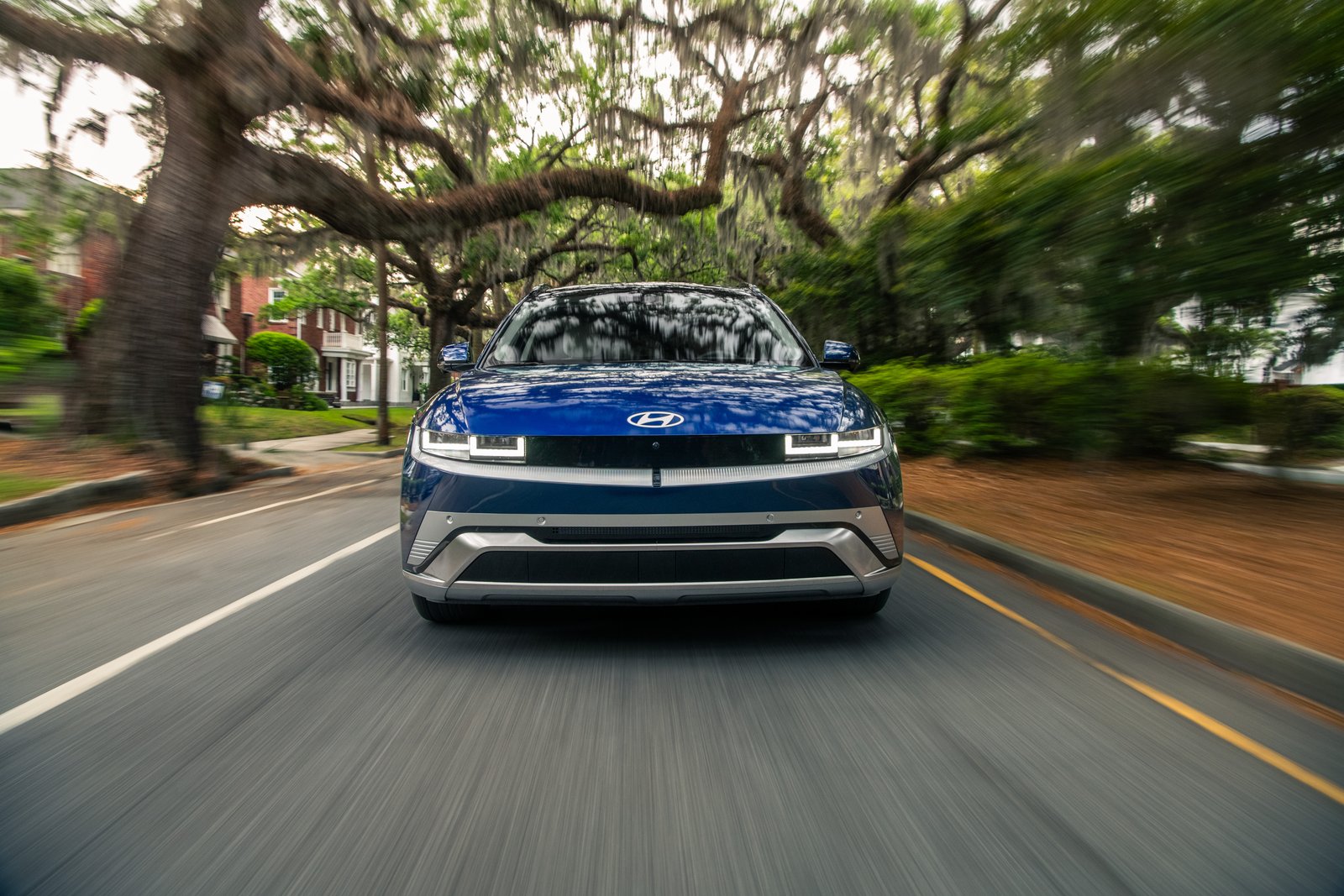
Hyundai's October 2025 price cut — $7,600 to $9,800 depending on trim — was framed by the company as a direct answer to the credit's expiration. The result is a $36,600 Ioniq 5 SE Standard Range and, more importantly, a $37,500 SE with the 84-kWh battery and 318 miles of EPA range for $39,100 all-in. That undercuts the cheapest Model Y by $2,500 before anyone starts haggling — and Hyundai dealers do haggle, with listings routinely showing thousands off sticker.
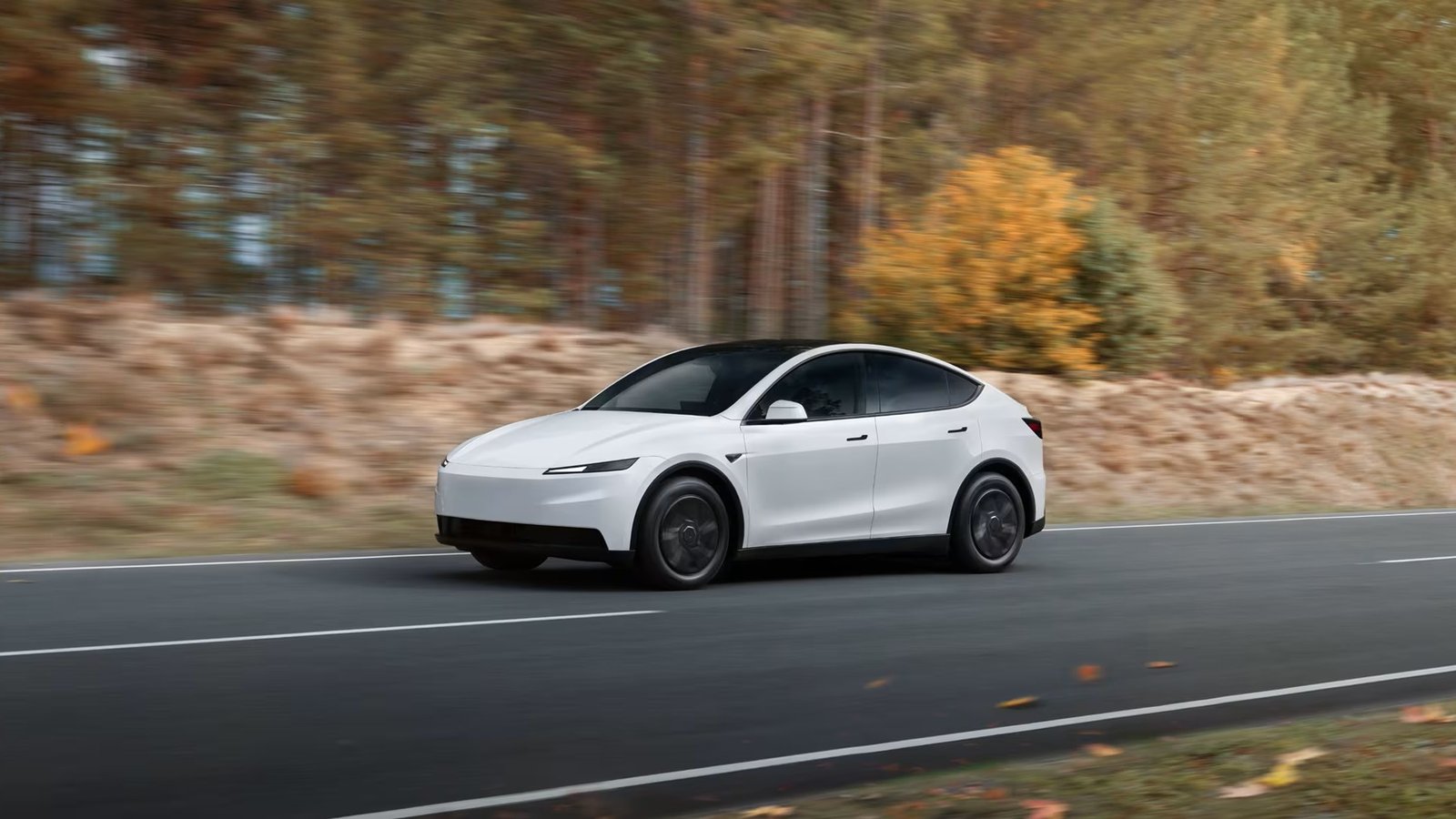
Tesla's answer arrived in early 2026 as the Model Y Standard: a decontented $39,990 entry car with 321 miles of range but no light bar, no ventilated seats and no panoramic roof. Above it sit the Premium trims — the renamed Long Range — at $45,990 and $49,990, the $57,990 Performance and the six-seat Model Y L at $61,990.
September's deals widen Hyundai's lead. The Ioniq 5 carries 0 percent APR for 60 months plus 90 days of deferred payments, or up to $3,000 in cash, with advertised leases from $319 a month on a 24-month term with $4,999 due at signing. Tesla's advertised Model Y leases start around $499 a month over 36 months with roughly $3,000 down, and the Model Y L is excluded from leasing entirely. Both programs are dated to expire September 30, and both companies reprice without notice — check the configurator before you sign anything.
Charging: same plug, different speeds
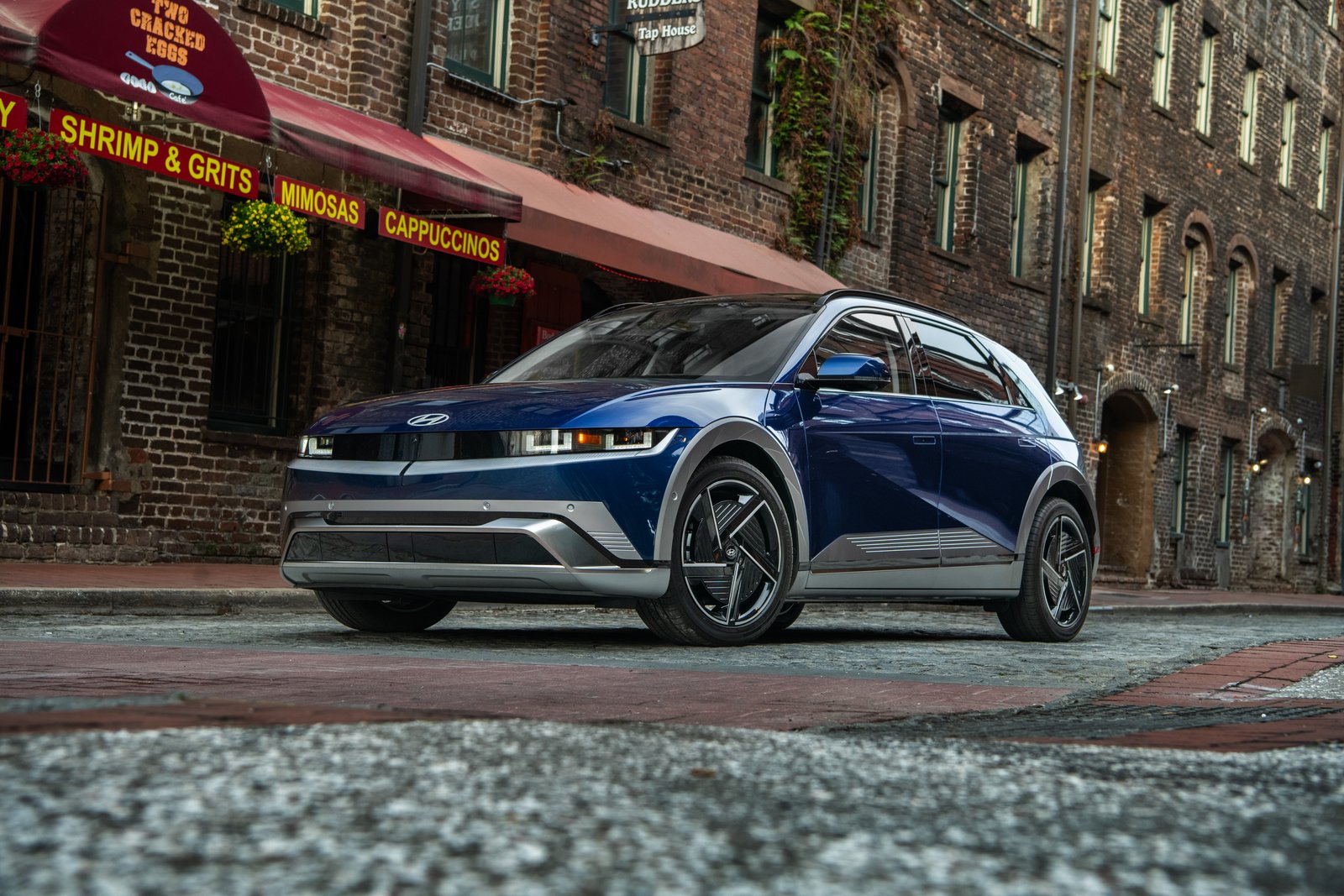
Every 2026 Ioniq 5, the 641-hp N included, has a native NACS port and Supercharger access, so the old "Tesla has the network" argument no longer settles this comparison. The speeds still differ — in a way that cuts both directions.
The Ioniq 5's 800-volt architecture is the faster hardware on paper: Hyundai quotes a 257-kW peak and a 10–80 percent charge in about 20 minutes on 350-kW stations such as Electrify America or Ionna, using the included CCS adapter. Plug the same car into a Tesla V3 Supercharger, though, and Hyundai's own figures say the rate caps at 135 kW and the same charge takes about 30 minutes, because most Superchargers can't deliver the voltage the E-GMP platform wants.
The Model Y peaks at 250 kW and needs roughly 27 minutes for 10–80 percent on Tesla's own network, per InsideEVs testing. In practice: on a Supercharger road trip the Tesla is quicker; at an 800-volt CCS or NACS station the Hyundai is. As Tesla rolls out higher-voltage V4 hardware, the Hyundai's disadvantage on Tesla's network should shrink — but that build-out is gradual.
Software: $99 a month vs. included
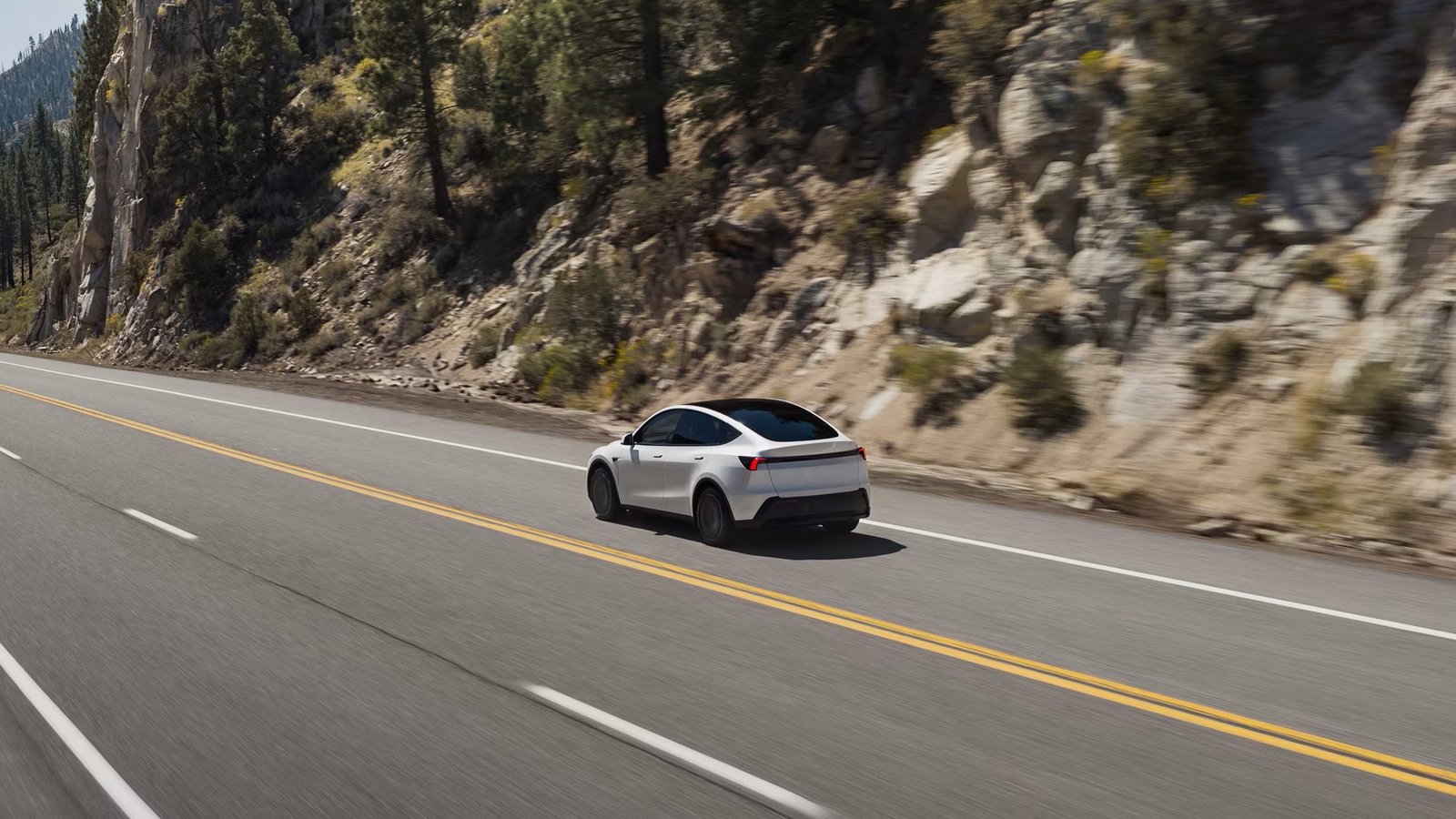
This is now the starkest difference between the two. Since January 23, a new Model Y ships with Traffic-Aware Cruise Control and active safety — and nothing that steers. Basic Autopilot is gone from new orders, lane centering lives behind the Full Self-Driving (Supervised) subscription, and FSD is subscription-only at $99 a month: the one-time purchase ended February 14, and license transfers ended March 31. Kept for a year, that's $1,188 for lane centering a Corolla includes as standard. Our full breakdown of what a 2026 Tesla does and doesn't include covers the details.
Every 2026 Ioniq 5 includes Highway Driving Assist — adaptive cruise with lane centering — at no extra cost, and from the $39,800 SEL up, Highway Driving Assist 2 adds lane-change and evasive-steering functions. There is no subscription for any of it. Tesla's counterargument is capability: FSD (Supervised) attempts city streets, turns and intersections, which nothing Hyundai sells will do. Whether that is worth $99 every month is exactly the kind of question a $7,500 credit used to blur and now comes straight out of your pocket.
What we don't know
- Real transaction prices. Hyundai dealers discount below sticker and Tesla doesn't negotiate, so the on-paper gap and the real-world gap are different numbers no one publishes nationally.
- Tesla's model-level sales. Tesla doesn't report them; every Model Y figure here is a Cox Automotive estimate.
- October offers. Both companies' September programs expire on the 30th.
- Federal crash ratings for the 2026 Ioniq 5 — NHTSA hasn't yet rated the current car, though the IIHS award carries over.
Which one should you buy?
For most buyers, the Ioniq 5 SE rear-wheel drive is the stronger purchase in September 2026. At $39,100 with destination against $41,630 for the cheapest Model Y, it gives up essentially nothing on range — 318 miles against 321 — while adding standard lane centering, a 10-year battery warranty and 0 percent financing Tesla isn't matching. Dealer discounts only widen that gap.
The Model Y earns its price in three specific cases: you regularly drive long Supercharger-corridor trips, where its native charging speed and trip planning still work best; you want the 357-mile Premium RWD, which out-ranges every Ioniq 5; or you need three rows, which Hyundai doesn't offer in this car at any price. And if you're cross-shopping the fast ones, the $61,500 Ioniq 5 N against the $59,630 Model Y Performance is a genuine toss-up — the Tesla is quicker and goes farther, the Hyundai is the one that behaves like a driver's car.
What neither car gets back is the $7,500. A year on, Hyundai has effectively eaten the credit on the buyer's behalf; Tesla has asked the buyer to finance around it. That, more than any line in the table, is the real choice.