Used EV Prices Are Up 8%. Should You Buy Now or Wait for Lease Returns?
Used EV prices are 8% higher than a year ago, but more than half of listings now sit under $30,000 — and a wave of three-year-old lease returns is just getting started.
Used electric cars cost more than they did a year ago, which is the opposite of what most shoppers expected. The average used EV listed for $37,441 in August, 8.2% more than in August 2025, according to Cox Automotive's EV Market Monitor. Yet the affordable end of the market has never been deeper: more than half of the used EVs listed in September were priced under $30,000, per battery-analytics firm Recurrent.
Add the end of the federal used-EV credit (here's what changed a year after the EV tax credit expired) and a growing stream of three-year-old lease returns, and this is an unusual moment to shop. Here's what the data says, how to check a battery before you sign, and what nobody can tell you yet.
The short answer
If you need a car now and find a well-documented two- or three-year-old EV under $30,000, the data doesn't make a strong case for waiting. Prices have stopped climbing but haven't fallen, and the effect of the coming lease returns is a projection, not a fact.
If you can wait and aren't set on one model, more supply is on the way. So is the risk that cheaper gas or stronger demand cancels out any discount you were hoping for.
What used EVs cost right now
Cox counted 44,350 used EV sales in August, up 14.7% from a year earlier and equal to 2.8% of the used market. Days' supply fell to 42, matching gas and hybrid inventory for the first time this year. In plain terms, used EVs are now selling about as fast as everything else.
Their premium over comparable gas-powered cars has narrowed to about 8%. Recurrent's September 30 market update finds that prices have leveled off since a June peak rather than retreating, and they remain roughly 8% above last year.
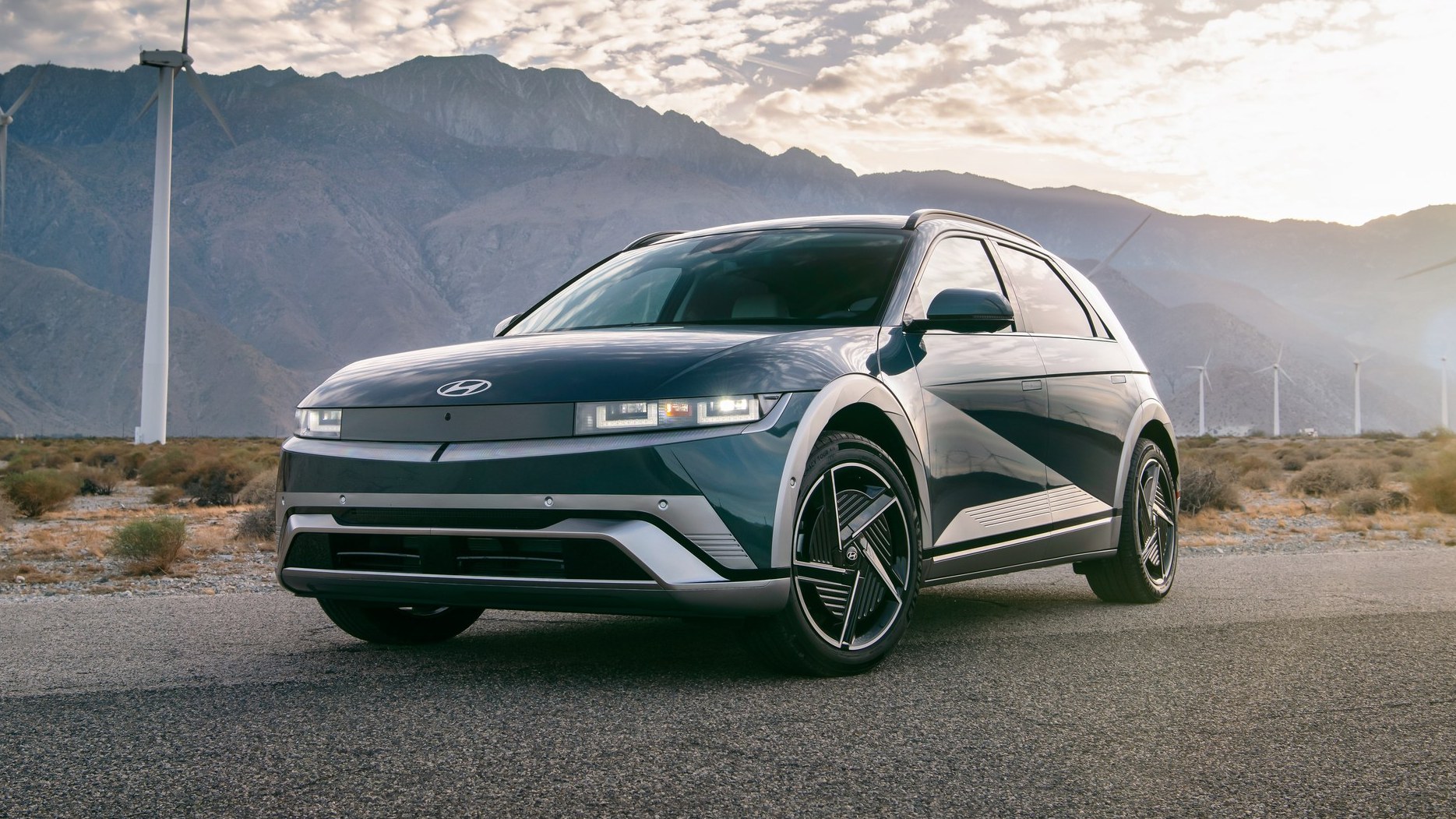
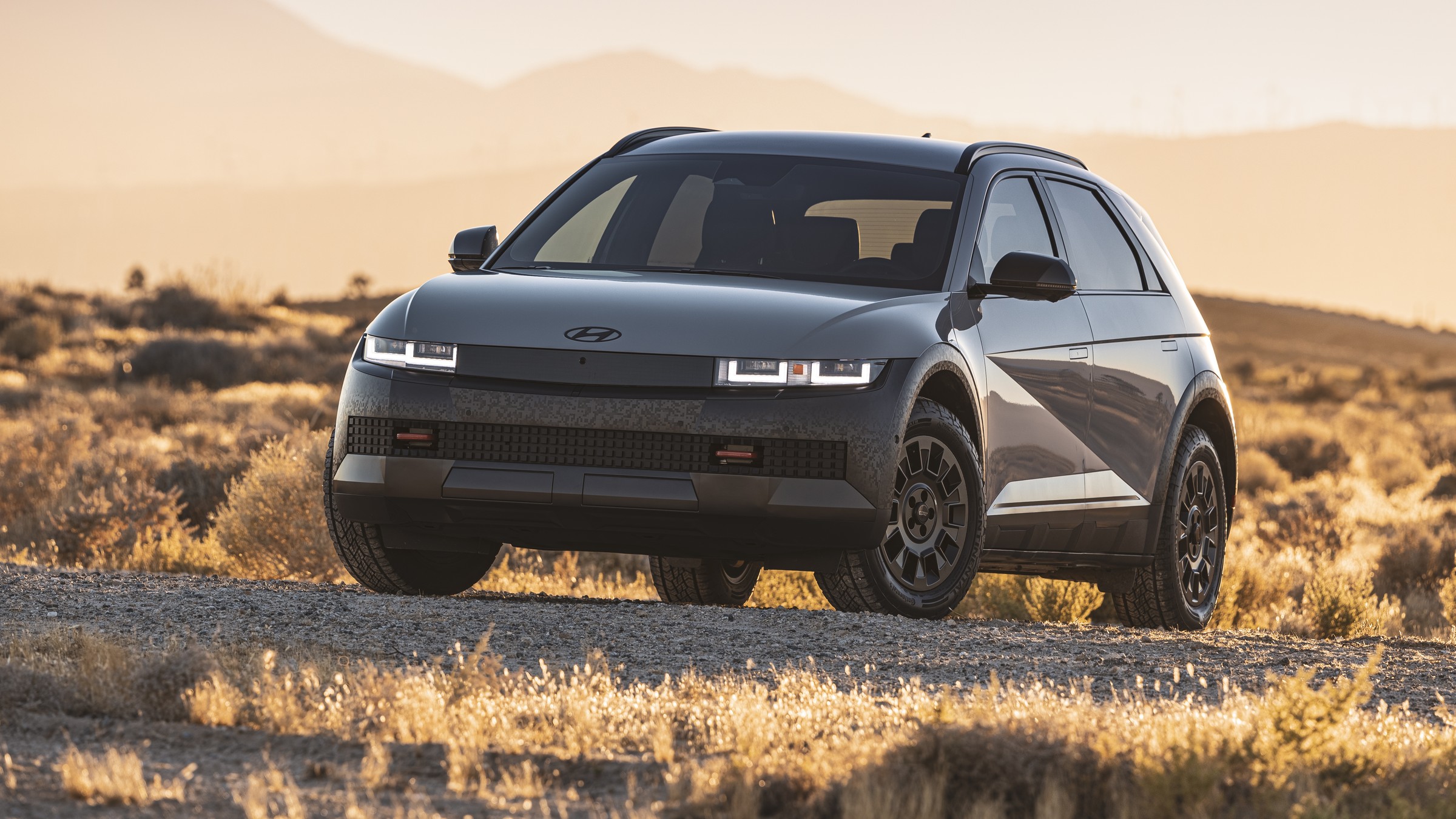
Three-year-old mainstream crossovers are where the value clusters. Recurrent's September averages put a 2023 Hyundai Ioniq 5 at $28,231, a 2024 Ioniq 6 at $27,165, and a 2020 Tesla Model Y at $26,363. The quickest sellers from June to September were the Chevrolet Bolt EV (median $17,990, 13 days to sell), the Tesla Model Y ($33,490, 15 days), and the Chevrolet Equinox EV ($28,390, 16 days).
If you're torn between the two most common crossovers, our Tesla Model Y vs. Hyundai Ioniq 5 comparison breaks down how they differ. For a new-car baseline, check the cheapest new EVs on sale in the U.S. before you settle on a used one.
One caution on headlines this fall. September 2025 was the last month of the used-EV credit, so sales spiked; October 2025 then collapsed. Recurrent expects September 2026 year-over-year numbers to look flat and October's to look like a surge. Neither is the real story. Watch the two-year trend instead.
The lease-return wave: how big is it?
EVs leased in 2023, the first year the $7,500 federal credit could be applied to leases, are reaching the end of typical 36-month terms. Estimates of how many are coming back differ, so treat each as one firm's projection:
- Cox Automotive, as reported by WardsAuto in July, puts EV lease maturities at about 301,000 in 2026: 105,653 in the first half and 195,446 in the second. EVs' share of all lease maturities climbs from 9.9% this year to 13.6% in 2027 and 18.4% in 2028.
- Deloitte, in an April report summarized by CBT News, projects 300,000 EV lease expirations in 2026, doubling to 600,000 in 2027.
Cox's chief economist has said many of these cars are worth well below their lease buyout prices. That's why more of them are expected to go back to lenders and on to auction instead of being bought by the original driver, which means more choice on dealer lots.
Whether more supply also means lower prices depends on demand, and demand is strong for now. With gas around $4.46 a gallon in late September, more than a dollar above a year earlier by AAA's count as cited by Recurrent, used-EV sales have grown even while overall used-car sales slipped.
No tax credit this time
The federal Previously Owned Clean Vehicle Credit, worth up to $4,000 on a used EV sold by a dealer for $25,000 or less, does not apply to any vehicle acquired after September 30, 2025, according to the IRS. A listing that still advertises it is out of date. State incentives, where they exist, are separate, so check with your state's energy office.
Battery health: what the data shows
Battery worries are the main reason shoppers hesitate, and the numbers are reassuring for recent cars. In a November 2025 study of more than 30,000 EVs in its owner community, Recurrent found that fewer than 4% had needed a battery replacement outside of major recalls, a figure that includes cars more than 10 years old.
The rate was about 8.5% for first-generation EVs from 2016 and earlier, around 2% for second-generation cars such as early Bolt EVs and Model 3s, and 0.3% for 2022 and newer models.
Gradual capacity loss is a separate question. Fleet-telematics firm Geotab's 2025 analysis, cited by AAA and Kelley Blue Book, puts the average at 2.3% per year. Cars that leaned heavily on DC fast charging above 100 kW lost up to 3% a year, against roughly 1.5% for cars charged mostly at lower power, and hot climates added a little more. It's worth asking a seller how the car was charged.
How to check a used EV before you buy
- Get a battery-health report. Recurrent sells one, and AAA recommends it; some listing sites, including Kelley Blue Book, now show battery scores on many used EVs. Ask whether the seller already has a report.
- Run your own range test. AAA's method: have the car fully charged, drive about 40 miles on flat roads with the climate control off, and see whether the range estimate drops by roughly 40 miles. A much bigger drop is a red flag.
- Book a pre-purchase inspection at a dealer for that brand or an independent shop that services EVs, and ask it to read battery and charging-system fault codes.
- Check the warranty clock. The common battery warranty runs 8 years or 100,000 miles, usually against capacity falling below 70%. Hyundai has offered 10 years or 100,000 miles on its EV batteries since 2020, and Nissan's threshold on the Leaf is 75%. Confirm the original in-service date and whether coverage transfers to a second owner, since terms vary by brand.
- Run the VIN through NHTSA's recall lookup and the automaker's own campaign tool, and ask for records showing completed work.
Model-specific flags
Chevrolet Bolt EV and Bolt EUV (2017–2022): about 110,000 cars were recalled over battery fire risk. GM replaced every module in 2017–2019 Bolts and defective modules in 2020–2022 cars, and the new modules carry their own 8-year/100,000-mile limited warranty. Ask for paperwork showing what was replaced and when, since that tells you how much of that coverage remains.
Hyundai Ioniq 5 and Ioniq 6: the Integrated Charging Control Unit, or ICCU, which manages charging, has been a known failure point. In a May 2026 service bulletin filed with NHTSA, Hyundai extended ICCU coverage to 15 years or 180,000 miles for 2022–2024 Ioniq 5 and 2023–2025 Ioniq 6 models built within specified date ranges. Have a Hyundai dealer check the VIN.
Ford Mustang Mach-E: confirm that open recalls have been closed, including the recent Mach-E battery-control software recall.
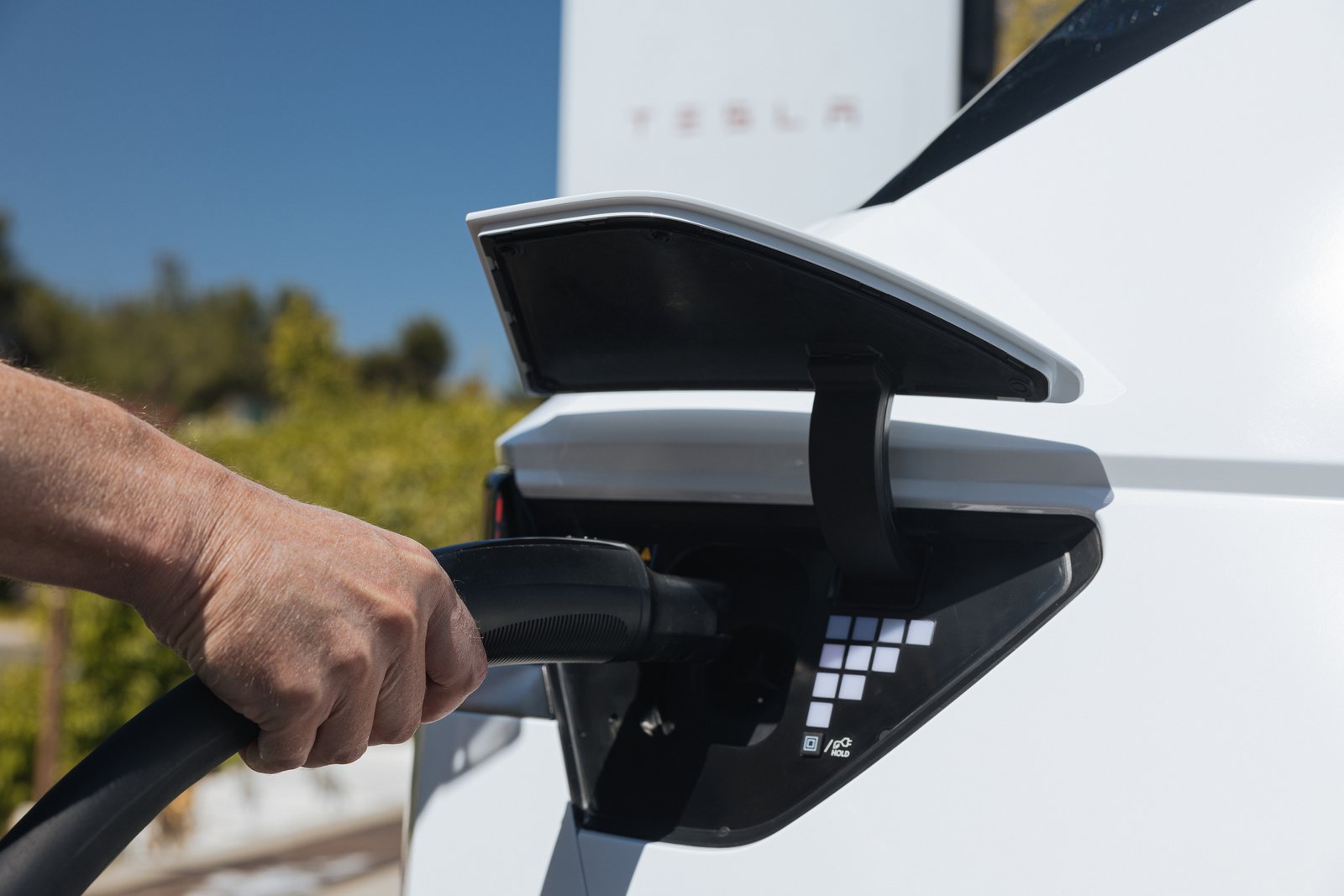
Charging ports: many older non-Tesla EVs use the CCS1 plug, so Supercharger access depends on the brand and an approved adapter. Our guide to which EVs can use Tesla Superchargers lists who's in.
What we don't know yet
- How far the lease-return wave will push prices. Cox and Deloitte disagree on volumes, and neither projection is a price forecast.
- Whether demand holds if gas gets cheaper. Dealers and analysts quoted by Recurrent expect EV buyers to stay loyal, but wholesale values have eased slightly in recent months, and wholesale tends to lead retail.
- Current prices by model year for the Tesla Model 3, Ford Mustang Mach-E, and 2022–23 Bolt. The primary sources we checked don't publish them, so compare local listings and valuation tools before you negotiate.
Buy now or wait?
Buy now if you need a car and have found a 2022-or-newer EV with a clean battery report, documented recall work, and warranty left, priced in line with similar listings for its year and model. Holding out for a discount nobody can promise trades a known good car for an unknown price.
Wait if your current car has life left and you're flexible on model. Cox expects second-half 2026 lease maturities to nearly double the first half's, and both estimates show 2027 larger still, so selection should keep improving. Just don't plan around a specific price drop. The forecasts don't agree on one.