Tesla's Roadster Finally Has a Date — and Four Questions It Can't Dodge
Tesla moved the second-generation Roadster reveal from October 1 to October 15, blaming the weather — its sixth target date this year alone. Price, delivery timing, the 2017 deposits, and the 2017 specs are all still open.
Tesla put a date on the second-generation Roadster, then moved it. The invitation-only reveal was set for October 1, 2026, near Waco, Texas, after the company posted "Go for launch" on X on September 12 above a graphic reading "10.01," started a countdown on its Roadster page, and began sending digital tickets to reservation holders. Elon Musk replied to the post with "New Tesla Roadster Unveil 10.01." On September 28, three days before the event, Tesla pushed it to Thursday, October 15, saying on X that severe weather was forecast and that the event "can only be held outdoors," as Electrek and TechCrunch reported.
The original logistics, per the invitations attendees shared: 8:30 p.m. ET (5:30 p.m. PT), guests 21 and over only, tickets non-transferable, with RSVPs closed at midnight PT on September 16. Tesla has not given a start time for October 15 or said whether those tickets carry over. Electrek reports the venue is SpaceX's rocket test site in McGregor; Tesla itself has not named it, said whether the event will be streamed, or described what will be on the stage.
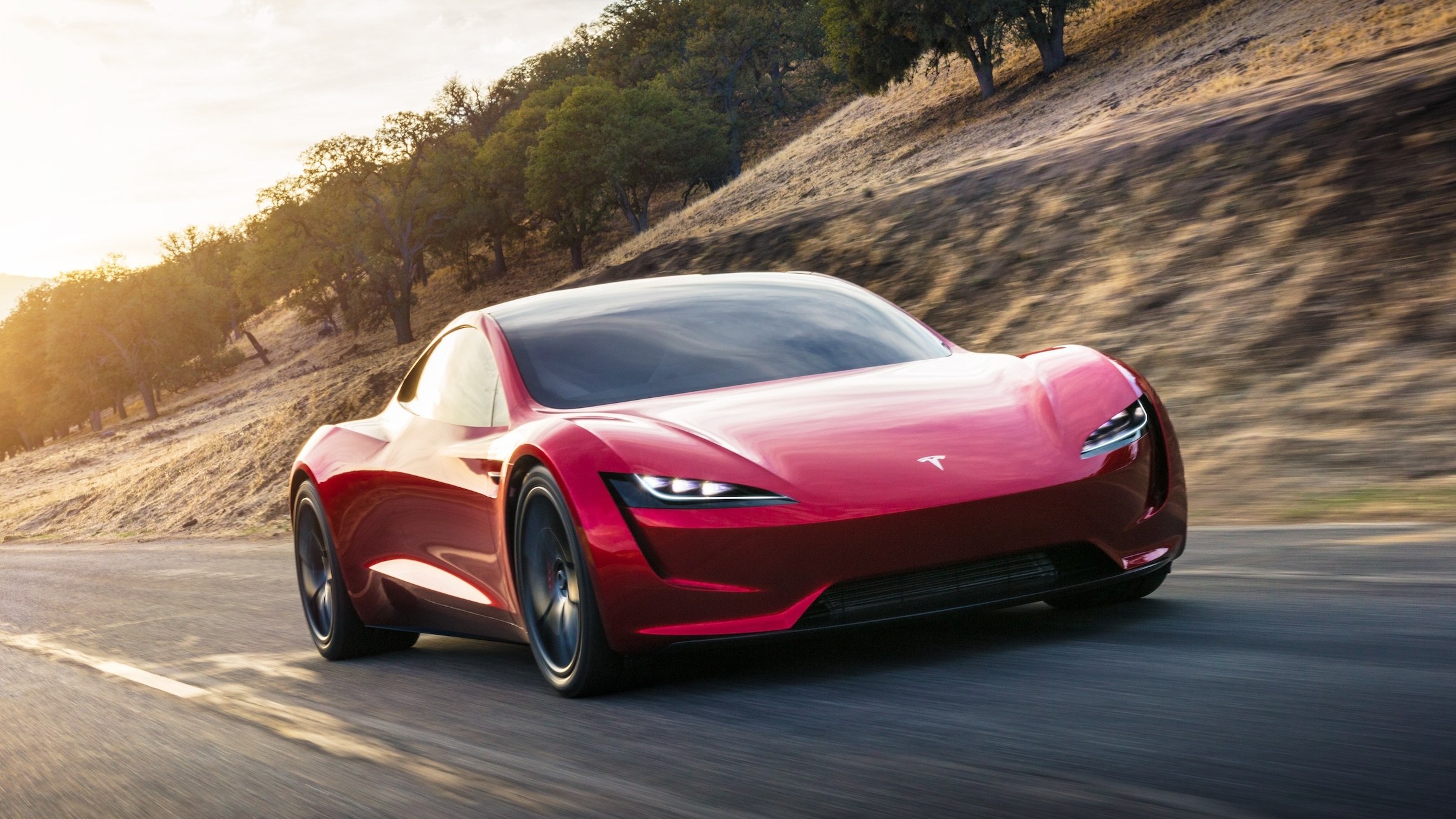
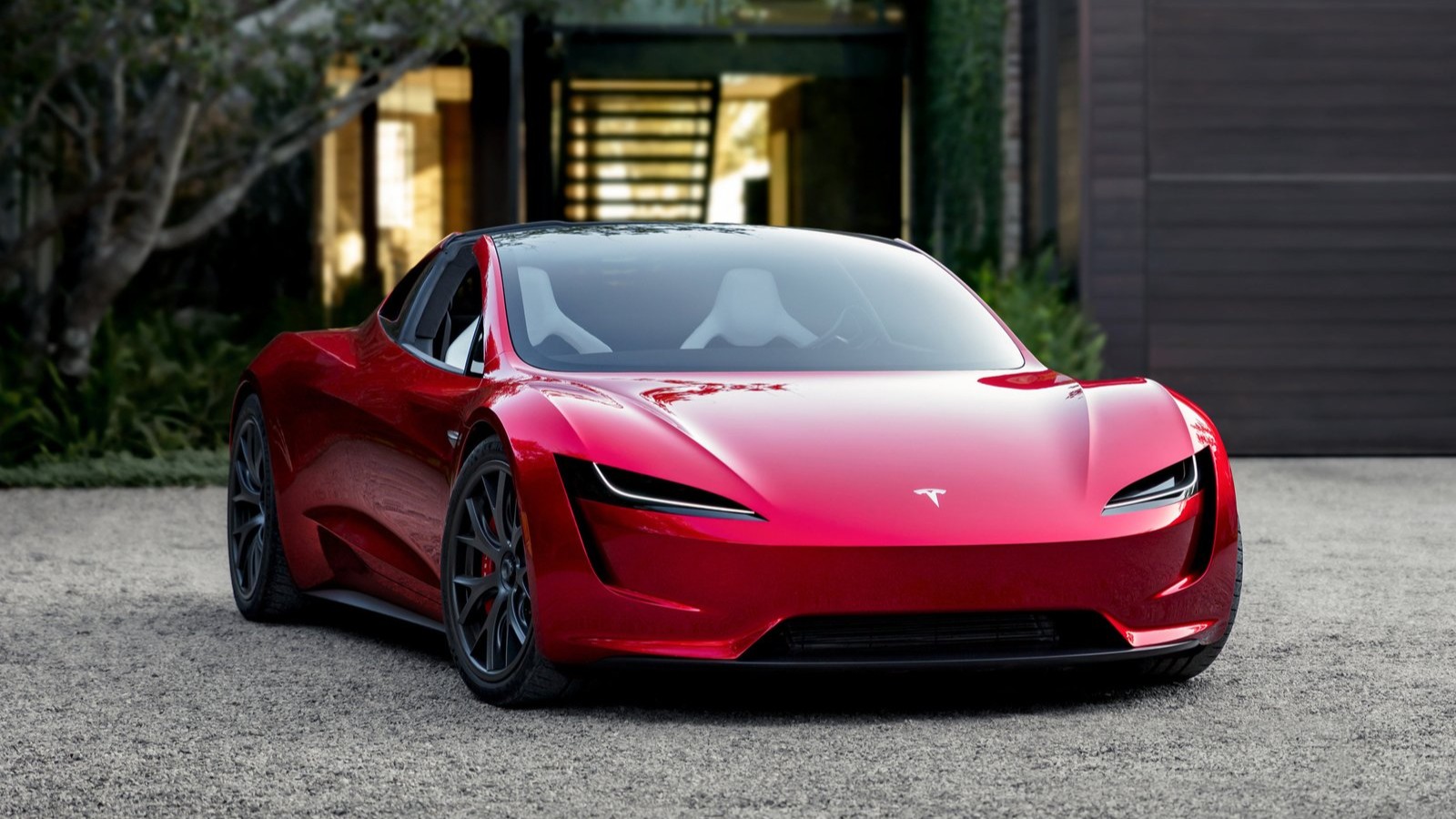
That last gap is the story. The Roadster was shown as a prototype in November 2017 with a 2020 production target and $50,000 and $250,000 deposits. Nine years on, a date is not an answer. These four questions are what Tesla has to settle on October 15.
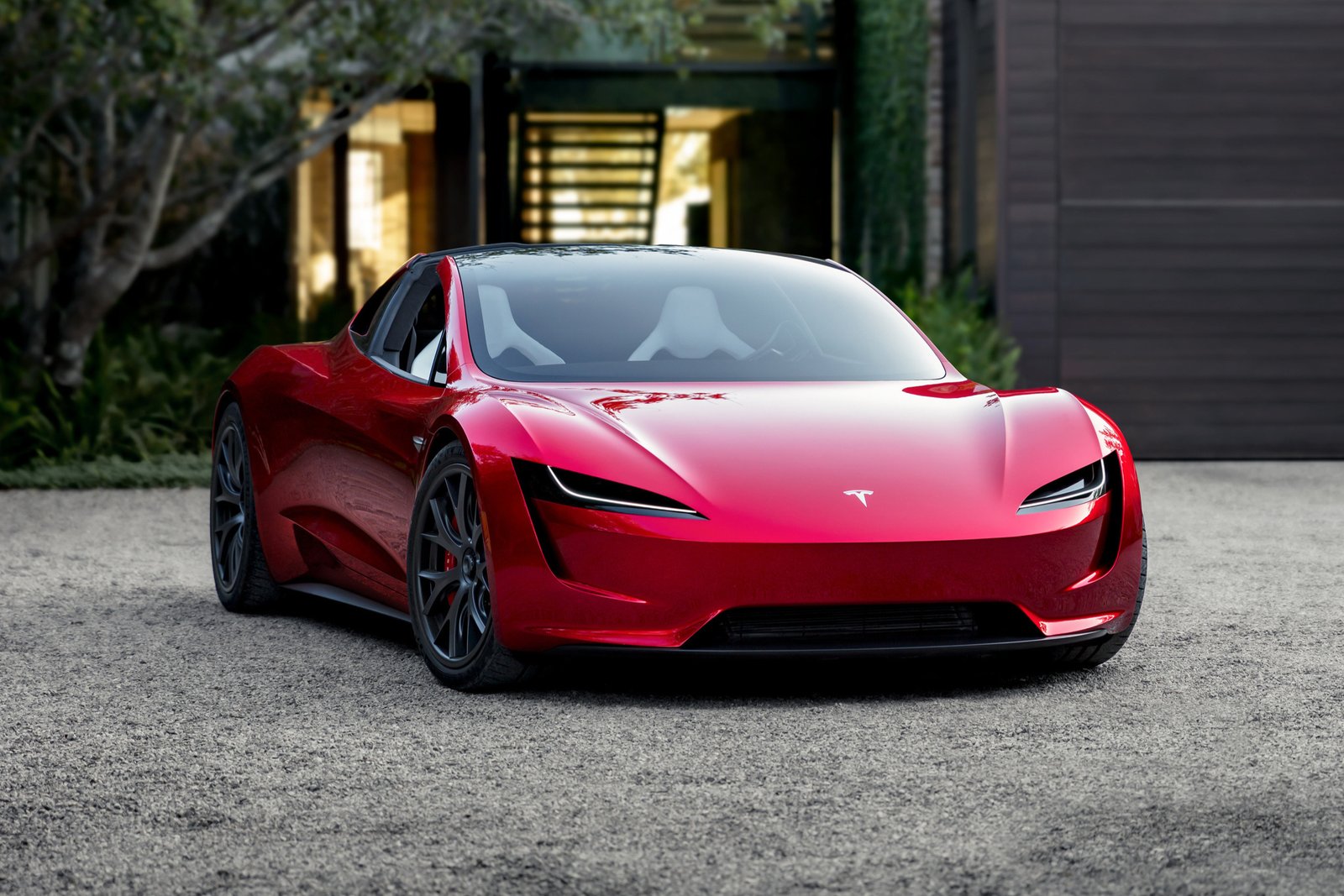
1. Is this the car people will buy, or a stunt?
Musk has said the production Roadster will be "very different" from the 2017 prototype. Reporting by The Information, relayed by Electrek in June, describes the delayed event as a showcase for a SpaceX-developed cold-gas thruster package, code-named A71, that Musk has long claimed will let the car briefly leave the ground. Waco sits near SpaceX's McGregor test site, which the same report named as the planned demo location.
Musk's own framing points the same way. On the All-In podcast on September 15, as Benzinga reported, he said "success is not guaranteed, but excitement is," and explained the in-person guest list this way: "We need an audience to vouch for the fact that this is not AI." Host Jason Calacanis said he had been shown a preview and took it for a simulation until Musk told him it was real. That is a promise about a demonstration, not about a car a customer can order.
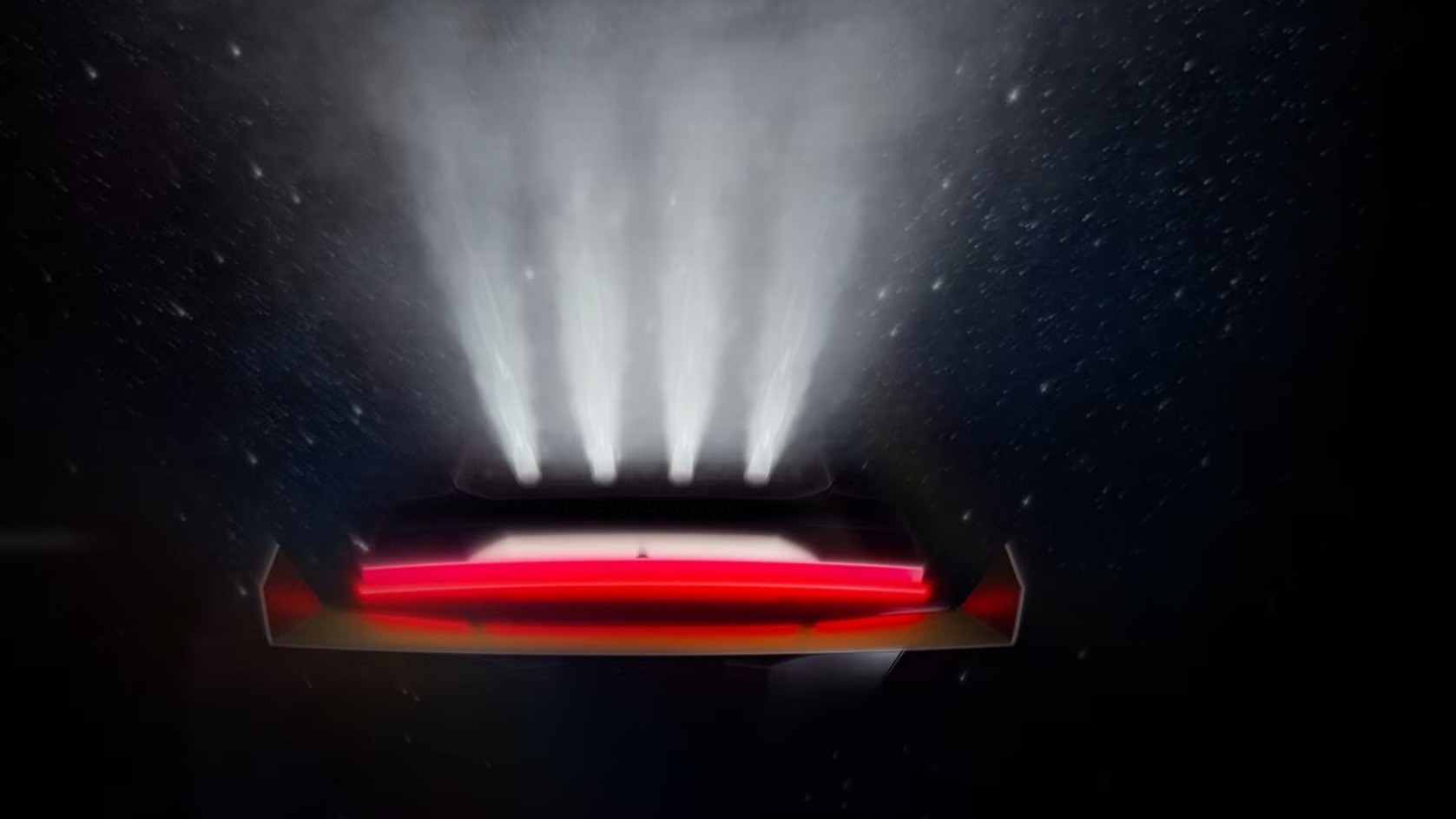
The teaser on tesla.com fits that reading. It shows the car from behind in near-darkness: a low, angular tail with a full-width red light bar, a fin at each corner, and four white plumes rising from the rear deck. It does not show a wheel, a door, or a cabin, and Tesla has not said what the plumes are. What matters to a buyer is whether the car on stage is a production-intent vehicle with a specification Tesla will commit to, or a one-off thruster demo. Tesla has said only that the Roadster is in testing and will be built at Gigafactory Texas.
2. When does a customer actually get one?
October 15 is the sixth Roadster date of 2026 alone. Musk set April 1 at the November 2025 shareholder meeting and joked that the date gave him "deniability." It moved to late April in March, to "a month or so" on the first-quarter earnings call in April, to "August or later" per The Information in June, to October 1 in September, and now, with three days' notice, to October 15.
The more useful number is Musk's own production formula from that same November meeting: production starts 12 to 18 months after the demo. Count from October 15, 2026, and the first cars land between mid-October 2027 and mid-April 2028, seven to eight years past the original promise. Unless Tesla names a quarter on stage, that window is the only schedule a reservation holder has.
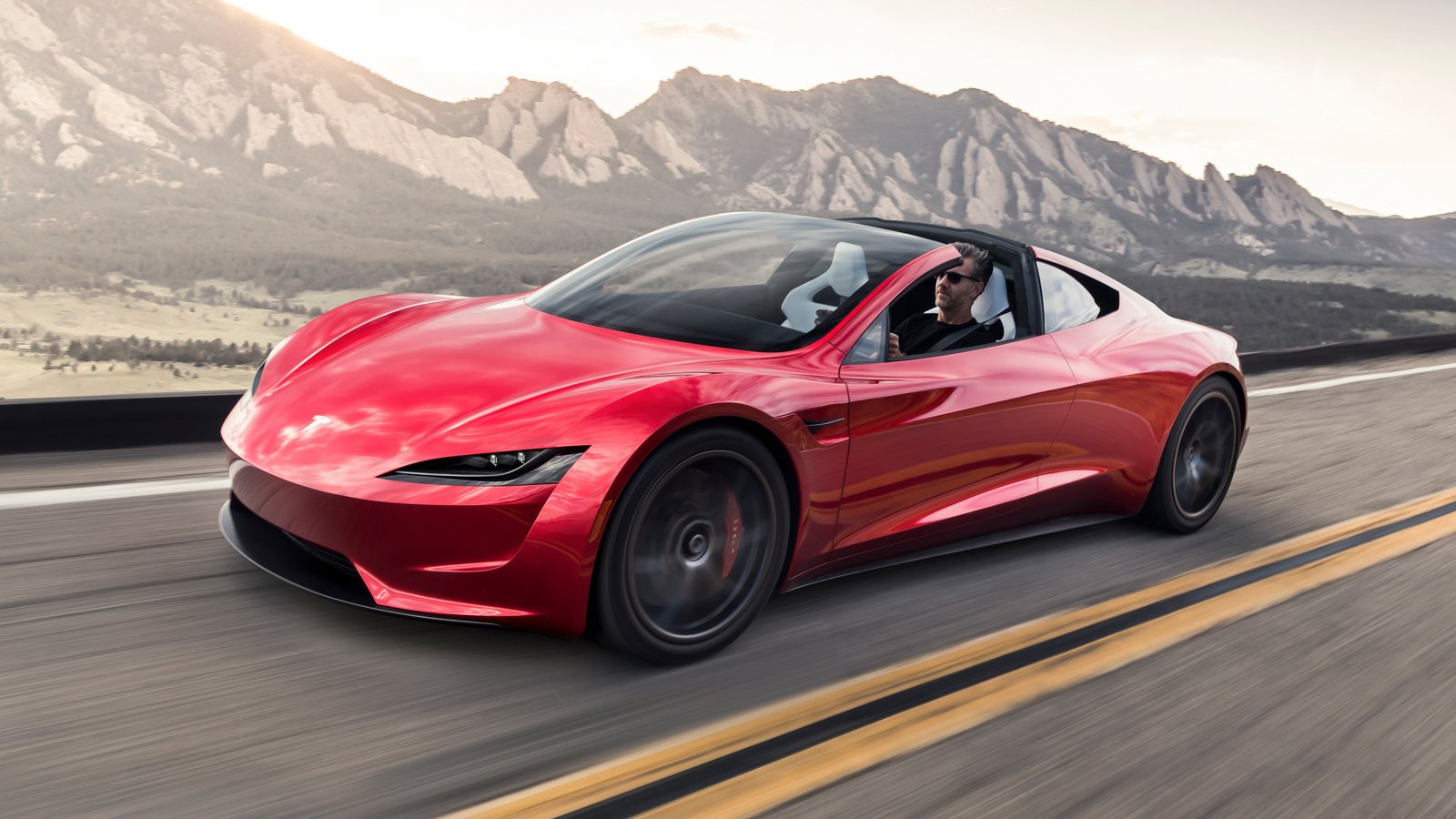
3. What does it cost, and what happens to the 2017 money?
Tesla quoted $200,000 for the base car and $250,000 for a 1,000-unit Founders Series in 2017. In December 2021 it removed both prices from its website and stopped taking Founders Series reservations, as Electrek documented at the time. Tesla is taking reservations again now: as of September 18 and 19, per TeslaNorth and Not a Tesla App, the page accepts a $5,000 card payment followed by a $45,000 wire within 10 days, and the European equivalent is €43,000, split as €4,000 and €39,000. Whether the page was ever closed in between is not clear from the record. What is clear is that no price is attached: Tesla's own reservation agreement calls any purchase figure "only an estimate," and the company has not published a Roadster price since 2021. For what a deposit does and doesn't buy you today, see our Tesla Roadster price, specs and release date hub.
So the buyer's question has three parts: what does the car cost now, do 2017 depositors keep the figure they reserved against, and do Founders Series holders keep their place at the front of the line? Musk said in November 2025 that Founders Series customers would be invited to the demo, and the tickets went out in September. That is a courtesy, not a contract term.
4. Do the 2017 numbers survive?
The prototype's claims of 0–60 mph in under 2 seconds, a top speed above 250 mph, and 620 miles of range from a 200-kWh battery have never been attached to a production car, and Tesla has never named a test cycle for the range figure. Musk has since talked up a sub-1-second 0–60 with thrusters, a version reporting has described as a limited, track-only product. If the specification Tesla commits to belongs to the thruster car, the standard Roadster's numbers stay unknown; if it belongs to the standard car, the thruster figures stay marketing until a customer can order them.
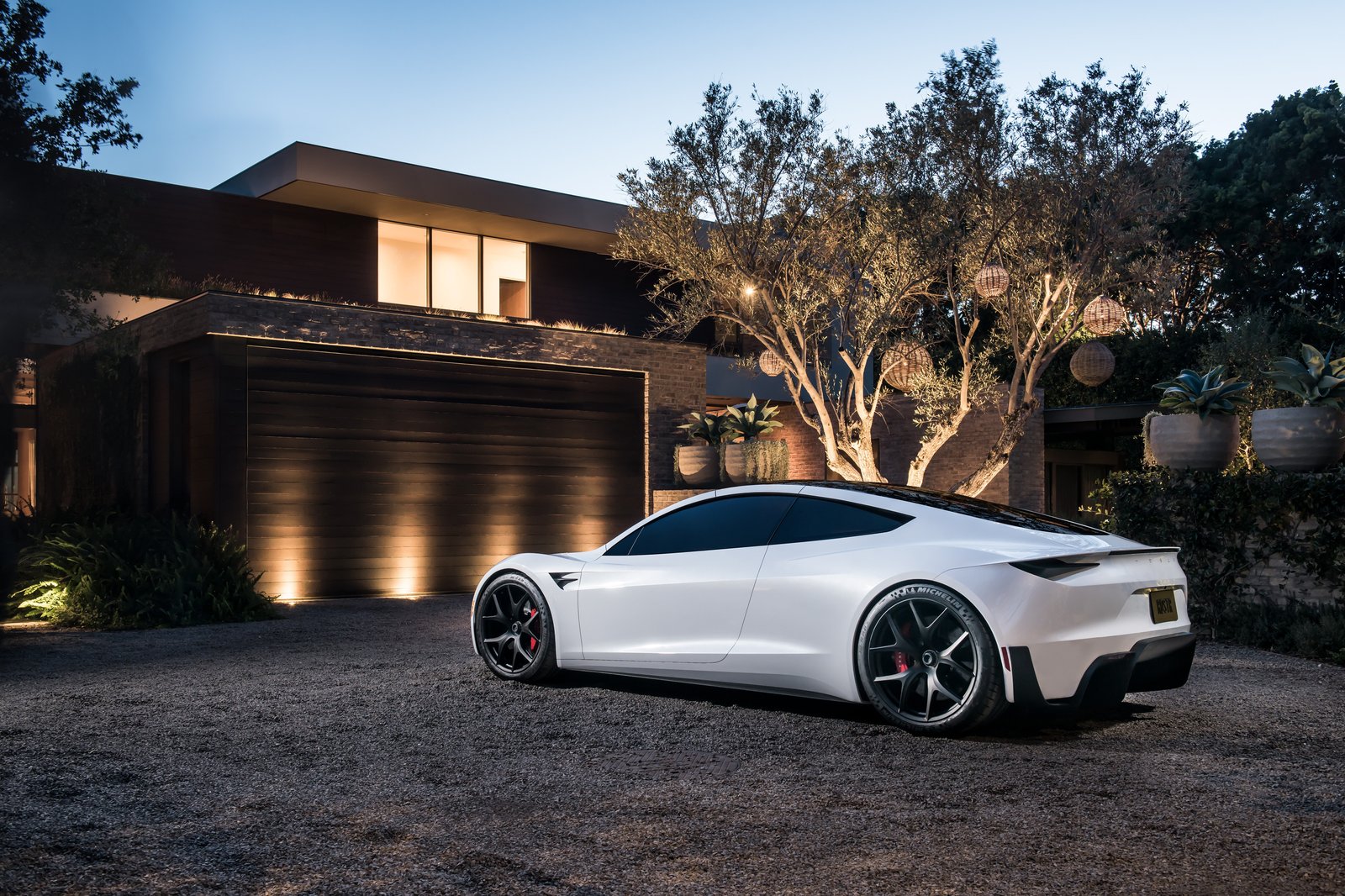
Tesla's own history argues for patience with whatever is quoted. Its two other long-gestation reveals reached customers only after four to five years each, with numbers and prices that moved along the way. OctaneDaily tracks both: what a Cybertruck costs now and how long you'll wait, and the questions the European Semi still has to answer at IAA.
What the date change tells you
The original slot was not random. October 1 fell the day after Tesla closed its third quarter, four weeks after it opened Cybercab rides to the public in Austin, and at the end of a September in which it also rolled out the European Semi ahead of IAA. A Roadster reveal at the close of that run read as a bid for attention as much as a launch plan. Tesla blamed the weather for the move; Electrek noted that the forecast showed conditions clearing well before two weeks were up. Either way, a new date only helps if the four questions above get answers. If they don't, October 15 becomes the seventh date instead of the last one.
For readers with a Tesla in the driveway rather than a deposit on file, the changes that matter in 2026 are elsewhere; start with what replaced Autopilot and what you get now. We will update this story once Tesla puts specs, price, and timing on the record.