The Best Audi, BMW, and Cadillac Tech Is Sold Only in China — Here's Why
At Chengdu, Audi sells cars without its rings, BMW's voice assistant runs DeepSeek, and Cadillac's newest hybrid speaks Chinese. None of it is coming to America — by design.
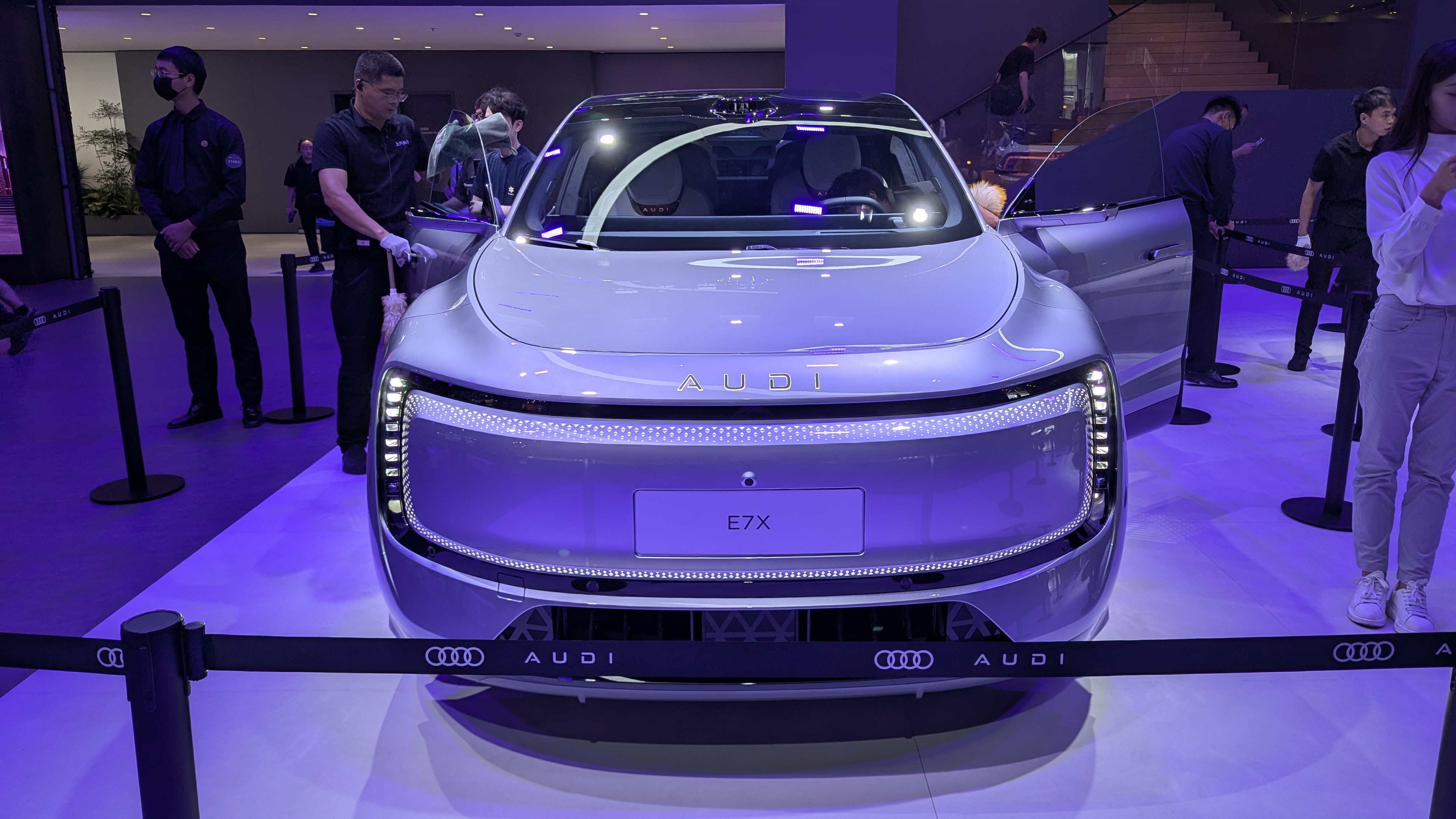
The four rings appear exactly once at the AUDI stand in Chengdu — printed on the crowd-control tape around the E7X. The car itself wears block letters on its nose, a light-up A-U-D-I where a century of badge equity used to live. Our photographers spent two days on the floor of the Chengdu Motor Show (August 21–30), and that tape barrier is the image I keep coming back to.
Here is the argument I'd make after walking every Western stand at the show: legacy automakers are no longer adapting their global cars for China. They are building a second identity there — parallel platforms, parallel electronics, parallel software partners, in one case a parallel brand. The badge is often the last component still sourced from headquarters.
An Audi with no rings
The AUDI E7X is the second production car from AUDI — the all-caps, China-only brand Audi launched with SAIC in November 2024 — and its first SUV, following the E5 Sportback. It went on sale in May from 269,800 yuan (about $39,800), undercutting its own pre-sale price by 20,000 yuan. The hardware underneath is almost entirely local: CATL batteries of 100 and 109 kWh on a 900-volt platform, up to 751 km (467 miles) of range on China's optimistic CLTC cycle, and Momenta's R7 assisted-driving stack. The dual-motor version makes 670 hp (500 kW) and hits 62 mph in 3.9 seconds.
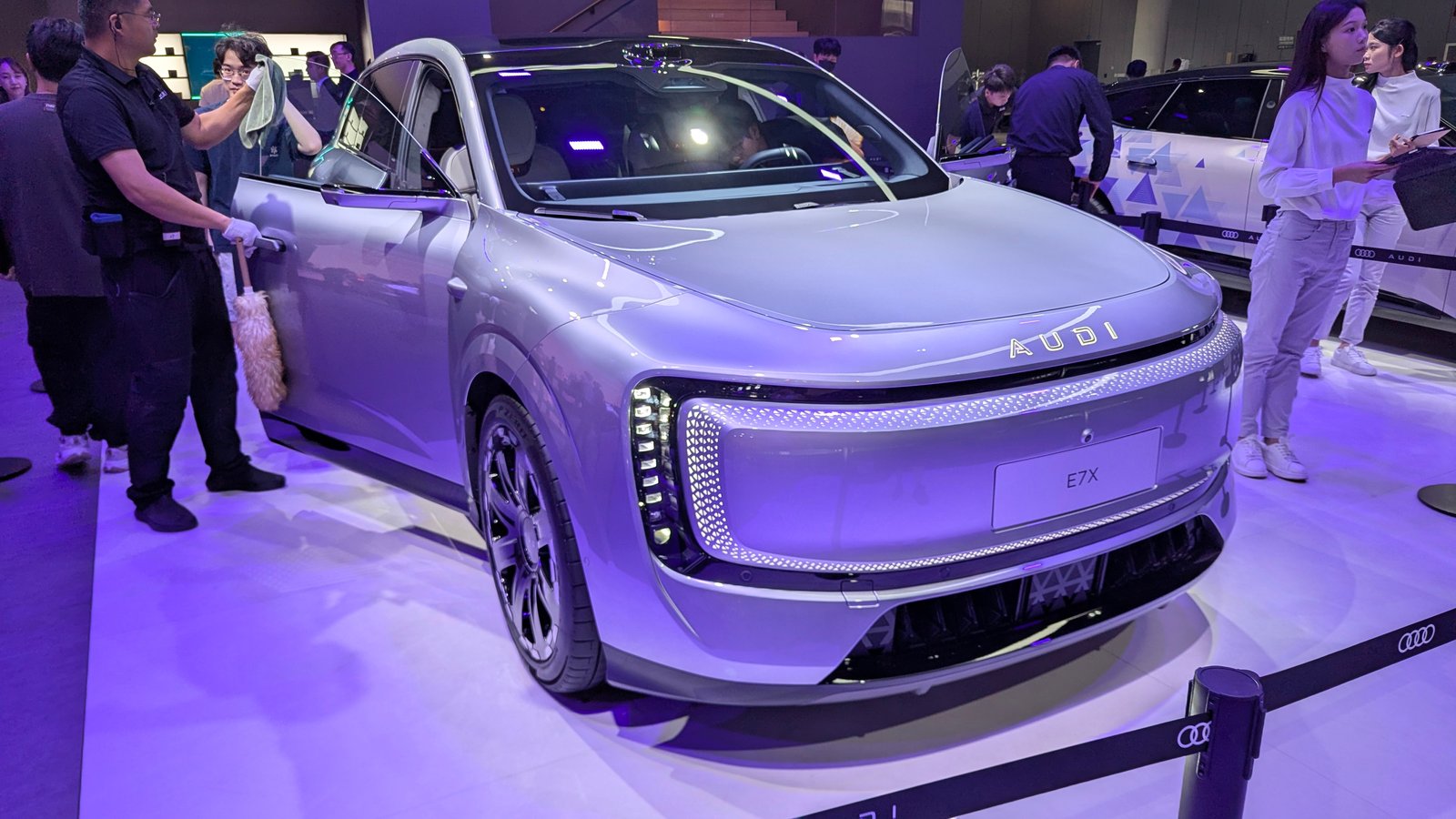
Standing next to it, what strikes me is how little of the car asks permission from Ingolstadt. The design language, the Advanced Digitized Platform co-developed with SAIC, the pricing aimed squarely at the Xiaomi YU7 and Tesla Model Y — this is a brand built to fight a Chinese war with Chinese weapons, wearing a German name as armor.
Volkswagen's three parallel product lines
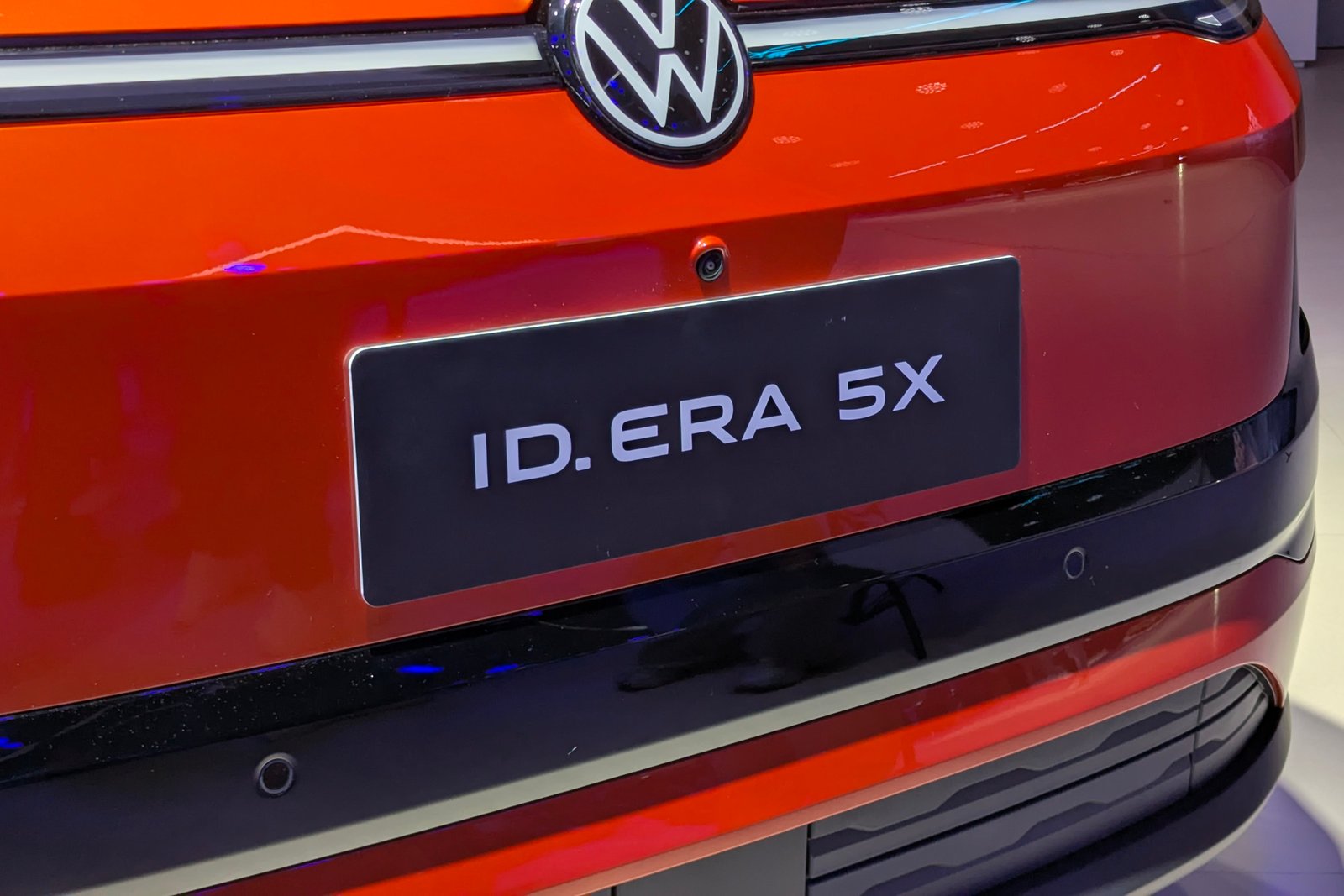
Volkswagen now effectively runs three product universes in China, one per joint venture. The newest is the ID.ERA family from SAIC Volkswagen, and the ID.ERA 5X on the Chengdu stand is its first battery-electric model — and Volkswagen's first production car globally on the new CMP platform with the CEA electronic architecture co-developed with Xpeng. A lidar module sits on the roof edge, feeding an end-to-end urban navigation assist. The software Achilles' heel that delayed VW's European launches has been outsourced to a Chinese EV startup.
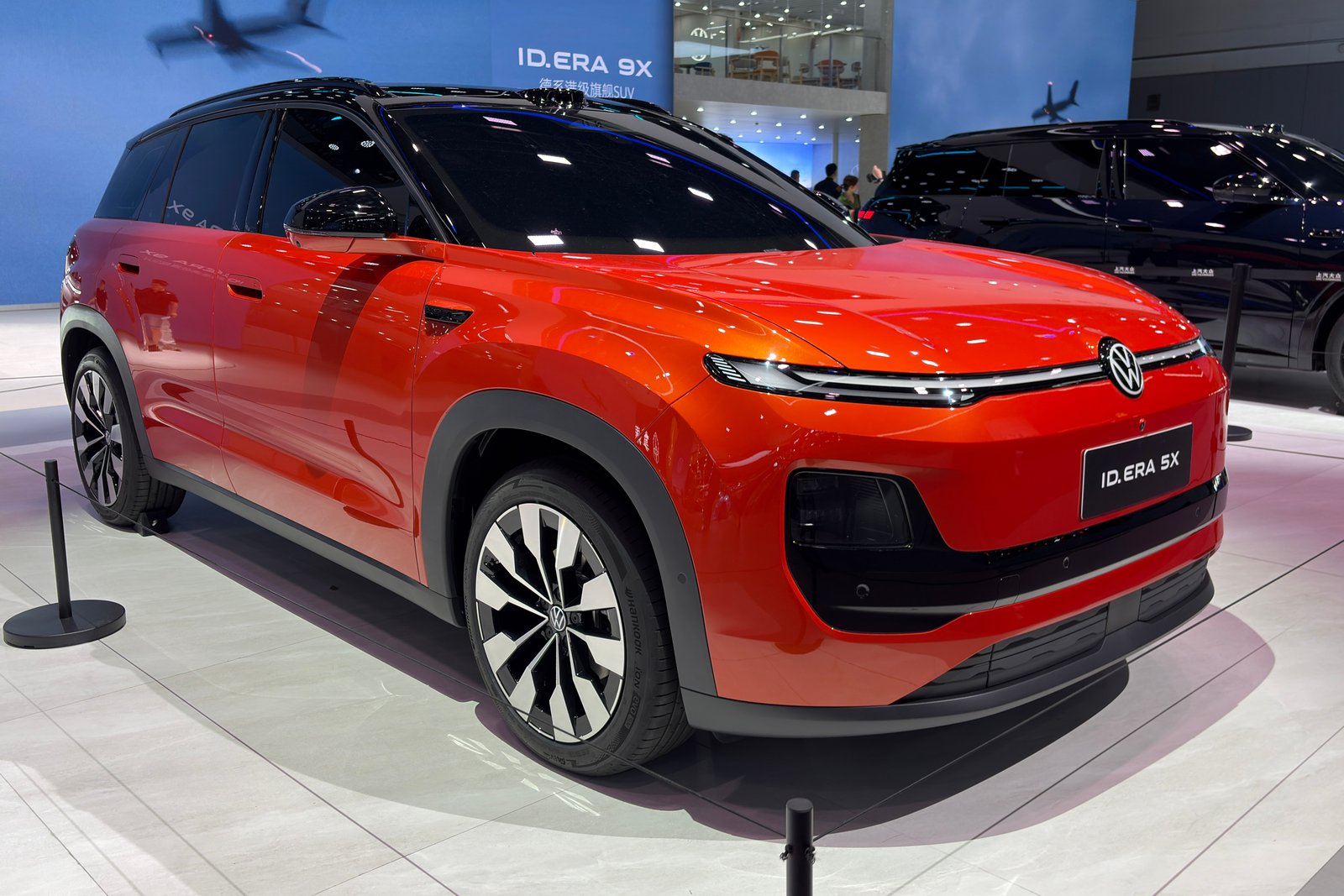
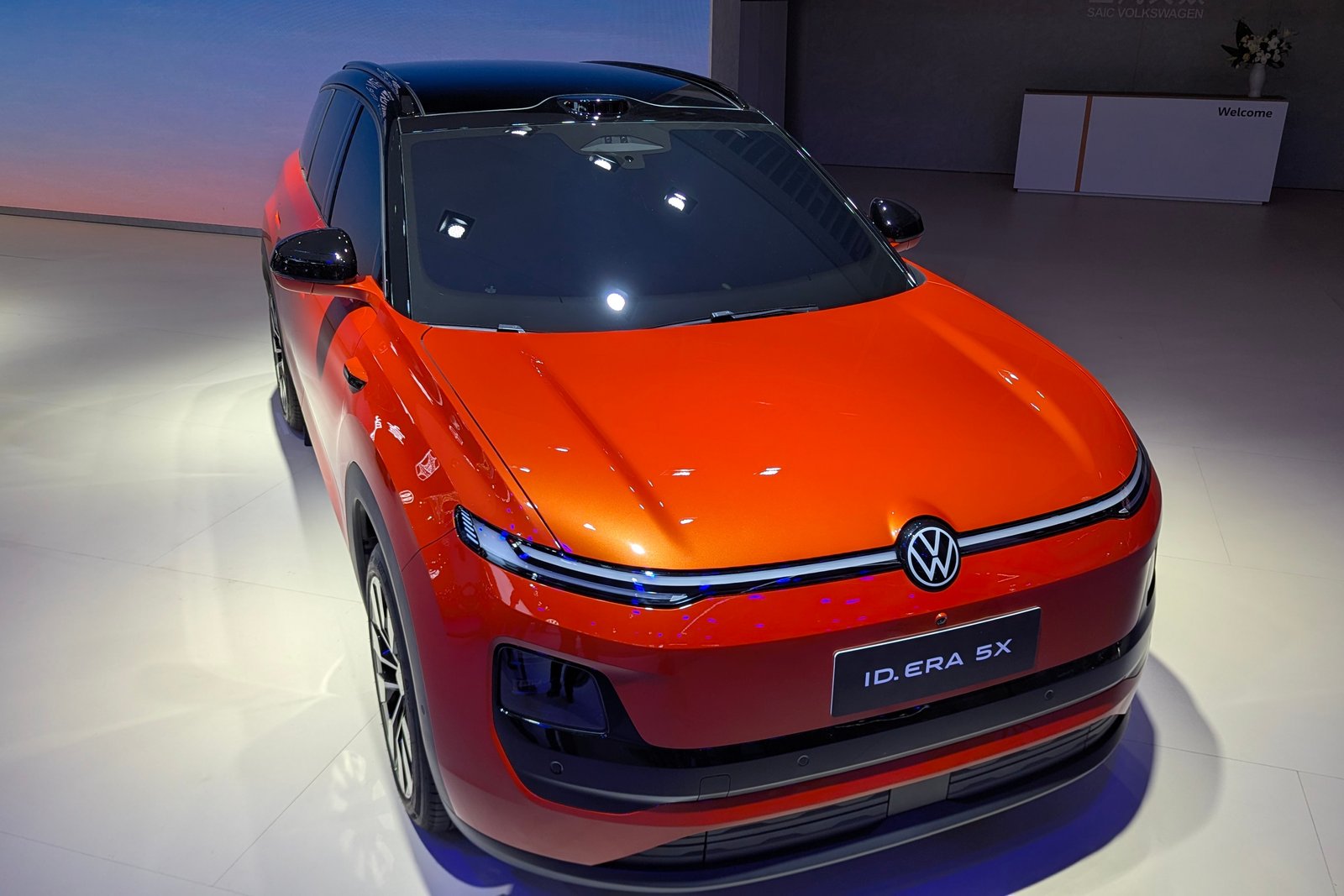
Volkswagen Anhui, the third joint venture, covers the youth market with the ID.UNYX 06, 07, and 08 — the 08 being the first model jointly developed with Xpeng, priced from 229,900 yuan (about $33,900). None of these cars exists in Wolfsburg's global catalog.
A BMW that thinks in Chinese
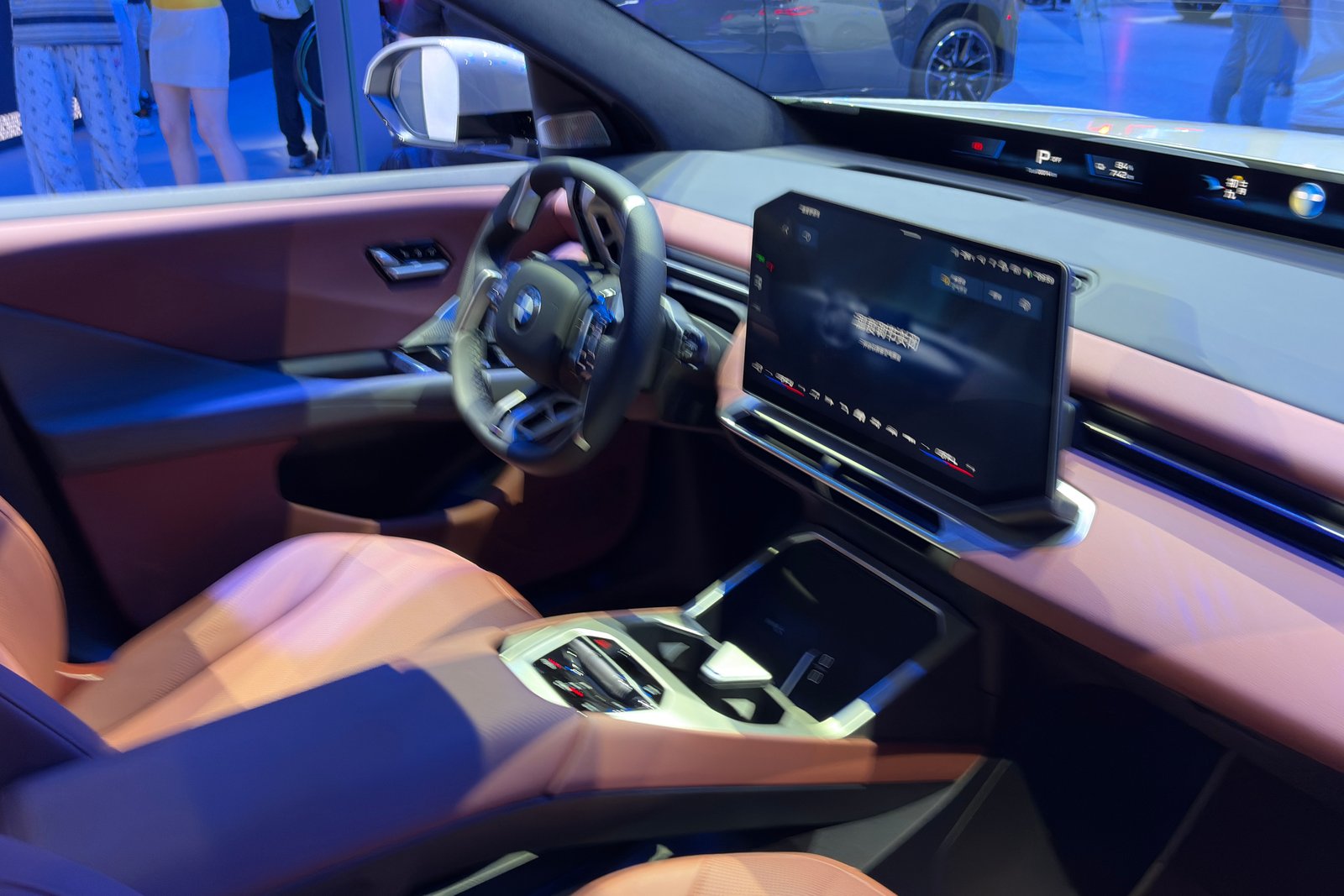
BMW opened pre-sales for the long-wheelbase Neue Klasse iX3 in Chengdu, from 269,900 yuan (about $39,700), with deliveries starting in November. The wheelbase grows by 108 mm (4.3 inches) to 3,005 mm for the rear seat, but the stretch is the least interesting part. The cognitive stack is the story: Alibaba's large language model with DeepSeek's reasoning engine in the voice assistant, Amap navigation, Huawei HiCar and HarmonyOS integration, and a driver-assistance system co-developed with Momenta. The top iX3 50L makes 477 hp (351 kW) and is rated at 919 km (571 miles) CLTC — a figure an EPA cycle would cut substantially.
General Motors' second life
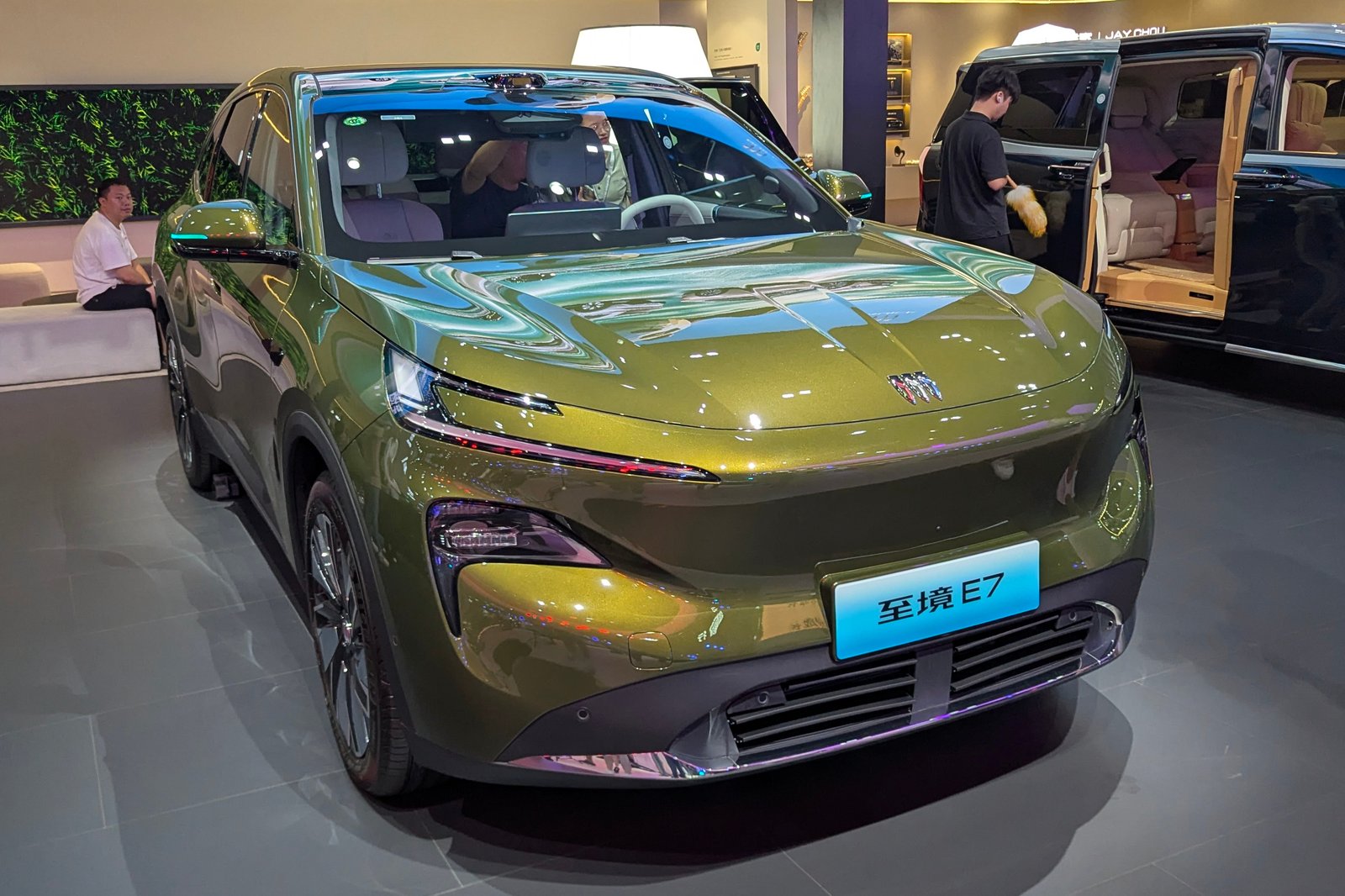
GM's stands in Chengdu belong to a China that Americans never see. Buick's Electra sub-brand — the E7 plug-in hybrid crossover and L7 sedan — rides on the Xiao Yao architecture developed by SAIC-GM's Pan Asia technical center, with lidar and Momenta assistance.
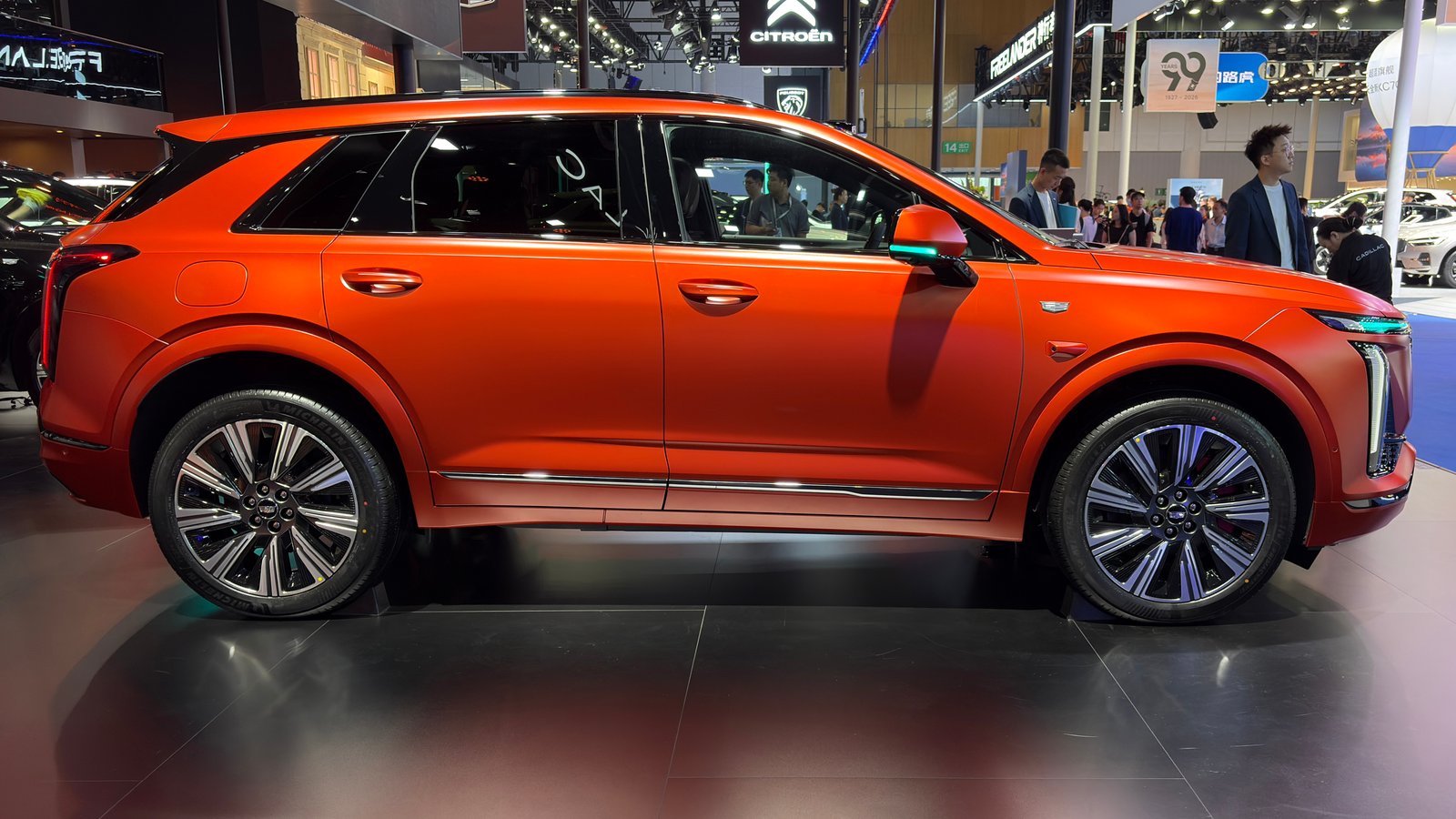
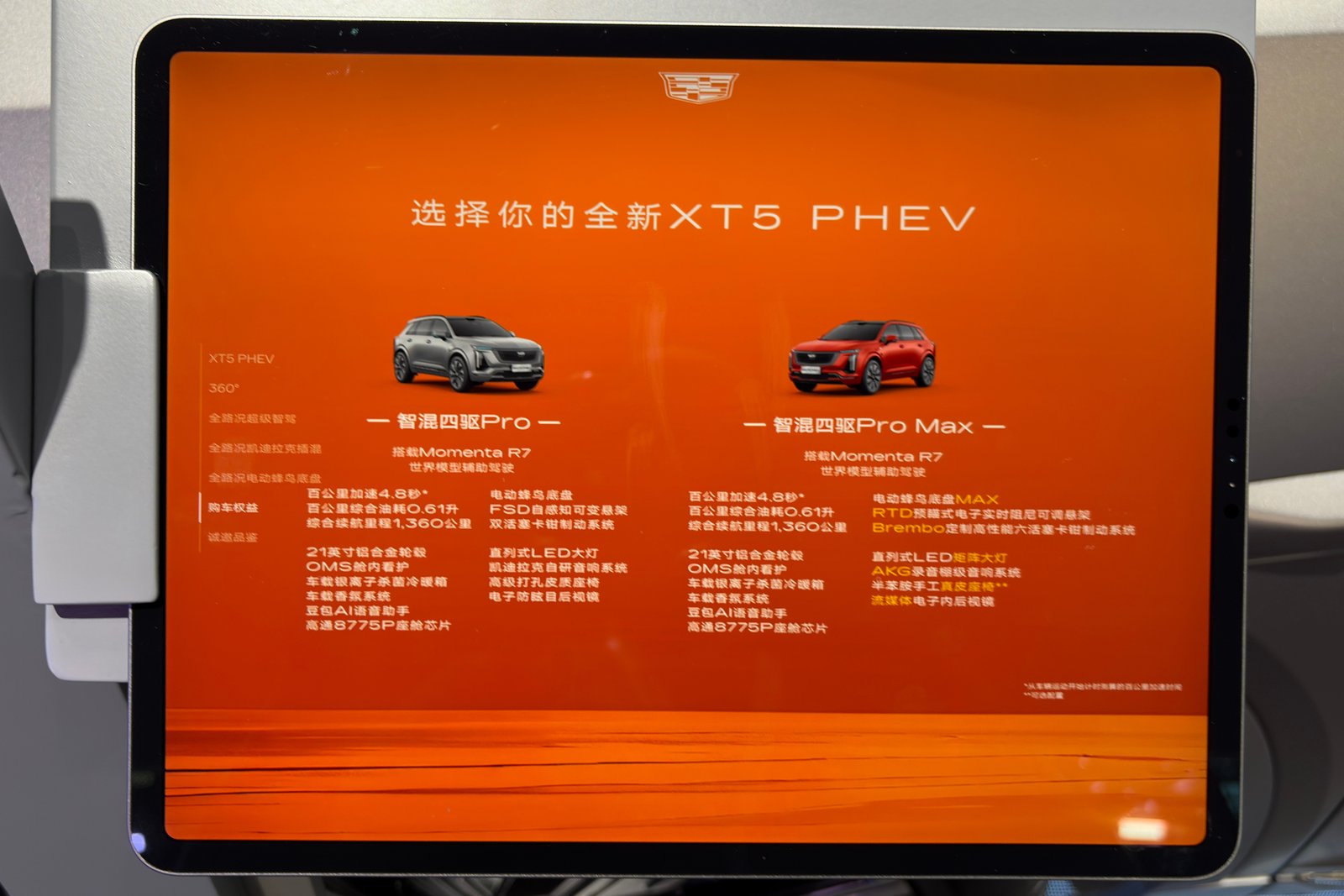
Cadillac's XT5 PHEV, which opened pre-sales on August 21, is the first plug-in hybrid crossover in the brand's history and, per GM China, the first production luxury hybrid SUV with Momenta's R7 world model. The spec screen we shot on the stand — entirely in Chinese — lists 0–62 mph (0–100 km/h) in 4.8 seconds and a combined CLTC range of 1,360 km (845 miles) for both all-wheel-drive trims. An American Cadillac that America is not scheduled to get.
Stretch, hand over, or start over
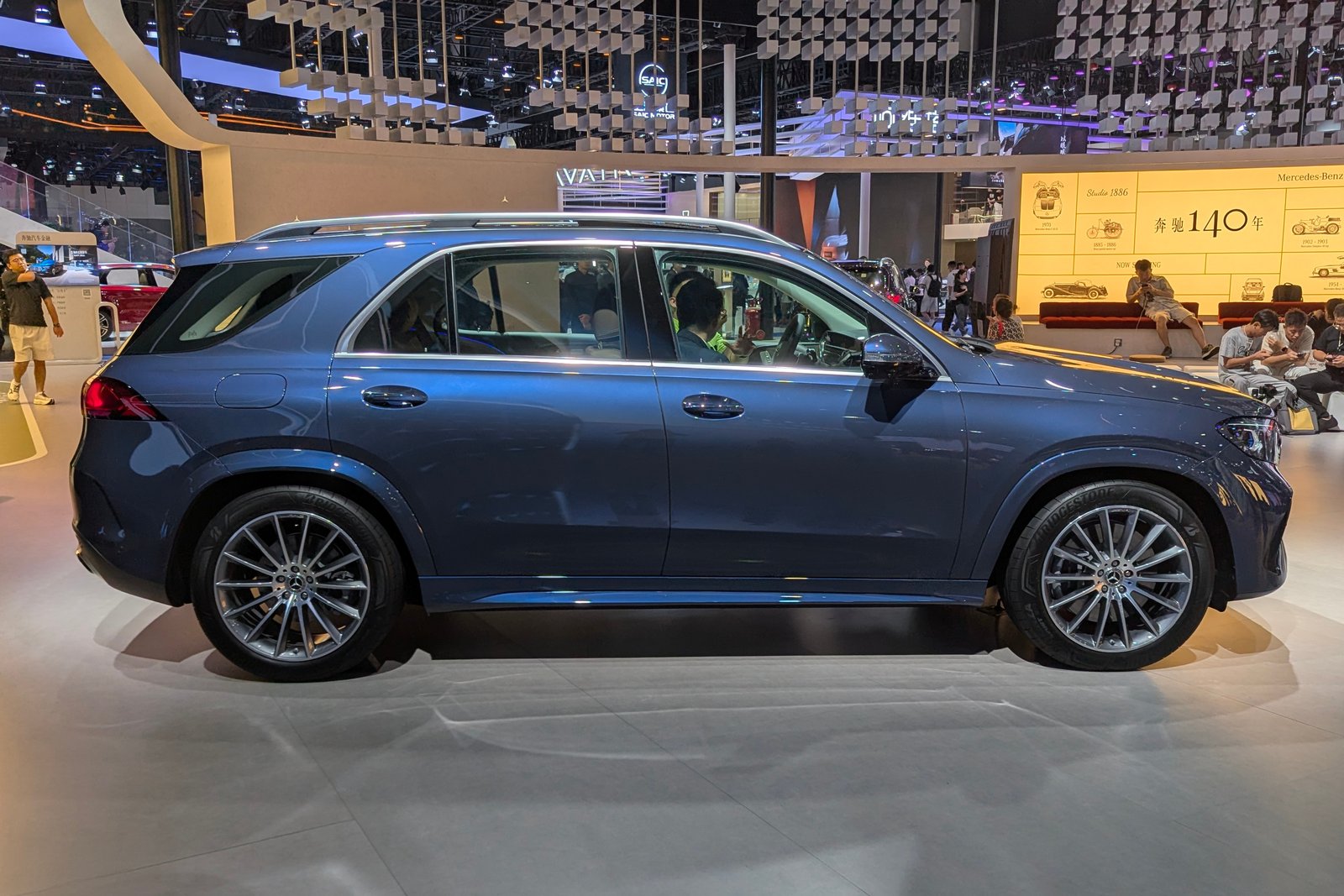
Mercedes-Benz brought the GLE L, a China-built stretch with 120 mm (4.7 inches) more wheelbase and a Maybach-derived Boss Mode for the right rear seat. The long-wheelbase special is the oldest trick in the China playbook — in my view, it now reads as the minimum table stakes rather than the strategy.
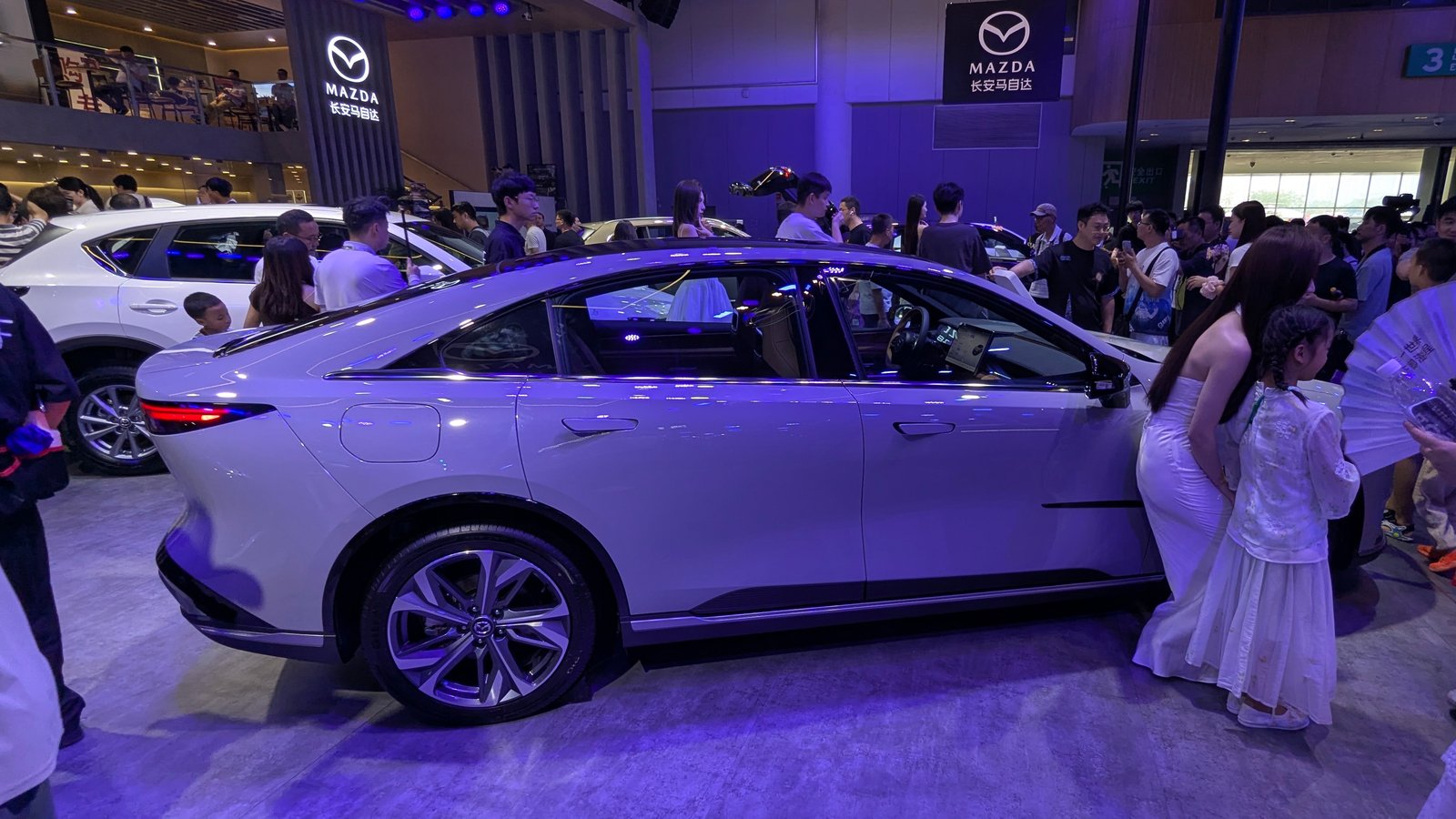
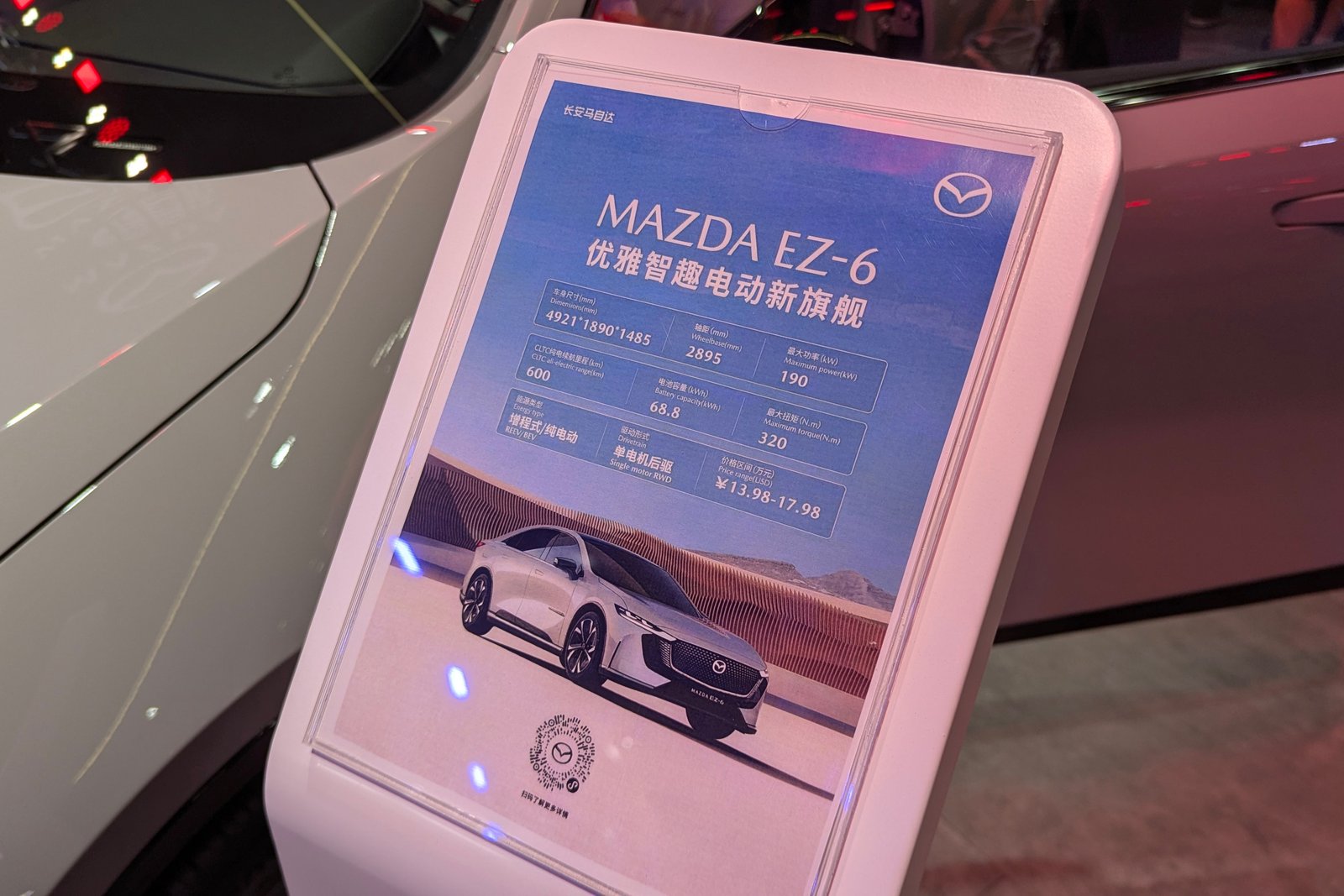
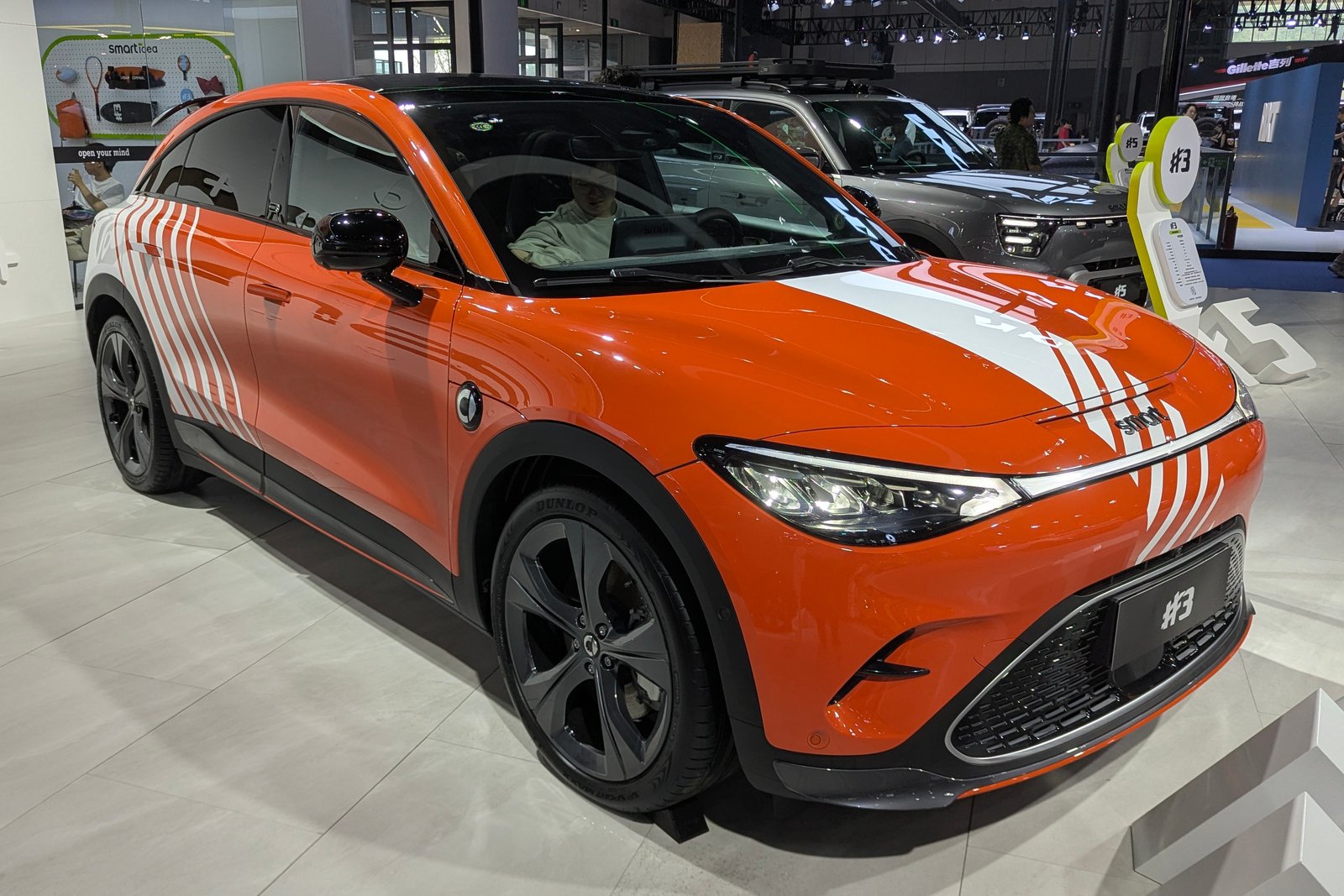
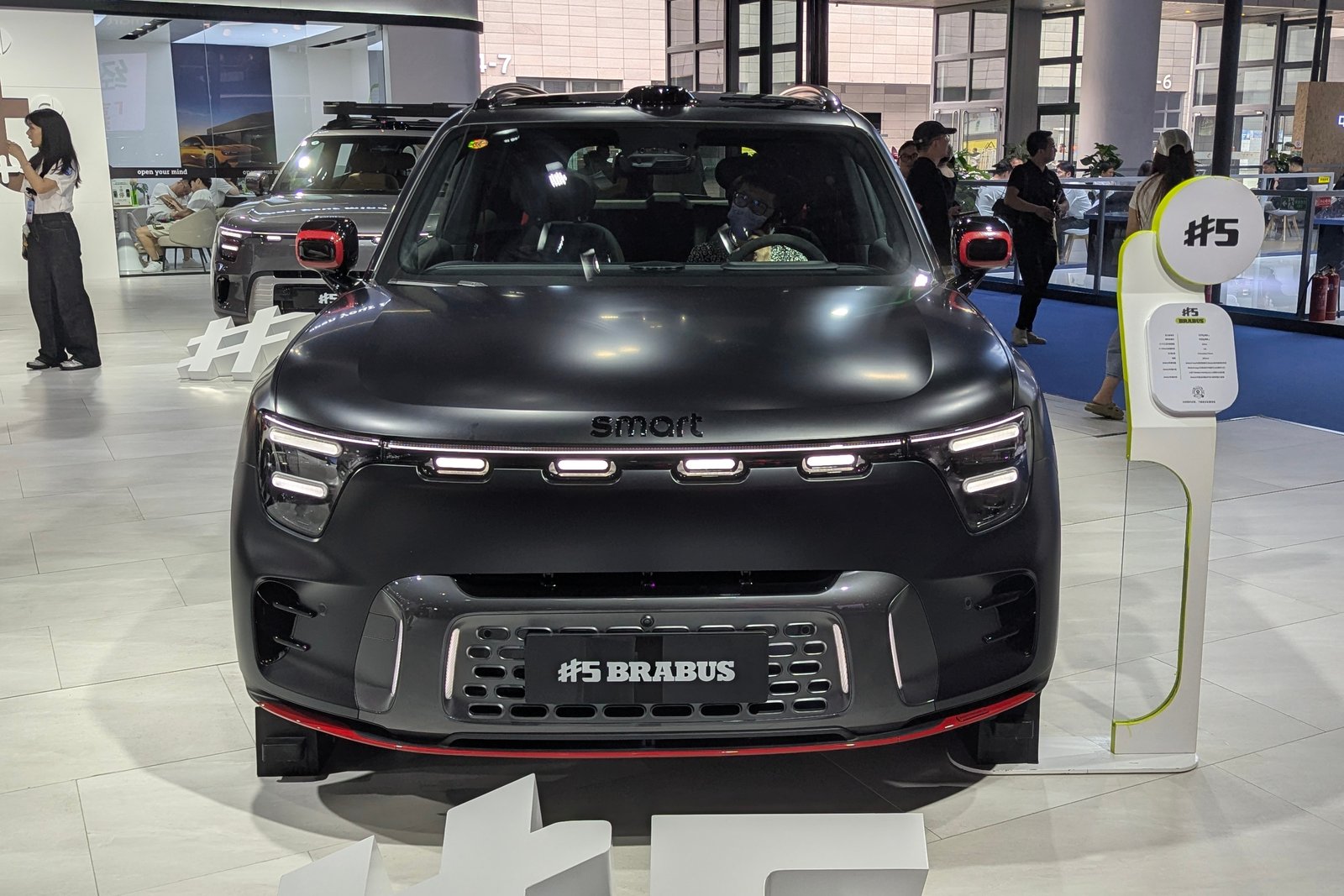
The fuller surrender of the old model is smart, reborn entirely as a Mercedes-Geely joint venture whose cars — the #3 and #5 stood on the Chengdu floor — are engineered and built in China. And Mazda's EZ-6, developed with Changan, shows where this leads: the stand placard lists 255 hp (190 kW), 600 km (373 miles) CLTC in BEV form, an EREV option, and 139,800–179,800 yuan (about $19,500–25,100). Its export twin, the Mazda 6e, already sells in Europe — the only car in this story that has left China at all.
Why none of this is coming to America
Not one vehicle above is announced for North America, and the reasons compound. Most are owned in part by Chinese joint-venture partners and built in Chinese plants, which puts them behind the 100 percent-plus tariff wall the US erected against China-made EVs. US rules finalized in January 2025 also phase in a ban on Chinese-developed connected-vehicle software — a BMW running DeepSeek and Huawei services is not a certification headache, it is a non-starter. Add homologation built around Chinese GB standards rather than FMVSS, and the parallel universe stays sealed by design.
The fairest counterargument is that this is just localization, the same game as the stretched sedans of the 2000s. I don't think the evidence supports it anymore. A longer wheelbase is an adaptation; a separate platform, a separate electronic architecture, separate software suppliers, and in Audi's case a separate brand identity amount to a second company that happens to share a logo — or, in that one case, doesn't even share the logo.
What we don't know
- Export plans: apart from Mazda's 6e in Europe, none of the automakers has said whether any of these China-developed models — or their platforms — will reach other markets.
- Money: the joint ventures behind most of these brands have not published 2026 financial results, so whether the parallel-universe strategy is profitable remains unverifiable for now.
What we do know is visible from the show floor. The engineering, the software, and increasingly the brands themselves are decided in Shanghai, Hefei, and Shenyang. My bet is that the first legacy automaker to announce a China-developed model for a global market — and one of them eventually will — makes this official: the parallel universe was never a side project. It was the succession plan.