Toyota’s Kentucky Parts Hub Turns 25 — and Moves 400,000 Parts a Day
The Hebron facility that feeds Toyota and Lexus dealers across North America opened in 2001 with about 60 people. Today it employs 700 and sits at the center of a two-hub network.
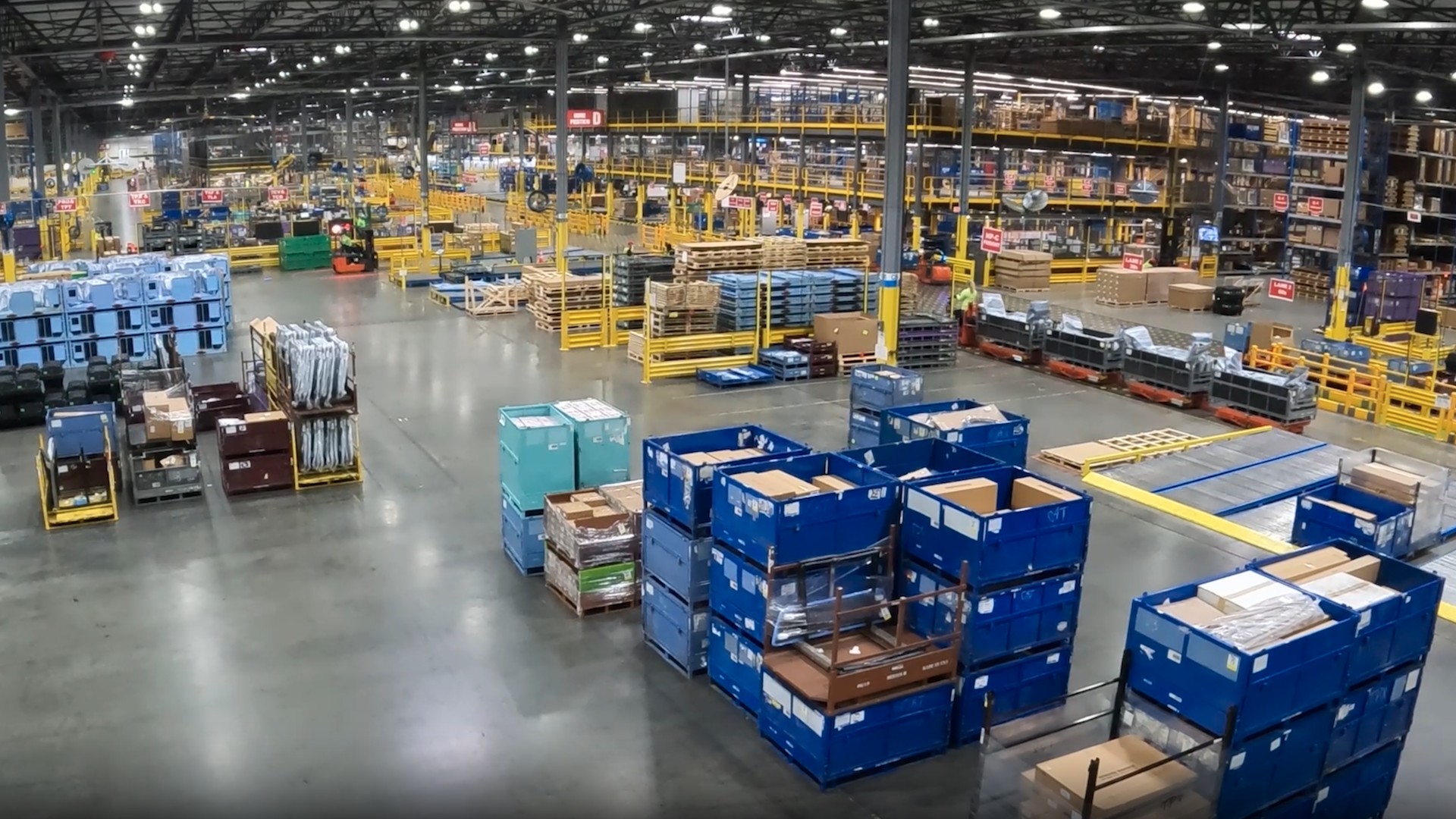
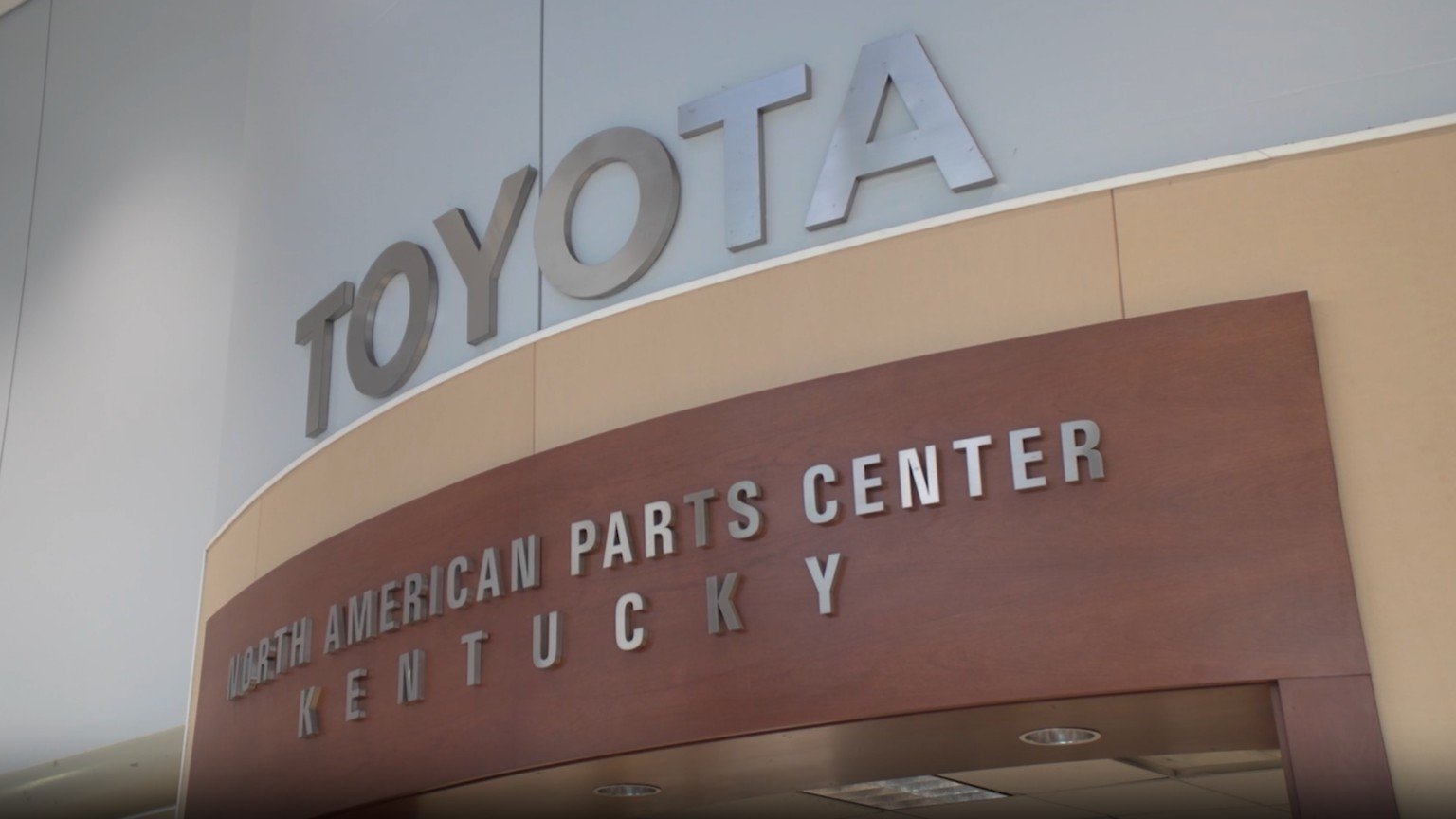
Toyota's parts warehouse in Hebron, Kentucky, turns 25 this year, and the numbers behind it explain why a Camry owner in Ohio rarely waits long for a replacement part. The North American Parts Center Kentucky, together with its sister hub in Ontario, California, moves more than 400,000 parts a day, according to Toyota, feeding a fleet of nearly 30 million Toyota and Lexus vehicles on the road.
The 843,000-square-foot building employs more than 700 people. It takes in parts from over 1,000 suppliers worldwide and funnels them to what Toyota counts as 15 Parts Distribution Centers across North America, which in turn stock the parts counters at roughly 1,500 Toyota and Lexus dealers. The scale matters more every quarter: Toyota's third-quarter U.S. sales were flat, but every car sold adds a decade or more of service demand.
From a construction site to a two-shift operation
Hebron was Toyota's second U.S. parts center. Ontario opened in October 1996 as the company's first, and Kentucky followed in 2001, built on lessons from the California launch, Automotive Logistics reported. The split is geographic as much as logistical: Hebron became the main warehouse for North American-built parts and the consolidation point for exports beyond the region, while Ontario handled the Japan-sourced side.
The facility started with a staff of about 60 to 65, recruited in waves every other week while the shell was still going up, says human resources analyst Stacey Sweet, who joined the launch team in 1999. Operations manager Kevin Jeffers, hired out of Toyota's management trainee program the same year, watched the walls go up before any racking went in.
What came later reads like a checklist of a warehouse outgrowing its original plan: a yard expansion, a second shift in 2012, weekend operations, redesigned pick positions, smaller docks, and more storage space as the parts themselves got bigger. Larry Jones, hired six months before the doors opened, was the first team member in his area to pick an order and is still there, now as an advanced shipping notice associate.
Why a 25-year-old warehouse still matters
Toyota's service parts network has been quietly rebuilt around these two hubs. In 2019 the company folded logistics and service parts into a single division, and in 2020 it opened a $10 million Phoenix distribution center to cut delivery times for Southwest dealers to next-day or same-day. A decade ago the Kentucky and California centers together stocked about 260,000 unique part numbers and shipped 65,000 order lines daily; Toyota's 2025 figure for Hebron alone is more than 117,000 service parts and accessories on hand.
The anniversary lands in a busy month for Toyota's U.S. footprint. Its Georgetown assembly plant marked its 40th year a few miles south of Hebron, and the company just opened a new battery lab in Michigan. Toyota hasn't attached any new investment figure to the Hebron milestone, so for now the news is simpler: the building that keeps the dealers stocked is a quarter-century old and running two shifts.