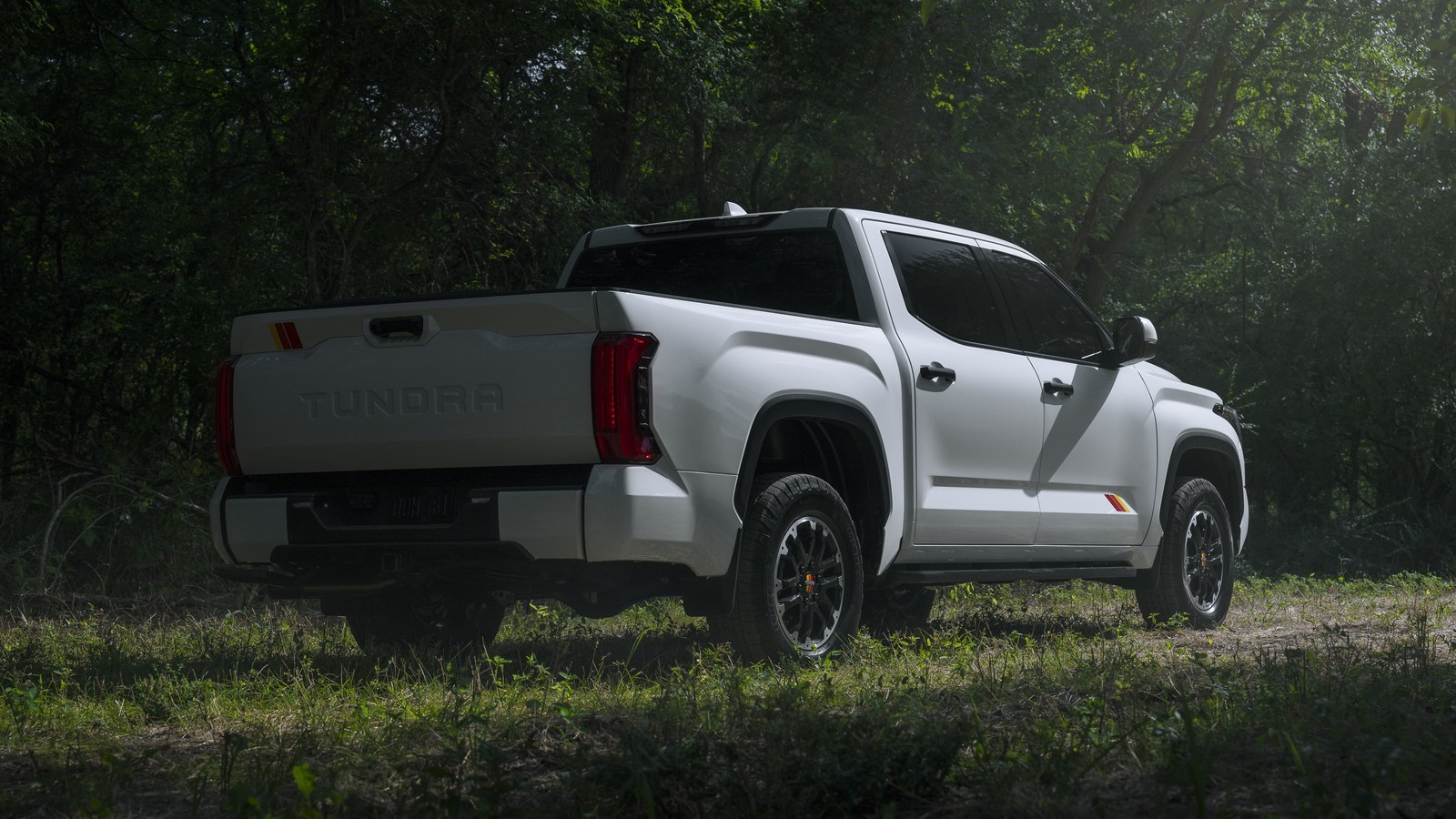
Toyota Recalls 314,000 More Cars for Takata Airbags, Plus 62,000 Tundras
Corolla, 4Runner, Sequoia, Tundra, and three Lexus models are covered under NHTSA campaign 26V748. Separately, 62,490 newer Tundras need a camshaft inspection.
Updated November 22 with NHTSA campaign numbers, exact vehicle counts, the Lexus model years, and owner-letter dates.
Toyota is recalling 314,029 Toyota and Lexus vehicles in the U.S. to replace Takata front passenger airbag inflators, adding another chapter to a crisis that started almost two decades ago. A separate campaign, announced a day later, covers 62,490 Tundra pickups whose camshafts could break while driving.
Both fixes are free, and both are now in NHTSA's database: the airbag recall is campaign 26V748, the Tundra recall is 26V750. Neither carries a do-not-drive or park-outside advisory. Our guide to the most urgent recall warnings explains what those labels mean.
Which Toyota and Lexus models get new airbags
In its November 12 announcement, Toyota says propellant inside the passenger-side inflator can break down over time in certain temperature and humidity conditions. If it does, the inflator can rupture when the airbag fires and send metal fragments into the cabin. Depending on the model, dealers will replace the inflator or the whole airbag assembly.
Toyota's release didn't list models. Its recall report to NHTSA does, with exact counts:
- 2003–2008 Toyota Corolla: 232,174
- 2016–2017 Toyota 4Runner: 35,949
- 2005–2006 Toyota Tundra: 25,174
- 2005–2007 Toyota Sequoia: 10,736
- 2017 Lexus GX 460: 8,931
- 2002–2010 Lexus SC 430: 1,064
- 2011 Lexus IS 250: 1
The newest vehicles on the list come from a narrow window. Every affected 4Runner and GX 460 was built between September 26 and December 27, 2016, and the IS 250 entry is a single car built on March 1, 2011. NHTSA's Takata page lists the 4Runner only through 2016, so the 2017 model year is new to the list.
The filing also settles a question the release left open. The campaign includes cars that received one of these inflators as a replacement part under an earlier Takata recall, not just cars that left the factory with one. Toyota's notice to dealers spells it out: owners need this repair even if the inflator has been replaced before. The company did something similar in 2019, when it called back 928,000 vehicles for exactly that reason.
Why now, and when the parts arrive
These inflators use a desiccated version of Takata's ammonium nitrate propellant, meaning a drying agent was added. Toyota told NHTSA it has been pulling and testing them since 2016, has measured no propellant degradation, and knows of no ruptures in the field. It is replacing them anyway because modeling published by TK Global in 2021 shows them nearing the end of their estimated safe service life.
Owner letters will go out in phases between December 28, 2026, and January 11, 2027. Replacement parts aren't ready yet. Toyota's dealer notice estimates they will arrive in the first quarter of 2027, so the first letter is an interim notice. For Toyota models, the same notice lets dealers bill the company for a loaner or rental while owners wait, at up to $42 a day for a Corolla and $60 for the 4Runner, Sequoia, and Tundra. Instructions will be in the owner letter.
You can check a VIN or license plate now at toyota.com/recall or nhtsa.gov/recalls, or call Toyota at 1-800-331-4331.
Why Takata recalls are still coming
NHTSA has confirmed 28 U.S. deaths from ruptured Takata inflators and at least 400 injuries, out of about 67 million airbags recalled. Carfax estimates roughly 4.6 million vehicles still have the repair outstanding. Old, cheap, often resold cars like a 2005 Corolla are exactly where recall letters stop reaching owners, the problem behind NHTSA's new push on unrepaired recalls.
The Tundra camshaft recall
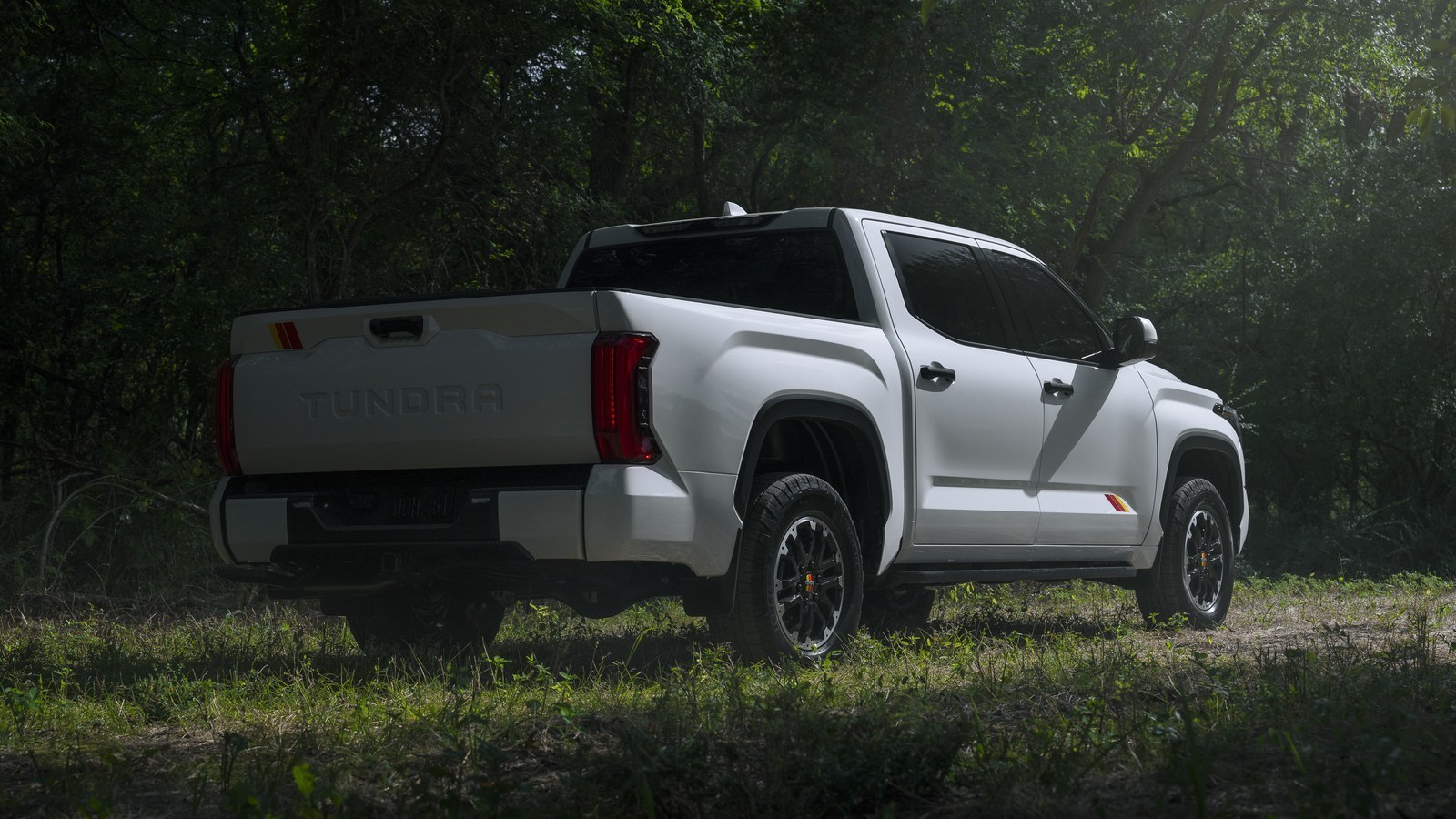
The second campaign was first reported by The Drive, based on a leaked dealer notice. On November 13, Toyota made it official. NHTSA campaign 26V750 covers 62,490 non-hybrid Tundras: 15,202 from the 2022 model year, 2,560 from 2023, 10,025 from 2025, and 34,703 from 2026. The 2024 model year isn't included.
The filing explains the odd mix of years. The 2025 and 2026 trucks may have gotten a suspect camshaft at the factory. The 2022 and 2023 trucks are covered because they may have received one inside a replacement engine installed as a service part.
It also names the cause. Supplier Kautex Textron's CWC Division in Muskegon, Michigan, restarted a casting line after an equipment shutdown, and an operator added alloying additives, magnesium among them, to one 400-part lot a second time. The extra magnesium left the right-bank exhaust camshafts prone to small cracks during machining. Those cracks can grow until the shaft snaps. A check-engine light, rough running, or a misfire can come before a stall.
Toyota estimates about 300 of those camshafts reached these trucks, less than 1% of the recall population. That's why every truck will be inspected but only the suspect ones get a new camshaft. The investigation began with two broken camshafts recovered in October and December 2025. As of October 30, Toyota counted 31 field reports and 60 warranty claims that may be related.
The i-Force Max hybrid is excluded. Toyota says a hybrid with the same fault would keep some drive power for a limited distance and warn the driver. Owner letters for the Tundra follow the same schedule as the airbag recall: December 28, 2026, through January 11, 2027.
This defect is separate from the machining-debris problem that hurt the truck's twin-turbo 3.4-liter V6. That problem led to recalls of about 102,000 Tundra and Lexus LX models in May 2024, 127,000 Tundra, LX, and GX models in November 2025, and about 44,000 2024 Tundras in May 2026. It's not the news Toyota wanted just as the refreshed 2027 Tundra reaches dealers.
If you call a dealer, Toyota's own codes for the airbag recall are 26TB25, 26TA25, 26LB11, and 26LA11. The Tundra camshaft recall is 26TB26 and 26TA26.