VW ID. Tiguan Debuts With 373 Miles of Range, Real Buttons — and No U.S. Date
The ID.4’s replacement gets three powertrains, a 15-inch screen, and a €42,695 starting price in Germany. Volkswagen still won’t say when Americans can buy one.
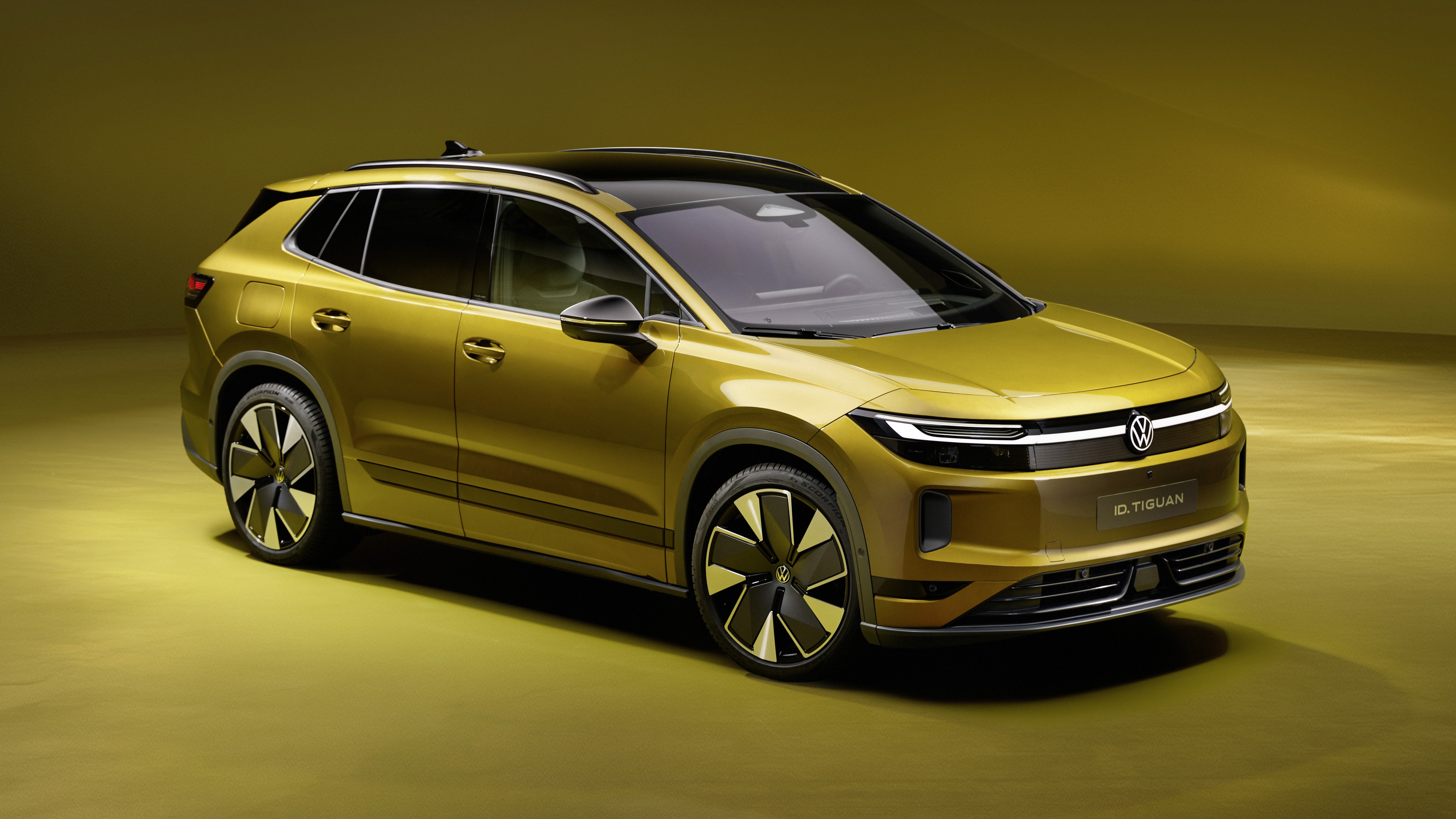
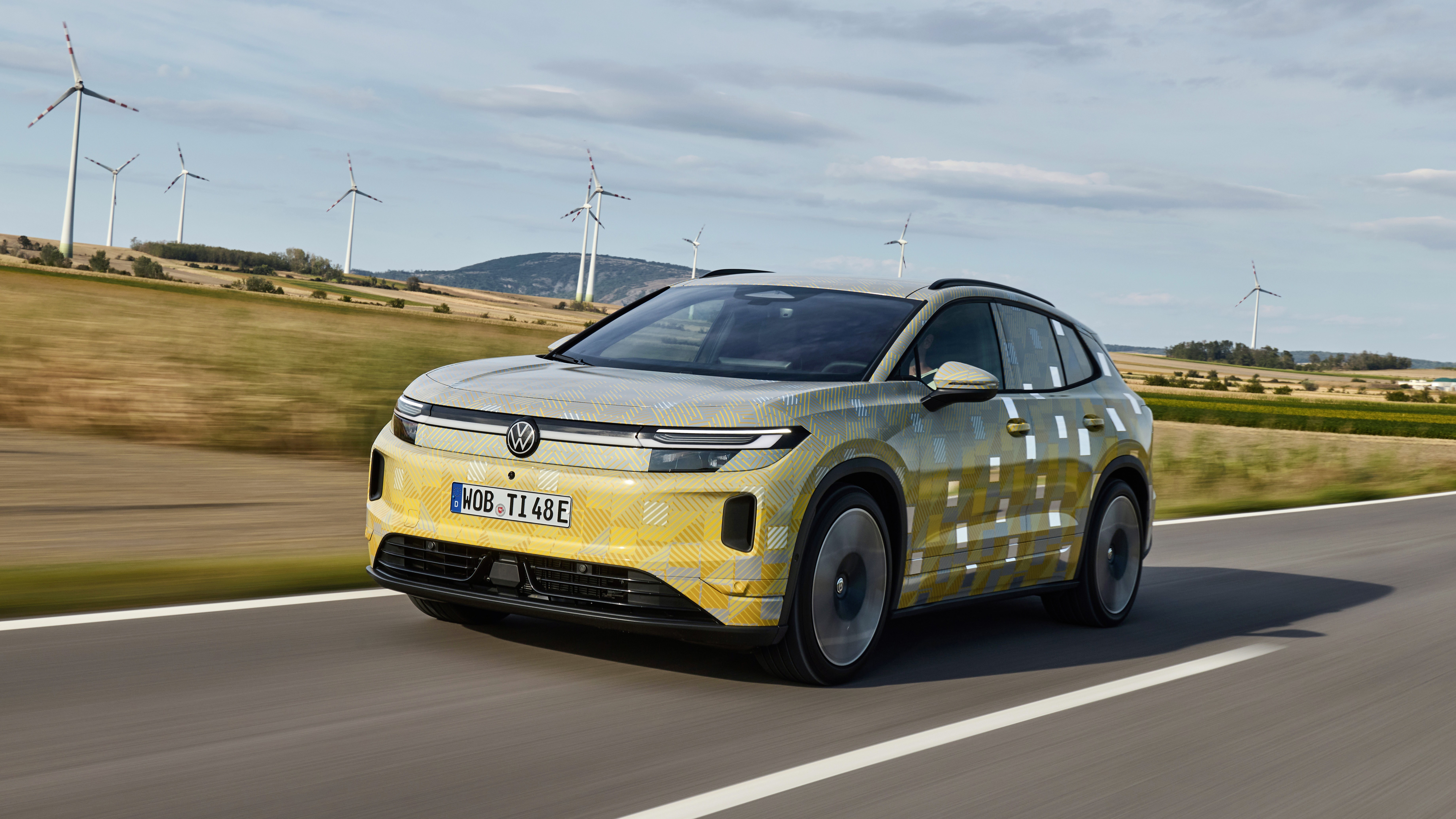
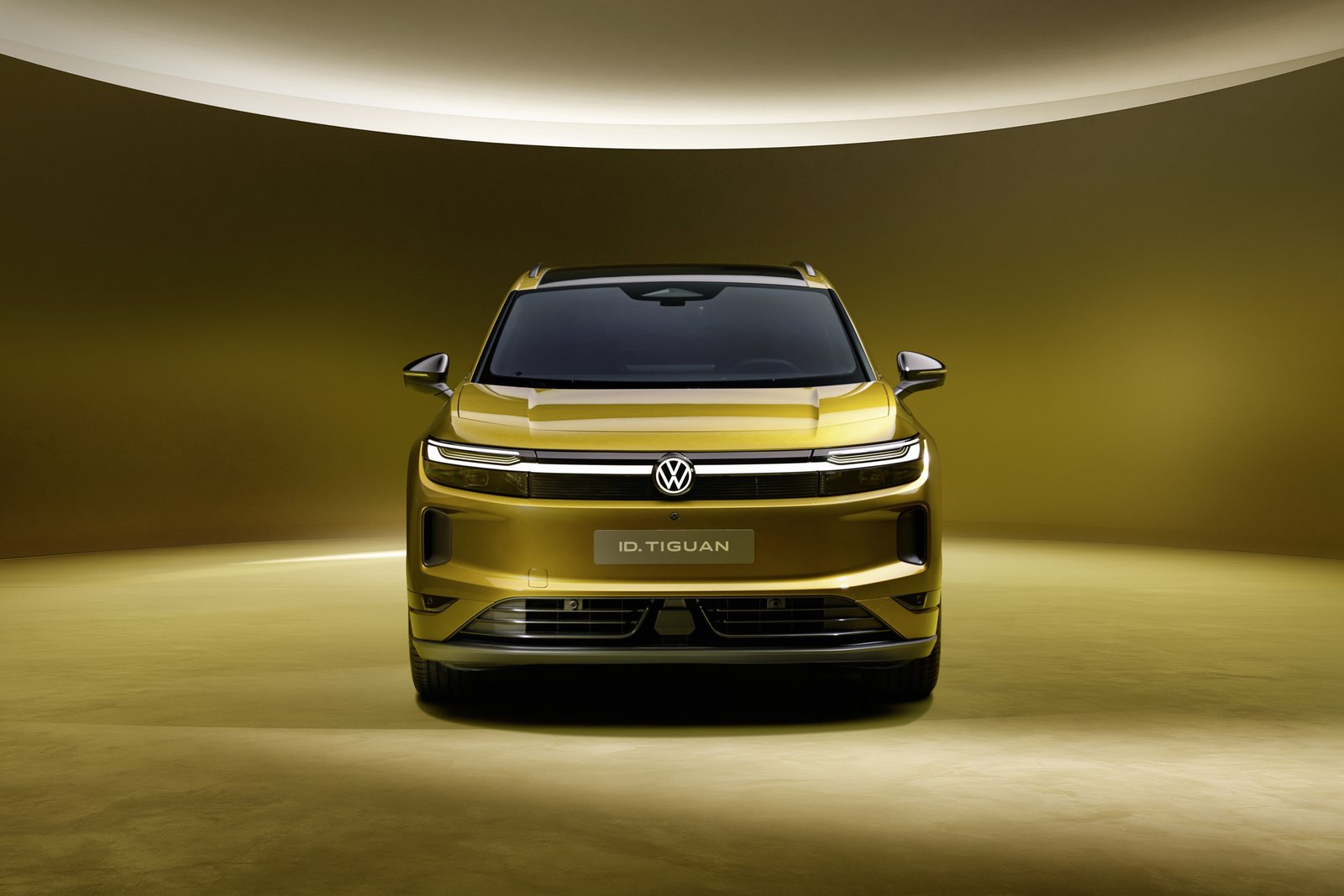
Volkswagen's replacement for the ID.4 is no longer a camouflaged prototype. The ID. Tiguan made its world premiere on Friday with up to 373 miles (600 km) of WLTP range, as much as 295 hp, and a starting price of €42,695 in Germany. It is also the car VW has confirmed will replace the ID.4 in North America, though the company still won't say when.
European pre-sales open October 13, with the launch set for early 2027. For the U.S., Volkswagen says timing, pricing, and trim structure will come only after the European launch, and every number released so far applies to the European car.
Three powertrains, two batteries
The lineup starts with a rear-drive model making 188 hp (140 kW) from a 58-kWh battery. Above it sits a rear-drive version with 282 hp (210 kW) and a 77-kWh pack, and the range tops out with a 295-hp (220 kW) 4Motion all-wheel-drive model on the same larger battery.
VW quotes only the headline range of up to 600 km, a preliminary WLTP forecast. German outlet electrive reports the split as roughly 280 miles (450 km) for the base car, 373 miles for the long-range rear-drive model, and 348 miles (560 km) with all-wheel drive. EPA ratings, when they come, will be lower; the WLTP cycle is more generous.
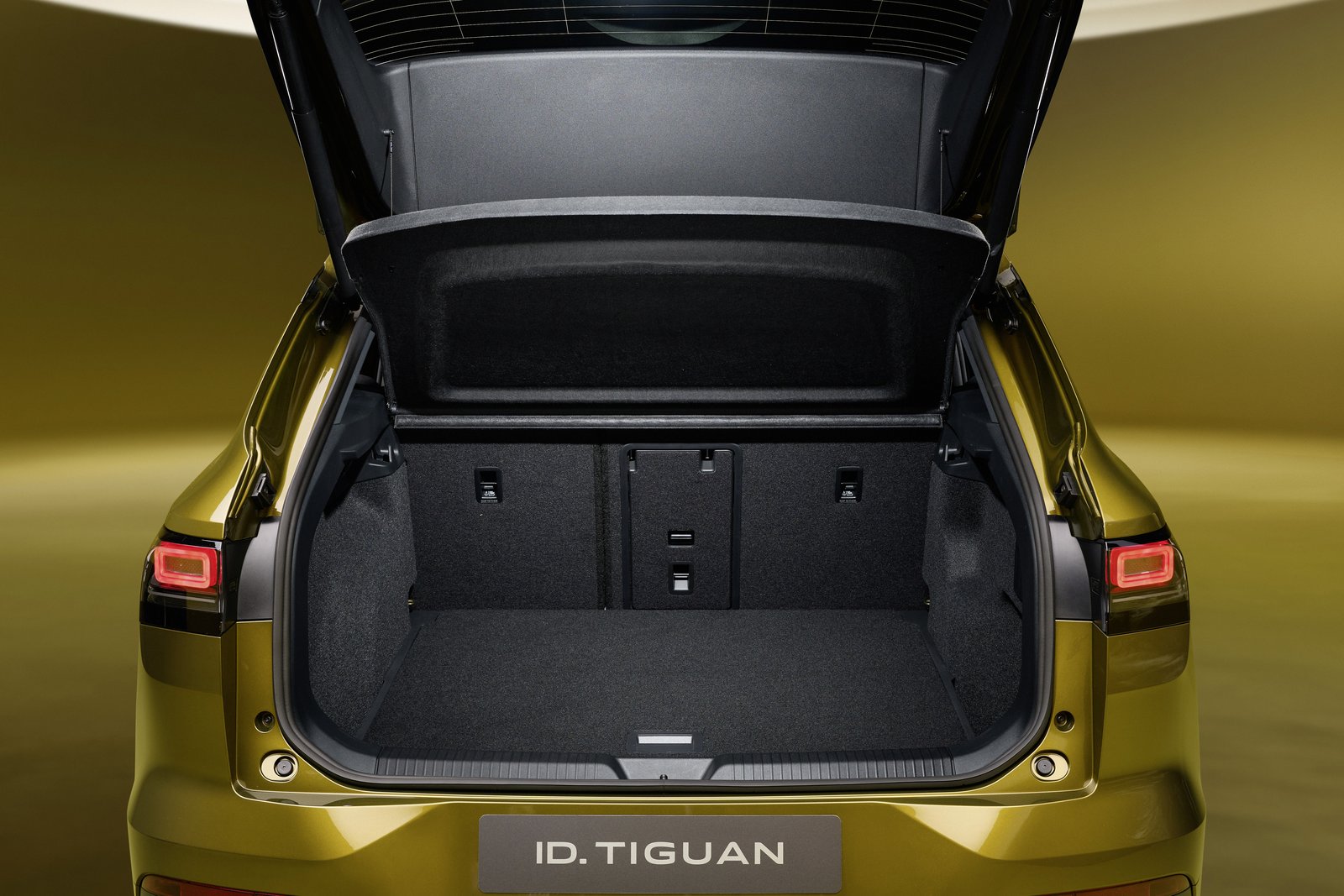
Towing is a strong point. The 58-kWh car is rated for up to 3,968 pounds (1,800 kg) and the 77-kWh versions for up to 4,409 pounds (2,000 kg). Cargo space is up to 18.9 cubic feet (534 liters) behind the rear seats, and there is now a small front trunk of 1.1 cubic feet (32 liters), enough for charging cables.
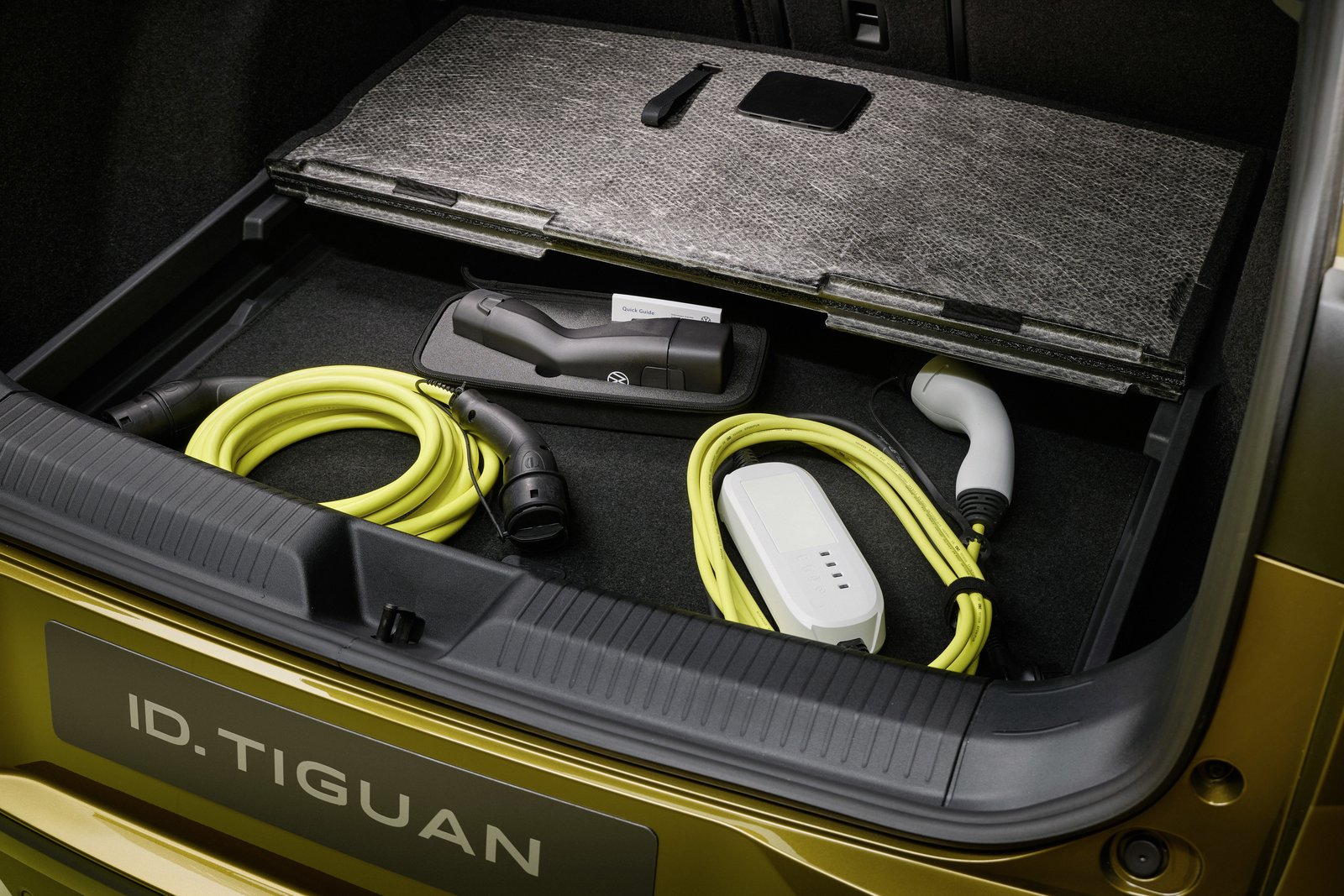
Charging is where the ID. Tiguan looks least new. According to electrive, the smaller battery peaks at 105 kW on a DC fast charger and the larger one at 165 kW, with 10-to-80% stops of about 26 and 29 minutes. The outlet calls that short of the state of the art, and it leaves VW behind the fastest-charging rivals in a class where the Tesla Model Y and Hyundai Ioniq 5 set the pace.
Buttons are back, and so are Golf dials
The cabin is the bigger break from the ID.4. Climate basics move to a row of physical buttons, the steering wheel swaps touch pads for real switches, and a rotary controller on the console handles volume and track changes. Outside, conventional pull-style door handles return.
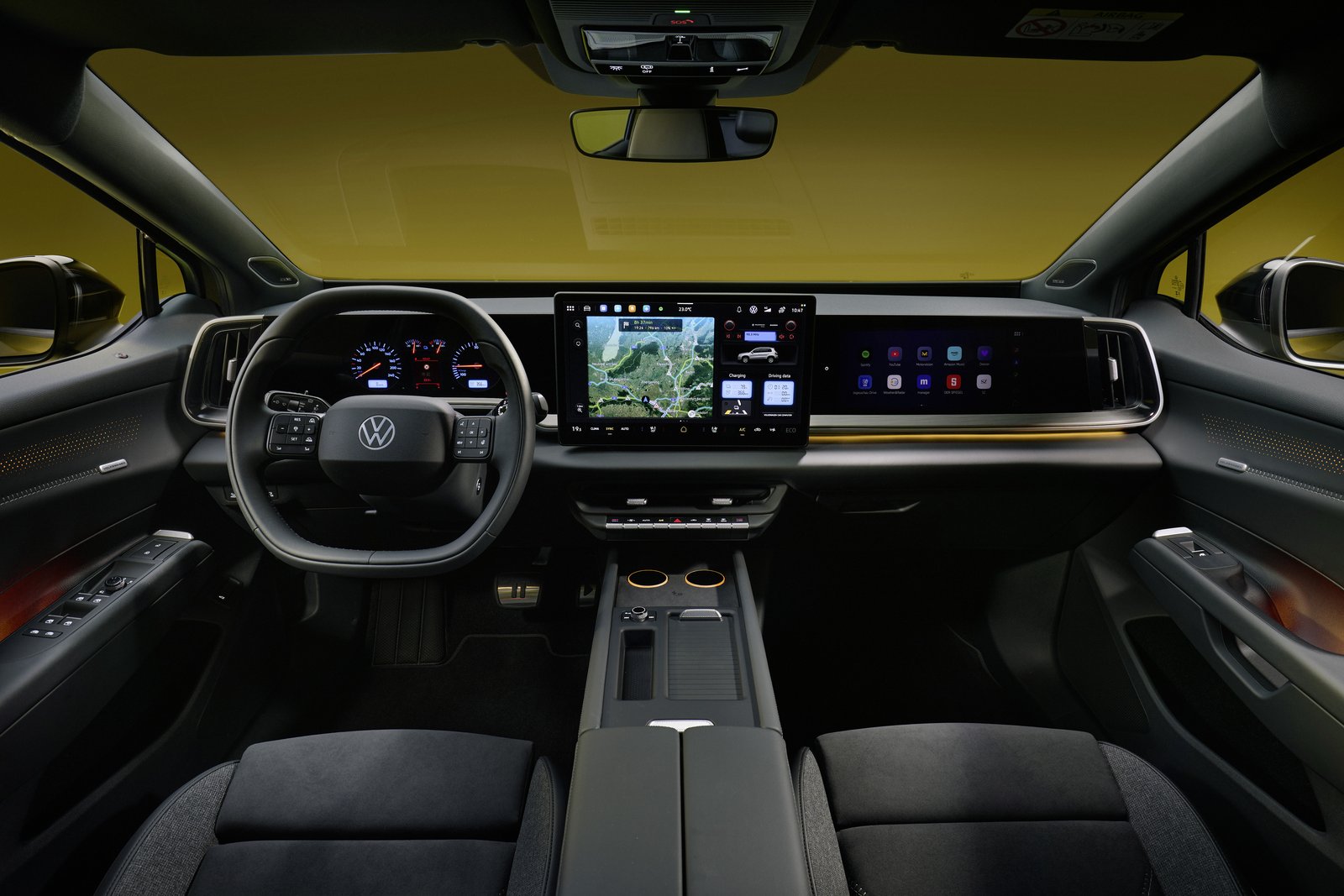
Screens still dominate: a 10-inch driver display, a 15-inch center touchscreen, and an optional 12-inch passenger display that VW says is a first for one of its European models. The passenger screen is filtered so the driver can't see it, and it can send audio to Bluetooth headphones.
A "Retro" mode turns the instrument cluster into the blue-and-red gauges of a fourth-generation Golf, with a power meter standing in for the tachometer. One-pedal driving is standard. Options include massaging and ventilated front seats, a 480-watt Harman Kardon stereo, a phone-based digital key, and an adapter that draws household power from the charge port.
What it costs, and what it means for the U.S.
The €42,695 starting price applies to Germany and includes that country's sales tax. Electrive puts the current ID.4 at €40,580 there, which makes the new car about €2,100 more expensive at the bottom of the range. VW hasn't published the full price list for the four trims: Trend, Life, Style, and R-Line.
The electric model will be built in Emden, Germany, and sold alongside the gas and hybrid Tiguan. "The ID. Tiguan brings these two success stories together," brand chief Thomas Schäfer said, pointing to the Tiguan's status as VW's global best-seller and more than 950,000 ID.4s and ID.5s built.
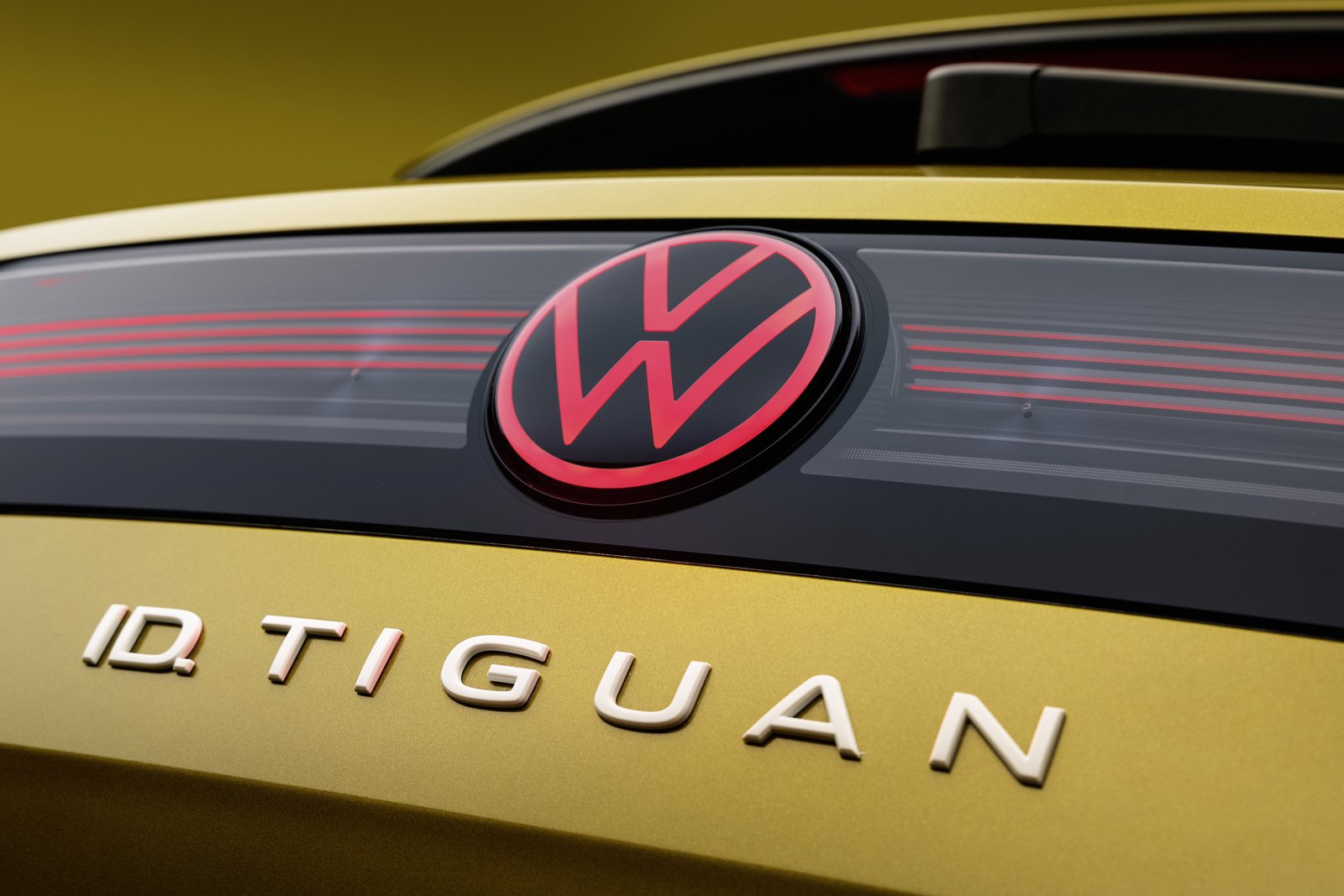
For American buyers, the reveal answers what the car is, not when it arrives or where it will be made. VW ended ID.4 production in Tennessee in April, the ID. Buzz is not due back until the 2028 model year, and the brand is in the middle of a restructuring that will thin its lineup. An import from Emden would also face U.S. tariffs, and VW hasn't said whether that is the plan.
The next checkpoint is the European launch in early 2027. U.S. specifications, EPA range, and pricing will follow that, on a schedule Volkswagen has yet to share.