Bentley Torcal's 1,378-Pound Battery Must Go Two Hours Without Fire
Bentley's first EV covered more than 1 million test kilometers, and the company now reveals the battery's weight and the fire and impact tests the pack had to pass.
Bentley's first electric car spent its development life proving two things: that it drives like a Bentley, and that its battery won't fail the way a battery can. A month after the Torcal's reveal, the company has opened up about that program, and the most telling details concern the pack under the floor rather than the miles on the odometer.
The headline number is distance. Bentley says its prototypes and pre-series cars have together covered more than 1 million kilometers (about 621,000 miles), in temperatures from -38°C (-36°F) in Sweden to above 40°C (104°F) in desert heat, and from sea level to over 14,000 feet on Colorado's Pikes Peak. It hasn't said how many cars were in the fleet. For power, range, and charging figures, see our full Bentley Torcal specs breakdown.
A 1,378-pound battery, tested for the worst case
The release gives the battery's weight for the first time: roughly 625 kg (1,378 lb), with an energy density above 180 Wh/kg. That squares with the 113-kWh capacity Bentley quotes for the Torcal, which works out to about 181 Wh/kg at the pack level. Porsche lists the same 113 kWh gross for the Cayenne Electric, whose hardware the Torcal shares.
Bentley names three hurdles the pack has to clear. After a thermal incident, it must go at least two hours without fire spreading or an explosion. A 30-mm (1.2-inch) steel ball weighing about 111 grams (3.9 ounces) is fired at the enclosure at more than 100 mph to mimic road debris; at exactly 100 mph, that's roughly 110 joules. The pack also goes through salt-spray corrosion and other durability checks. Underneath, a composite shield takes hits from below.
Bentley doesn't say which regulations drove those tests, but they closely track China's new GB 38031-2025 battery standard. That rule, which became binding in July 2026, bars packs from catching fire or exploding after thermal runaway and adds an underbody impact test.
New software every six weeks
Bentley calls the Torcal's electrical and software architecture its most ambitious yet. Three teams handled architecture, software integration, and validation, and a new software integration level arrives every six weeks, tested in the lab and on cars before the next one begins. That's a release rhythm closer to a tech company's than to a traditional luxury carmaker's.
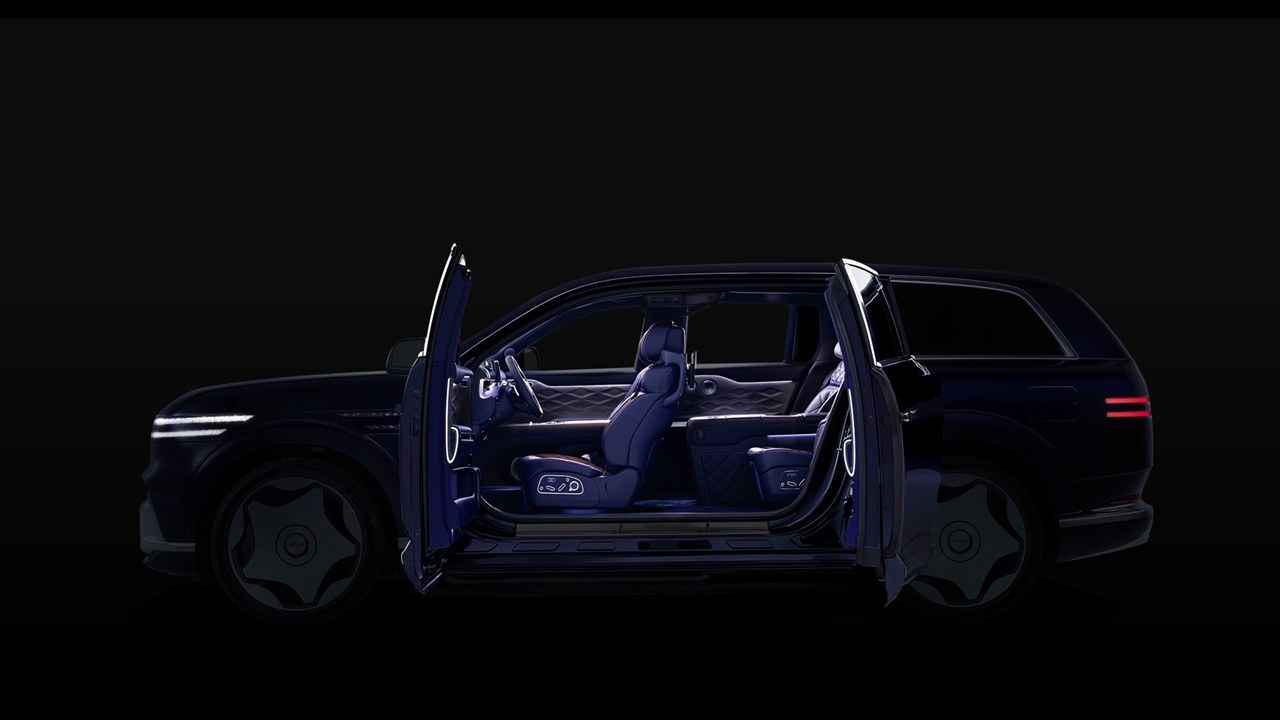
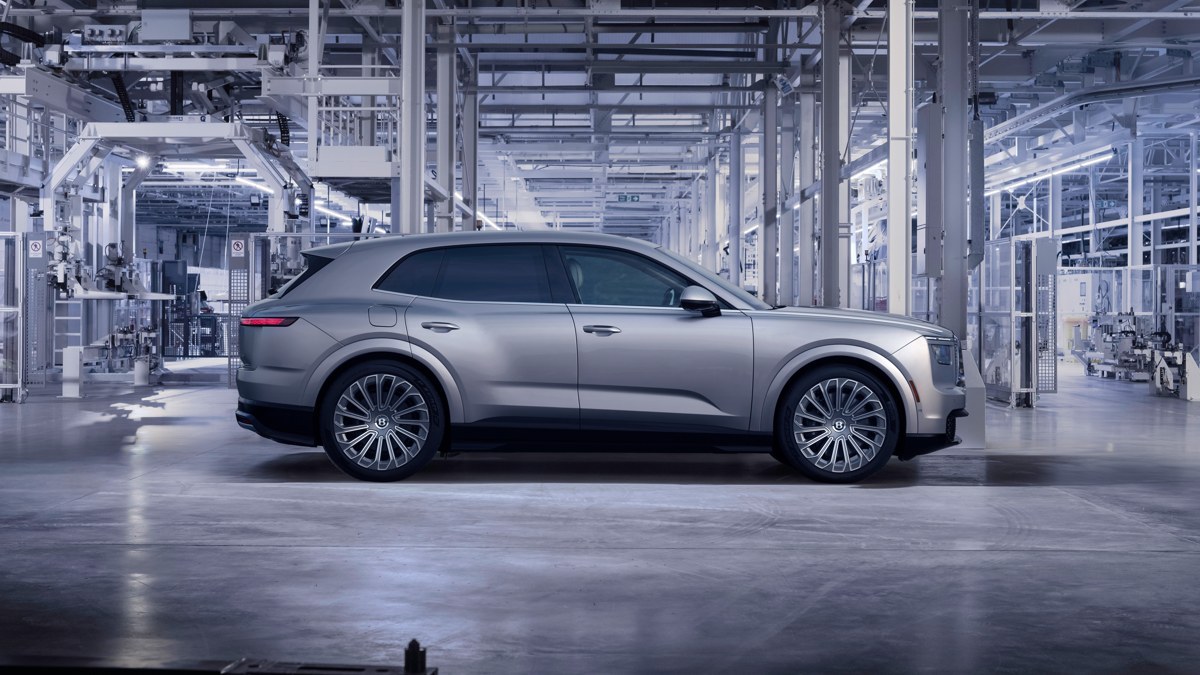
Before parts existed, engineers sat in a fully digital Torcal in Bentley's Extended Reality hub, with adjustable seats and working controls, to settle ergonomics and packaging. By the physical build stage, more than 90% of parts were ready. Laser scanners checked real components against CAD data, and slow-build runs rehearsed assembly for the line inside a 1938 building at Crewe.
The wrap comes off
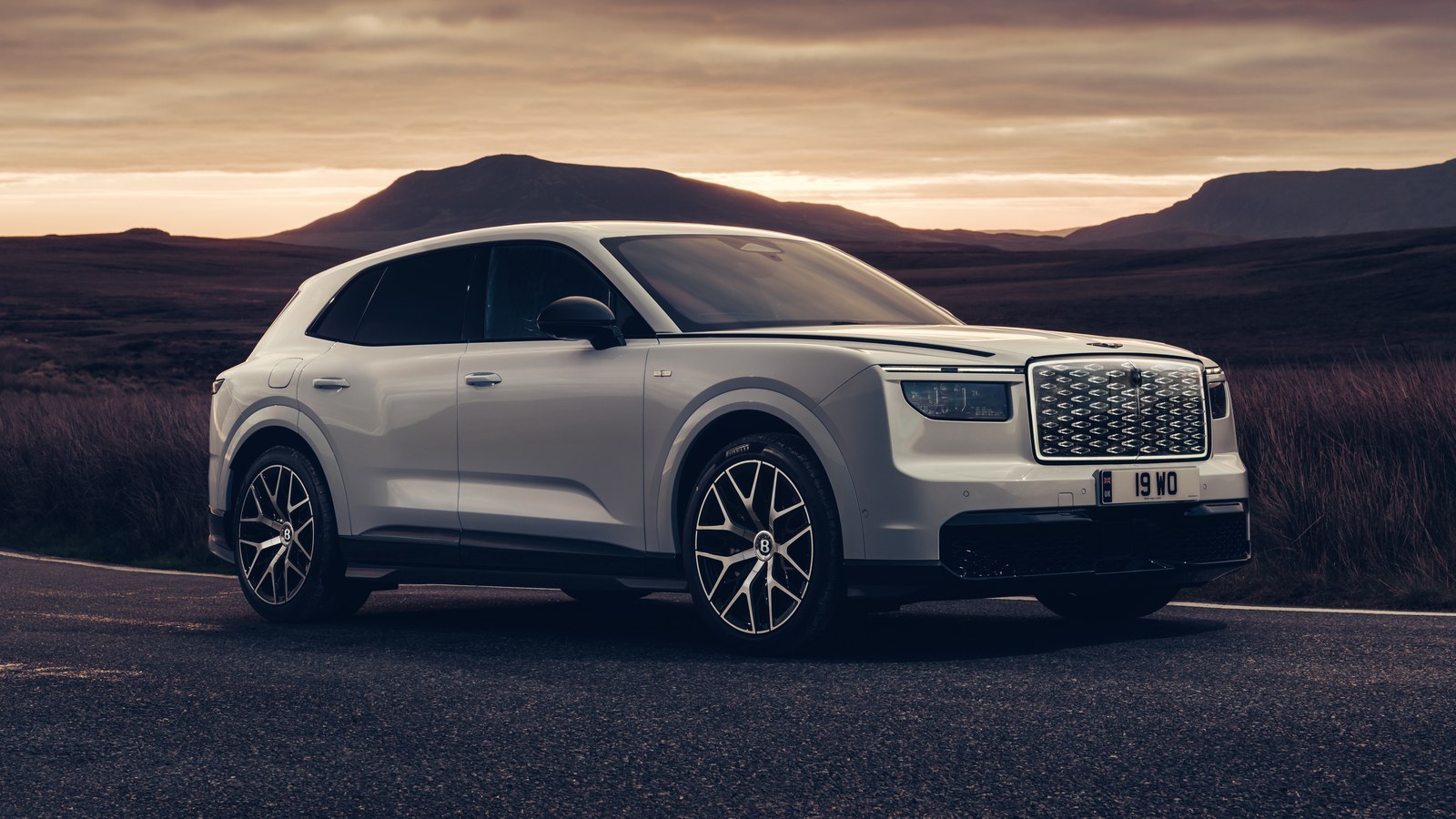
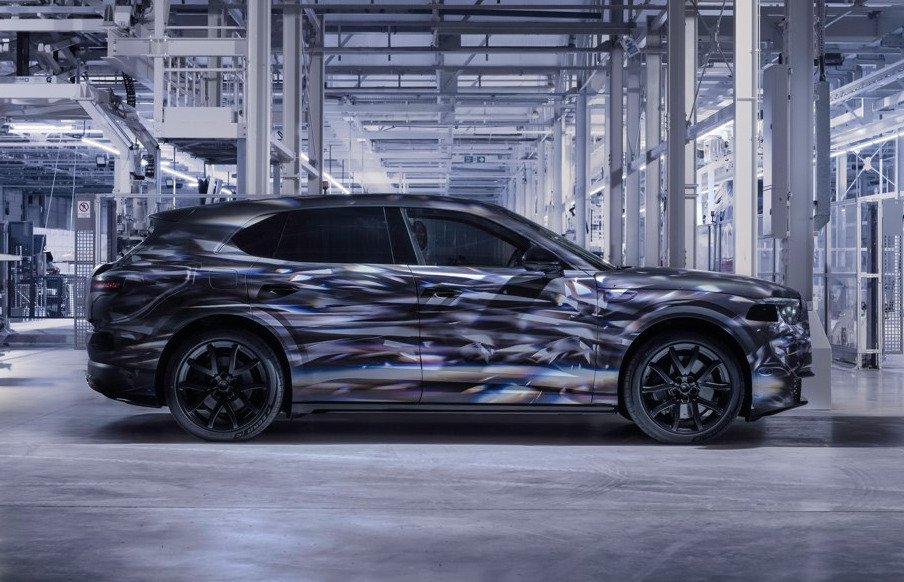
Bentley says it is now removing camouflage from the development fleet as the Torcal nears customers. The disguise changed with each phase, from graphic wraps meant to defeat cameras to temporary body panels that hid key design features.
The release still doesn't give a delivery date, an EPA range figure, or an official US MSRP. Bentley's head of product communications has put US pricing at $218,000 for the Torcal and $258,000 for the Torcal S, but the company hasn't published those numbers. For how the Torcal's Porsche sibling compares with a direct rival, see our AMG GT SUV vs. Cayenne Turbo Electric comparison.