Black Friday Car Deals Are Mostly 2026 Leftovers. Here's How to Use Them
The best November offers are 0% loans on outgoing 2026 models from brands with full lots. On fast-selling cars, the Black Friday banner changes very little.
Black Friday falls on November 27 this year, and dealer ads will treat it like a one-day sale. For new cars it mostly isn't. The money that matters comes from automaker programs that run for weeks, and in November 2026 those programs point at one thing: interest-free loans on 2026 models from brands with too many of them on the lot.
If you can use that kind of financing, this is a decent month to buy. If you need the car everyone else wants, the Black Friday banner changes very little. Our guide to timing a new-car purchase covers the December math; this piece is about the offers live now and how to tell a real one from a sticker.
What "Black Friday" means at a car dealer
Factory incentives are set by the month, not the day. Most national offers listed in mid-November expire on November 30, and some already run to January 4, 2027, according to the November deal lists from Kelley Blue Book and Autotrader. Last year, several automakers extended their Black Friday programs into the first week of January.
So the day itself is a marketing hook. What a dealer calls a Black Friday price is usually MSRP minus the same factory cash or financing you could get the week before or the week after. The dealer's own discount is the part you negotiate, and it has nothing to do with the calendar.
The market going into the holiday
Buyers have slightly more leverage than a month ago. Cox Automotive counted 2.92 million new vehicles in stock at the end of October, up 4.2% from September, or 87 days of supply. The sales pace held steady, so the extra days came from more cars, not fewer buyers. October sales ran at a 15.5 million annual pace, Cox's slowest estimate since January, with the shortfall concentrated in retail.
Discounts are still modest. Incentives averaged $3,490 in October, or 6.8% of the average transaction price, per Kelley Blue Book's October report. That is up from 6.5% a year earlier but below the 7.5% buyers saw last December. The average new vehicle sold for a record $51,109.
The real deals: 0% on 2026 models
The strongest offers this month are financing, not cash. These national programs were listed as of November 11 by Kelley Blue Book and Autotrader, for buyers who qualify through the automaker's lender:
- 2026 Chevrolet Silverado 1500: 0% for 60 months, with no payments until February 15 (through November 30)
- 2026 GMC Sierra 1500: 0% for 60 months (through November 30)
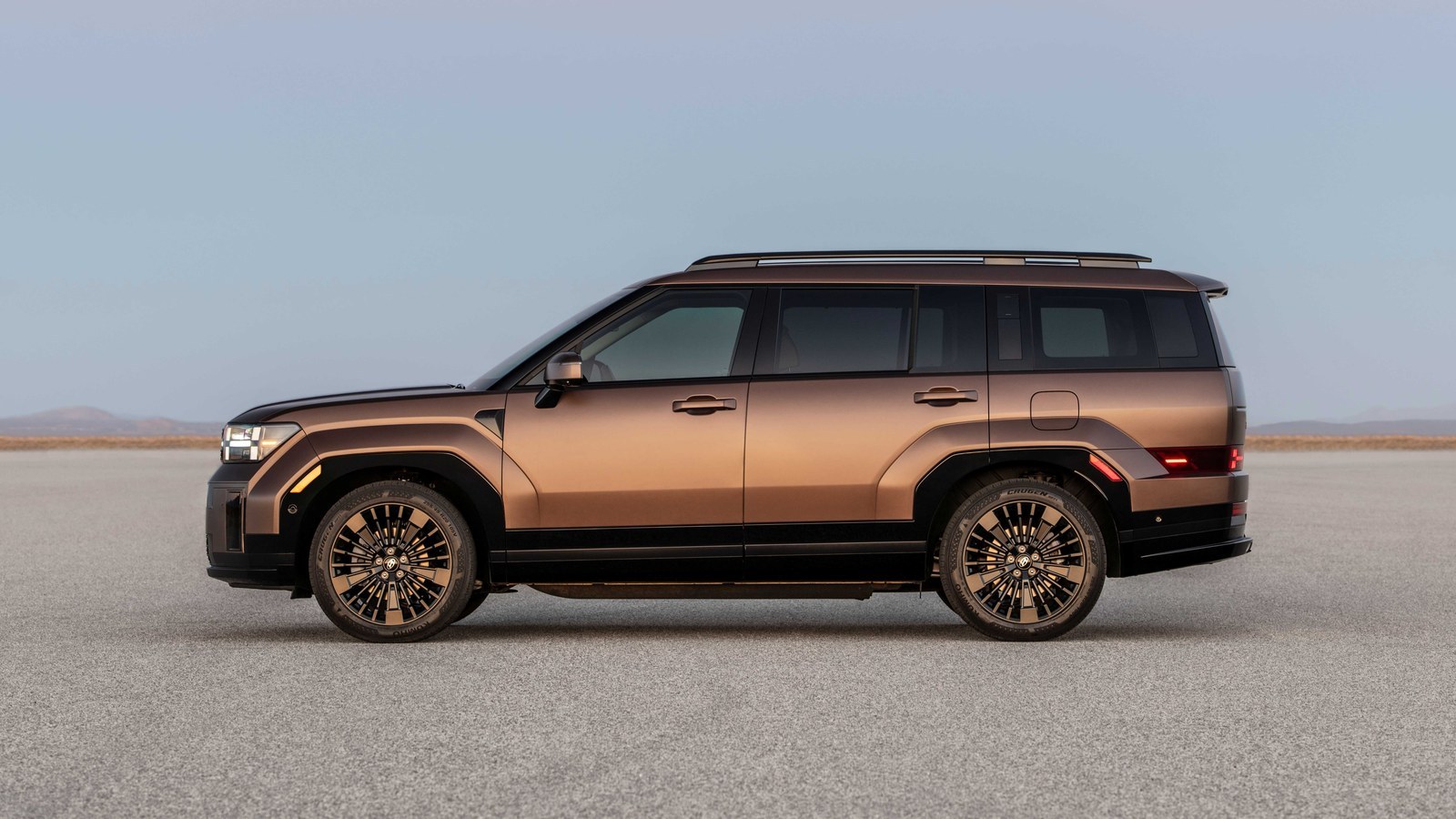
- 2026 Hyundai Santa Fe: 0% for 60 months, no payments for 90 days (through November 30)
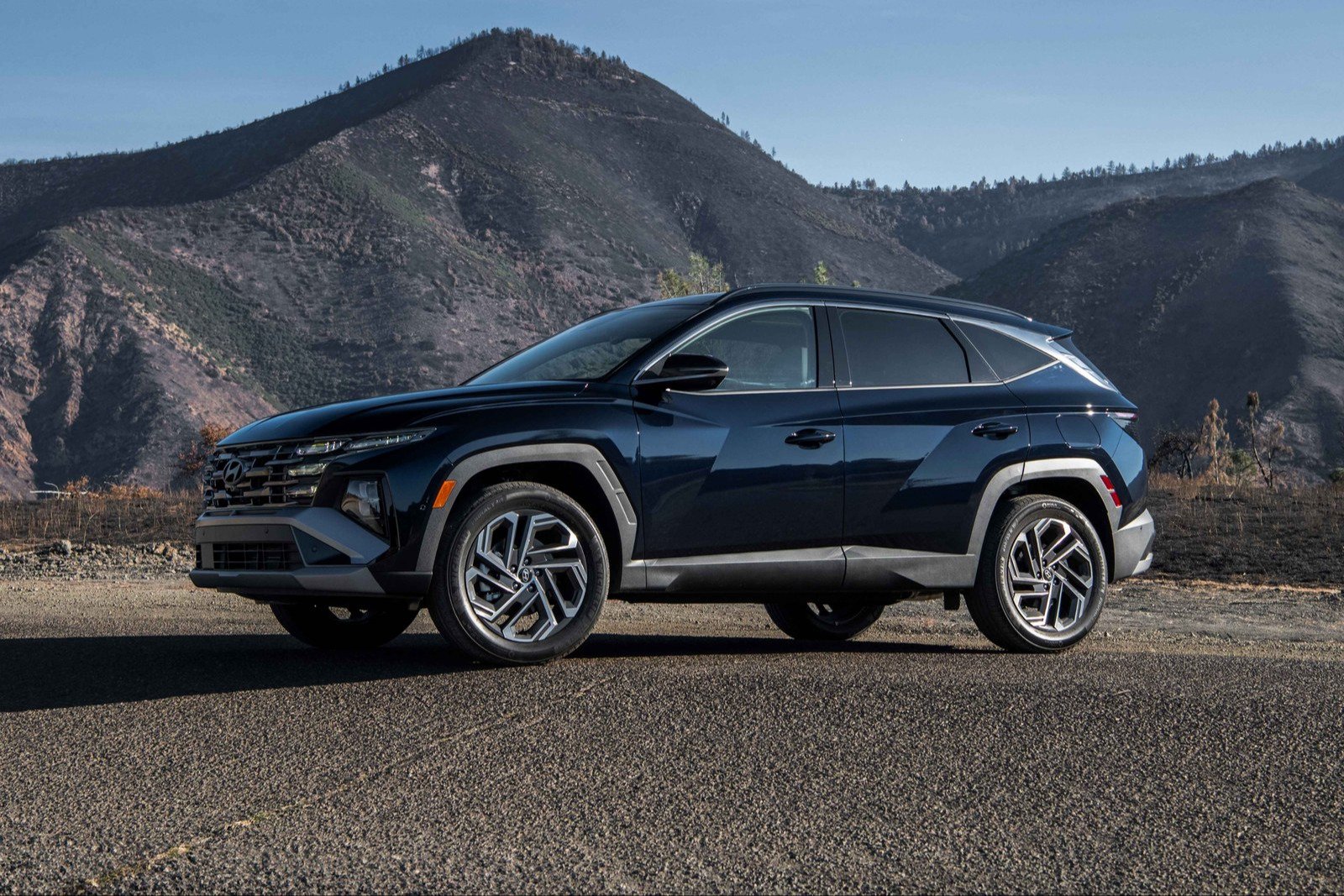
- 2026 Hyundai Tucson: 0% for up to 60 months, no payments for 90 days (through November 30)
- 2026 Nissan Pathfinder and Frontier: 0% for 60 months (Frontier excludes the S trim)
- 2026 Subaru Trailseeker: 0% for 72 months; Crosstrek Hybrid: 0% for 63 months
- 2026 Kia Sportage Plug-in Hybrid: 0% for 48 months (through January 4)
Here is why financing beats a typical rebate. Edmunds put the average new-car loan rate at 7.0% in the third quarter. On a $36,650 Santa Fe financed in full over 60 months, 7.0% means about $726 a month and roughly $6,890 in interest. At 0%, the payment is about $611 and the interest is zero. That saving is nearly double the average incentive Cox measured in October.
Two catches. Zero-percent offers go to buyers with top-tier credit, and a short term cuts the benefit for anyone stretching a budget: the Mazda CX-50's 0% runs only 36 months, which works out to about $872 a month on its $31,395 sticker.
Why these cars, and not a RAV4
Every model on that list is a 2026. The model-year changeover is running late this fall: 2027 models made up 32% of inventory in October, against 49% a year earlier, Cox says. At Toyota the share was 17%, at Ford 25.7%, at Kia 58.1%. The Tucson shows the pattern: a fifth-generation Tucson is coming, so the outgoing 2026 gets the 0% offer.
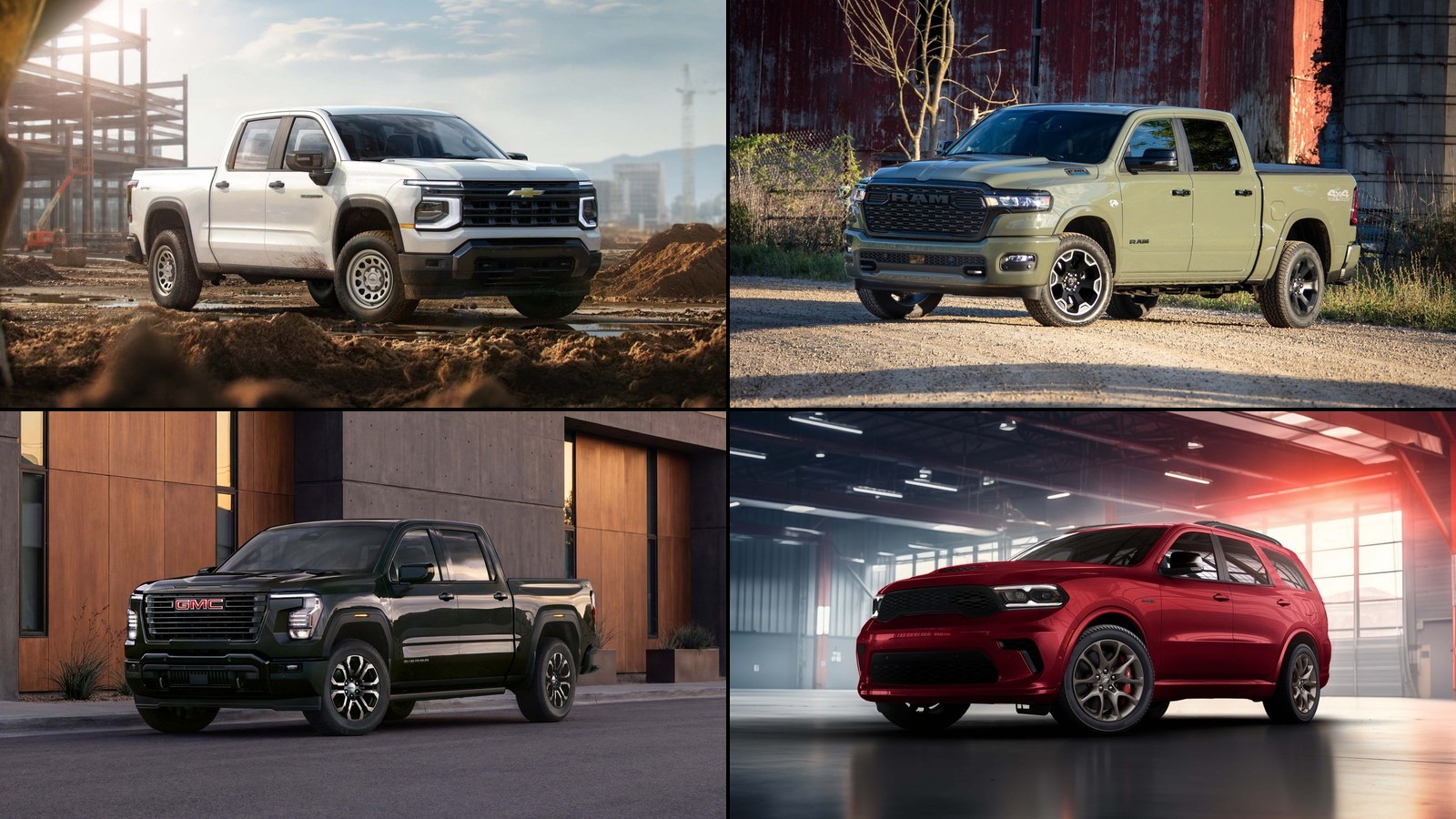
Supply decides the rest. In Cox's October inventory data, Jeep had 159 days of supply, Ram 148, Dodge 147, Buick 136, Ford 112, and GMC 110. Toyota had 39, Lexus 45, Honda 57, and Subaru 62. By model, the RAV4 had 24 days and the Camry 28, while the Jeep Wrangler had 155 and the Grand Cherokee 149. We looked at where the extra Jeep and Ram stock sits in our Stellantis third-quarter breakdown.
Price matters too. Vehicles under $30,000 had 80 days of supply; those from $60,000 to $80,000 had 106, and above $80,000 about 110. The cheap end isn't uniformly tight, though: Cox says the Ford Bronco Sport, Jeep Compass, and Volkswagen Taos all carried more than twice the industry average.
Where the banner is mostly marketing
At brands with thin supply, Black Friday ads lean on lease specials with large amounts due at signing. Honda's Accord LX lease is $229 a month for 36 months with $3,999 down; Toyota's Corolla LE is $239 a month with $2,999 down. Spread the down payment across the term and those become about $340 and $322 a month before taxes and fees. They can still be fair, but they are not the bargains the monthly number suggests.
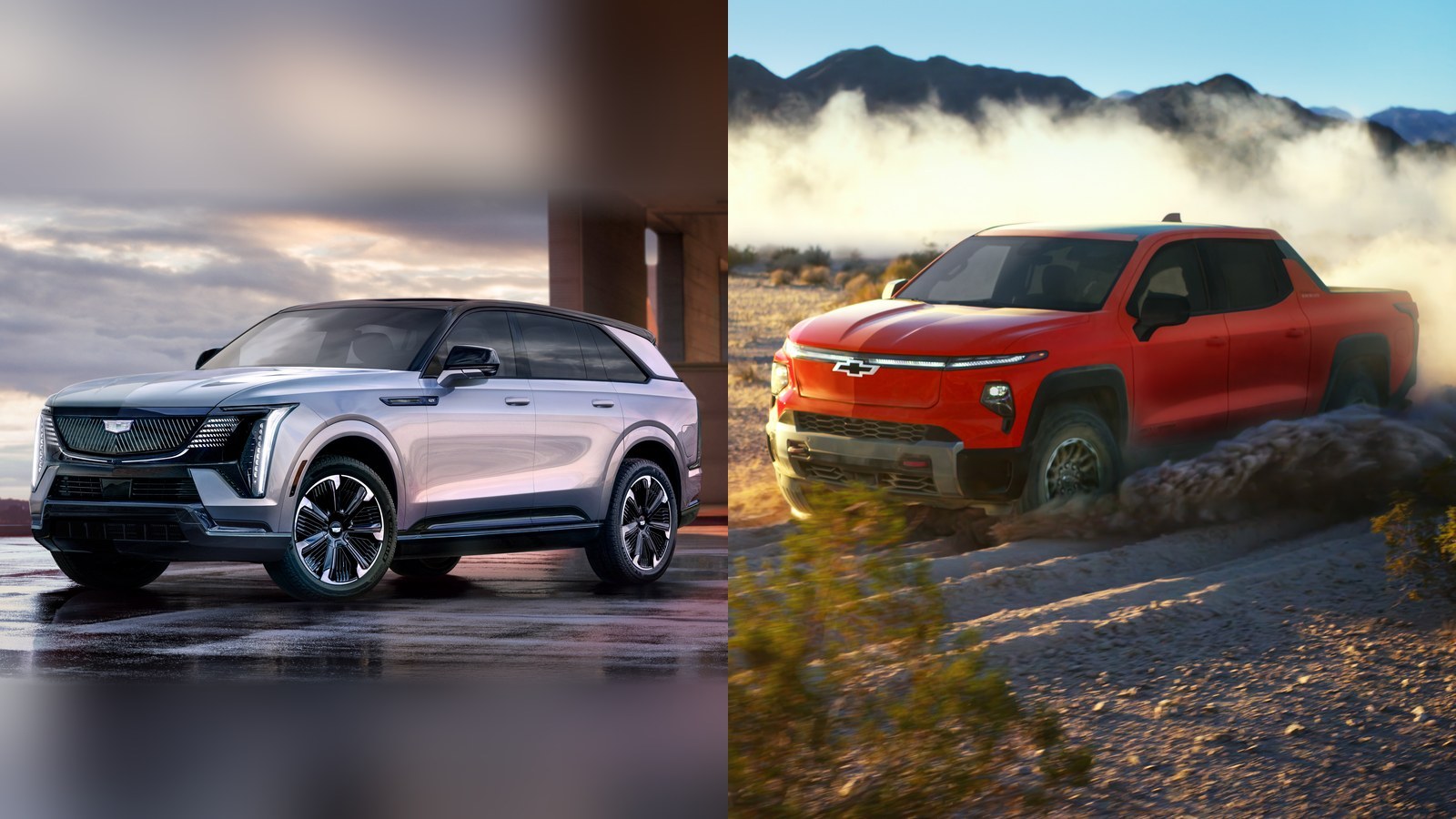
Electric vehicles are the exception. EV incentives averaged 11.3% of the transaction price in October, Kelley Blue Book says, well above the industry's 6.8%, and several EVs carry 0% offers on top of bonus cash.
How to shop it
- Get a loan preapproval from your bank or credit union first. It tells you whether you qualify for the automaker's rate and gives you a fallback.
- Where an offer lets you pick cash back or 0%, run both. A rebate plus your own loan can beat 0% on a short term.
- Ask for the out-the-door price in writing, including dealer add-ons and fees, before you discuss the payment.
- Check the expiry date. A November 30 deadline can be replaced by a better December program, or by nothing.
- Remember what you are buying. A 2026 bought in December counts as a year older at trade-in; our 2026-versus-2027 guide covers when that discount is worth it.
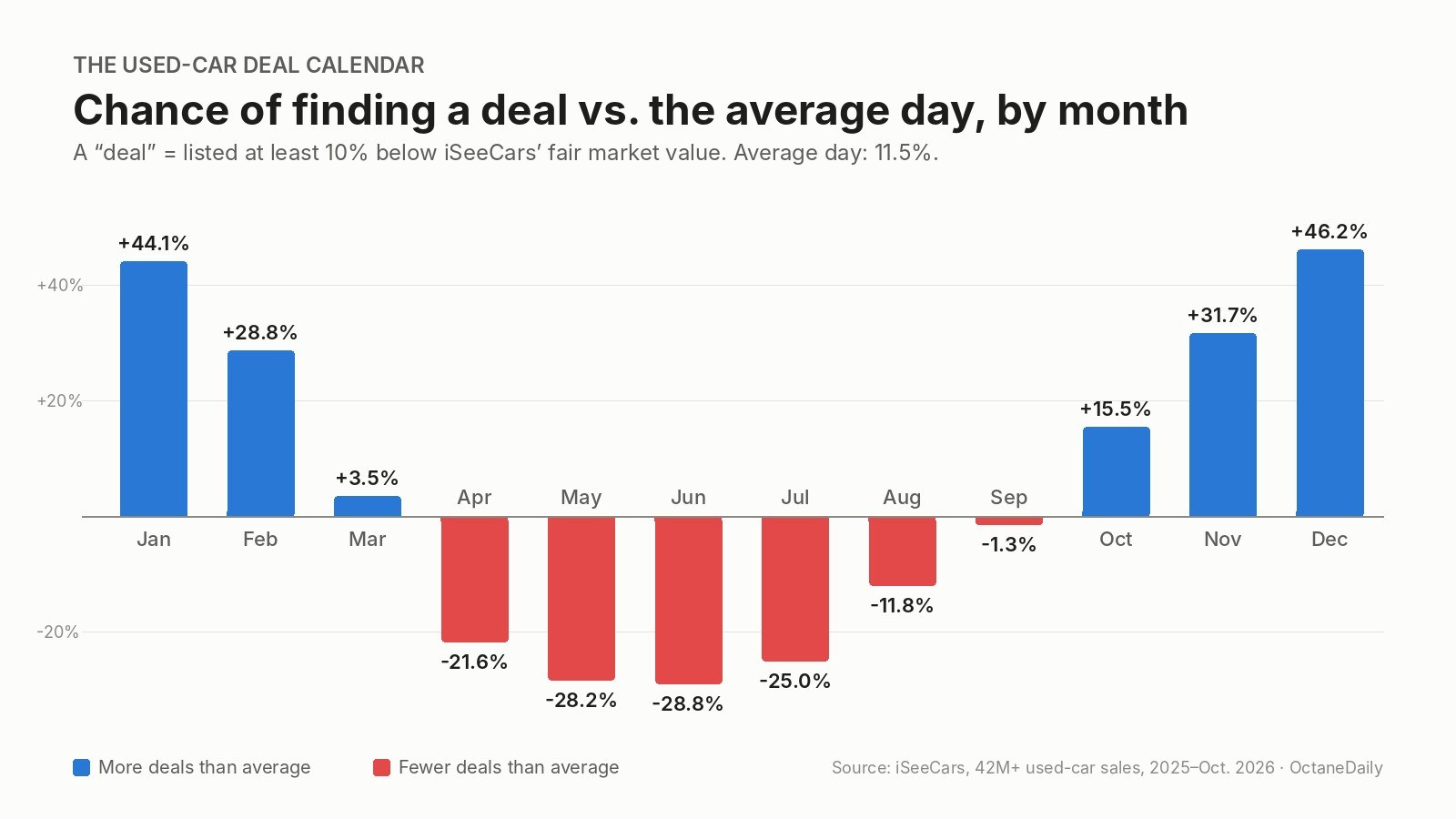
Shopping used instead? Thanksgiving and Black Friday rank sixth in the iSeeCars deal calendar, behind MLK Day and December, as we covered in our used-car timing guide.
What we don't know yet
Many automakers roll out holiday programs late in November, so the offers above may be extended, replaced, or improved by Black Friday itself. We don't know yet whether Toyota or Honda will add national 0% financing, or whether December programs will push incentives back toward last year's 7.5%. J.D. Power's November forecast, expected late in the month, will be the first read on how much automakers are actually spending.